Check Out Our Reviews!
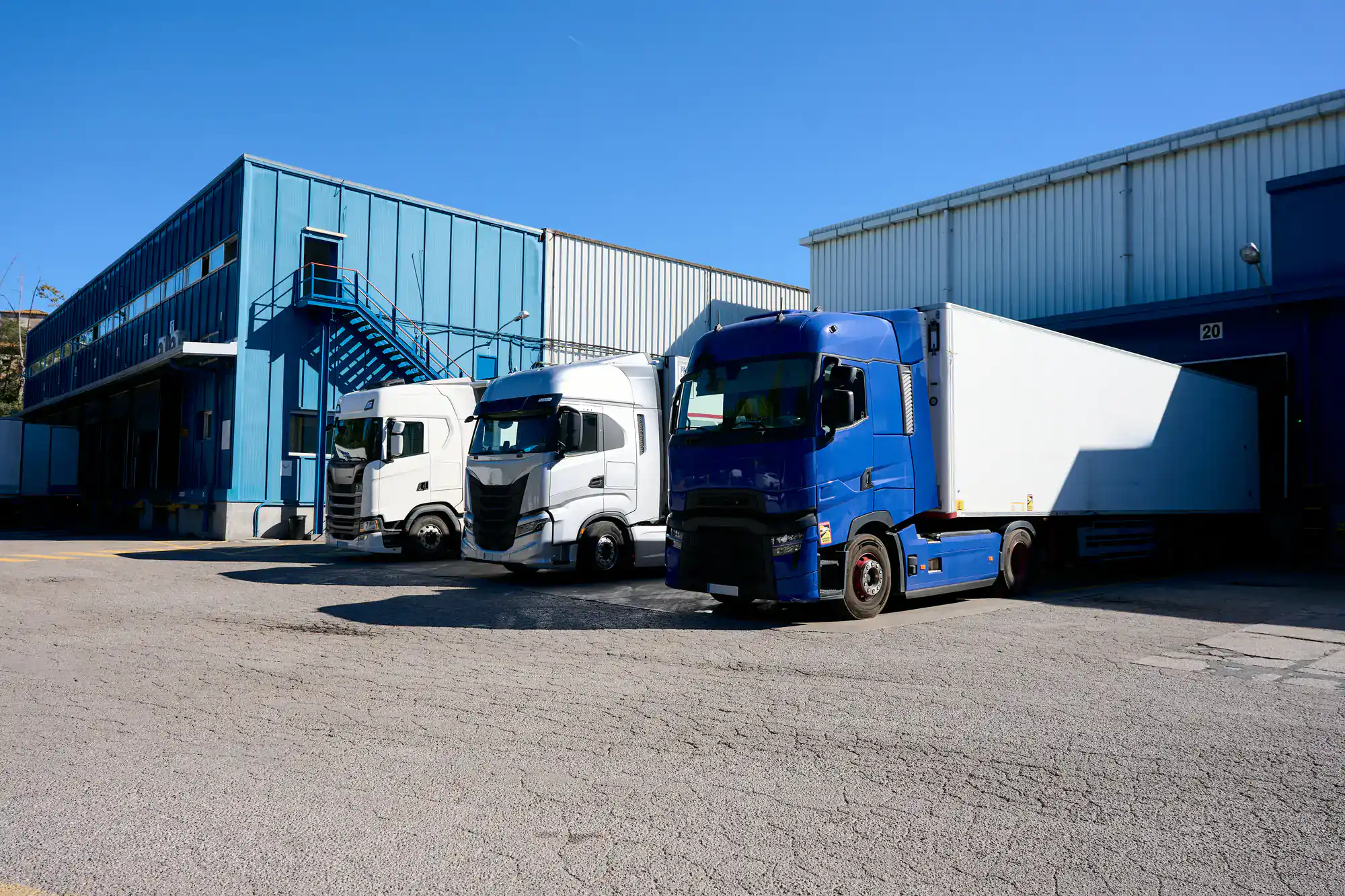
La Cañada Flintridge isn’t an industrial city. There’s no freight yard, no warehouse district, no port terminal down the street. The trucks operating here belong to landscapers maintaining multi-million dollar properties, contractors renovating hillside estates in La Cañada Flintridge, tree-service crews doing fire-risk mitigation work near the Angeles National Forest, and utility operators servicing the I-210 corridor. These are working trucks for working businesses and a DMV registration hold doesn’t just ground a vehicle, it grounds your income.
The Crescenta Valley sits in a natural bowl at the base of the San Gabriel Mountains. Pollution doesn’t move through here the way it does in open terrain. Diesel particulate matter from non-compliant trucks on the Foothill Freeway and surface roads like Foothill Boulevard accumulates in this air basin in a way that’s visible and felt by the people who live and work here. CARB’s Clean Truck Check program exists specifically to reduce that load and the residents and clients you serve in La Cañada Flintridge are paying attention to it.
When your truck has a current compliance certificate, you’re not just avoiding fines. You’re protecting your ability to pull permits, show up on job sites, and maintain the kind of professional reputation that earns repeat business in one of the most affluent residential markets in Los Angeles County.
All SMOG Motors is a CARB-credentialed Clean Truck Check testing provider serving Los Angeles County. Every tester on our team has completed CARB’s official HD I/M Tester Training Course, passed the required exam, and holds a state-issued credential that’s publicly searchable on CARB’s website. You don’t have to take our word for it you can verify it before you book.
We work exclusively with OBD-equipped heavy-duty vehicles: model year 2013 or newer, GVWR over 14,000 pounds. That’s the specific vehicle population CARB’s program targets, and it’s the only population we test. We don’t do passenger cars, we don’t do light trucks, and we don’t bolt on services we’re not built for. Specialization matters when the results have to hold up with the state.
We serve the full Los Angeles County area, including the foothill communities along the I-210 corridor. If your truck is working in La Cañada Flintridge, La Crescenta-Montrose, or the surrounding areas, we can test it where you operate.
The process starts with confirming your truck qualifies: 2013 or newer model year, diesel or alternative fuel, GVWR over 14,000 pounds. If that’s your vehicle, you’re in scope for California’s Clean Truck Check program regardless of where the truck is registered. Out-of-state trucks working jobs in La Cañada Flintridge are subject to the same requirements as California-plated trucks CARB’s program applies to any qualifying vehicle operating on California public roads.
Once we confirm eligibility, we schedule the OBD scan using CARB-certified testing equipment. The scan reads your vehicle’s onboard diagnostic system and checks for emissions-related fault codes and readiness monitors the same data CARB’s program requires. The test itself doesn’t take long. What matters is that it’s done right, with approved equipment, by a credentialed tester.
After the test, we submit your results directly to CARB’s CTC-VIS database. You don’t log into a portal, you don’t upload anything, and you don’t follow up to confirm it went through. The compliance record is registered with CARB the moment we submit. For contractors running active jobs in La Cañada Flintridge or anywhere along the I-210 corridor, that direct submission removes the one step most operators get tripped up on.

Ready to get started?
Every Clean Truck Check test we perform includes a full OBD scan using CARB-certified equipment, a review of your vehicle’s emissions-related fault codes and readiness monitors, and direct electronic submission of your results to CARB’s CTC-VIS system. The annual compliance fee of $31.18 is paid separately to CARB that’s the state’s program fee, not our testing fee. We’ll walk you through the distinction clearly before we start so there are no surprises.
For operators working in Los Angeles County including the residential and institutional markets in La Cañada Flintridge the compliance schedule is already semi-annual as of 2025. That means two testing windows per year, and CARB’s roadside emissions monitoring devices deployed along corridors like the I-210 can flag non-compliant trucks between those windows. If your truck receives a Notice to Submit to Testing, you have 30 calendar days to produce a passing result from a credentialed tester. We can schedule quickly and submit the same day the test is completed.
It’s also worth knowing that CARB’s testing frequency is scheduled to increase to quarterly four times per year by October 2027. The operators who build a reliable compliance relationship now won’t be scrambling when that change hits. If you’re running trucks that service La Cañada Flintridge, Flintridge, or anywhere in the surrounding foothill communities, staying ahead of that schedule protects your operation before the deadlines stack up.
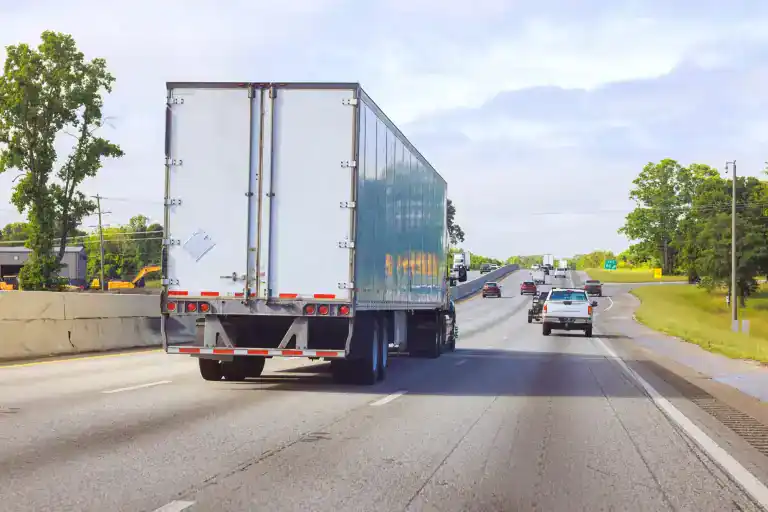
If your truck is a 2013 or newer model year diesel or alternative-fuel vehicle with a GVWR over 14,000 pounds, yes it’s subject to California’s Clean Truck Check program. That applies whether you’re based in La Cañada Flintridge, operating out of a neighboring city like Glendale or Pasadena, or even registered in another state entirely. CARB’s program covers any qualifying truck operating on California public roads, and Los Angeles County is one of the most actively enforced regions in the state.
For contractors working the residential and institutional market in La Cañada Flintridge landscapers, general contractors, tree-service operators, utility crews this is not a future requirement. It’s in effect now, with two compliance windows per year already required. Missing a window means your truck is out of compliance, which triggers DMV registration holds and exposes you to fines. The cost of testing is minor compared to the cost of losing a job or a client relationship because your truck can’t legally be on the road.
A failed OBD test typically means your vehicle’s diagnostic system has flagged an active emissions-related fault code, or one or more readiness monitors haven’t completed their drive cycle. Neither of those is necessarily catastrophic but both need to be addressed before you can get a passing result and a valid compliance certificate.
The first step after a failed test is understanding what the fault code actually indicates. Some codes point to a sensor issue or a system that needs a reset after recent repairs. Others indicate a more substantive emissions problem that needs a qualified diesel mechanic to diagnose and repair. Once the underlying issue is corrected, you schedule a retest. For operators running active jobs in La Cañada Flintridge or the surrounding foothill communities, the key is not letting a failed test sit CARB’s 30-day window for responding to a Notice to Submit to Testing moves fast, and a failed test without a follow-up repair and retest still leaves you non-compliant at the deadline.
Yes. CARB’s Clean Truck Check program is based on where the truck operates, not where it’s registered. If your truck meets the 2013 or newer model year threshold and has a GVWR over 14,000 pounds, operating it on California public roads including every street and freeway in La Cañada Flintridge puts it under CARB’s jurisdiction. Out-of-state registration does not exempt you.
This catches a lot of contractors off guard, especially those who run loads into Los Angeles County from Nevada, Arizona, or other neighboring states. The compliance fee is paid to CARB, the testing must be done by a CARB-credentialed tester using approved equipment, and the results must be submitted to CARB’s CTC-VIS database. If your truck is flagged by one of CARB’s roadside monitoring devices on the I-210 or receives a Notice to Submit to Testing, the 30-day deadline applies to you the same as it does to any California-registered operator. We can test and submit for out-of-state trucks without any additional process on your end.
They’re two completely separate programs. A regular smog check the kind offered at stations throughout La Cañada Flintridge applies to passenger cars and light-duty vehicles. It tests tailpipe emissions and visual components under California’s Smog Check Program, administered by the Bureau of Automotive Repair.
The CARB Clean Truck Check is a different program entirely, targeting heavy-duty diesel and alternative-fuel vehicles with a GVWR over 14,000 pounds and a model year of 2013 or newer. It uses OBD scanning reading the vehicle’s onboard diagnostic system rather than tailpipe sampling. The credentialing requirements for testers are different, the equipment is different, the database is different (CTC-VIS, not BAR’s system), and the compliance schedule is different. A regular smog shop is not automatically qualified to perform Clean Truck Check testing. If you’re not sure whether the provider you’re considering holds a valid CARB HD I/M tester credential, you can verify it directly on CARB’s website before you book.
As of 2025, most qualifying trucks are required to test twice per year two compliance windows annually. That schedule is already in effect, and CARB actively monitors compliance through both the CTC-VIS database and roadside emissions monitoring devices deployed at locations across the state, including along major corridors like the I-210 Foothill Freeway that runs directly through La Cañada Flintridge.
The frequency is scheduled to increase. By October 2027, CARB’s plan calls for quarterly testing four times per year for most vehicles in the program. That’s a meaningful operational shift for any contractor or fleet operator running qualifying trucks. Building a reliable compliance relationship with a credentialed tester before that change takes effect is the practical move. Waiting until quarterly deadlines are in place and then trying to find a qualified provider on short notice adds unnecessary risk to a compliance process that’s already time-sensitive.
In most cases, yes. OBD-based Clean Truck Check testing doesn’t require a fixed facility the way a traditional smog check does. The scan connects directly to the truck’s OBD port, which means we can perform the test wherever the truck is a job site, a staging yard, a contractor’s lot, or a fleet parking area. For operators working in La Cañada Flintridge or the surrounding foothill communities, that flexibility matters. Taking a heavy work truck off a job to drive it to a testing location costs time and money, especially during active renovation or landscaping seasons when schedules are tight.
When you contact us, we confirm your truck’s eligibility, discuss your location, and schedule accordingly. If your operation is based near the I-210 corridor, Foothill Boulevard, or anywhere in the La Cañada Flintridge and La Crescenta-Montrose area, we work around your schedule rather than the other way around. The goal is a test that gets done, gets submitted to CARB, and gets you a valid compliance certificate without pulling you off a job any longer than necessary.
Useful Links
Other Services we provide in La Ca�ada Flintridge Flintridge