Check Out Our Reviews!

The I-10 through Cherry Valley is one of the most active freight corridors in Southern California. If your truck is model year 2013 or newer with a GVWR over 14,000 pounds, it’s subject to California’s Clean Truck Check program and CARB’s roadside monitoring equipment on this corridor doesn’t miss much. A non-compliant truck flagged on I-10 near Cherry Valley means a Notice to Submit to Testing, a 30-day clock, and a real disruption to your schedule.
Cherry Valley isn’t just a pass-through point anymore. The I-10 Logistics Center a 1.8-million-square-foot distribution facility right here in the CDP generates constant heavy truck traffic in and out of the Cherry Valley Boulevard interchange. Owner-operators servicing that facility, small fleets based in the Inland Empire East, and interstate carriers running loads through the San Gorgonio Pass all fall under the same CARB requirements. The difference between a truck that keeps earning and one that’s parked with a DMV registration hold often comes down to one compliance test.
When your results are submitted directly to CARB’s CTC-VIS database the same day you test, your compliance record is updated immediately. No portal. No follow-up. No wondering if it went through. You get your certificate and get back to work which is exactly what running a truck in this area demands.
We’re a CARB-credentialed Clean Truck Check testing provider based in Riverside County the same county as Cherry Valley. That matters because this isn’t a Los Angeles shop stretching its service area on a map. We know the I-10 corridor, understand the Inland Empire East submarket, and work with the same truck operators who run loads through the San Gorgonio Pass every day.
Every tester on our team holds a state-issued CARB credential earned through CARB’s official HD I/M Tester Training and exam renewable every two years and publicly verifiable on CARB’s own database. The OBD testing equipment we use on every test is specifically certified by the California Air Resources Board for heavy-duty compliance testing. This isn’t a general smog station that added a new service. This is the only thing we do and it shows.

First, confirm your truck qualifies. The Clean Truck Check program applies to diesel vehicles that are model year 2013 or newer with a GVWR over 14,000 pounds. If your truck meets both of those criteria and operates on California public roads including I-10 through Cherry Valley it needs to be tested. Out-of-state registration doesn’t exempt you. If you’re running California roads, you’re subject to California’s rules.
Once you’re scheduled, a credentialed tester connects CARB-certified OBD diagnostic equipment directly to your truck’s onboard system. The scan reads emissions-related data from the engine control module and checks for fault codes and readiness monitors that indicate whether your emissions systems are functioning correctly. The whole process is straightforward and doesn’t require you to disassemble anything or leave your truck for days.
After the test, we submit results electronically and directly to CARB’s CTC-VIS database not handed to you to upload yourself. Your compliance record is updated in real time. If your truck passes, your certificate is issued and you’re done. If something comes back flagged, you’ll know exactly what needs attention before your deadline runs out. For trucks operating out of Cherry Valley’s logistics corridor, where schedules are tight and downtime is expensive, that clarity matters.

Ready to get started?
The Clean Truck Check is not a standard smog check. General smog stations in the Beaumont and Banning area the kind that handle passenger cars and light trucks are not equipped or credentialed for this program. The heavy-duty OBD inspection requires a CARB-issued tester credential, CARB-certified diagnostic equipment, and direct electronic submission to the CTC-VIS system. A regular smog certificate does nothing for your CARB compliance status as a heavy-duty diesel operator in Cherry Valley.
What we provide is the complete compliance package: the OBD scan using CARB-certified equipment, the credentialed tester, and the direct submission to CARB’s database on your behalf. You don’t log into a portal. You don’t manage a submission. You don’t chase a confirmation. The record is updated, the certificate is issued, and your truck is documented as compliant.
In 2025, subject vehicles are required to test semi-annually twice a year. That schedule escalates to quarterly testing by October 2027, meaning four tests per year. If you’re operating qualifying trucks out of Cherry Valley or regularly servicing the I-10 Logistics Center, building a reliable testing relationship now before the frequency increases is the practical move. The annual compliance fee is $31.18 per vehicle. The fines for non-compliance run up to $10,000 per vehicle per day. The math is not complicated.
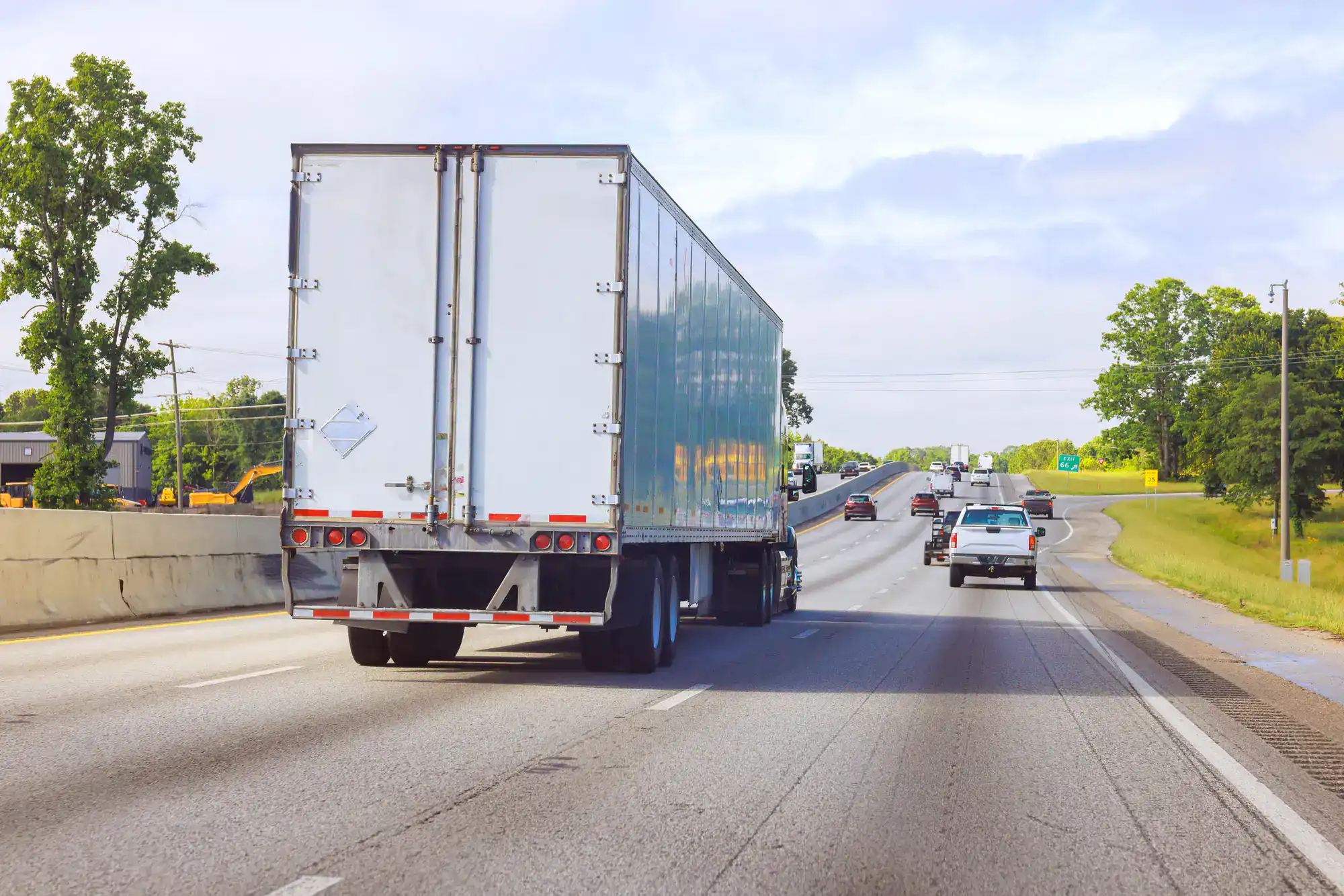
If your truck is model year 2013 or newer and has a GVWR over 14,000 pounds, yes it needs to comply with California’s Clean Truck Check program regardless of where you’re based. Cherry Valley sits directly on the I-10 corridor through the San Gorgonio Pass, and CARB’s roadside remote emissions monitoring devices operate on this route. Operating a non-compliant truck on I-10 through this area puts you at real risk of receiving a Notice to Submit to Testing, which gives you 30 calendar days to get a passing test from a credentialed provider.
The requirement isn’t tied to your city or ZIP code it’s tied to whether your truck operates on California public roads. If you’re pulling loads out of the I-10 Logistics Center, running freight through the pass, or doing any commercial hauling in Riverside County, your truck falls under this program. The sooner you get tested and documented, the less exposure you carry.
No and this is one of the most common and costly misunderstandings in this market. Standard smog check stations in the Beaumont and Banning area are licensed to test passenger cars and light-duty vehicles under California’s standard smog program. That is a completely separate program from CARB’s Clean Truck Check, which applies to heavy-duty diesel trucks model year 2013 or newer with a GVWR over 14,000 pounds.
The Clean Truck Check requires a CARB-issued tester credential specific to the HD I/M program, OBD diagnostic equipment that has been certified by the California Air Resources Board for heavy-duty testing, and direct electronic submission to CARB’s CTC-VIS database. None of those things exist at a standard smog station. If you go to the wrong shop, you’ll pay for a test that CARB doesn’t recognize, and your compliance status won’t change. We are specifically credentialed and equipped for the heavy-duty program that’s the only type of testing we do.
Yes. CARB’s Clean Truck Check program applies to any qualifying heavy-duty diesel vehicle operating on California public roads including I-10 through Cherry Valley and the San Gorgonio Pass. Where your truck is registered has no bearing on whether you’re required to comply. This is one of the most frequently misunderstood aspects of the program among interstate carriers who transit the I-10 corridor between the Los Angeles basin and the desert Southwest.
If your truck is model year 2013 or newer with a GVWR over 14,000 pounds and you run California roads with any regularity, you need a valid compliance certificate in CARB’s CTC-VIS database. CARB’s roadside monitoring equipment operates on major freight corridors, and a flagged truck generates a Notice to Submit to Testing with a 30-day compliance window regardless of the state on the registration plate. We can test and certify your truck whether it’s registered in California, Arizona, Nevada, or anywhere else.
A failed test means your truck has emissions-related fault codes or incomplete readiness monitors that indicate a problem with one or more emissions systems. The most important thing to understand is that a failed result still gives you time to act as long as you tested before your deadline, not the day it expired. If you received a Notice to Submit to Testing with a 30-day window, testing early gives you time to identify the issue, get repairs done, and retest before the deadline closes.
After repairs are completed, your truck will need to be retested by a credentialed provider using CARB-certified equipment. We’ll walk you through what the failed codes mean in plain language so you’re not guessing about what needs to be fixed. For owner-operators and small fleet managers in the Cherry Valley and Inland Empire East area, catching a compliance issue before a DMV registration hold kicks in is the difference between a minor repair bill and a truck that can’t legally run I-10.
In 2025, the requirement is semi-annual two tests per year, roughly every six months. That schedule is set to increase to quarterly testing by October 2027, which means four tests per year for most subject vehicles. The annual compliance fee is $31.18 per vehicle, which is separate from the cost of the test itself.
For operators running trucks out of Cherry Valley’s growing logistics corridor including the I-10 Logistics Center and the broader Inland Empire East submarket this escalating schedule is worth planning around now. Scrambling to find a credentialed tester every time a deadline approaches is a time drain you don’t need. Building a consistent testing relationship with us means you’re not managing the process from scratch four times a year. The requirement isn’t going away, and the frequency is only increasing.
CARB uses several enforcement mechanisms, and they work together in ways that catch non-compliant trucks faster than many operators expect. The most immediate is roadside remote emissions monitoring devices positioned along active freight corridors, including I-10 through the San Gorgonio Pass, that can flag a truck’s emissions profile without a traffic stop. If your truck is flagged, you receive a Notice to Submit to Testing requiring a passing compliance test within 30 calendar days.
Beyond roadside monitoring, CARB’s enforcement is tied directly into the DMV registration system. Non-compliant vehicles are flagged in the database, and registration renewal is blocked until compliance is documented in CTC-VIS. That means a truck that misses its testing window can’t legally renew its registration and a truck with a blocked registration can’t legally operate on California roads, including I-10 through Cherry Valley. Fines for non-compliance can reach $10,000 per vehicle per day. The community around Cherry Valley has been vocal about diesel truck pollution as warehouse development has expanded along the I-10 corridor, which means enforcement attention in this area is not decreasing. Staying current with your compliance testing is the straightforward way to stay out of that enforcement path entirely.
Useful Links
Other Services we provide in Cherry Valley