Check Out Our Reviews!

Most truck owners in El Sobrante aren’t thinking about CARB compliance until something forces the issue a DMV registration hold, a Notice to Submit to Testing, or a freight broker who won’t release a load without a valid certificate. By then, the clock is already running. Getting ahead of it means you’re not scrambling on a deadline, and your truck stays on the road instead of sitting in your driveway while the work dries up.
The SR-91 and I-15 corridors that El Sobrante residents run daily are two of the most actively monitored freight routes in the state. We deploy roadside Remote Emissions Monitoring Devices along these highways and they can flag your truck without ever pulling you over. If your compliance certificate isn’t current, you may not know you’ve been flagged until the DMV hold shows up. That’s not a paperwork problem. That’s a business problem.
When your test is done through us, results go directly into CARB’s CTC-VIS database at the time of the scan. You don’t have to log into a portal, upload anything, or follow up to confirm the submission landed. It’s handled. For owner-operators managing loads, schedules, and equipment on their own, that’s one less thing that can go sideways.
We’re based in Perris right here in Riverside County, the same county that governs El Sobrante as an unincorporated community. That’s not a small detail. It means the person handling your test knows the SR-91 freight corridor, understands the Inland Empire logistics market, and operates under the same regional air quality rules that apply to every truck running through western Riverside County.
Our CARB credentials for this program aren’t self-declared. Every tester on our team has completed CARB’s official HD I/M training, passed a required exam, and holds a Certificate of Completion that must be renewed every two years. That credential is listed in CARB’s publicly searchable tester database you can verify it yourself before you ever call.
We use CARB-certified OBD scanning hardware not a generic diagnostic tool pulled from a general repair shop. The result is submitted directly to CTC-VIS on the spot. That combination of credentials, equipment, and direct submission is what makes the test count with CARB, and it’s what separates a valid compliance certificate from a result that gets rejected.

The process starts with confirming your truck qualifies model year 2013 or newer, GVWR over 14,000 pounds. If you’re not sure, that’s a quick conversation. Most owner-operators in the El Sobrante area running freight on the 91 or hauling out of distribution yards near Jurupa Valley or Corona already know what they’re working with, but it’s worth confirming before you book.
Once the appointment is set, one of our CARB-credentialed testers connects CARB-certified OBD scanning equipment directly to your truck’s diagnostic port. The scan reads your vehicle’s onboard emissions data fault codes, readiness monitors, system status and generates a result. The whole scan typically takes less time than most people expect. There’s no tailpipe probe, no dynamometer, no extended teardown. It’s a data pull from your truck’s own system.
If your truck passes, results are submitted electronically to CARB’s CTC-VIS database right then. Your compliance record is updated, and you have your certificate. If the scan surfaces an issue a stored fault code, a monitor that hasn’t run you’ll know exactly what needs attention before your deadline. That’s the kind of specific feedback that lets you get the repair done and come back for a retest with time to spare, rather than finding out at the DMV window.

Ready to get started?
Every test we perform is built around the specific vehicle population CARB’s Clean Truck Check targets: model year 2013 or newer diesel and heavy-duty trucks with a GVWR over 14,000 pounds. If your truck doesn’t fit that profile, this isn’t the right service and we’ll tell you that upfront. If it does, here’s exactly what you’re getting.
The test uses CARB-certified OBD scanning equipment the only type of equipment CARB accepts for this program. Results are submitted directly to the CTC-VIS database at the time of the scan, which means your compliance record is updated immediately. You’re not waiting on a submission, not hoping a portal upload went through, and not chasing down a confirmation. It’s done.
For trucks operating out of El Sobrante, Woodcrest, Home Gardens, or anywhere else in unincorporated Riverside County, there’s no city-level permit or local ordinance layered on top of this CARB compliance is the requirement, and it’s the only one. What matters is that your test is performed by a credentialed tester using certified equipment, and that the result lands in CTC-VIS before your deadline. That’s what we deliver, every time.
Yes if your truck is model year 2013 or newer and has a GVWR over 14,000 pounds, California’s Clean Truck Check requirement applies to you regardless of where in the state you’re based. El Sobrante is an unincorporated community in Riverside County, which means there’s no city government adding local layers on top of state law but CARB’s program is a California-wide mandate, and it covers every qualifying truck operating in the state, including those registered or garaged in unincorporated areas.
There’s a common misconception that unincorporated communities or rural areas have some kind of exemption. They don’t. If your truck qualifies by year and weight, you’re in the program. The testing schedule as of 2025 requires compliance testing twice a year, and that escalates to four times per year by October 2027. The sooner you get into a reliable testing routine, the less disruptive that schedule change will be.
A failed scan doesn’t mean an immediate fine it means your truck has an emissions-related issue that needs to be addressed before you can receive a passing compliance certificate. The OBD scan reads your truck’s onboard diagnostic data, and if it surfaces a stored fault code or an emissions monitor that hasn’t completed its readiness cycle, the result will come back as a failure. That’s actually useful information, because it tells you specifically what needs attention rather than leaving you guessing.
From there, you get the repair done whether that’s clearing a fault code, completing a drive cycle, or addressing an underlying emissions system issue and come back for a retest. The key is timing. If you have a Notice to Submit to Testing with a 30-day deadline, or a DMV registration renewal coming up, you need enough runway to get the repair done and retest before that deadline hits. Testing early gives you that runway. Testing on day 29 doesn’t.
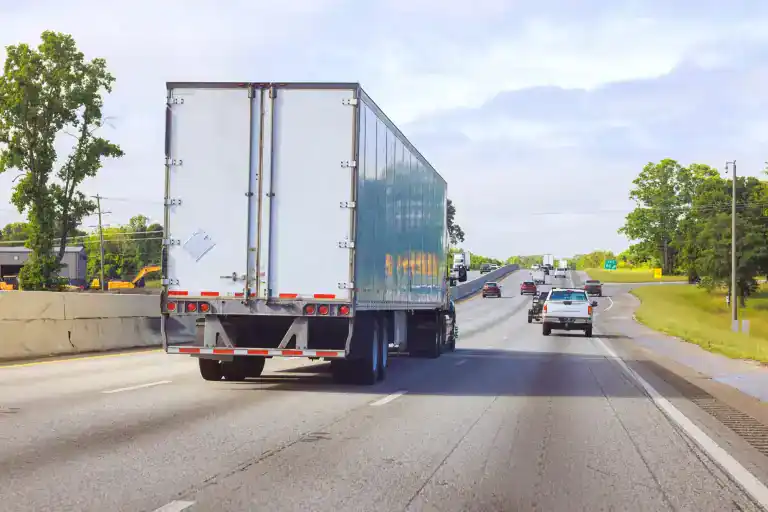
Yes, and this is one of the less understood parts of how CARB enforces the Clean Truck Check program. CARB deploys Remote Emissions Monitoring Devices REMDs along major freight corridors, and the SR-91 and I-15 through the Riverside and Corona area are among the most actively monitored routes in Southern California. These devices read emissions data from passing vehicles without requiring a traffic stop. If your truck is flagged as a potential high emitter, CARB can issue a Notice to Submit to Testing based on that roadside data alone.
That notice gives you 30 calendar days to submit a passing compliance test from a CARB-credentialed tester. If you miss that deadline, the consequences escalate quickly registration holds, fines, and potential loss of access to port facilities or freight broker contracts. For El Sobrante owner-operators who run the 91 corridor regularly, this isn’t a hypothetical scenario. It’s a real enforcement mechanism that’s actively in use on the roads you drive every week.
No, and this is one of the most common points of confusion in the Clean Truck Check program. The $31.18 annual fee (as of 2025) is a program participation fee paid directly to CARB it registers your vehicle in the CTC-VIS system and keeps your account active. It does not replace the physical OBD compliance test, and paying it does not generate a compliance certificate or update your compliance status in CARB’s database.
Think of the fee and the test as two separate obligations. The fee keeps your account open. The test performed by a CARB-credentialed tester using certified OBD equipment, with results submitted directly to CTC-VIS is what actually demonstrates your truck’s emissions compliance. Both are required. If you’ve paid the fee but haven’t completed a test within your required testing window, your truck is still out of compliance, and your registration is still at risk of a hold. The test is the piece that closes the loop.
As of 2025, most qualifying vehicles model year 2013 or newer, GVWR over 14,000 pounds are required to complete CARB Clean Truck Check testing twice per year. That’s the current semi-annual schedule. By October 2027, that requirement escalates to quarterly testing, meaning four tests per year for most trucks in the program.
For owner-operators and small fleet owners in the El Sobrante area, this is worth planning around now rather than adjusting to last minute. The Inland Empire logistics market with distribution activity concentrated in Jurupa Valley, Corona, and Eastvale has seen significant growth in qualifying heavy-duty trucks over the past several years, and CARB enforcement activity in western Riverside County has grown with it. Building a consistent testing relationship with us now means the shift to quarterly testing in 2027 is a calendar adjustment, not a compliance crisis.
Yes California’s Clean Truck Check program applies to any qualifying vehicle operating in California, not just trucks registered here. If you’re an out-of-state carrier running loads through Riverside County on the I-15 or SR-91 corridors, and your truck is model year 2013 or newer with a GVWR over 14,000 pounds, you are subject to the same CARB compliance requirements as California-registered vehicles.
This catches a lot of out-of-state operators off guard, particularly those hauling freight into or through the Inland Empire from Nevada, Arizona, or other western states. CARB’s roadside monitoring equipment doesn’t distinguish between California plates and out-of-state plates it reads emissions data from every passing vehicle that fits the qualifying profile. If your truck is flagged and you receive a Notice to Submit to Testing, that 30-day deadline applies regardless of where your truck is registered. Getting tested by a CARB-credentialed tester with direct CTC-VIS submission is the same process for out-of-state operators as it is for anyone else in the program.
Useful Links
Other Services we provide in El Sobrante