Check Out Our Reviews!
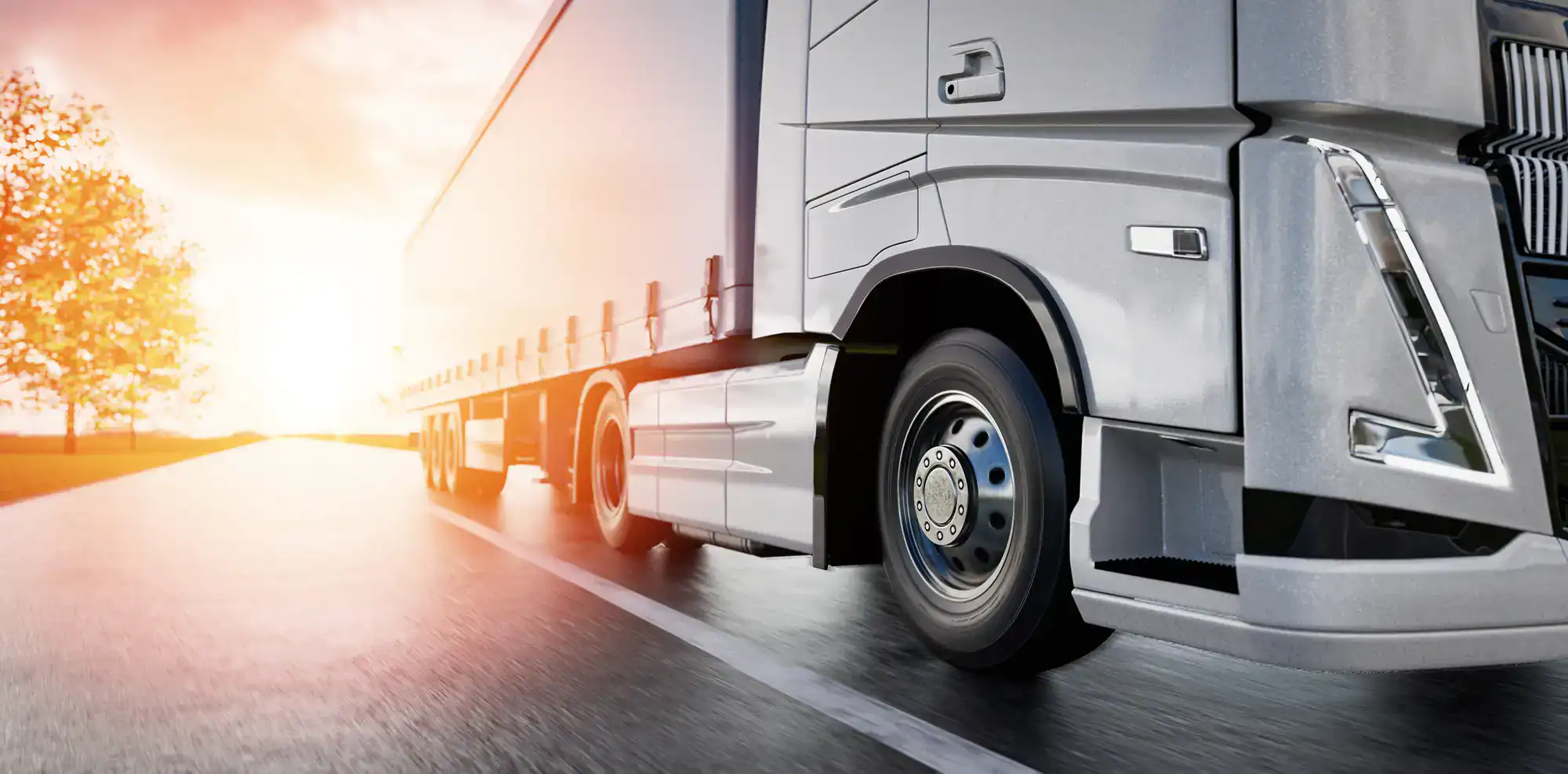
When your truck gets flagged for non-compliance, it doesn’t just mean paperwork. It means a DMV registration hold, a 30-day deadline, and a truck that legally cannot move until you clear it. For an owner-operator running loads out of the Vernon industrial zone or hauling drayage down the I-110 to the port, that’s not a bureaucratic inconvenience that’s lost income, lost contracts, and a dispatcher who stops calling.
Florence-Graham has one of the highest concentrations of transportation and warehousing workers in unincorporated LA County. A lot of people here depend on their truck the same way others depend on a paycheck. The difference is, your paycheck has an engine and four wheels, and CARB knows exactly where it’s been. Roadside emissions monitors are deployed throughout the South LA freight corridor, including along Alameda Street and the I-110, and trucks that get flagged receive a Notice to Submit to Testing with a hard 30-day window to respond.
Getting compliant isn’t just about avoiding fines. It’s about staying in the game. A valid CARB compliance certificate keeps your registration clean, keeps port terminals accessible, and keeps freight brokers from pulling your loads. That’s the real outcome not a piece of paper, but the ability to keep doing what you do.
We hold a CARB-issued HD I/M Tester credential earned through CARB’s official training course, verified by exam, and listed on CARB’s public database of authorized testers. You can look us up before you ever call. Our credential has to be renewed every two years, and it’s not something any shop can just claim. It either shows up on CARB’s list or it doesn’t.
The equipment matters just as much as the credential. Every Clean Truck Check we perform uses CARB-certified OBD scanning devices not generic shop tools, not aftermarket readers. The kind of equipment CARB actually requires for a test result to count. And when the test is done, results go directly into CARB’s CTC-VIS database right then, without a manual upload step or a portal you have to navigate yourself.
We serve Florence-Graham and the surrounding LA County industrial corridor, including Vernon and the Firestone Boulevard commercial zone. This isn’t a distant provider claiming statewide coverage. The trucks running through Florence-Graham every day heading to the port, making warehouse pickups, moving freight through the South LA logistics network are exactly who we built this service for.

First, confirm your truck qualifies. The Clean Truck Check program applies specifically to model year 2013 or newer heavy-duty diesel and alternative-fuel vehicles with a GVWR over 14,000 pounds. If your truck meets both of those criteria and operates on California roads whether it’s registered here or out of state it needs to be in CARB’s system. A lot of interstate carriers running loads through the LA basin don’t realize that registration state doesn’t matter. If the truck touches California roads, compliance applies.
Once you bring your vehicle in, our credentialed tester connects CARB-certified OBD equipment to your truck’s diagnostic system. The scan reads the onboard data CARB requires fault codes, readiness monitors, emissions-related system status and produces a result. If the truck passes, that result is submitted directly to CARB’s CTC-VIS database immediately. Your compliance certificate is live in the system before you leave.
If the truck doesn’t pass, you’ll know exactly what the scan found and what needs to be addressed before a retest. No vague answers, no runaround. Given that Florence-Graham falls within the Southeast Los Angeles AB 617 corridor where CARB’s enforcement attention on diesel emissions is heightened staying ahead of a potential NST notice is worth more than most people realize until they get one.

Ready to get started?
The test itself covers what CARB requires for the Clean Truck Check program: a full OBD scan using certified equipment, performed by a credentialed HD I/M tester, with results submitted electronically to CARB’s CTC-VIS system the same day. You walk away with a valid compliance certificate on record not a printout you have to upload yourself, not a form you have to mail in. It’s done.
The annual CARB compliance fee is $31.18 per vehicle, paid separately to the state. That fee is yours to handle regardless of who tests your truck. What we provide is the testing itself, the credentialed tester, the certified equipment, and the direct submission the parts that actually require a qualified provider. For fleet operators managing multiple trucks in and around the Vernon industrial zone or the Firestone Boulevard commercial corridor, that direct submission matters a lot. One less thing to track per vehicle, per compliance cycle.
Right now, the program requires testing twice a year. By October 2027, that moves to quarterly four times per year. If you’re running two or three trucks out of Florence-Graham today, that’s a real operational cadence that’s worth planning around now rather than scrambling to catch up with later. We test 2013 or newer heavy-duty vehicles with a GVWR over 14,000 pounds that’s the full scope of what the Clean Truck Check program covers, and it’s the only population we test.
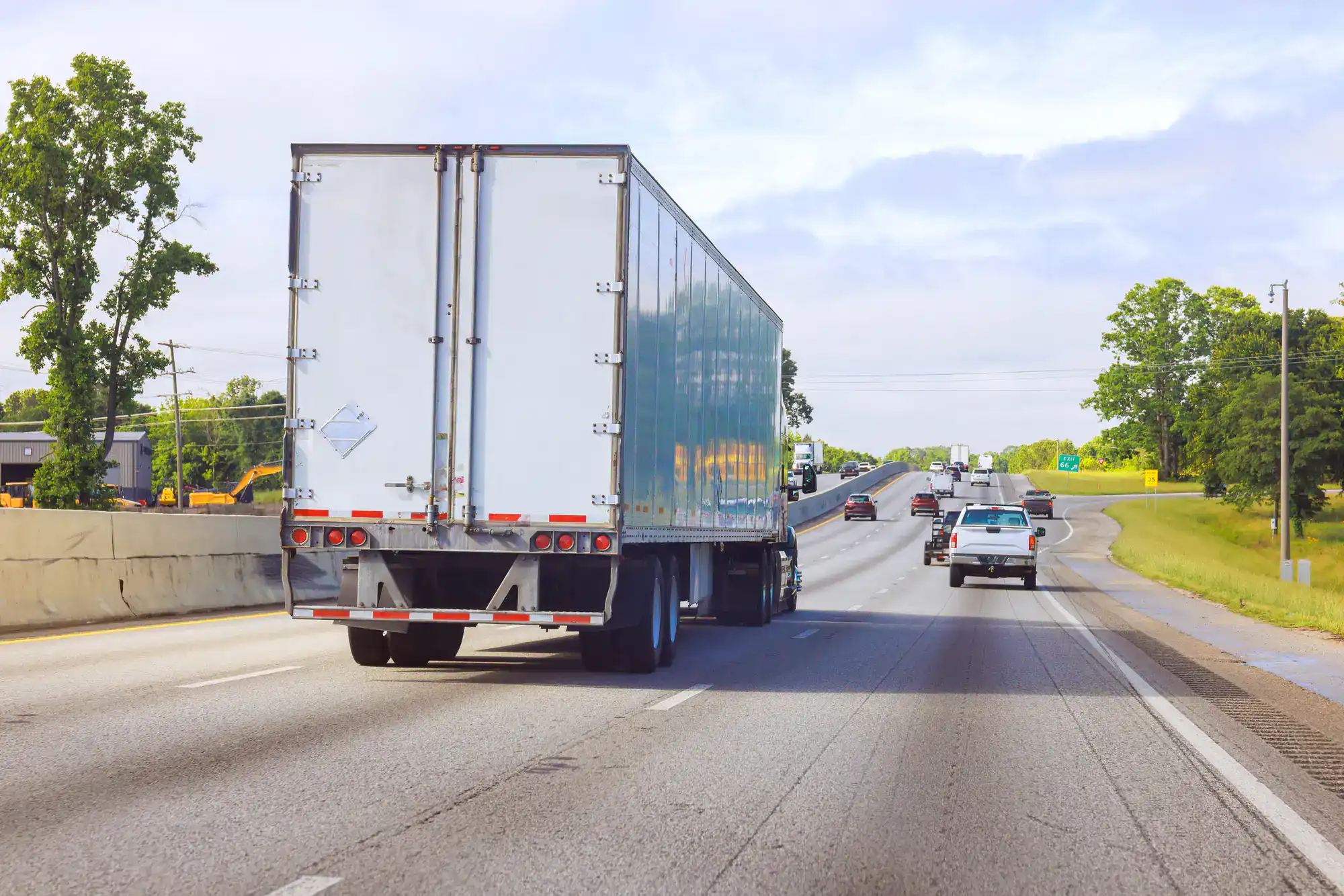
Yes and this catches a lot of carriers off guard. CARB’s Clean Truck Check program applies to any qualifying vehicle operating on California public roads, regardless of where it’s registered. If your truck is model year 2013 or newer, has a GVWR over 14,000 pounds, and it’s moving freight through the LA basin including through Florence-Graham, the Vernon industrial zone, or down the I-110 to the port it needs to be in CARB’s compliance system.
Out-of-state carriers who make regular runs into Southern California are subject to the same testing schedule and the same enforcement as California-registered trucks. The roadside emissions monitors deployed along the South LA freight corridor don’t check registration state. If your truck gets flagged and you don’t have a current compliance certificate on file, you’ll receive a Notice to Submit to Testing with a 30-day deadline and that clock runs whether your truck is based in Texas, Arizona, or right here in LA County.
A failed scan means the OBD system found active fault codes or unready emissions monitors that CARB’s program doesn’t accept as compliant. You won’t be left guessing the scan results will show exactly what the system flagged. From there, the path forward is getting the underlying issue repaired and coming back for a retest once it’s addressed.
What you want to avoid is sitting on a failed result. Florence-Graham falls within the Southeast Los Angeles AB 617 community, which means this corridor is under active CARB monitoring for diesel emissions. If you already have a Notice to Submit to Testing, your 30-day window is running from the date on that notice not from when you decide to act on it. Getting the diagnostic information from a failed scan quickly is actually useful, because it tells your mechanic exactly what needs to be fixed rather than leaving them to guess. The sooner you know, the sooner you can get back on the road.
As of 2025, the Clean Truck Check program requires testing twice per year once every six months. That’s the current requirement for model year 2013 or newer heavy-duty diesel and alternative-fuel vehicles with a GVWR over 14,000 pounds operating in California. Starting in October 2027, that escalates to quarterly testing, meaning four times per year.
For owner-operators and small fleet managers in Florence-Graham, that shift matters. If you’re running two or three trucks, quarterly testing means you’re scheduling compliance events throughout the year on a regular rotation. Building that into your operational calendar now rather than treating each test as a surprise is the practical move. One thing worth knowing: you can submit a test up to 90 days before your compliance deadline. That means you don’t have to wait until the last minute, and you can schedule around your busiest freight seasons, including the port surge period that typically runs August through November.
A DMV registration hold tied to CARB non-compliance means your truck cannot legally operate on California roads until the hold is cleared. The hold gets placed automatically when CARB flags a vehicle as non-compliant, and it doesn’t lift until a passing Clean Truck Check result is submitted to CARB’s CTC-VIS database by a credentialed tester.
The fastest path through this is straightforward: get the OBD scan done by a credentialed HD I/M tester using CARB-certified equipment, pass the test, and have the results submitted directly to CTC-VIS the same day. Once CARB receives the passing result, the hold can be cleared through DMV. The part that slows people down most is not knowing who’s actually credentialed to perform the test not every shop that advertises smog services is authorized for the Clean Truck Check program. We’re listed on CARB’s public database of credentialed testers, and results are submitted to the system immediately after a passing test. That’s the step that actually clears the hold.
If the trucks operating in and around Vernon are model year 2013 or newer with a GVWR over 14,000 pounds, yes they’re subject to the Clean Truck Check program. The City of Vernon borders Florence-Graham directly and generates a significant amount of the heavy diesel truck traffic that moves through this part of LA County daily. Trucks making pickups and deliveries at Vernon’s food processing plants, cold-storage warehouses, and logistics facilities are exactly the type of vehicles this program targets.
Beyond the state-level CARB requirement, freight brokers and shippers operating in the Vernon and South LA industrial corridor increasingly require proof of CARB compliance as a contract condition separate from what enforcement does. That means a lapsed certificate doesn’t just risk a fine or a DMV hold. It can mean a broker pulls your load assignment before you ever get flagged by a regulator. For owner-operators who depend on consistent load volume out of this corridor, keeping a current compliance certificate on record is as much a business requirement as it is a legal one.
The cost of a Clean Truck Check test varies by provider, but most credentialed testers in the Los Angeles area charge somewhere in the range of $95 to $150 per vehicle. That’s separate from the $31.18 annual compliance fee CARB charges per vehicle, which you pay directly to the state regardless of who performs your test.
For fleet operators in Florence-Graham managing multiple trucks, some providers offer volume pricing it’s worth asking directly when you call. What matters as much as the per-test cost is what you’re actually getting: a credentialed tester, CARB-certified equipment, and direct submission to CTC-VIS so the result is live in the system the same day. A cheaper test that doesn’t get submitted correctly, or that’s performed by someone who isn’t on CARB’s credentialed tester list, doesn’t count and you’re back to square one with the same deadline still running. Given that non-compliance fines can reach up to $10,000 per vehicle per day, the cost of a proper test is a straightforward investment compared to the alternative.
Useful Links
Other Services we provide in Florence-Graham