Check Out Our Reviews!
A DMV registration hold doesn’t send a warning. One day your truck is running routes through Arcadia, delivering to the Shops at Santa Anita or servicing accounts along Huntington Drive and the next day it can’t legally move. That’s not a paperwork inconvenience. That’s lost revenue, broken contracts, and a problem that compounds fast.
The I-210 Foothill Freeway runs directly through Arcadia and connects the San Gabriel Valley to the rest of the LA Basin. CARB uses roadside emissions monitoring equipment along high-traffic freight corridors exactly like this one. If your truck gets flagged and you receive a Notice to Submit to Testing, you have 30 calendar days to act before enforcement kicks in fines up to $10,000 per vehicle per day.
What changes when your compliance is current? You move freely. Your truck stays registered. Port access stays open. Freight brokers don’t turn you away. And as CARB’s testing schedule escalates from twice a year now to four times a year by late 2027, having a credentialed tester you can rely on isn’t a luxury it’s just smart business.
We’re a CARB-credentialed Clean Truck Check testing provider serving Los Angeles County, including Arcadia and the broader San Gabriel Valley. Every tester on our team has completed CARB’s official Heavy-Duty Vehicle Inspection and Maintenance Tester Training Course, passed the state exam, and holds a credential that’s publicly listed in CARB’s database. You can look it up before you ever call us. We encourage that.
This isn’t a passenger car smog shop that added truck testing to the menu. Every test we perform is on a model year 2013 or newer heavy-duty vehicle with a GVWR over 14,000 pounds the exact vehicles CARB’s Clean Truck Check program targets. That specialization matters because the equipment, the process, and the submission requirements are completely different from a standard smog check.
We use CARB-certified OBD testing devices, and we submit your results directly and electronically to CARB’s CTC-VIS database the moment your test is complete. No manual uploads. No portal confusion. No wondering whether your test actually counted. For operators in Arcadia managing multiple trucks or running regular routes through the San Gabriel Valley, that kind of administrative reliability keeps your compliance calendar predictable and your operation moving.

First, confirm your truck qualifies. The Clean Truck Check applies to vehicles that are model year 2013 or newer and have a GVWR over 14,000 pounds. If that’s your truck and it operates on California public roads including the I-210 through Arcadia you’re subject to the program regardless of where the vehicle is registered. Out-of-state plates don’t exempt you.
Once you book, a CARB-credentialed tester performs an OBD scan using CARB-certified equipment. This is not a visual inspection or a generic diagnostic read it’s a standardized scan that checks your truck’s onboard emissions systems against California’s compliance thresholds. The whole process is typically straightforward if your truck’s systems are functioning correctly. If fault codes are present, you’ll know exactly what they are and what needs to be addressed before your truck can pass.
After a passing test, results are submitted electronically and directly to CARB’s CTC-VIS system. Your compliance status updates in real time. One thing to keep in mind: CARB charges a separate annual compliance fee of $31.18 per vehicle that’s paid directly to CARB through CTC-VIS and is not part of the testing fee. We mention this upfront because it catches a lot of owners off guard, and there’s no reason it should.

Ready to get started?
Every Clean Truck Check we perform in the Arcadia area includes an OBD scan using CARB-certified testing equipment not a generic scanner, not a tool borrowed from a passenger car bay. The equipment matters because CARB won’t accept results from non-approved devices. If the tester isn’t using the right equipment, the test doesn’t count. You’d have to do it again, and now you’ve lost time you may not have.
Results are submitted directly to CARB’s CTC-VIS database at the time of testing. You don’t navigate the portal. You don’t upload anything manually. You don’t follow up to confirm the submission went through. That part is handled. For fleet managers in Arcadia running multiple trucks whether they’re servicing healthcare accounts at Methodist Hospital or USC Arcadia Hospital, or running cold chain routes through the San Gabriel Valley that kind of administrative reliability is worth a lot more than it sounds.
Arcadia sits in the South Coast Air Basin, one of the most actively monitored air quality zones in the country. The SCAQMD and CARB both have enforcement presence in this region, and the combination of I-210 freight traffic and the basin’s geography means diesel emissions compliance here isn’t a back-burner issue. Staying current on your Clean Truck Check testing is how you stay ahead of it.
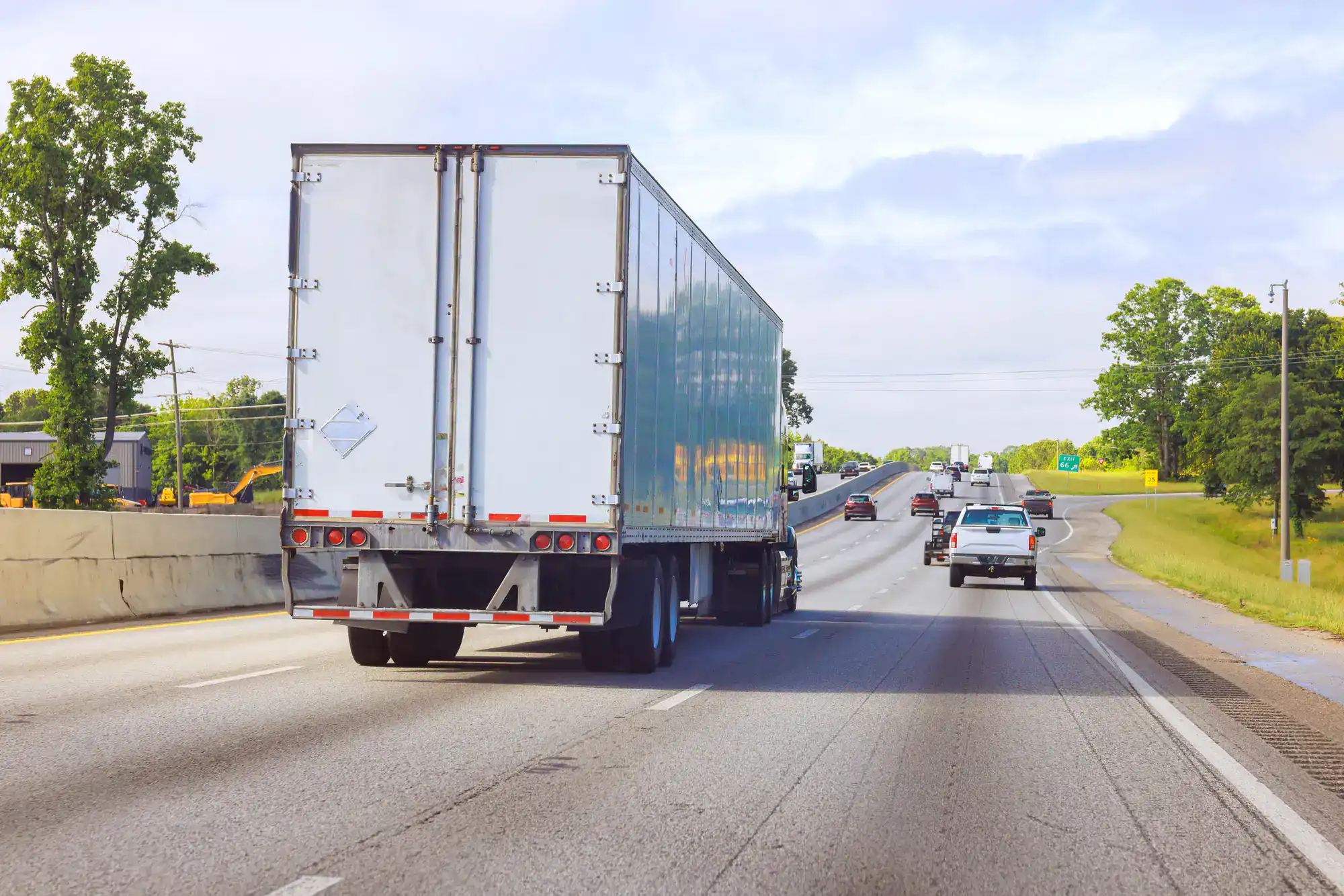
If your truck is model year 2013 or newer and has a GVWR over 14,000 pounds, yes it’s subject to California’s Clean Truck Check program. This applies whether you’re based in Arcadia, running routes through the San Gabriel Valley, or traveling the I-210 corridor from the Inland Empire into Los Angeles. The program is enforced statewide, and operating on California public roads is what triggers the requirement not where your truck is registered or where your business is headquartered.
One thing that surprises a lot of operators: out-of-state registration doesn’t exempt you. If your truck enters California for freight runs, you’re required to enroll in CARB’s CTC-VIS system and maintain a passing compliance test on the schedule CARB sets. The current testing frequency is twice per year, with quarterly testing for most vehicles taking effect by October 2027. If you’re unsure whether your specific truck qualifies, the two factors to check are model year and GVWR both need to meet the threshold for the requirement to apply.
Missing your Clean Truck Check deadline triggers a chain of consequences that move fast. The first thing most owners notice is a DMV registration hold your truck can’t be registered or renewed until compliance is restored. That alone can take a truck off the road. But the financial exposure goes further: CARB can issue fines of up to $10,000 per vehicle per day for non-compliance, and enforcement activity is active in high-traffic regions like Los Angeles County.
Beyond the fines and registration issues, non-compliant trucks are denied access to the Port of Los Angeles and Port of Long Beach two of the busiest freight hubs in the country and a critical part of the supply chain for operators running routes through the San Gabriel Valley and Arcadia. Freight brokers and logistics companies increasingly require proof of compliance before assigning loads. If you’ve received a Notice to Submit to Testing from CARB, that letter starts a 30-calendar-day clock. Waiting until the last week creates real risk, especially if your truck needs any repairs before it can pass the OBD scan.
They’re completely different programs. A standard smog check the kind you get for a passenger car or light truck at a licensed smog station uses tailpipe emissions testing and visual inspection methods designed for lighter vehicles. The Clean Truck Check is an OBD-based program specifically built for heavy-duty vehicles that are model year 2013 or newer with a GVWR over 14,000 pounds. These trucks have onboard diagnostic systems sophisticated enough to monitor their own emissions performance in real time, and CARB’s program reads that data directly.
The equipment required is different, the credentials required are different, and the submission process is different. Results have to be submitted electronically to CARB’s CTC-VIS system using CARB-certified OBD testing devices not the generic scanners used in a typical smog shop. This is why it matters who performs your test. A shop that primarily handles passenger car smog checks and added Clean Truck Check as a secondary service is working with a different core competency than a provider whose operation is built entirely around heavy-duty OBD compliance testing.
Yes, a truck can fail the OBD scan if its onboard diagnostic system reports active fault codes or emissions-related issues that exceed CARB’s thresholds. The most common causes are problems with the diesel particulate filter (DPF), diesel oxidation catalyst (DOC), selective catalytic reduction (SCR) system, or the EGR system. If any of these components are malfunctioning or have been tampered with, the truck’s own computer will flag it and the OBD scan will capture that.
For trucks operating in Arcadia and the broader San Gabriel Valley, the dry summer heat can put additional stress on emissions control components. High temperatures accelerate wear on DPFs and DOCs, and a check engine light that’s been ignored can become a failed compliance test. If your truck fails, you’ll receive a clear readout of the fault codes so you know exactly what needs to be repaired. Once the repairs are made and the codes are cleared, the truck can be retested. The key is not to wait until you’re already under a deadline if your truck has a warning light on, address it before your compliance window closes.
As of 2025, most vehicles subject to the Clean Truck Check program are required to test twice per year semi-annually. That schedule is already in effect, which means if you haven’t tested in the past six months, you may already be out of compliance. CARB’s enforcement calendar doesn’t wait for owners to catch up.
The frequency is increasing. By October 2027, the majority of vehicles in the program will move to quarterly testing four times per year. For an owner-operator in Arcadia running one or two trucks, that’s a manageable schedule if you plan for it. For a fleet manager handling ten or more vehicles, it becomes a significant logistical and administrative commitment. Building a relationship with a credentialed tester now before the quarterly schedule kicks in means you’re not scrambling to find available appointments when the frequency doubles. It also means your compliance calendar stays managed as a routine part of your operation, not as a recurring emergency.
Yes, and this is one of the most common points of confusion for truck owners going through the Clean Truck Check process for the first time. CARB charges an annual compliance fee of $31.18 per vehicle, paid directly to CARB through the CTC-VIS portal. That fee is completely separate from what you pay the testing provider for performing the OBD scan. The two charges come from two different sources and cover two different things.
The CARB fee covers your vehicle’s enrollment and annual compliance status in the CTC-VIS system. The testing fee covers the actual OBD scan, the CARB-certified equipment used to perform it, and the direct electronic submission of your results to CARB’s database. When you book with us, we walk you through both so there are no surprises. A lot of first-time participants in the program feel blindsided when the portal asks for the $31.18 after they’ve already paid for a test it’s not a hidden charge, but it’s also not something most testers explain upfront. We do, because it’s your money and you should know where it’s going.
Useful Links
Other Services we provide in Arcadia