
Check Out Our Reviews!
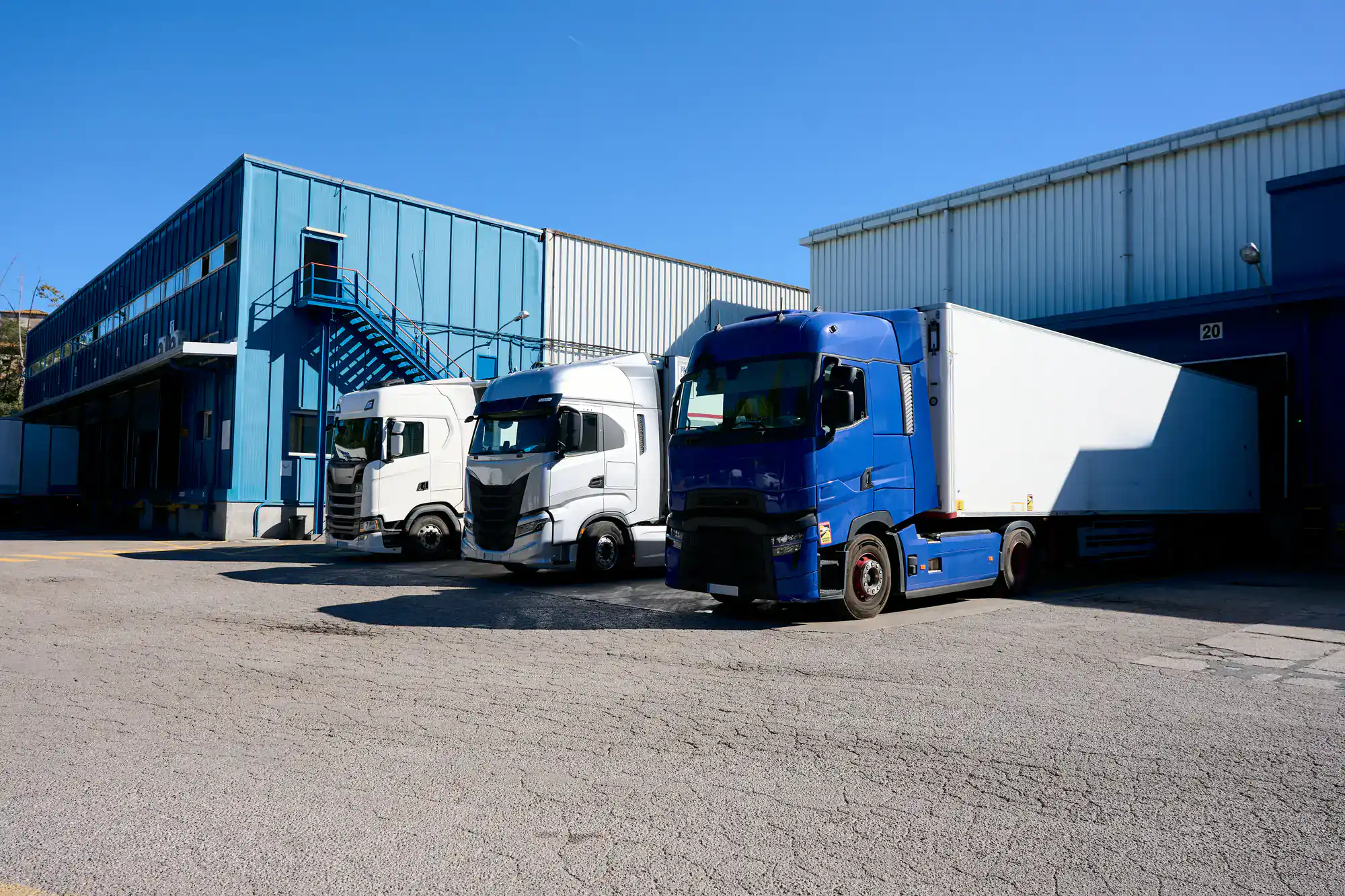
Corona sits at one of the busiest freight intersections in California I-15 and SR-91 and CARB knows it. Roadside emissions monitoring devices are deployed along both corridors, scanning trucks without ever pulling them over. If your truck flags as a potential high emitter, you’ll get a Notice to Submit to Testing with a 30-day hard deadline. Miss it, and you’re looking at DMV registration holds, fines up to $10,000 per vehicle per day, and denied entry at the Port of Long Beach which a lot of Corona-based operators reach daily via the 91 west.
The Inland Empire isn’t just a busy freight zone it’s one of the most air quality-impacted regions in the country. Riverside County ranked second in the nation for ozone pollution in 2021, and the mountains surrounding Corona trap diesel exhaust from the very corridors your truck runs. That’s exactly why CARB’s enforcement here is more aggressive than almost anywhere else in the state. Staying compliant isn’t just about avoiding fines it’s about keeping your truck on the road, your loads moving, and your business intact.
When you work with us, your results are submitted directly and electronically to CARB’s CTC-VIS database the same day. You don’t log into any portal, you don’t upload anything, and you don’t wonder if the submission went through. The test gets done, the record gets updated, and you get back to work.
We aren’t a general smog shop that added heavy-duty testing as a side service. Every test we perform is on an OBD-equipped diesel truck model year 2013 or newer, GVWR over 14,000 pounds which is the exact vehicle population California’s Clean Truck Check program covers. That’s the only thing we do, and it shows in how we do it.
Our testers hold a state-issued CARB credential, earned through CARB’s official HD I/M Tester Training Course, a proctored exam, and biennial renewal. That credential is publicly listed on CARB’s own database you can look it up before you ever call us. In a market where uncredentialed operators have been offering “CARB testing” since enforcement launched, that verification matters.
We’re based in Riverside County and serve Corona directly including operators running out of the industrial corridors along I-15, the distribution yards near the SR-91 interchange, and the growing Temescal Valley corridor to the south. This isn’t a secondary territory for us. It’s where we work every day.

The first thing to know is that this process is not the same as a standard passenger-car smog check. Clean Truck Check uses a CARB-certified OBD testing device that connects directly to your truck’s onboard diagnostic system. It’s a different class of equipment, a different database, and a different credential than what a regular smog station uses. If someone without a CARB HD I/M credential performs your test, the result won’t be accepted period.
When you contact us, we’ll confirm your truck qualifies 2013 or newer, diesel, GVWR over 14,000 lbs and get you scheduled. We serve Corona and surrounding Riverside County, so we’re familiar with the yards, routes, and timing that matter to operators working this region. Once we’re on-site, the OBD scan is straightforward and efficient. We connect, run the test, and capture the data.
From there, we submit your results directly to CARB’s CTC-VIS portal. You get confirmation that your compliance record has been updated, and you’re done. No paperwork chase, no portal confusion, no second guessing. For fleet managers in Corona overseeing multiple trucks with staggered deadlines especially as testing moves from semi-annual to quarterly by October 2027 that direct submission process is what keeps compliance manageable instead of chaotic.

Ready to get started?
California’s Clean Truck Check applies to diesel trucks that are model year 2013 or newer and have a gross vehicle weight rating over 14,000 pounds. If your truck meets both of those criteria and operates on California public roads including I-15 and SR-91 through Corona it’s subject to this requirement regardless of where it’s registered. That includes out-of-state operators from Nevada, Arizona, or Texas running loads through the Inland Empire on I-15. California doesn’t exempt you based on your registration state.
Every test we perform includes the OBD scan using CARB-certified equipment, direct electronic submission to CARB’s CTC-VIS database, and your compliance certificate. There’s no add-on for the submission, no separate portal fee, and no ambiguity about what you’re paying for. Pricing for Clean Truck Check testing in the Riverside County market typically runs between $95 and $150 per vehicle for mobile service and we’ll give you a clear number before we schedule anything.
For fleet operators managing multiple trucks out of Corona’s industrial north near the distribution facilities along I-15 or in the Latitude Business Park corridor we can coordinate multi-vehicle visits to minimize downtime. With semi-annual testing already in effect and quarterly testing coming in 2027, having a consistent, credentialed tester who knows your fleet isn’t a luxury. It’s how you stay ahead of the schedule instead of reacting to it.
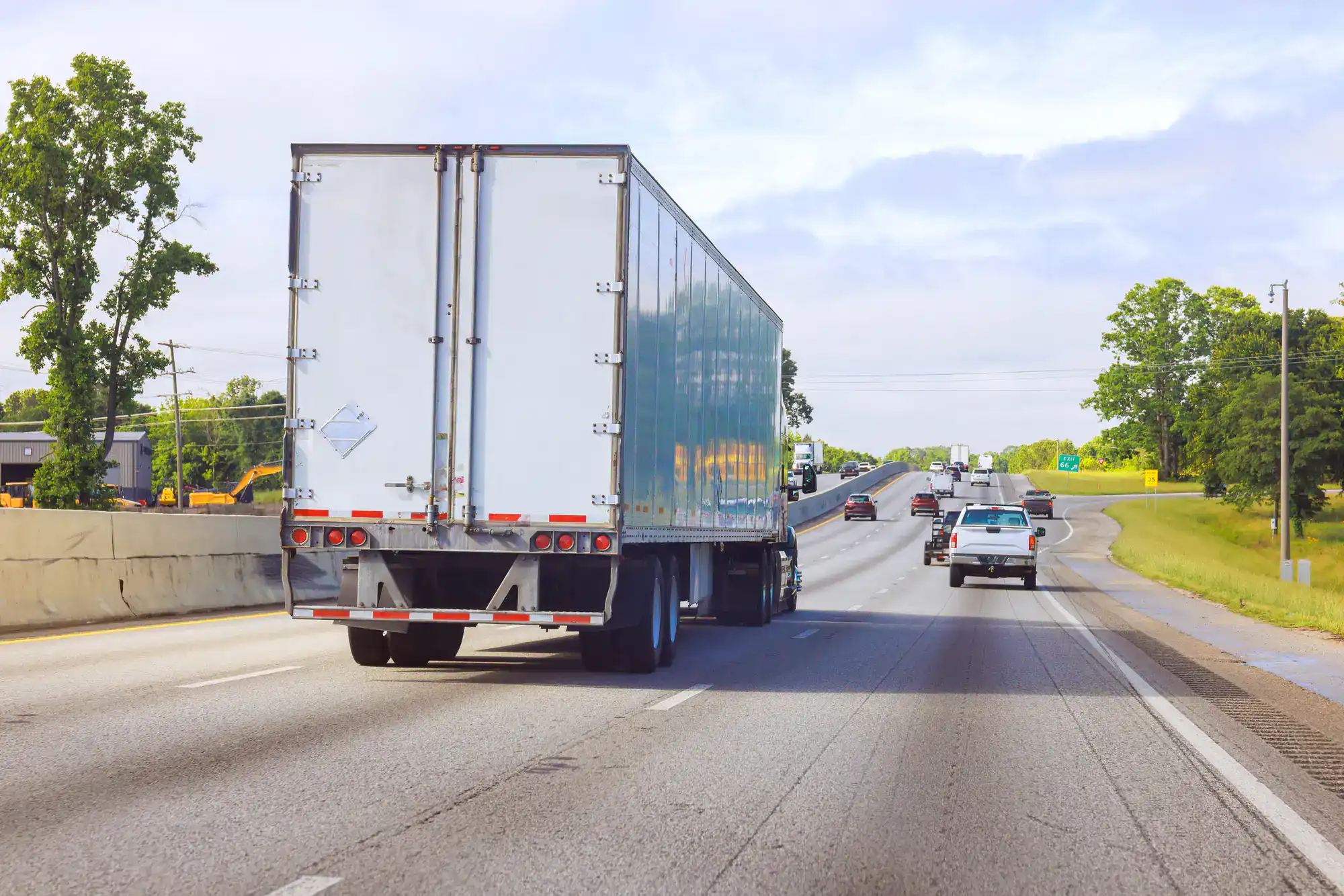
Yes California’s Clean Truck Check applies to any qualifying diesel truck operating on California public roads, regardless of where the truck is registered. If you’re a Nevada, Arizona, or Texas operator running loads through Corona on I-15, you are subject to this requirement. CARB’s roadside emissions monitoring devices don’t check your registration state they scan emissions. If your truck flags as a potential high emitter on I-15, you’ll receive a Notice to Submit to Testing just like any California-registered truck would.
Corona is the first major city trucks encounter after coming down from the Cajon Pass on I-15, which makes it a natural compliance checkpoint for interstate operators. If you received an NST and you’re not sure what it means or what to do next, we can walk you through the process, confirm your truck qualifies, and get the test scheduled and submitted to CARB within your 30-day window.
Missing your Clean Truck Check deadline triggers a cascade of consequences that compound quickly. First, CARB reports the non-compliance to the DMV, which places an automatic registration hold on your vehicle. A truck with a registration hold cannot legally operate on California roads which means lost revenue for every day it sits. On top of that, CARB can assess civil penalties of up to $10,000 per vehicle per day of non-compliance. For a small fleet, that exposure adds up fast.
For Corona-based operators running drayage routes to the Port of Long Beach via SR-91 west, there’s an additional layer: port facilities require a valid CARB compliance certificate for entry. A lapsed certificate means a denied entry, which means a missed load and a very unhappy freight broker. The fastest way to resolve a compliance gap is to get a passing test done by a CARB credentialed tester and have the results submitted directly to CTC-VIS which is exactly what we do.
They’re completely different programs. A standard smog check is for passenger cars and lighter vehicles, uses tailpipe emissions testing or basic OBD scans, and is administered through the BAR (Bureau of Automotive Repair) system. A Clean Truck Check is California’s heavy-duty inspection and maintenance program, administered by CARB, and uses a CARB-certified OBD testing device specifically designed for trucks with a GVWR over 14,000 pounds. The results go into a separate database CARB’s CTC-VIS and the tester must hold a state-issued CARB HD I/M credential, not a standard smog license.
This distinction matters because a lot of smog shops in the Corona area are not equipped or credentialed to perform a valid Clean Truck Check. If your regular smog station offers to test your semi truck, ask to see their CARB HD I/M credential and verify it on CARB’s public database before you agree to anything. A test performed with non-approved equipment or by an uncredentialed operator will not be accepted by CARB and you’ll have paid for nothing.
As of 2025, most trucks subject to California’s Clean Truck Check are required to be tested twice per year once every six months. That semi-annual cadence is already in effect, and it’s not optional. By October 2027, that frequency escalates to quarterly testing for the majority of covered vehicles, meaning four tests per year per truck. If you’re managing a fleet of even five trucks out of a Corona yard, you’re looking at 20 tests per year today and potentially 40 per year by 2027.
There’s also an annual compliance fee of $31.18 per vehicle (adjusted each year by the California CPI), which is separate from the tester’s service fee. That fee is paid directly to CARB and is required regardless of whether your truck passes or fails. The smartest thing a Corona fleet manager can do right now is establish a relationship with a credentialed tester who can handle the scheduling and direct submission so the compliance calendar doesn’t become a full-time job as the frequency increases.
Not unless they hold a state-issued CARB HD I/M tester credential. Being a licensed mechanic even a highly skilled diesel specialist does not authorize someone to perform a valid Clean Truck Check. The credential requires completing CARB’s official HD I/M Tester Training Course, passing a proctored exam, and renewing every two years. It also requires CARB-certified OBD testing equipment, which is not the same as a standard diagnostic scanner.
This is a common misconception in the owner-operator community, particularly among independent truckers and small fleet operators in the Inland Empire who have long-standing relationships with local diesel shops. Your mechanic may be excellent at what they do but if they’re not on CARB’s public list of credentialed HD I/M testers, any test they perform won’t be accepted by CARB. Before you book with anyone, look up their credential on CARB’s database. It’s publicly searchable and takes about 30 seconds to verify.
A Notice to Submit to Testing (NST) means CARB has flagged your truck as a potential high emitter most likely from a roadside emissions monitoring device scan along I-15 or SR-91, both of which run directly through Corona. The NST is not a warning. It is a hard deadline: you have 30 calendar days from the date on the notice to submit a passing emissions compliance test performed by a CARB credentialed tester. If you miss that window, you’re looking at registration holds and potential civil penalties.
The first step is to stop waiting and call a credentialed tester. We serve the Corona area and Riverside County, use CARB-certified OBD equipment, and submit results directly to CTC-VIS the same day the test is performed. If your truck passes, your compliance record is updated immediately and the NST is resolved. If there’s an underlying emissions issue, you’ll know exactly what it is so you can address it but you need to start that process now, not in two weeks. Thirty days goes fast when you’re running loads.
Useful Links
Other Services we provide in Corona