Check Out Our Reviews!

Lynwood sits right at the I-710 and I-105 interchange one of the most diesel-heavy freeway junctions in the entire country. If you’re running drayage loads between here and the Port of Long Beach, your truck’s compliance status isn’t just a paperwork issue. It’s the difference between getting a load and sitting in a yard with nowhere to go.
CARB deploys roadside emissions monitoring devices along major freight corridors, and the I-710 is exactly the kind of route where those devices are active. A truck that isn’t current on its Clean Truck Check can get flagged without ever being pulled over. From there, you’ve got 30 days to produce a passing test from a credentialed tester and that clock doesn’t stop for scheduling delays or equipment problems at the shop you chose.
When your test is done through us, your results go directly into CARB’s CTC-VIS database. No manual uploads. No portal navigation on your end. No waiting to find out if the submission went through. Your compliance certificate reflects in the system the same day, so you can get back on the road, back to the port, and back to earning.
We hold a CARB-issued credential for HD I/M testing earned by completing CARB’s official tester training, passing the required exam, and maintaining that credential on a two-year renewal cycle. Our credential is listed on CARB’s public database, which means you can look it up before you ever pick up the phone. In Lynwood’s drayage market, where non-credentialed testers have cost owner-operators real money and missed deadlines, that kind of transparency matters.
Our service is built specifically for the trucks CARB actually requires to be tested model year 2013 or newer, with a GVWR over 14,000 pounds. That’s not a side service added to a general shop. It’s our entire focus. Every piece of equipment we use is CARB-certified for OBD testing on heavy-duty vehicles, and every result we submit goes directly to CARB’s system not batched, not delayed, not handed off to a third party.
We serve Los Angeles County, including Lynwood and the surrounding South LA freight corridor along Alameda Street, Long Beach Boulevard, and the I-710 drayage route.

The Clean Truck Check is an OBD-based emissions test not a visual inspection, not a tailpipe sniff test. A CARB-certified testing device connects to your truck’s OBD port and reads the onboard diagnostic data directly from the vehicle’s computer. The process is straightforward, but the equipment and the credential behind it are what determine whether CARB accepts the result.
When you schedule with us, our tester connects the CARB-certified OBD device to your truck and runs the scan. If your truck passes, the result is submitted electronically to CARB’s CTC-VIS database immediately no delays, no manual uploads, no steps left for you to complete on the portal. Your compliance certificate is in the system the same day.
If your truck doesn’t pass, you’ll know exactly what the OBD data flagged. That gives you something concrete to take to your mechanic rather than a vague “check engine” situation. Once repairs are made, you can retest. For Lynwood-based owner-operators running on tight turnaround times especially those with loads waiting or a 30-day NST deadline counting down knowing the process is clean and fast matters as much as the test result itself. Semi-annual testing is already required in 2025, and quarterly testing kicks in for most trucks by October 2027, so this is a process you’ll be repeating. Might as well know exactly how it works.

Ready to get started?
This service applies to one specific vehicle population: model year 2013 or newer heavy-duty diesel, hybrid, or alternative-fuel vehicles with a GVWR over 14,000 pounds. If your truck falls into that category and operates on California public roads including routes through Lynwood, along the I-710 corridor, or into the Port of Long Beach it’s subject to CARB’s Clean Truck Check requirement. That applies whether your truck is registered in California or another state.
Every test we perform includes the OBD scan using CARB-certified equipment, real-time electronic submission to CARB’s CTC-VIS database, and same-day compliance certificate issuance upon a passing result. There’s no separate portal step on your end, no waiting on a submission confirmation, and no ambiguity about whether the result was accepted. What you get is a completed test, a submitted result, and a certificate that reflects in CARB’s system before the day is out.
For small fleet operators running trucks out of yards in the Lynwood, South Gate, or Compton industrial corridor, we offer multi-vehicle scheduling. If you’ve got more than one truck due for testing, it’s worth asking about getting them handled in the same window rather than making separate trips. With testing frequency increasing twice a year now, four times a year by 2027 building a reliable testing schedule is something every fleet manager in this area needs to think about sooner rather than later.
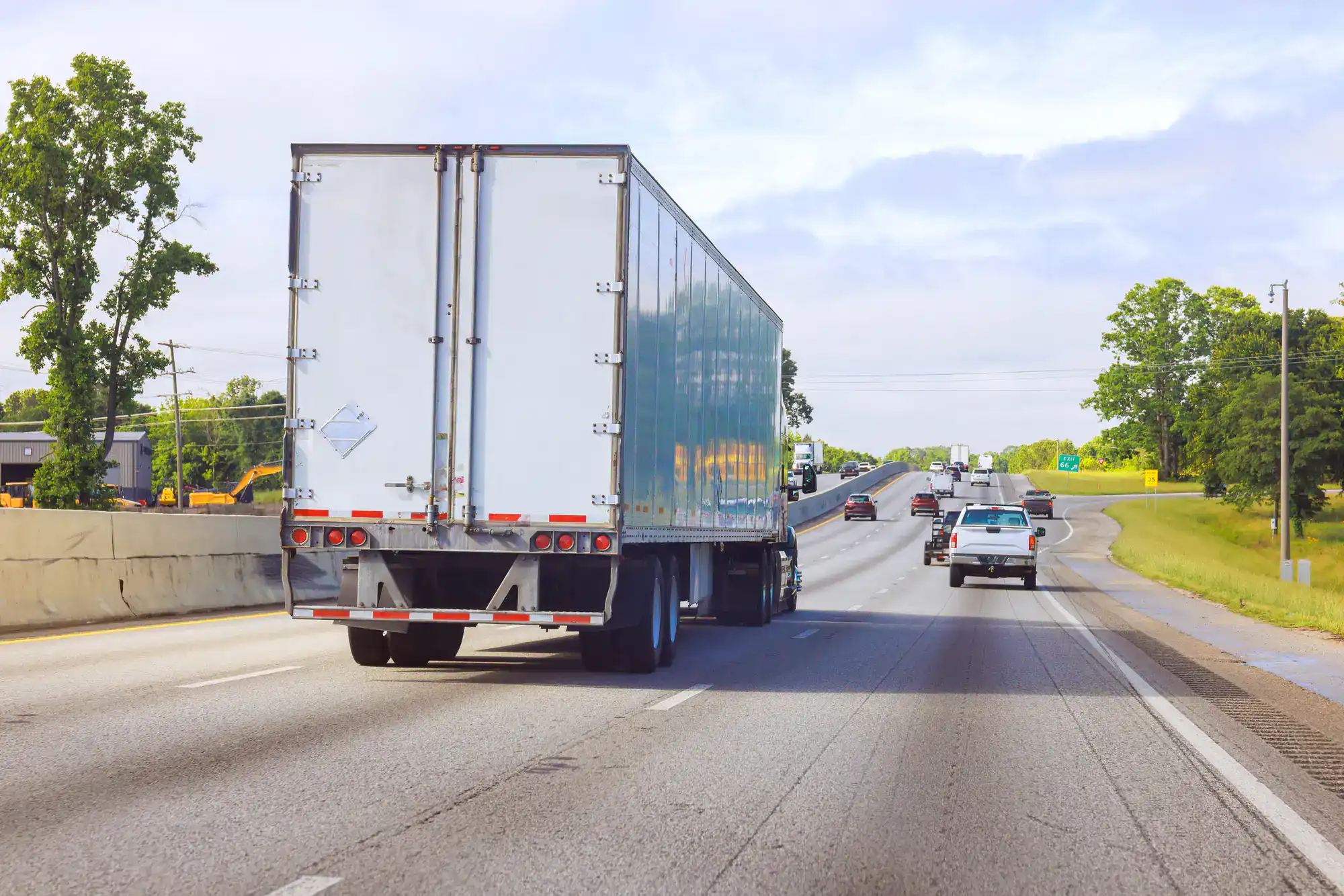
If your truck is model year 2013 or newer and has a GVWR over 14,000 pounds, it’s subject to California’s Clean Truck Check program any time it operates on a California public road and yes, that includes the I-710 through Lynwood. The requirement isn’t based on where your truck is registered or where your business is based. It’s based on where the truck operates.
This matters a lot for interstate carriers and owner-operators who are based outside California but run regular routes into the LA Basin, through the Port of Long Beach, or along the I-710 drayage corridor. CARB’s roadside emissions monitoring devices are active along major freight routes, and the I-710 is one of the most monitored corridors in the state. If your truck gets flagged and you receive a Notice to Submit to Testing, you have 30 calendar days to produce a passing result from a CARB-credentialed tester. We serve Los Angeles County and can get your truck tested and submitted to CARB’s database the same day.
A failed test doesn’t mean your truck is permanently grounded, but it does mean you need to act quickly especially if you’re already working against a DMV registration hold or a 30-day NST deadline. When the OBD scan flags a problem, you’ll receive specific diagnostic data about what the truck’s computer reported. That’s useful information. It gives your mechanic something concrete to address rather than a vague warning light situation.
Once repairs are completed, you can retest. The key is not letting time run out between the failed test and the retest. If you’re a Lynwood-based drayage operator with loads waiting or a port access issue, every day matters. We submit results directly to CARB’s CTC-VIS database, so when your truck does pass, the compliance certificate is in the system the same day not pending, not in a queue, not waiting on a manual upload from someone’s end.
As of 2025, most trucks subject to California’s Clean Truck Check program are required to test twice per year semi-annually. That schedule is already in effect, so if you haven’t completed both of your 2025 tests, you may already be out of compliance. By October 2027, the frequency increases to quarterly testing for most vehicles, meaning four tests per year.
For owner-operators and small fleet managers in Lynwood running trucks on the I-710 corridor or into the Port of Long Beach, this escalating schedule means CARB compliance is becoming a recurring operational requirement, not a one-time task. Building a relationship with a credentialed tester you can call on a predictable schedule rather than scrambling every time a deadline hits is the practical move. We serve the Lynwood area and can work with you on scheduling around your routes and registration cycle so testing doesn’t catch you off guard.
A DMV registration hold tied to CARB non-compliance means your truck can’t legally operate until the compliance issue is resolved. The path to clearing it starts with getting a passing Clean Truck Check result from a CARB-credentialed tester and that result needs to be submitted to CARB’s CTC-VIS database before DMV can update the registration status.
We perform the OBD scan using CARB-certified equipment and submit results directly to CARB’s database the same day. Once your passing result is in the system, you can begin the process of clearing the hold with DMV. The faster you move on scheduling the test, the faster you get your truck back in service. For Lynwood owner-operators who depend on their truck for daily income whether that’s running freight on the I-710, making deliveries along Long Beach Boulevard, or hauling into the industrial corridor near South Gate every day the truck sits is a day of lost revenue. Don’t wait on this one.
Yes California’s Clean Truck Check program applies to any heavy-duty vehicle with a GVWR over 14,000 pounds that operates on California public roads, regardless of where the truck is registered. If you’re based in another state but run regular routes into Southern California through Lynwood, into the Port of Long Beach, or along the I-710 and I-105 corridors your truck is subject to the same compliance requirements as a California-registered vehicle.
This is one of the most common points of confusion for interstate carriers, and it’s also one of the most common reasons out-of-state trucks get flagged by CARB’s roadside monitoring devices. The monitoring equipment doesn’t distinguish between California plates and out-of-state plates it reads emissions data. If your truck isn’t in CARB’s compliance system, you’re at risk of receiving a Notice to Submit to Testing with a 30-day deadline. We can walk you through what’s required, perform the OBD test, and submit your results to CARB’s database the same day so your compliance status is current before your next California run.
Testing costs in the Southern California market typically range from $95 to $150 per vehicle, depending on the provider. That’s separate from CARB’s annual compliance fee of $31.18 per vehicle, which you pay directly to the state. When you’re comparing providers, price is worth looking at but it’s not the only number that matters.
A non-credentialed tester charging $70 who submits results incorrectly, uses non-certified equipment, or causes a delay in your compliance certificate can cost you far more than the $30 you saved. For Lynwood-based owner-operators running drayage routes where a lapsed compliance certificate means no port access and no load, the real cost of a bad test is a day or more of lost income which can easily run several hundred dollars or more depending on your rate. We use CARB-certified OBD equipment, hold a state-issued tester credential you can verify on CARB’s public database, and submit results directly to CARB’s system the same day. The credential is verifiable. The equipment meets CARB’s standard. The submission is immediate. That’s what you’re paying for.
Useful Links
Other Services we provide in Lynwood