Check Out Our Reviews!

A parked truck is a money problem. If your registration gets held because your Clean Truck Check window closed without a passing result on file, you’re not just dealing with paperwork you’re losing load opportunities on one of the most active freight corridors in Southern California. The I-210 through Azusa moves goods from the ports to the rest of the region, and fleet operators and owner-operators running that route can’t afford downtime over a compliance gap.
Azusa sits at the base of the San Gabriel Mountains, and that geography matters more than most people realize. The mountains trap diesel exhaust and particulate matter in the valley which is exactly why the South Coast AQMD runs an air quality monitoring station right here in the city, on N. Loren Avenue. CARB’s Clean Truck Check program exists because of air basins like this one, and enforcement in this corridor is real and local. When your compliance is current and on file in CTC-VIS, you’re not sweating roadside monitoring on the I-210 or scrambling when a freight broker asks for your certificate.
For operators working the Azusa Avenue corridor down into the City of Industry, or running loads west toward Pasadena and Monrovia, a current CARB compliance certificate is what keeps the wheels turning. It’s not a bureaucratic checkbox it’s what separates trucks that work from trucks that sit.
We are a CARB-credentialed Clean Truck Check testing provider serving Los Angeles County, including the San Gabriel Valley and Azusa. Every tester on our team holds a state-issued HD I/M credential the kind you can look up yourself on CARB’s public database before you ever call us. That’s not a marketing claim. It’s a verifiable fact.
The equipment matters too. We use CARB-certified OBD testing devices not generic diagnostic scanners. A test performed with non-certified equipment won’t be accepted by CARB, which means you’d be starting over. That’s a problem nobody running loads between Azusa and the City of Industry has time for.
Every test result is submitted electronically and directly to CARB’s CTC-VIS database at the time of testing. You don’t need to log in, upload anything, or follow up to confirm the submission went through. When the test is done, it’s done and your compliance record reflects it.

The process starts with scheduling. You call or book online, give us your vehicle information year, make, GVWR, and VIN and we confirm the appointment. We only test model year 2013 or newer heavy-duty vehicles with a GVWR over 14,000 pounds, so if your truck fits that profile, you’re in the right place. If it doesn’t, we’ll tell you upfront rather than waste your time.
On the day of testing, a CARB-credentialed tester uses certified OBD scanning equipment to pull your truck’s onboard diagnostic data. This is not the same as a standard smog check the Clean Truck Check program requires specific equipment and a credentialed tester authorized to submit results to CARB’s CTC-VIS system. For operators staging trucks near Arrow Highway, along Azusa Avenue, or at facilities near the City of Industry boundary, we work around your operational schedule because pulling a truck off a route mid-day has real costs.
Once the scan is complete, results are submitted directly to CTC-VIS on the spot. If your truck passes, your compliance record is updated immediately. If it doesn’t, you’ll know exactly what the issue is and have time to address it before your deadline closes. Either way, you leave with a clear picture of where you stand not a vague promise that someone will follow up later.

Ready to get started?
California’s Clean Truck Check program established under Senate Bill 210 and fully enforced starting in 2025 requires semi-annual OBD testing for heavy-duty diesel vehicles that are model year 2013 or newer with a GVWR over 14,000 pounds. That’s the only population we test. No lighter vehicles, no older trucks just the specific fleet subject to this requirement.
Testing frequency is already set at twice per year, with a scheduled increase to four times per year by October 2027. For a fleet operator running even five trucks out of the Azusa and City of Industry corridor, that’s twenty compliance tests per year within two years. The annual CARB compliance fee is $31.18 per vehicle separate from the testing fee and non-compliance fines can reach $10,000 per vehicle per day. That math makes the cost of a proper test look very different.
One thing worth knowing: if you receive a Notice to Submit to Testing from CARB, you have exactly 30 calendar days to produce a passing result submitted by a credentialed tester. CARB deploys roadside emissions monitoring devices along active freight corridors and the I-210 through the San Gabriel Valley is exactly the kind of high-volume route where trucks get flagged. Out-of-state trucks operating on California roads are not exempt. If your 2013-or-newer heavy-duty truck is on California public roads, it’s subject to Clean Truck Check regardless of where it’s registered.
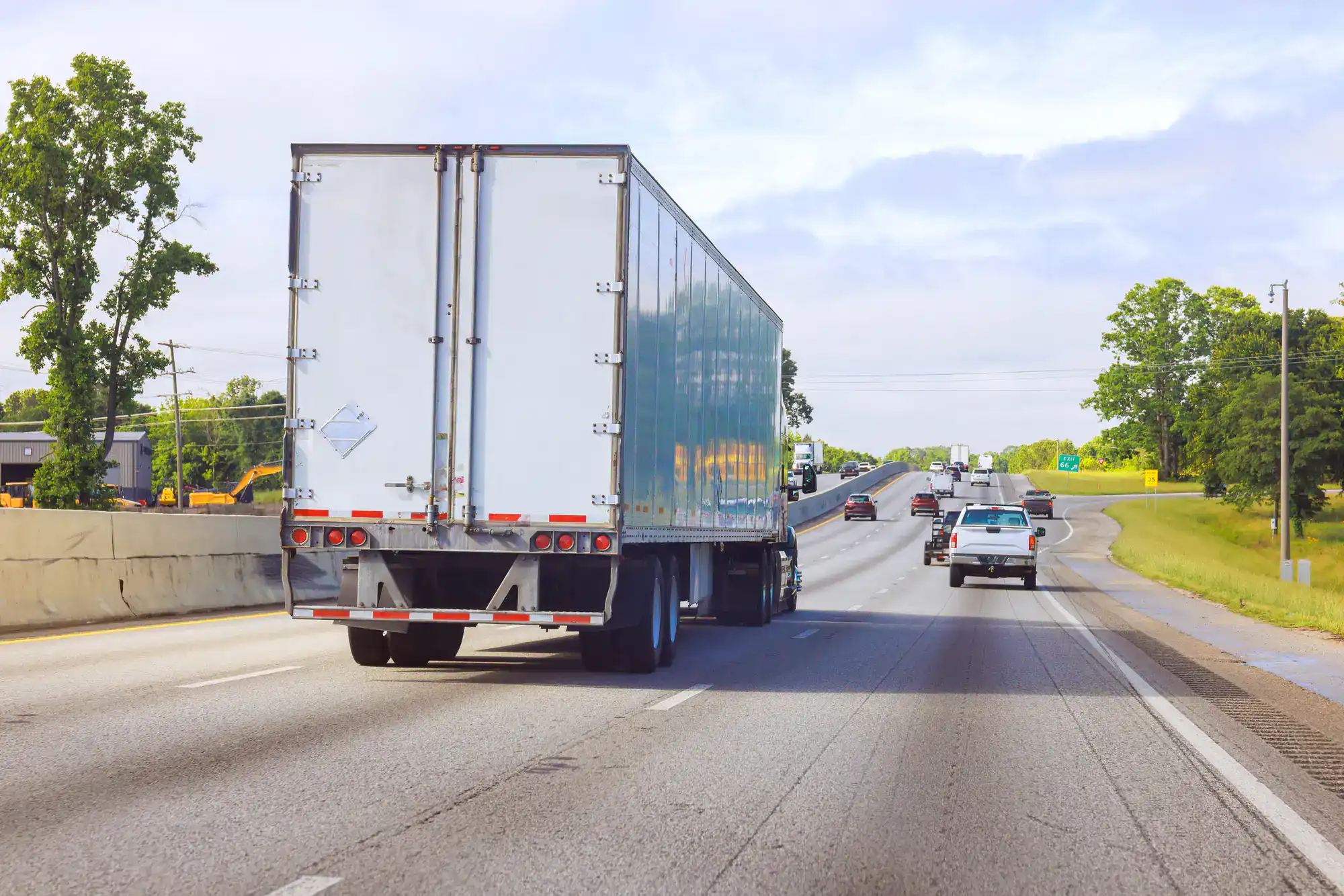
If your truck is model year 2013 or newer and has a GVWR over 14,000 pounds, yes it’s subject to California’s Clean Truck Check program regardless of where in the state it’s based. Azusa is in Los Angeles County, which falls under South Coast AQMD jurisdiction, one of the most actively monitored air quality regions in the country. The SCAQMD operates an air quality monitoring station right here in Azusa, and the San Gabriel Mountains that back the city trap diesel pollutants in the valley which is a big part of why enforcement in this corridor is taken seriously.
Being based in Azusa doesn’t create any special exemption, and neither does being registered out of state. If your truck operates on California public roads, it needs to be in CARB’s CTC-VIS system with a current, passing compliance test on file. The testing window is semi-annual in 2025, with quarterly testing scheduled to begin by October 2027.
They’re completely separate programs, and one does not satisfy the other. A standard smog check is a California DMV program that applies to passenger cars and light-duty vehicles. The CARB Clean Truck Check is a heavy-duty inspection and maintenance program established under Senate Bill 210, specifically targeting diesel trucks that are model year 2013 or newer with a GVWR over 14,000 pounds. The testing equipment, the credentialing requirements, and the submission process are all different.
For a truck operator in Azusa running loads on the I-210 or working the Azusa Avenue corridor, bringing your semi to a standard smog station won’t generate a result that CARB recognizes. You need a tester who holds a state-issued HD I/M credential, uses CARB-certified OBD equipment, and submits results directly to the CTC-VIS database. That’s what we do and it’s the only kind of test that satisfies the Clean Truck Check requirement.
A failed test doesn’t automatically trigger fines the enforcement clock is tied to your compliance deadline, not the test result itself. What matters is that you have a passing result submitted to CTC-VIS before your window closes. If your truck fails, you’ll know exactly what the OBD system flagged, which gives you the information you need to get repairs done and retest before the deadline.
The key is not waiting until the last minute. If you receive a Notice to Submit to Testing from CARB, you have 30 calendar days from the date of that notice. If your truck fails on day 25, you have very little runway to get repairs done and schedule a retest. For Azusa operators running active routes on the I-210 or hauling through the City of Industry, building in lead time is the difference between a manageable repair situation and a registration hold that parks your truck. We give you the test result and the clarity to act what you do with that information is up to you.
Yes, without exception. CARB’s Clean Truck Check requirement applies to any heavy-duty vehicle operating on California public roads including the I-210 Foothill Freeway through Azusa regardless of where the truck is registered. If your truck is model year 2013 or newer and over 14,000 lbs GVWR, and it’s running loads through California, it needs to be in the CTC-VIS system with a current passing test on file.
This catches a lot of interstate carriers off guard, particularly those running regular freight between the Inland Empire and the Los Angeles Basin through the San Gabriel Valley corridor. CARB deploys roadside emissions monitoring devices along active freight routes, and the I-210 is one of the primary goods-movement corridors in Southern California. Being registered in Arizona, Nevada, or Texas doesn’t create an exemption it just means you may not have received the same notifications that California-registered operators receive. We can test your truck and submit results to CARB whether your rig is California-registered or not.
In 2025, most heavy-duty vehicles subject to the Clean Truck Check program are required to test twice per year semi-annually. That frequency is scheduled to increase to four times per year by October 2027. So if you’re planning your operations around the current two-test schedule, that window is closing.
For fleet operators working out of the Azusa and City of Industry corridor, the escalating schedule has real operational implications. A fleet of ten trucks currently needs twenty compliance tests per year within two years. That’s not a one-time compliance task it’s an ongoing operational requirement that needs a reliable testing provider built into your workflow, not someone you scramble to find when a deadline catches up with you. The annual CARB compliance fee is $31.18 per vehicle, separate from the testing service fee, and non-compliance fines can reach $10,000 per vehicle per day. The math on staying current is straightforward.
Yes. We serve Los Angeles County, including the Azusa area and the surrounding San Gabriel Valley freight corridor. Azusa Avenue runs directly south from the I-210 into the City of Industry one of the most concentrated warehousing and distribution hubs in Southern California and the operators working that corridor are exactly who this service is built for. Whether your trucks are staged near Arrow Highway, along Azusa Avenue, or at a facility closer to the Foothill Boulevard commercial strip, scheduling is built around your operation, not the other way around.
If you manage a fleet with multiple trucks, reach out directly to discuss scheduling. Getting several trucks tested efficiently without pulling your entire fleet off route on the same day is something worth talking through before you book. We use CARB-certified equipment and submit results directly to CTC-VIS on-site, so there’s no lag between when the test happens and when your compliance record reflects it.
Useful Links
Other Services we provide in Azusa