Check Out Our Reviews!

When your compliance is current, your truck runs. That sounds simple, but for owner-operators and small fleet managers in French Valley, a DMV registration hold doesn’t just create paperwork it pulls your vehicle off the I-15 corridor entirely. No loads. No revenue. No timeline for getting it back until the test is done and submitted correctly.
French Valley sits at the center of one of the busiest freight corridors in Southern California. Trucks running between the Inland Empire warehouses, San Diego, and the surrounding region pass through this area constantly. Freight brokers operating in that corridor are checking compliance status before awarding work. If your CTC-VIS record shows a gap, you may not get the load and that’s a consequence that shows up long before CARB ever sends an enforcement notice.
The Clean Truck Check program also isn’t slowing down. Semi-annual testing is already in effect for 2025, and scheduling mobile truck emissions testing can help operators stay compliant without unnecessary downtime. By October 2027, most trucks will be required to test quarterly. If you’ve recently relocated to French Valley from out of state and a lot of people have, given how fast this community has grown your 2013 or newer diesel truck is subject to California’s requirements the moment it operates on a California road, regardless of where it’s registered. Getting ahead of that now is a lot easier than dealing with a Notice to Submit to Testing after the fact.
We are not a general smog shop that added a new service line. CARB compliance testing for model year 2013 or newer heavy-duty diesel vehicles with a GVWR over 14,000 pounds is all we do. That focus exists because the Clean Truck Check program is specific, the equipment requirements are specific, and the consequences of getting it wrong are serious.
Our testers hold CARB’s official HD I/M Tester credential issued after completing CARB’s Tester Training Course and passing the required exam. That credential is listed on CARB’s public database, and you can verify it before you ever call us. We use only CARB-certified OBD testing equipment, and every passing result is submitted electronically to the CTC-VIS system on the spot.
We serve Riverside County, which means French Valley, Winchester, Murrieta, Temecula, and the broader Southwest Riverside County corridor are all areas we know well. If your truck is running Highway 79 or the I-15, you’re in our service area.

The first step is confirming your truck qualifies. The Clean Truck Check program applies specifically to diesel-powered heavy-duty vehicles that are model year 2013 or newer and have a GVWR over 14,000 pounds. If that describes your truck, you’re in the right place. If it doesn’t, we’ll tell you that upfront so you’re not wasting a trip.
Once you’re scheduled, the test itself is an OBD scan your truck’s onboard diagnostic system is read using CARB-certified equipment to check emissions-related fault codes and confirm the system is functioning within California’s standards. This is not a visual inspection or a tailpipe test. It reads directly from the truck’s computer, which is why the equipment certification matters. A scan performed with non-approved equipment produces a result that CARB will not accept, regardless of how the truck performs.
After a passing result, we submit directly to CARB’s CTC-VIS database electronically. You don’t log in, you don’t upload anything, and you don’t need to follow up to confirm it went through. For French Valley operators juggling routes along the I-15 or managing a small fleet out of Southwest Riverside County, that’s one less administrative task on your plate. Your compliance record is updated, your registration stays clean, and you’re back on the road.

Ready to get started?
Every Clean Truck Check we perform includes the full OBD diagnostic scan using CARB-certified equipment, real-time electronic submission to the CTC-VIS database, and confirmation that your compliance record has been updated. There’s no manual paperwork handoff, no portal confusion, and no ambiguity about whether your result was received.
The CARB annual compliance fee currently $31.18 per vehicle for 2025 is a separate state-collected fee paid directly to CARB. That’s not our charge, and we’ll be clear about what’s ours and what’s theirs before you commit to anything.
For French Valley operators managing multiple trucks, we can work through your fleet systematically to keep every vehicle’s compliance window current. With semi-annual testing already required and quarterly testing coming by October 2027, having a consistent process in place matters more than it did even two years ago. Riverside County sits within the South Coast Air Basin, where CARB and SCAQMD enforcement activity is active and ongoing this isn’t a regulatory program that’s going away or getting lighter. If you’ve received a Notice to Submit to Testing, you have 30 calendar days to submit a passing result. We can get you scheduled quickly and make sure that window doesn’t close on you.
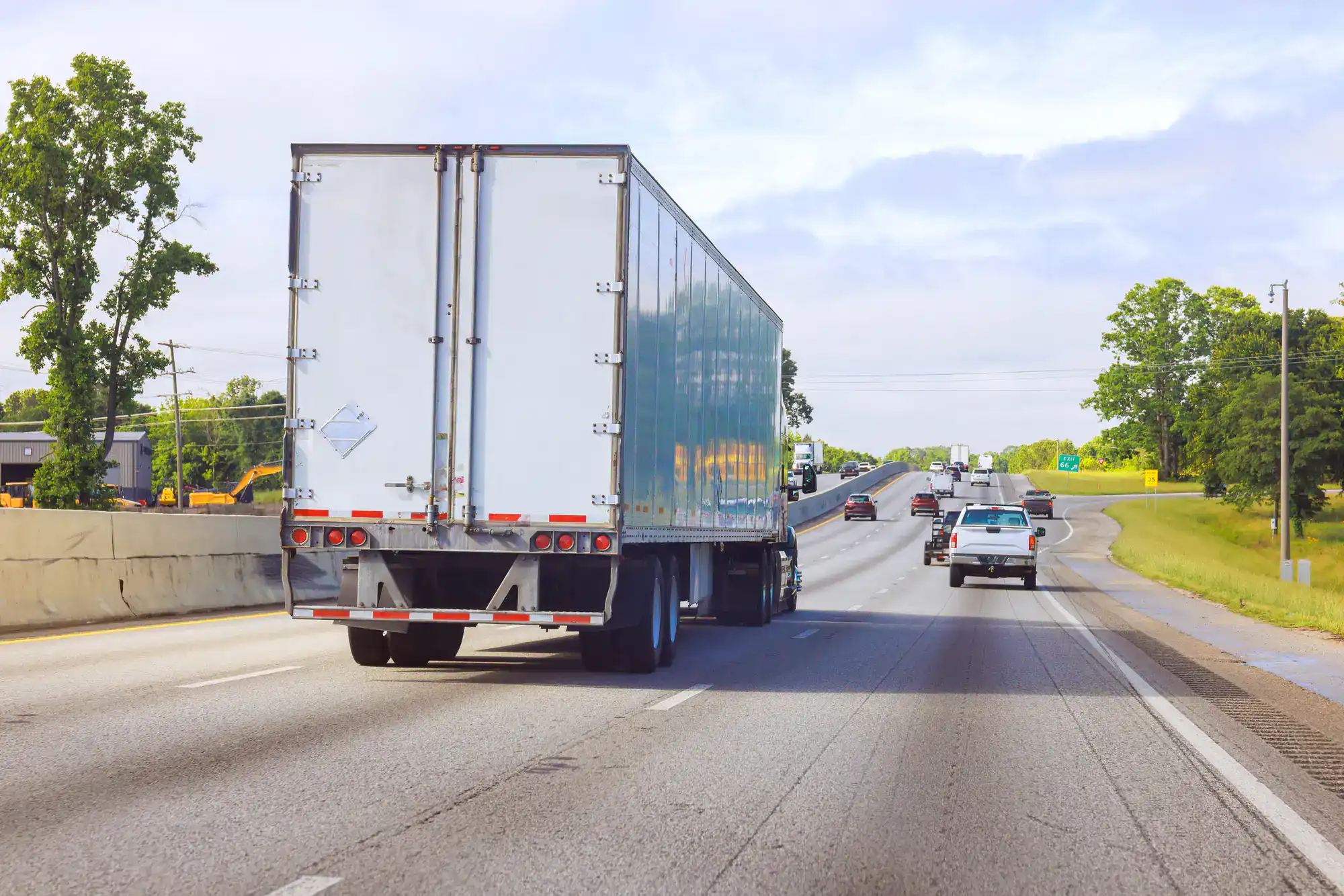
If your truck is a model year 2013 or newer diesel-powered heavy-duty vehicle with a GVWR over 14,000 pounds, yes it’s subject to California’s Clean Truck Check program. This applies to trucks operating on California public roads, which means it doesn’t matter where the vehicle is registered. A significant number of people have relocated to French Valley in recent years from other states, and trucks that were perfectly compliant in Texas, Arizona, or Nevada become subject to California’s requirements the moment they’re operating here. The compliance obligation is tied to the vehicle and its operation in California, not to a California registration address. If you’ve recently moved to the French Valley area and you’re running a qualifying truck, the time to get ahead of this is before CARB flags your vehicle through roadside emissions monitoring not after you receive a Notice to Submit to Testing with a 30-day deadline attached.
Missing your compliance deadline triggers an automatic DMV registration hold. That’s not a warning letter it’s a hard block on your registration renewal until a passing test result is submitted to the CTC-VIS database. For a truck running loads along the I-15 corridor out of Southwest Riverside County, that means your vehicle is grounded until the issue is resolved. Beyond the registration hold, CARB can assess fines of up to $10,000 per vehicle per day for non-compliance. That number isn’t hypothetical it’s the published enforcement figure. For an owner-operator running one truck, a 10-day gap in compliance could represent $100,000 in potential exposure. The cost of a Clean Truck Check test is a fraction of that. If you’re already past your deadline or close to it, call us and we’ll get you scheduled as quickly as possible.
For 2025, most trucks subject to the Clean Truck Check program are required to test twice per year that’s semi-annual testing. The schedule is based on your vehicle’s compliance window in the CTC-VIS system, not a fixed calendar date, so your specific deadlines may differ from another operator’s. The frequency is increasing. By October 2027, most qualifying trucks will be required to test quarterly four times per year. If you’re managing a small fleet in the French Valley or broader Riverside County area, that means planning for multiple compliance appointments per vehicle, per year, on an ongoing basis. Getting a reliable testing relationship established now makes that cadence much easier to manage than scrambling before each deadline. You can also submit a passing test up to 90 days before your compliance deadline, which gives you some scheduling flexibility if you plan ahead.
An active fault code related to your emissions system will typically result in a failed Clean Truck Check. The OBD scan reads directly from your truck’s computer, and if there’s an active diagnostic trouble code tied to an emissions component your DPF, SCR system, EGR, or related sensors that’s going to show up in the results. The honest answer is: get the fault code diagnosed and addressed before you come in for testing. Trucks running hard on the I-15 in Southwest Riverside County during summer heat when temperatures regularly exceed 100°F in the French Valley basin can put real stress on emissions control systems. Heat-related sensor degradation and DPF issues are not uncommon in this region. If your check engine light is on, a qualified diesel mechanic should look at it first. Once the issue is resolved and the code is cleared, your OBD readiness monitors need time to reset before a valid test can be completed. We can walk you through what to expect when you call.
A Notice to Submit to Testing commonly called an NST is a formal notice from CARB requiring you to submit a passing emissions compliance test within 30 calendar days. These notices are triggered when a roadside remote sensing device flags your truck as a potential high emitter. CARB deploys these monitoring systems throughout California, including along the I-15 and I-215 corridors that French Valley operators travel regularly. Thirty days sounds like enough time, but it goes fast when you factor in scheduling, any needed repairs, monitor reset time, and retest if the first attempt fails. The moment you receive an NST, treat it as urgent. Call us, get on the schedule, and we’ll perform the OBD test using CARB-certified equipment and submit your result directly to CTC-VIS if you pass. If there’s a repair issue, knowing that early gives you more time to address it before the deadline closes.
We serve both Los Angeles County and Riverside County which means French Valley, Winchester, Murrieta, Temecula, and the surrounding Southwest Riverside County area are all within our service area. French Valley is a Riverside County CDP, and Riverside County is a core part of what we cover. The reason this matters is that a lot of CARB compliance providers are primarily LA-focused and treat Riverside County as an afterthought. For operators based along Highway 79, running loads out of the Inland Empire, or managing trucks in the French Valley corridor, working with a provider that actually serves your county and knows the roads and commercial environment here makes a real difference. You’re not a distant zip code on a statewide service list. If your truck qualifies and you’re in Riverside County, we can help you get compliant and keep it that way.
Useful Links
Other Services we provide in French Valley