Check Out Our Reviews!
Downey sits at the intersection of three of the busiest freight freeways in the country the I-5 to the north, the I-710 to the west, and the I-605 to the east. That’s not just a geography fact. It means your truck is operating in one of the most actively monitored diesel corridors in California, where CARB’s roadside emissions monitoring devices are a regular presence. One flagged pass can trigger a Notice to Submit to Testing, and from that point you have 30 days to produce a passing result from a credentialed tester. That window closes fast when you’re running daily loads out of Downey.
Getting CARB compliant means your DMV registration stays clear, your port access stays intact, and freight brokers have nothing to flag on your record. For the owner-operators and small fleet managers working out of Downey many of whom are hauling containers through the Port of Long Beach on a daily basis that compliance certificate is what keeps the money moving. It’s not a box to check once and forget. Testing is currently required twice a year, and it’s going to four times a year by October 2027.
When you work with us, you’re not navigating the CTC-VIS portal yourself, hunting for submission confirmations, or wondering if your results actually made it into the system. The test gets done with CARB-certified OBD equipment, and the results go directly into CARB’s database. Your certificate is on file. You get back to work.
We’re a CARB-credentialed Clean Truck Check testing provider serving Los Angeles County and Riverside County which means the entire Gateway Cities subregion, including Downey, falls squarely within our service area. Our credentials aren’t self-declared. They’re issued by the California Air Resources Board, and they’re publicly searchable on CARB’s official tester database. You can verify us before you ever pick up the phone.
We work exclusively with model year 2013 or newer vehicles with a GVWR over 14,000 pounds the exact population subject to the Clean Truck Check OBD testing requirement. That focus matters. We’re not a general shop that added this as an afterthought. Every piece of equipment we use is CARB-certified, every submission goes directly to CTC-VIS, and every test is performed by someone who understands what’s actually at stake for a truck owner operating in the I-710 drayage corridor serving Downey and the surrounding ports.

First, we confirm your vehicle qualifies model year 2013 or newer, GVWR over 14,000 pounds. If you’re not sure where your truck lands, we can help you figure that out before you schedule anything. Once that’s confirmed, we get you booked. For Downey-area operators managing tight schedules around port runs or warehouse deliveries in Santa Fe Springs, Commerce, or the broader Southeast LA corridor, we work around your timeline as much as possible.
At the appointment, we connect CARB-certified OBD diagnostic equipment directly to your truck’s onboard system. This isn’t a visual inspection or an emissions sniff test it’s a direct read of your vehicle’s onboard diagnostic data, which is exactly what CARB requires for 2013 and newer heavy-duty vehicles. The scan captures fault codes, readiness monitors, and emissions-relevant system data. The whole process is straightforward and doesn’t take long when the truck is in good working order.
Once the test is complete, we submit results electronically and directly to CARB’s CTC-VIS database not handed off to you to upload, not emailed as a PDF to figure out later. The record is in the system. If your truck passes, your compliance certificate is on file and you’re clear to operate. If there are issues flagged, we’ll tell you exactly what the data shows so you can address it and get back in for a retest without wasting time.
Ready to get started?
The Clean Truck Check is a state-mandated OBD compliance test administered through CARB’s CTC-VIS system. It applies to any heavy-duty vehicle model year 2013 or newer with a GVWR over 14,000 pounds operating on California public roads. That includes trucks registered out of state. If you’re a carrier based in Nevada, Arizona, or Texas making regular runs to Downey’s distribution centers or the Port of Long Beach, your truck is subject to the same CARB compliance requirements as any California-registered vehicle.
What we provide is the full testing service: CARB-certified OBD scanning equipment, a credentialed tester whose qualifications are verifiable through CARB’s official database, and direct electronic submission of your results to CTC-VIS. The $31.18 annual CARB compliance fee is paid separately through the CTC-VIS system that’s a state fee, not our service charge and we’ll make sure you understand exactly what you owe and to whom before you leave.
For fleet operators in Downey managing multiple trucks with staggered registration dates, we can work through your vehicles systematically so your compliance deadlines don’t pile up. With testing frequency moving to four times per year by 2027, having a tester who already knows your fleet and your schedule isn’t just convenient it’s the kind of operational consistency that keeps your trucks on the road and your registration holds from becoming a recurring emergency.
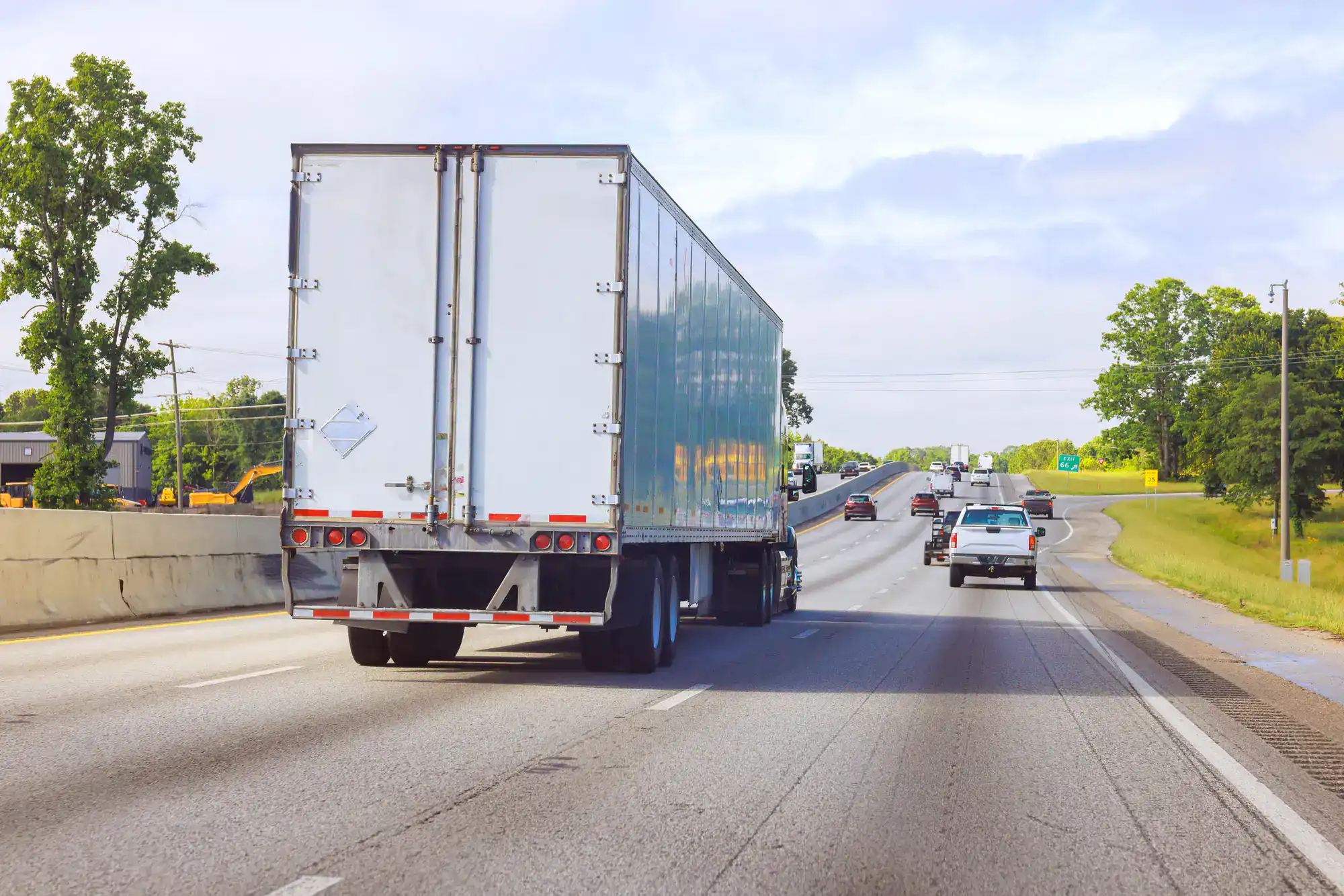
If your truck is model year 2013 or newer and has a GVWR over 14,000 pounds, yes it’s subject to California’s Clean Truck Check program regardless of where it’s based or registered. Downey sits in the heart of the Gateway Cities subregion, directly adjacent to the I-710 freight corridor, which is one of the most actively monitored diesel routes in the state. CARB deploys roadside emissions monitoring devices along these corridors, so trucks operating in and around Downey face real exposure to compliance checks on a regular basis.
Non-compliance isn’t just a fine risk. It triggers an automatic DMV registration hold, which means your truck can’t legally operate on California roads until the hold is cleared. For a Downey-based drayage operator running loads to the Port of Long Beach about 20 miles south on the I-710 that hold doesn’t just cost you a registration fee. It costs you the load, the run, and potentially your relationship with the freight broker or port terminal.
A standard smog check is a tailpipe emissions test designed for passenger cars and light-duty vehicles. The Clean Truck Check is an entirely different program built specifically for heavy-duty vehicles model year 2013 or newer with a GVWR over 14,000 pounds. Instead of a tailpipe test, it uses OBD diagnostic equipment to read your truck’s onboard computer directly, pulling data on fault codes, emissions system readiness, and related monitors.
The testing equipment has to be CARB-certified not just any commercial OBD scanner. And the results have to be submitted electronically to CARB’s CTC-VIS database by a credentialed tester. That’s a meaningful distinction, because results from non-approved equipment or uncredentialed testers won’t be accepted by CARB. If you’ve seen shops advertising “smog checks for all vehicles,” it’s worth confirming they’re actually credentialed for the Clean Truck Check program before you book especially if your compliance deadline is tied to a DMV hold or an NST notice.
A Notice to Submit to Testing (NST) gives you 30 days to produce a passing Clean Truck Check result from a CARB-credentialed tester. That window starts from the date on the notice, not from when you open it. If your truck is running daily loads through the I-710 corridor or making regular port runs from Downey, you don’t want to sit on this. Thirty days sounds like enough time until you factor in scheduling, any repairs that come up if the truck has active fault codes, and the time it takes for results to process in the CTC-VIS system.
The first thing to do is confirm your truck qualifies for OBD testing model year 2013 or newer, GVWR over 14,000 pounds and then get booked with a credentialed tester as quickly as possible. If your truck has any known issues, address them before the test. Active fault codes or incomplete readiness monitors are the most common reasons a truck doesn’t pass, and finding that out with two days left on your NST deadline is a stressful place to be. Book early, give yourself room.
As of 2025, most subject vehicles are required to test twice per year semi-annually. That frequency is set to increase to four times per year by October 2027 for OBD-equipped trucks. So if you’re managing a single truck or a small fleet out of Downey right now, you’re looking at two compliance appointments per year. In two years, that becomes four.
The testing deadlines are tied to individual vehicle registration dates, which means if you’re running multiple trucks with different registration windows, your compliance calendar can get complicated fast. Staying on top of it proactively rather than waiting for a DMV hold or an NST is what keeps your operation running without interruptions. Downey’s freight market doesn’t slow down for compliance paperwork, and neither should you.
Yes. California’s Clean Truck Check applies to any heavy-duty vehicle operating on California public roads the state of registration doesn’t matter. If you’re a carrier based in Nevada, Arizona, Texas, or anywhere else and you’re making regular runs into Downey’s warehouses, distribution centers, or down the I-710 to the Port of Long Beach, your truck is subject to the same CARB compliance requirements as any California-registered vehicle.
The Port of Long Beach and Port of Los Angeles both require valid CARB compliance certificates for terminal access. If your truck doesn’t have a current certificate on file in CTC-VIS, you can be turned away at the gate regardless of where your rig is plated. We can test your vehicle, submit results directly to CARB’s database, and get your certificate on file so your California runs stay uninterrupted.
A failed test typically comes down to one of two things: active diagnostic trouble codes (DTCs) in the truck’s onboard system, or incomplete readiness monitors meaning the truck’s emissions systems haven’t fully cycled since the last time the battery was disconnected or a code was cleared. Neither of these is a dead end, but both need to be addressed before the truck will pass.
If your truck fails, the result still gets submitted to CTC-VIS that’s required regardless of outcome. You’ll need to address whatever the OBD data flagged, whether that’s a repair, a drive cycle to complete the readiness monitors, or both. Once those issues are resolved, you come back for a retest. For Downey-based operators with tight schedules around port runs or regional freight, the key is not letting a failure sit. The longer a non-compliant truck stays on the road after a failed test, the deeper the compliance hole gets and the closer you get to a DMV registration hold that sidelines the truck entirely.
Useful Links
Other Services we provide in Downey