Check Out Our Reviews!
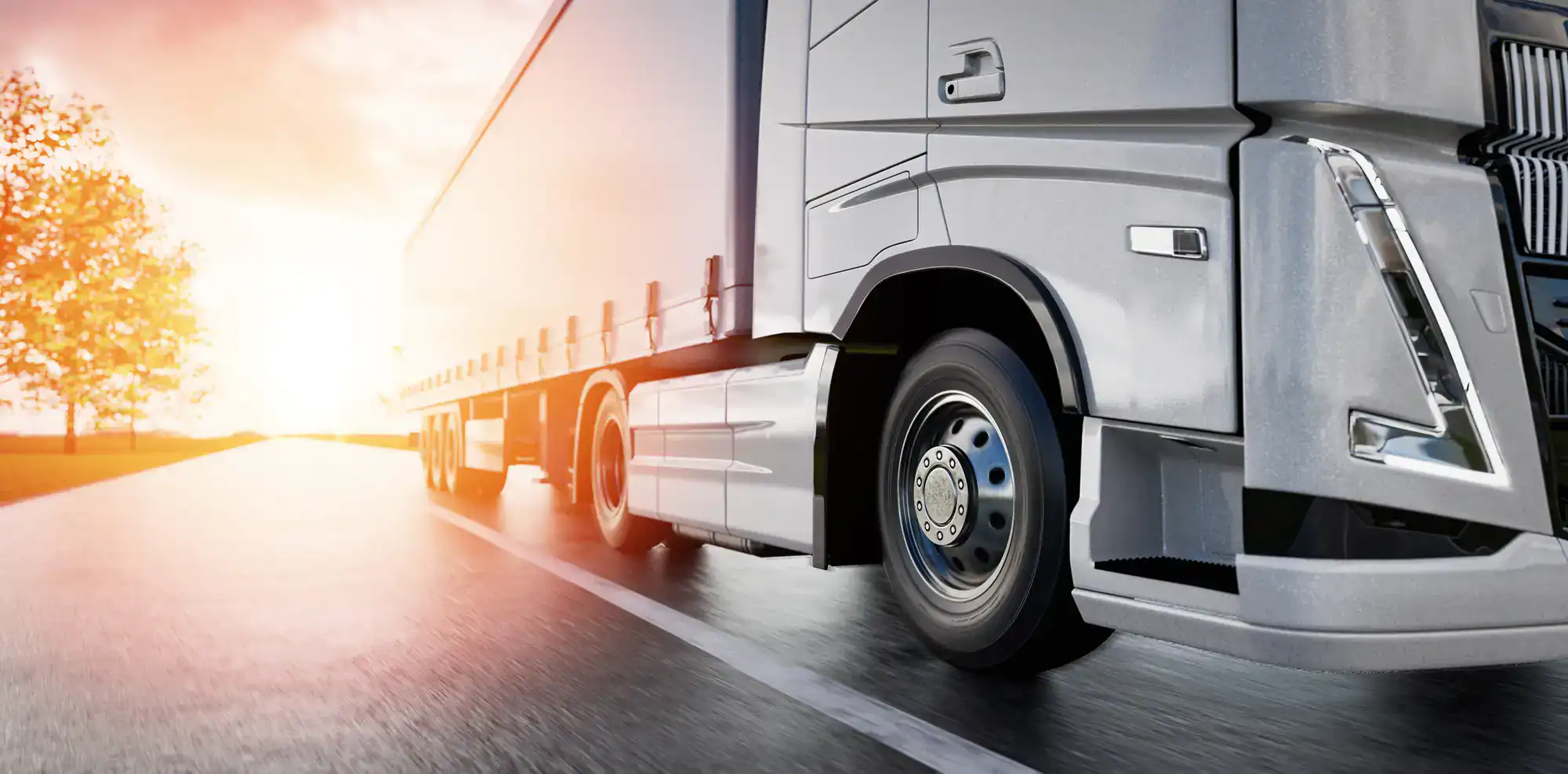
For owner-operators running freight on I-10 through the eastern San Gabriel Valley, compliance isn’t paperwork it’s the difference between a working truck and a parked one. A DMV registration hold doesn’t send a warning. It just stops your renewal, and your truck sits until you sort it out. That’s lost income, not a minor inconvenience.
Covina sits in a geographic bowl between the San Gabriel Mountains and the Puente Hills. Vehicle emissions especially diesel particulate matter concentrate here during the temperature inversions that hit hard every summer and early fall. CARB’s roadside monitoring devices are actively deployed on Southern California freeways, including the I-10 corridor that runs through Covina toward Kellogg Hill. A truck running with a check engine light or degraded emissions equipment on that stretch isn’t just a compliance risk it’s a likely flag.
Once your test is complete, results go directly to CARB’s CTC-VIS database. No portal. No upload. No waiting to find out if the submission went through. Your compliance record is updated the same day, and you have documentation you can show a freight broker, a port gate, or a DMV window without hesitation.
We are a CARB-credentialed Clean Truck Check testing provider serving Los Angeles County, including Covina and the surrounding eastern San Gabriel Valley. Every tester on our team has completed CARB’s official HD I/M Tester Training Course, passed the state exam, and holds a Certificate of Completion that must be renewed every two years. That credential is publicly searchable at arb.ca.gov not a self-declared claim, but a state-issued authorization you can verify before you ever pick up the phone.
Our service is deliberately narrow. We test model year 2013 or newer diesel and heavy-duty vehicles with a GVWR over 14,000 pounds the exact vehicle population CARB’s Clean Truck Check program covers. That’s it. No passenger cars, no light trucks, no guesswork. If your truck qualifies for Clean Truck Check, this is the test, done with CARB-certified OBD equipment and submitted directly to the state on the same day.
For fleet managers operating out of commercial yards along the Arrow Highway corridor or the I-10 industrial stretch near Irwindale, that combination right credential, right equipment, direct submission is what makes the difference between a clean compliance record and a problem you’re still trying to fix a week later.

The first thing to confirm is whether your truck qualifies. Clean Truck Check applies to diesel and heavy-duty vehicles that are model year 2013 or newer and have a GVWR over 14,000 pounds. If your truck meets both of those criteria, you’re in the right place. If it doesn’t if it’s a 2012 or older, or under the weight threshold the program doesn’t apply, and we’ll tell you that clearly rather than run a test you don’t need.
Once eligibility is confirmed, the test itself is an OBD-based emissions scan using CARB-certified testing equipment. The device connects to your truck’s onboard diagnostic system and reads emissions-related fault codes and system readiness data. This is not a generic scan tool pulled from a parts store shelf it’s equipment specifically certified by the California Air Resources Board to meet the technical requirements of the Clean Truck Check program. That distinction matters because a test run with non-approved equipment won’t be accepted by the CTC-VIS system, and you’re back to square one.
After the scan, results are submitted electronically and directly to CARB’s Clean Truck Check Vehicle Inspection System. For Covina-area operators especially those managing multiple trucks out of a commercial location or running tight schedules on the I-10 freight corridor that direct submission means your compliance record is current before your truck leaves the lot. No follow-up required, no manual upload to manage, no uncertainty about whether the test counted.

Ready to get started?
The Clean Truck Check program is specific, and so is our service. We test diesel and heavy-duty vehicles that are model year 2013 or newer with a GVWR over 14,000 pounds the precise population CARB’s HD I/M program targets. If your truck falls outside those parameters, no test is needed under this program. If it falls inside them, the test is not optional, and the schedule is tightening.
In 2025, covered vehicles are required to test twice per year. By October 2027, most trucks move to four times per year quarterly. For fleet managers in Covina running even a small number of vehicles out of a logistics yard or commercial property along the I-10 corridor, that escalation is worth planning around now. The operators who have already established a testing relationship are not scrambling when the quarterly requirement kicks in. The ones who haven’t are.
What you receive with each test: a CARB-credentialed OBD inspection using certified equipment, direct electronic submission of results to the CTC-VIS database, and same-day compliance documentation. For trucks that access the Port of Los Angeles or Port of Long Beach roughly 35 miles southwest of Covina via I-10 and I-710 a current compliance certificate is a condition of entry. Freight brokers verify it before awarding loads. A lapsed certificate doesn’t just mean a fine. It means no work.
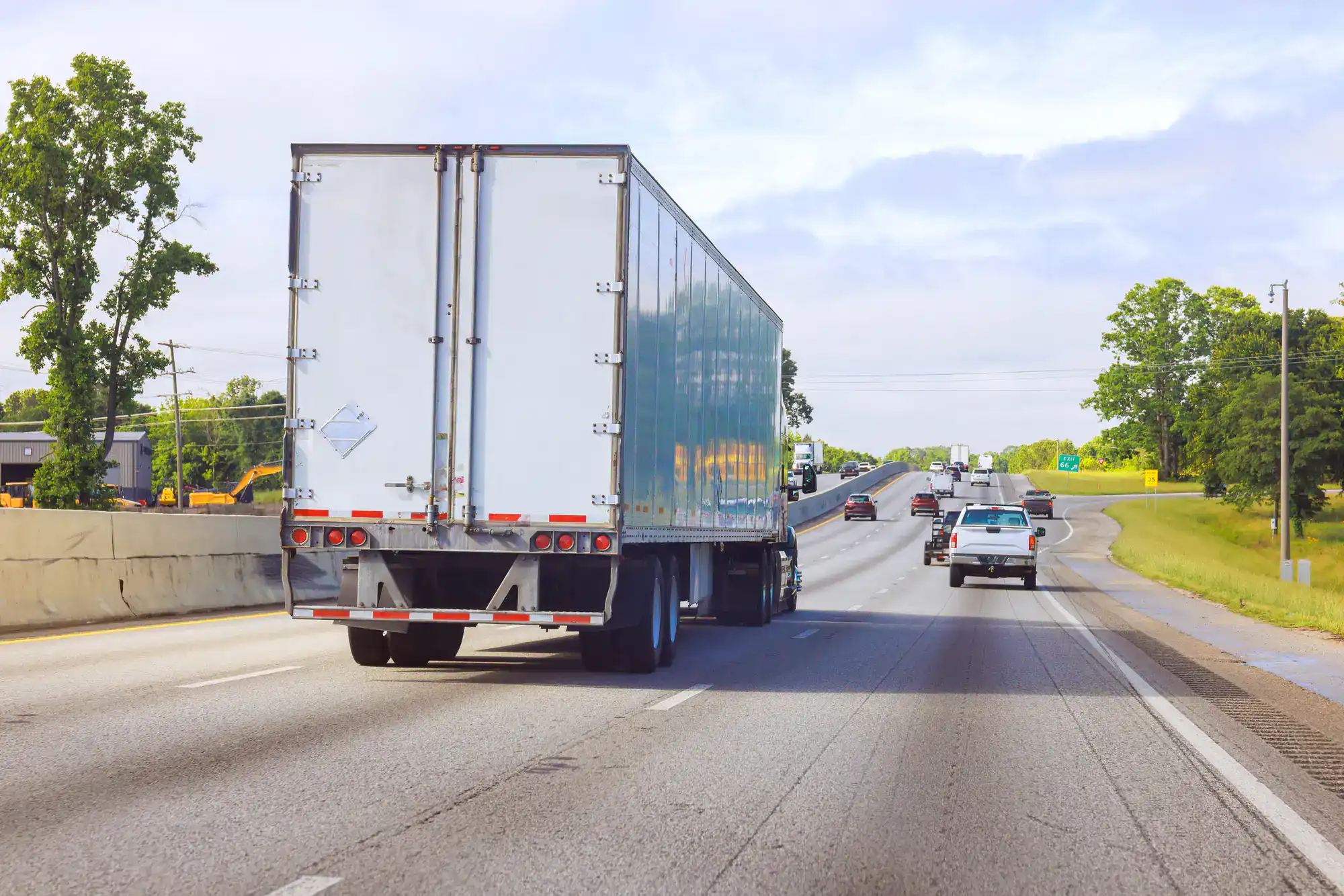
If your truck is a 2013 or newer diesel or heavy-duty vehicle with a GVWR over 14,000 pounds and it operates in California, it is subject to CARB’s Clean Truck Check program regardless of where it’s registered or where you’re based. Being based in Covina, operating out of a yard in the San Gabriel Valley, or running primarily local routes on Arrow Highway or the I-10 corridor does not exempt you. The requirement is statewide and tied to the vehicle, not the route.
The compliance fee is $31.18 per vehicle per year in 2025, paid directly to CARB through the CTC-VIS system. That fee is separate from the testing fee charged by a credentialed tester. If you’re unsure whether your specific truck qualifies, the determining factors are simple: model year 2013 or newer, GVWR over 14,000 pounds, and diesel or alternative-fuel heavy-duty powertrain. If all three apply, the program applies to you.
A failed Clean Truck Check test means your vehicle’s OBD system flagged an active fault code or a readiness monitor that didn’t complete typically related to the emissions control system, the diesel particulate filter, or the engine management system. The test result is submitted to CARB’s database regardless of pass or fail, so the record is there either way.
From that point, you have a window to address the underlying issue and retest. The consequences of staying non-compliant are serious: California’s DMV will block your registration renewal, CARB can issue fines of up to $10,000 per vehicle per day for continued non-compliance, and port access at the Port of Los Angeles and Port of Long Beach a critical destination for many Covina-area drayage and freight operators requires a valid compliance certificate. Getting the fault diagnosed and repaired, then retesting with a credentialed tester, is the only path back to full compliance. The sooner you act, the smaller the exposure.
As of 2025, covered vehicles model year 2013 or newer, GVWR over 14,000 pounds are required to complete Clean Truck Check testing twice per year, within two defined compliance windows. That’s a change from the previous once-annual requirement, and it doubles the number of tests each truck needs annually.
The schedule gets stricter from there. By October 2027, most trucks will be required to test four times per year once per quarter. For Covina-area fleet managers running multiple vehicles, that means compliance management becomes an ongoing operational task, not an annual checkbox. The summer and early fall months are particularly important to plan around: the San Gabriel Valley’s bowl geography traps pollutants during high-pressure weather events, CARB’s roadside monitoring activity tends to increase during peak smog season, and a truck flagged by a roadside emissions device receives a Notice to Submit to Testing with a hard 30-day response window. Proactive testing before the summer enforcement season is the practical move.
Yes and if your truck operates in California regularly, you may be required to. CARB’s Clean Truck Check program applies to vehicles operating in California, not just vehicles registered here. Owner-operators based in Arizona, Nevada, or Texas who run freight through California on I-10 which passes directly through Covina on its way between the Inland Empire and Los Angeles are subject to the same compliance requirements as California-registered vehicles if they meet the model year and GVWR criteria.
CARB’s roadside emissions monitoring devices are deployed at various points along Southern California freeways, including the I-10 corridor. An out-of-state truck flagged by one of those devices will receive a Notice to Submit to Testing just like any California-registered vehicle, with the same 30-day window to produce a passing test from a CARB-credentialed tester. We are credentialed to perform that test and submit results directly to CTC-VIS, regardless of where your truck is registered.
A standard smog check the kind required for passenger cars and light trucks at a licensed smog station tests tailpipe emissions using a dynamometer or a tailpipe probe and is administered through California’s BAR (Bureau of Automotive Repair) program. It applies to vehicles under a certain weight threshold and covers a broad range of model years.
The Clean Truck Check is a completely separate program administered by the California Air Resources Board, not BAR. It applies specifically to diesel and heavy-duty vehicles that are model year 2013 or newer with a GVWR over 14,000 pounds. The test is OBD-based it reads the truck’s onboard diagnostic system using CARB-certified equipment and results are submitted directly to CARB’s CTC-VIS database, not to a DMV smog database. A regular smog station cannot perform a Clean Truck Check unless the tester holds a specific CARB HD I/M credential and uses CARB-certified OBD equipment. We hold that credential and use that equipment that’s the entire scope of what we do.
A Notice to Submit to Testing (NST) means CARB’s roadside emissions monitoring system flagged your truck likely on a Southern California freeway or a compliance review identified a gap in your testing record. The notice gives you 30 calendar days to submit a passing emissions test from a CARB-credentialed tester. That window does not pause for scheduling delays, weekends, or the time it takes to navigate an unfamiliar compliance process.
The steps are straightforward: confirm your truck qualifies (2013 or newer, GVWR over 14,000 lbs), book a test with a CARB-credentialed tester who uses certified OBD equipment and submits results directly to CTC-VIS, and get the test done as early in that 30-day window as possible. If your truck has an active check engine light or a known emissions issue, get that diagnosed before the test a failing OBD readiness monitor will produce a failing result, and you’ll have used part of your window without resolving the problem. For Covina-area operators on a tight deadline, we serve Los Angeles County, hold the CARB credential, and submit results to the state the same day the test is performed.
Useful Links
Other Services we provide in Covina