Check Out Our Reviews!

If your trucks are servicing the Indian Wells Tennis Garden, the resort hotels along Highway 111, or any of the construction and landscaping accounts that keep this city running through the season you already know that downtime isn’t optional. A DMV registration hold or a Notice to Submit to Testing doesn’t care about your schedule. It just stops your truck.
The Coachella Valley’s extreme heat is its own problem. Summer temperatures in Indian Wells regularly push past 110°F, and that kind of sustained heat stresses diesel particulate filters, EGR systems, and the OBD sensors that a CARB-certified scanner reads directly. Trucks that have been working through a desert summer may be carrying fault codes they haven’t thrown a light for yet codes that will surface the moment a CARB-certified scanner connects. Testing before your compliance deadline gives you time to fix what needs fixing instead of scrambling after the fact.
The BNP Paribas Open brings over 500,000 visitors to Indian Wells every March. For the contractors, caterers, and logistics operators whose trucks support that kind of event demand, being grounded during peak season isn’t just a legal problem it’s a direct hit to your revenue. CARB compliance is what keeps your trucks working when the work is there.
We hold CARB’s official HD I/M Tester Certificate of Completion. That credential isn’t self-declared it’s issued by the state, earned through CARB’s Tester Training Course, and listed on CARB’s public database of approved testers. You can look us up before you ever call. In a market where some providers list Indian Wells in their service area without a dedicated presence or verifiable standing, that distinction matters.
Our service area covers Riverside County which means the entire Coachella Valley, from Rancho Mirage through Indian Wells and La Quinta down to Indio and Bermuda Dunes. These aren’t just names on a coverage map. The SR 111 corridor running through Indian Wells, the I-10 interchanges at the eastern end of the valley, the seasonal surge in commercial vehicle activity around the Tennis Garden and the Golf Resort this is the operating environment we understand and serve.

It starts with a quick call or booking to confirm your truck qualifies. The Clean Truck Check applies specifically to diesel and alternative-fuel heavy-duty vehicles that are model year 2013 or newer and carry a GVWR over 14,000 pounds. If that’s your truck, you’re in the right place. If you’re not sure, that’s a five-second conversation.
From there, we perform the OBD scan using CARB-certified testing equipment not a generic diagnostic tool, but the specific devices CARB approves for HD I/M compliance testing. This matters because CARB does not accept results from non-approved equipment. A test done with the wrong scanner produces a result that doesn’t count, and you’re back to square one with a deadline still running. The equipment we use meets CARB’s certification standard, full stop.
Once the test is complete, we submit results electronically and directly to CARB’s CTC-VIS database. You don’t navigate a portal, you don’t upload documents, and you don’t wait to find out if the submission went through. For operators managing multiple trucks across the valley especially heading into the fall before desert season ramps up that direct submission is what keeps compliance manageable instead of chaotic. If your truck passes, it’s done. If something needs attention, you’ll know immediately and have time to act before a hard deadline forces your hand.

Ready to get started?
The CARB Clean Truck Check is an OBD-based emissions compliance test not a mechanical inspection, not a general smog check, and not something a regular smog station is equipped or credentialed to perform. It reads the onboard diagnostic system of your 2013-or-newer heavy-duty truck and verifies that the emissions control systems are functioning within CARB’s standards. The test is specific, the equipment is specific, and the credential required to submit results to the state is specific.
For trucks operating in and around Indian Wells, the Coachella Valley’s desert climate adds a layer of practical relevance. Diesel particulate filters and SCR systems that have been working through months of 110°F heat may show degradation that doesn’t always announce itself with a dashboard warning. The OBD scan catches what’s there, not just what’s obvious. Operators who run their trucks hard through the summer and then test proactively in the fall before the resort season and event calendar fill back up tend to avoid the compliance crises that come from waiting.
Testing frequency is already at twice per year for 2025, and by October 2027, most affected trucks will move to quarterly testing. That’s four times a year, every year. Whether you’re running one truck or a fleet across Riverside County, having a credentialed tester who knows this region and submits directly to CARB’s system is a long-term operational decision, not a one-time fix. Out-of-state operators whose trucks travel I-10 through the Coachella Valley are subject to the same requirements California compliance applies regardless of where a truck is registered.
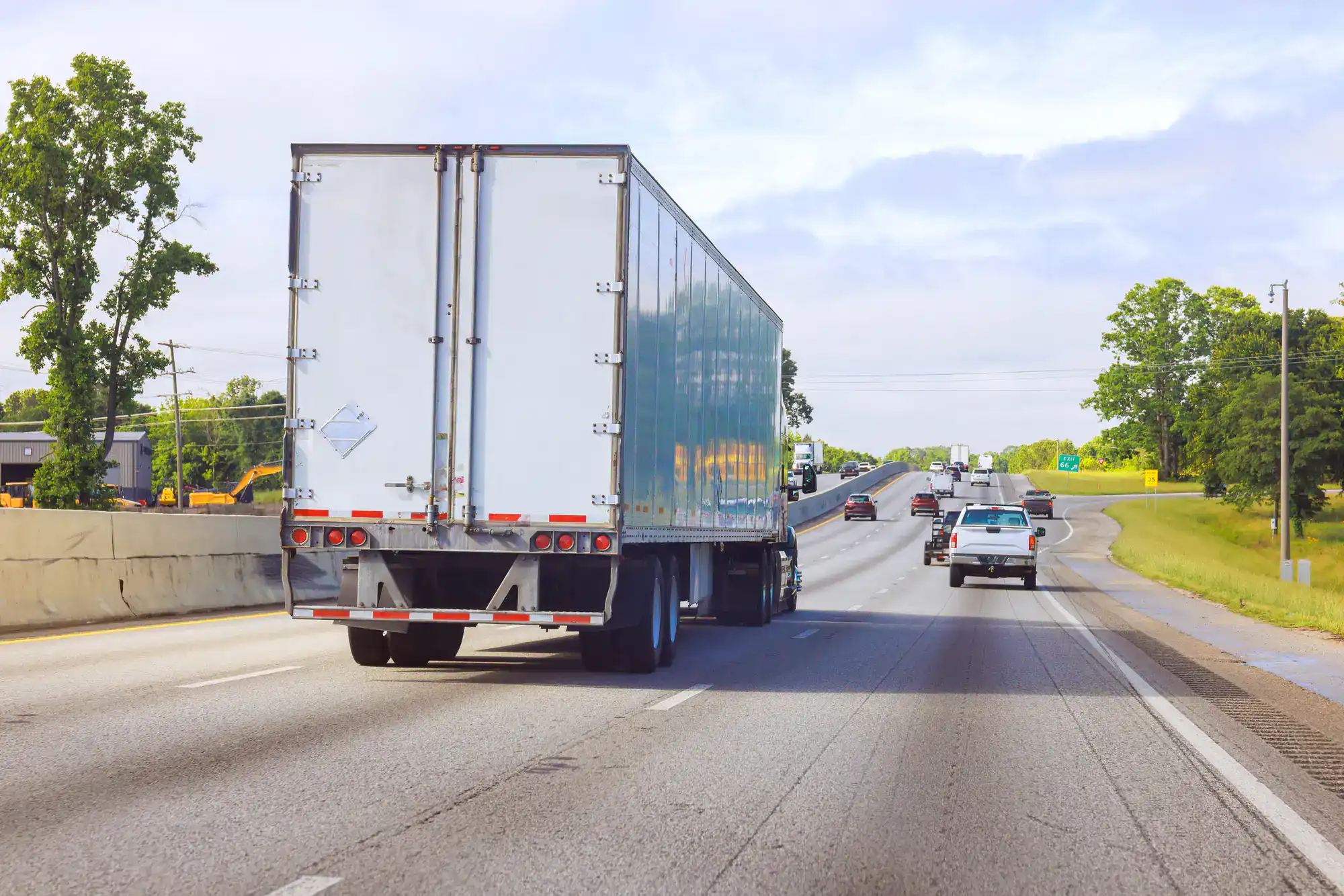
If your truck is a 2013 or newer diesel or alternative-fuel heavy-duty vehicle with a GVWR over 14,000 pounds, and it operates on California public roads including SR 111 through Indian Wells or I-10 through the Coachella Valley then yes, it’s subject to CARB’s Clean Truck Check requirements. There’s no exemption based on where you’re making deliveries or what kind of work you’re doing. The program applies to the vehicle, not the job.
This is especially relevant for contractors, landscapers, and logistics operators who service Indian Wells’ resort properties and event venues but may be based in Palm Desert, La Quinta, Indio, or elsewhere in Riverside County. If the truck is on a California road and it meets the model year and weight threshold, it needs to be in the system. Compliance is tied to each vehicle’s registration, and non-compliance can trigger a DMV registration hold that stops the truck entirely regardless of how busy your schedule is.
A failed test doesn’t immediately put you out of compliance but it does start a clock. When a truck fails a Clean Truck Check OBD scan, the result is submitted to CARB’s CTC-VIS database just like a passing result. From there, you have a defined window to make the necessary repairs and retest. What you don’t want to do is ignore it or delay, because the compliance deadline tied to your registration doesn’t pause while you figure out next steps.
For trucks that have been operating in the Coachella Valley’s extreme heat around Indian Wells, failures often trace back to diesel particulate filter issues, EGR faults, or SCR system degradation all of which are accelerated by sustained high temperatures. The good news is that a failed test from a credentialed tester using CARB-certified equipment gives you a clear, specific fault code to bring to your mechanic. That’s a much better position than finding out your truck is non-compliant through a DMV hold or a roadside flag on I-10. Test early, know what you’re dealing with, and give yourself time to fix it.
As of 2025, the Clean Truck Check requires testing twice per year semi-annually. That’s already in effect. By October 2027, the frequency increases to four times per year for most affected vehicles, meaning quarterly testing becomes the standard. This isn’t a future maybe it’s a scheduled change that’s already built into the program’s enforcement calendar.
For operators in the Coachella Valley who are managing trucks across the Indian Wells area, this shift toward quarterly testing makes the logistics of compliance a real operational consideration. Scrambling to find a credentialed tester four times a year is significantly harder than having one lined up in advance. The $31.18 annual compliance fee paid to CARB covers your vehicle’s registration in the program, but it’s separate from the testing fee you pay to a credentialed tester. Understanding both costs upfront helps you budget accurately instead of getting caught off guard when the next testing window opens.
Yes and this is one of the most commonly misunderstood aspects of the program. CARB’s Clean Truck Check requirement applies to any qualifying vehicle operating on California public roads, regardless of where that vehicle is registered. A truck registered in Arizona, Nevada, Texas, or any other state that drives I-10 through the Coachella Valley or operates in Riverside County is subject to the same compliance requirements as a California-registered truck.
Interstate 10 through the eastern Coachella Valley is one of the busiest freight corridors in the country, and CARB’s roadside remote emissions monitoring devices are active along major California highways. If your out-of-state truck gets flagged, you’ll receive a Notice to Submit to Testing with a 30-calendar-day deadline and that deadline applies whether you’re based in California or not. We serve Riverside County and can test and submit results for out-of-state trucks that need California compliance documentation before their next run through the valley.
They’re completely different tests designed for completely different vehicles. A standard smog check is a tailpipe emissions test typically performed on passenger cars and light-duty vehicles. The CARB Clean Truck Check is an OBD-based compliance scan specifically designed for heavy-duty vehicles diesel and alternative-fuel trucks that are model year 2013 or newer with a GVWR over 14,000 pounds. The equipment is different, the credential required to perform it is different, and the submission process is different.
A regular smog station is not equipped or authorized to perform a Clean Truck Check, and a test performed with non-approved equipment won’t be accepted by CARB regardless of what the results show. This is why working with a CARB-credentialed HD I/M tester who uses certified OBD scanning equipment matters not just for the test itself, but for the result to actually count. For operators running heavy-duty trucks in the Indian Wells area, the distinction is practical: don’t assume your regular smog shop can handle this, because the two programs have nothing in common beyond the word “emissions.”
Act on it immediately. A Notice to Submit to Testing from CARB comes with a hard 30-calendar-day deadline there’s no extension, no grace period, and no way to pause the clock while you sort out your schedule. The notice means CARB’s roadside remote emissions monitoring equipment flagged your truck, and you now have 30 days to submit a passing test result from a credentialed tester directly to CARB’s CTC-VIS database.
The most important thing you can do when you receive an NST is call a credentialed tester right away not at day 25. If your truck passes on the first test, you’re done and the result goes directly into CARB’s system. If it doesn’t pass, you need time to make repairs and retest before the deadline expires. For operators in the Indian Wells area and across the Coachella Valley, that 30-day window can disappear fast, especially during the fall and winter months when service schedules are full heading into desert season. We serve Riverside County and can get you scheduled quickly the sooner you call, the more options you have.
Useful Links
Other Services we provide in Indian Wells