Check Out Our Reviews!

When your truck can’t run legally, everything stops. The load doesn’t move. The invoice doesn’t go out. And if you’re an owner-operator in East Hemet running one or two trucks, there’s no backup plan sitting in your yard. That’s the real cost of missing a CARB compliance deadline not a fine on paper, but a week of dead revenue while you scramble to figure out what went wrong and who can actually fix it.
East Hemet sits in the San Jacinto Valley, where summer temperatures regularly push past 100°F. That kind of heat puts real stress on diesel emissions control systems the DPF, the EGR, the sensors feeding your OBD data. A truck that runs clean in March can start throwing fault codes by July. Getting tested early in your compliance window gives you time to deal with anything that comes up before the deadline arrives and before the heat creates new problems.
The SR-74 and SR-79 corridors connect East Hemet and the broader valley to the Inland Empire, the Coachella Valley, and beyond. Trucks running those routes are operating on California public roads and CARB’s Clean Truck Check applies to every qualifying diesel truck on those roads, regardless of whether you’re based in an incorporated city or an unincorporated community like East Hemet. There’s no local buffer here. The state mandate is direct, and the consequences for missing it are real.
We’re based in Perris, CA in the heart of Riverside County and we serve the full county, including East Hemet, Hemet, and the San Jacinto Valley area. Every test we perform is on a model year 2013 or newer heavy-duty diesel vehicle with a GVWR over 14,000 pounds. That’s the only thing we do. We’re not a general smog station that added Clean Truck Check as a secondary service this is our lane, and we know it well.
Our testers hold current CARB credentials for Heavy-Duty Inspection and Maintenance testing, we use CARB-certified OBD scanning equipment, and we submit results directly to the CTC-VIS database the same day your test is completed. You can verify our credentials on CARB’s public database before you ever call us. In a market where that level of transparency isn’t always offered, we think it matters.

The process starts with a call or booking. We confirm your truck qualifies model year 2013 or newer, GVWR over 14,000 pounds and get you scheduled. If you’ve received a Notice to Submit to Testing from CARB, you have a 30-day window, and we’ll make sure your appointment fits inside it. For East Hemet and the broader San Jacinto Valley, we factor in travel time from our Perris location along the SR-74 and SR-79 corridors so scheduling is straightforward.
On test day, we connect CARB-certified OBD scanning equipment directly to your truck’s diagnostic port. The scan reads your vehicle’s onboard systems and checks for active fault codes or readiness issues that would indicate an emissions problem. One thing worth knowing for trucks operating in this valley: if your truck has been sitting or running cold on a winter morning, we may need a short warm-up period before the scan reads accurately. It’s a minor detail, but it affects timing, and we’d rather you know upfront.
Once the test is complete, we submit your results electronically to CARB’s CTC-VIS system immediately. You don’t touch the portal. You don’t upload anything. The result is recorded, your compliance status is updated, and you have documentation the same day. If something comes back that needs attention, we’ll tell you exactly what it is and what your next step looks like.

Ready to get started?
CARB’s Clean Truck Check is an OBD-based emissions compliance test for diesel trucks that are model year 2013 or newer with a GVWR over 14,000 pounds. If your truck doesn’t meet both of those criteria, this test doesn’t apply to you. If it does, compliance is mandatory and as of 2025, that means two testing cycles per year. By October 2027, most covered vehicles will move to four cycles annually. That’s a significant increase in how often you’ll need to be tested, and it makes having a reliable testing contact in Riverside County a practical necessity, not just a convenience.
What you get with every test from us: a CARB-credentialed tester, CARB-certified OBD scanning equipment, and same-day electronic submission to the CTC-VIS database. The $31.18 annual compliance fee paid to CARB is separate from our service fee we’ll make sure you understand exactly what you’re paying and why before anything starts.
This service is relevant to a wide range of operators in the East Hemet and San Jacinto Valley area construction contractors running dump trucks or flatbeds, agricultural haulers moving product out of the valley, regional carriers connecting to the Ontario and San Bernardino distribution hubs, and utility operators running heavy service vehicles. If your truck is registered out of state but runs loads through Riverside County on SR-74 or SR-79, you’re subject to the same requirements as any California-registered vehicle. CARB doesn’t make exceptions based on registration address.
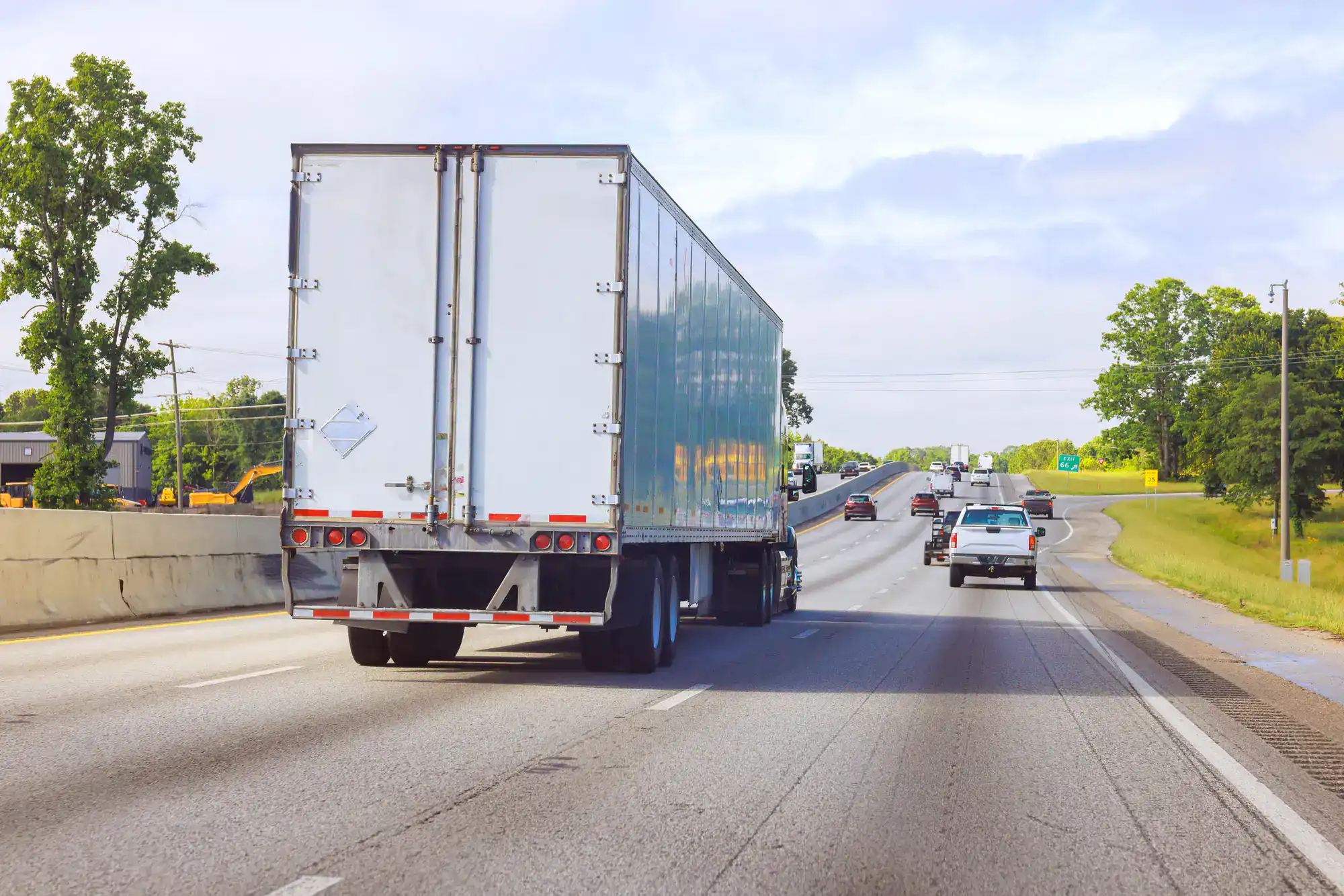
Yes and this catches a lot of operators off guard. CARB’s Clean Truck Check requirement applies to any qualifying diesel truck operating on California public roads, regardless of where the vehicle is registered. If your truck is registered in Arizona, Nevada, or any other state but you’re running loads through Riverside County on SR-74 through East Hemet, on SR-79 toward Temecula or San Jacinto, or connecting to the Inland Empire distribution hubs you are fully subject to the same compliance requirements as a California-registered vehicle.
The program covers model year 2013 or newer diesel trucks with a GVWR over 14,000 pounds. If your truck meets both of those criteria and it’s operating in California, compliance is not optional. Out-of-state carriers who are unaware of this requirement are not exempt from enforcement, fines, or DMV registration complications. If you’re running the SR-74 corridor regularly and haven’t been tested, it’s worth getting that sorted before a roadside check or a freight contract requirement forces the issue.
They are completely different programs, and using the wrong one won’t satisfy your CARB compliance obligation. A standard smog check the kind you’d get at a STAR station like the ones on State Street in Hemet is designed for passenger vehicles and light-duty trucks. It tests tailpipe emissions using a different method and is administered under a separate state program. It does not count as a Clean Truck Check, and a passing smog certificate will not clear a CARB compliance hold on a heavy-duty diesel vehicle.
The Clean Truck Check is an OBD-based test specifically for diesel trucks that are model year 2013 or newer with a GVWR over 14,000 pounds. It can only be performed by a tester who holds a current CARB credential for Heavy-Duty Inspection and Maintenance testing, uses CARB-certified OBD scanning equipment, and submits results directly to the CTC-VIS database. If a station isn’t doing all three of those things, the test result won’t be valid. Before you book anywhere, ask whether the tester is listed on CARB’s publicly searchable credentialed tester database it takes about 30 seconds to verify.
As of 2025, most covered vehicles are required to test twice per year two compliance cycles annually. That’s already a significant commitment if you’re running one or more qualifying trucks in Riverside County. The schedule is set to increase further: by October 2027, the majority of covered vehicles will be required to test four times per year. That’s a quarterly cadence, and it means CARB compliance stops being an occasional task and becomes a recurring operational item you need a reliable process for.
For East Hemet operators, the practical implication is real. If you’re running a construction truck, an agricultural hauler, or a regional freight vehicle out of the San Jacinto Valley, you’ll be scheduling compliance tests multiple times a year. Building that into your operational calendar rather than reacting to a Notice to Submit to Testing letter each time is the smarter approach. Testing early in your compliance window also gives you a buffer if anything comes back that needs to be addressed before your deadline.
A failed test means your vehicle has active OBD fault codes or readiness issues that indicate an emissions problem. The result is submitted to CARB’s CTC-VIS system regardless of whether it’s a pass or a fail so the record exists either way. From that point, you’ll need to address the underlying issue with a qualified diesel mechanic and then retest. The clock on your compliance deadline doesn’t stop while repairs are being made, which is exactly why testing early in your window matters.
For trucks operating in the San Jacinto Valley near East Hemet, the most common contributors to OBD fault codes are DPF (diesel particulate filter) issues, EGR system faults, and sensor failures all of which are accelerated by the extreme summer heat in this region. A truck that’s been running hard in 100°F-plus temperatures through the valley is under more stress than one operating in a milder climate. If your truck has been throwing warning lights or running rough, it’s worth getting that looked at before your compliance test rather than finding out about it during one.
The Notice to Submit to Testing gives you 30 calendar days to complete a passing compliance test and have the results submitted to CARB’s CTC-VIS system. That window sounds reasonable until you factor in scheduling availability, potential repair time if your truck has an issue, and the limited number of CARB-credentialed HD I/M testers serving the East Hemet and San Jacinto Valley area. Waiting a week or more to start making calls is a risk you don’t need to take.
The first step is to call a CARB-credentialed tester verify the credential before you book and get on the schedule as quickly as possible. Bring your vehicle identification information and any relevant maintenance records. If your truck has any active warning lights or known issues, flag those when you call so the tester knows what to expect. The goal is to get a passing test submitted within your 30-day window. If something comes back that needs repair, you want as much time as possible to handle it before the deadline expires and enforcement consequences kick in.
Yes, and this is a segment that’s often underinformed about the requirement. The Clean Truck Check applies to any diesel truck that is model year 2013 or newer and has a GVWR over 14,000 pounds the program doesn’t carve out exemptions based on industry or use type. Construction contractors running dump trucks, flatbeds, or heavy equipment haulers in the San Jacinto Valley are subject to the same compliance requirements as a long-haul freight carrier. Agricultural operators hauling produce, feed, or equipment on qualifying diesel trucks are in the same position.
The Hemet and East Hemet area has active construction tied to ongoing residential development in the valley, and the surrounding foothill areas still support farming operations that rely on heavy diesel equipment. If you’re operating in either of those industries and your truck meets the model year and weight criteria, compliance testing is mandatory not optional, and not something that only applies to big commercial fleets. Owner-operators and small contractors are often the ones who find out about this requirement the hard way, through a DMV registration hold or a freight contract that requires proof of compliance. Getting ahead of it is the straightforward move.
Useful Links
Other Services we provide in East Hemet