Check Out Our Reviews!

When your truck is CARB compliant, you’re not just checking a box you’re protecting your livelihood. A valid compliance certificate means no DMV registration holds, no denied freight loads, and no fines that can reach $10,000 per vehicle per day. For owner-operators running routes out of Hacienda Heights, that kind of exposure isn’t abstract. It’s the difference between a full week of work and a truck sitting in your driveway.
The SR-60 freeway runs right along the northern edge of Hacienda Heights, and it’s one of the primary freight corridors connecting City of Industry to the Inland Empire. CARB uses remote emissions monitoring devices along Southern California freeways, and heavily traveled truck routes like SR-60 are exactly where flagged vehicles get issued a Notice to Submit to Testing. If you live and operate out of Hacienda Heights, you’re already in that zone tested or not.
Because Hacienda Heights is unincorporated LA County, there’s no city hall to call, no local permit layer to navigate. The compliance obligation runs straight from CARB to you. We handle the test, submit the result directly to CARB’s CTC-VIS database, and get your certificate confirmed the same day so you’re not left wondering if the paperwork went through.
All SMOG Motors is a CARB-credentialed Clean Truck Check testing provider serving Los Angeles County and Riverside County which means the SR-60 corridor through Hacienda Heights, from the City of Industry industrial zone all the way east into the Inland Empire, is squarely in our service area. We test exclusively what California’s Clean Truck Check program targets: diesel trucks that are model year 2013 or newer with a GVWR over 14,000 pounds. That’s it. No passenger cars, no light vehicles, no side services that dilute the focus.
Every tester on our team has completed CARB’s official HD I/M Tester Training Course, passed the state exam, and holds a credential that’s publicly verifiable on CARB’s website. We use CARB-certified OBD testing equipment on every vehicle not generic diagnostic tools and we submit results electronically to CTC-VIS at the time of testing. You don’t have to log into any portal or wonder if your submission went through. It’s handled.

The process starts with a quick call or booking to confirm your truck qualifies model year 2013 or newer, GVWR over 14,000 pounds, diesel engine. If you’re not sure whether your truck falls under California’s Clean Truck Check requirements, we’ll tell you straight. No pressure, no runaround. Many owner-operators in the Hacienda Heights and City of Industry corridor find out they’re due for testing after getting a Notice to Submit from CARB or discovering a registration hold at the DMV. If that’s where you are, the 30-day response window is real and we can usually get you scheduled fast.
On test day, we connect a CARB-certified OBD device to your truck’s diagnostic port and run the required scan. The test reads your truck’s onboard emissions data and checks for fault codes that indicate an emissions system problem. The whole process is straightforward no dismantling, no extended downtime. If your truck passes, results go directly to CARB’s CTC-VIS system from us. Your compliance certificate is confirmed in the database the same day.
If the scan turns up a fault code, you’ll know exactly what it is and what it means. A failing result doesn’t trigger immediate fines what matters is resolving it before your compliance deadline. We’ll walk you through what the code indicates so you can take it to a repair shop with real information, not guesswork. Once repairs are done, you come back for a retest and we close the loop.

Ready to get started?
California’s Clean Truck Check program applies to any diesel-powered vehicle that is model year 2013 or newer and has a GVWR over 14,000 pounds semi-trucks, heavy box trucks, dump trucks, flatbeds, and similar vehicles operating on California public roads. That includes trucks registered out of state. If you’re hauling loads through Hacienda Heights on SR-60, running into City of Industry, or serving the Puente Hills Landfill corridor, and your truck fits those specs, you’re subject to this program regardless of where your plates are from.
The current testing requirement is semi-annual two tests per year. That cadence is scheduled to increase to four times per year by October 2027, so this is becoming a recurring part of operating a qualifying truck in California, not a one-time hurdle. The annual compliance fee is $31.18 per vehicle, paid through CARB’s CTC-VIS system separately from the testing fee. We handle the test and the direct submission to CTC-VIS, so your compliance record is updated without you having to manage the portal yourself.
For small fleets and owner-operators in the Hacienda Heights area many of whom run their operations without administrative staff that direct submission matters more than it might seem. Missing a portal step or uploading to the wrong vehicle record is a real way compliance falls through the cracks. We eliminate that risk entirely by submitting on your behalf at the time of testing.
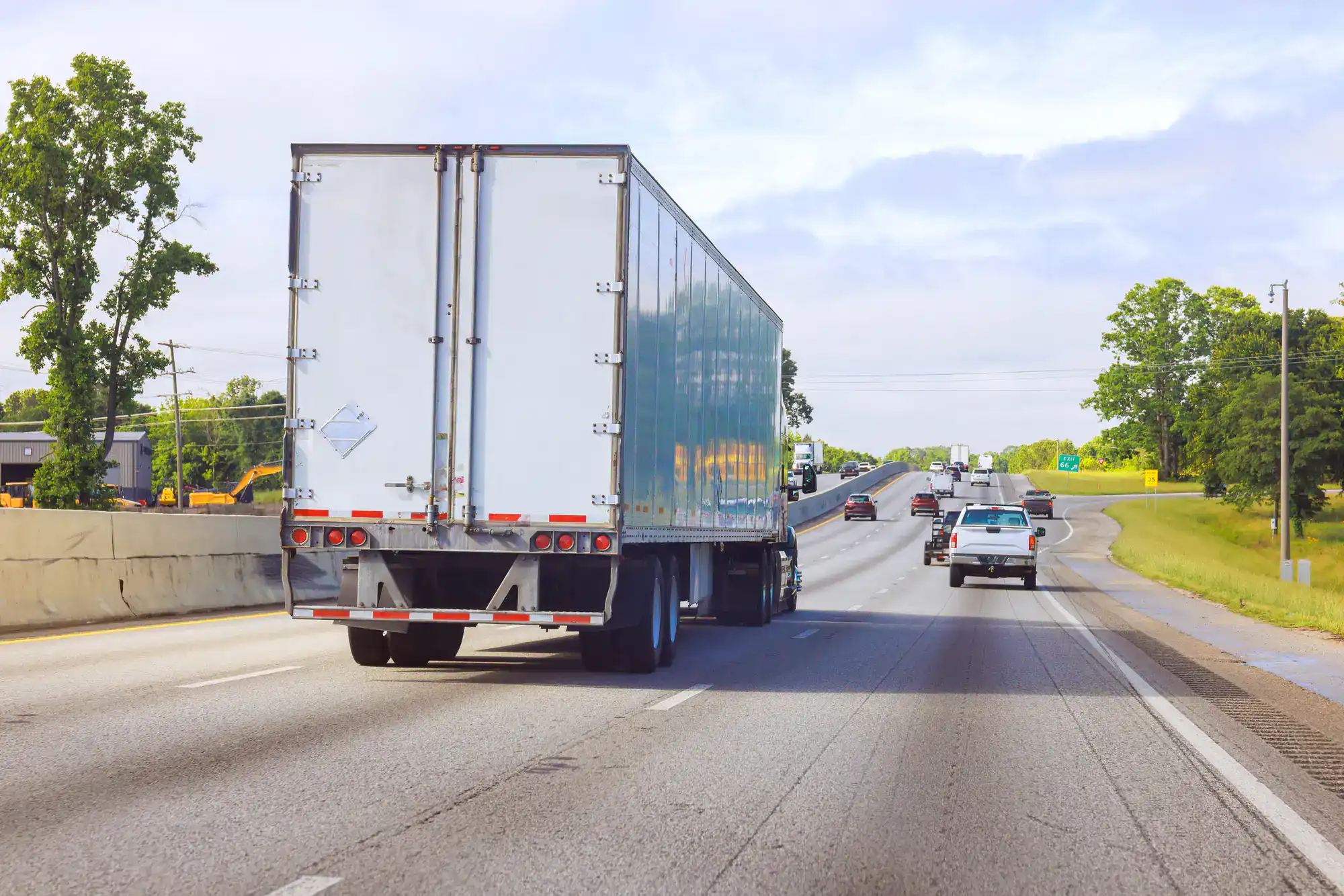
If your truck is a diesel, model year 2013 or newer, and has a GVWR over 14,000 pounds, then yes California’s Clean Truck Check program applies to you, and operating in or through Hacienda Heights doesn’t change that. The requirement is statewide and tied to the vehicle, not to where you’re based. Whether you’re parked at a residential address in Hacienda Heights, staging out of a yard in City of Industry, or running loads along SR-60 into the Inland Empire, the compliance obligation follows the truck.
Hacienda Heights being unincorporated LA County doesn’t create any local exemption or additional layer the rules come straight from CARB, and enforcement is handled at the state level through DMV registration holds, roadside inspections, and freight broker compliance requirements. If you’re not sure whether your specific vehicle qualifies, give us a call. We’ll confirm it quickly based on the year, weight rating, and fuel type before you book anything.
A failed test doesn’t mean you’re immediately facing fines it means your truck has an emissions-related fault code that needs to be addressed before your compliance deadline. The deadline is what triggers enforcement action, not the test result itself. So if you test early and get a failing result, you have time to get the issue diagnosed and repaired, then come back for a retest before anything escalates.
When your truck fails, we’ll tell you exactly what fault code was flagged and what system it points to. That gives you real information to bring to a repair shop not a vague “it failed” that leaves you guessing. For owner-operators running tight schedules out of Hacienda Heights, knowing the specific issue upfront saves time and avoids the back-and-forth of a shop trying to diagnose blind. Once repairs are complete, schedule a retest with us and we’ll submit the passing result directly to CARB’s CTC-VIS database to close out your compliance record.
Right now, California’s Clean Truck Check program requires testing twice a year semi-annual. That’s already a meaningful compliance cadence for owner-operators and small fleets in the Hacienda Heights and City of Industry corridor who are managing their own schedules without a dedicated compliance team. By October 2027, the requirement is set to increase to four times per year for most qualifying vehicles, which means CARB compliance testing becomes a quarterly operational cost, not an occasional one.
The best way to stay ahead of it is to treat your testing schedule the same way you treat your registration renewal put it on the calendar before it becomes urgent. Owner-operators who wait until they get a Notice to Submit from CARB or discover a DMV hold are already behind. Testing proactively keeps your truck legal, your loads moving, and your compliance record clean in CARB’s CTC-VIS system without the stress of a deadline bearing down on you.
Yes. California’s Clean Truck Check program applies based on where the truck operates, not where it’s registered. If you’re driving a qualifying diesel truck model year 2013 or newer, GVWR over 14,000 pounds on California public roads, you’re subject to the program. That includes trucks with Texas, Arizona, Nevada, or any other out-of-state plates. The SR-60 corridor through Hacienda Heights and into City of Industry sees a significant volume of interstate freight, and out-of-state operators running those routes are not exempt.
CARB uses remote emissions monitoring devices at freeway locations across Southern California to flag non-compliant vehicles, and those devices don’t distinguish between in-state and out-of-state registration. If your truck is flagged, you’ll receive a Notice to Submit to Testing with a 30-day window to get compliant. We can test and certify your truck for California compliance regardless of where it’s registered the process is the same, and the result goes directly into CARB’s CTC-VIS system.
They’re different programs targeting different vehicles with different methods. A standard smog check is what most California drivers know it applies to passenger cars and lighter vehicles and uses a tailpipe emissions test or basic OBD scan depending on the vehicle year. The CARB Clean Truck Check is a separate program specifically for heavy-duty diesel trucks that are model year 2013 or newer with a GVWR over 14,000 pounds. It uses an OBD-based scan that reads the truck’s onboard emissions control systems directly.
The equipment matters here. A regular smog check station uses tools calibrated for passenger vehicles they’re not equipped or credentialed for the heavy-duty OBD testing that CARB’s Clean Truck Check requires. We test exclusively in this heavy-duty category, using CARB-certified OBD devices and testers who hold a state-issued HD I/M credential. If you’ve been told a standard smog shop can handle your semi or heavy box truck for CARB compliance purposes, that’s worth double-checking before you waste a trip.
A DMV registration hold tied to CARB compliance means your truck has been flagged in the CTC-VIS system as non-compliant either because a required test was missed, a deadline passed, or the annual compliance fee wasn’t paid. The hold won’t clear on its own, and it won’t clear just by paying the DMV renewal fee. You need to resolve the underlying compliance issue first.
The fastest path is to get your truck tested by a CARB-credentialed provider, have the result submitted directly to CTC-VIS, and confirm your compliance status is updated in the system. Once CARB’s records show your truck is compliant, the hold can be resolved through the DMV. We submit results electronically to CTC-VIS at the time of testing, so there’s no lag between your test and your compliance record being updated. For owner-operators in Hacienda Heights dealing with a hold that’s keeping their truck off the road or blocking a freight load, that same-day submission is the fastest way to get back to work. Give us a call and we’ll get you scheduled as quickly as possible.
Useful Links
Other Services we provide in Hacienda Heights