
Check Out Our Reviews!

You’re not worrying about getting pulled over on the 405 or denied access at the port. Your registration renews without issues. Your trucks stay on the road instead of sitting idle while you scramble to find a credentialed tester.
That’s what CARB compliance looks like when it’s handled right. No last-minute panic. No surprise fines that can hit $10,000 per vehicle per day. No DMV registration blocks that prevent you from operating legally in California.
The Clean Truck Check requirement isn’t optional anymore. If you’re running 2013 or newer heavy-duty diesel trucks over 14,000 pounds GVWR in California, you need semi-annual testing. The deadline passed January 1, 2025. CHP is checking. The DMV is flagging non-compliant vehicles. And the penalties are real.
We bring CARB certified smog check testing to your location in Torrance. You schedule a time that works for your operation. We show up with the right equipment and credentials. You get back to work.
We serve the heavy-duty trucking community in Torrance and throughout the South Bay. We’re CARB credentialed testers who understand what you’re dealing with—tight schedules, confusing regulations, and zero tolerance for downtime.
Torrance sits right in the middle of Southern California’s logistics network. You’ve got the 405 and 110 nearby, port access to worry about, and constant pressure to keep trucks moving. We get it because we work with owner-operators and fleet managers in this area every day.
We’re not here to upsell you or waste your time. You need Clean Truck Check testing done correctly so you can operate without looking over your shoulder. That’s what we do.
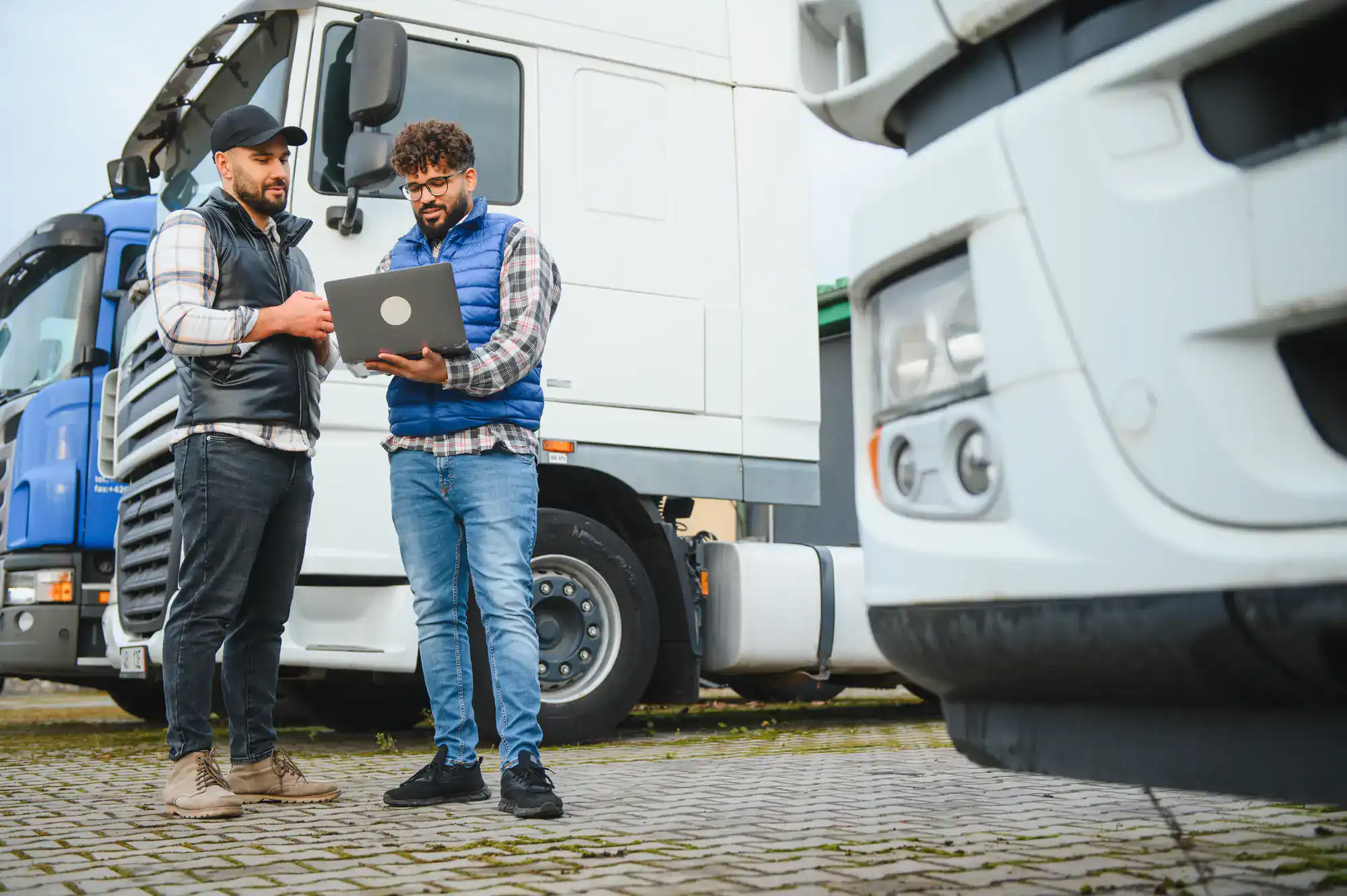
You reach out and tell us how many trucks you need tested and where they’re located in Torrance. We schedule a time that doesn’t disrupt your operations—early morning, between runs, whatever works.
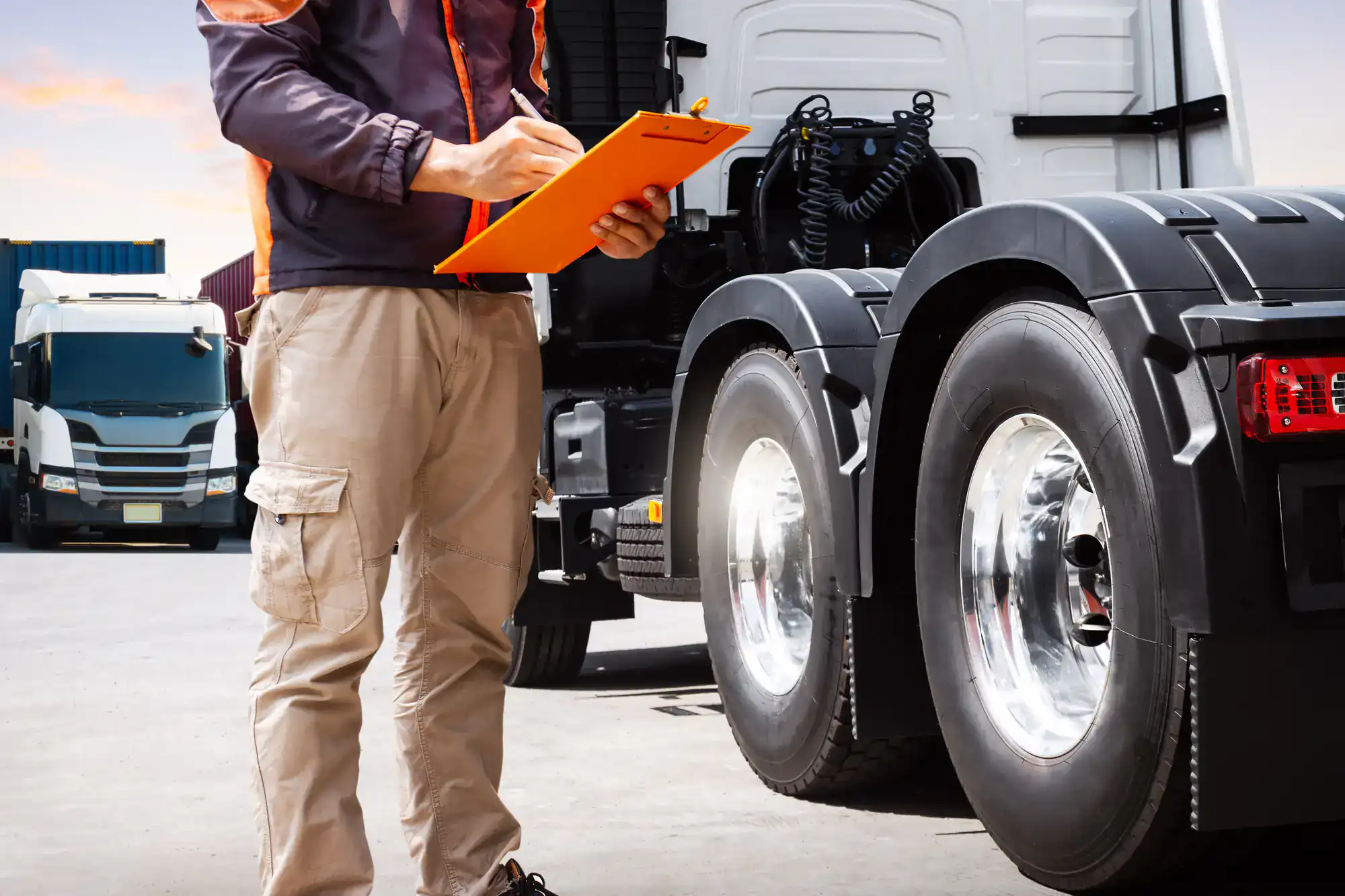
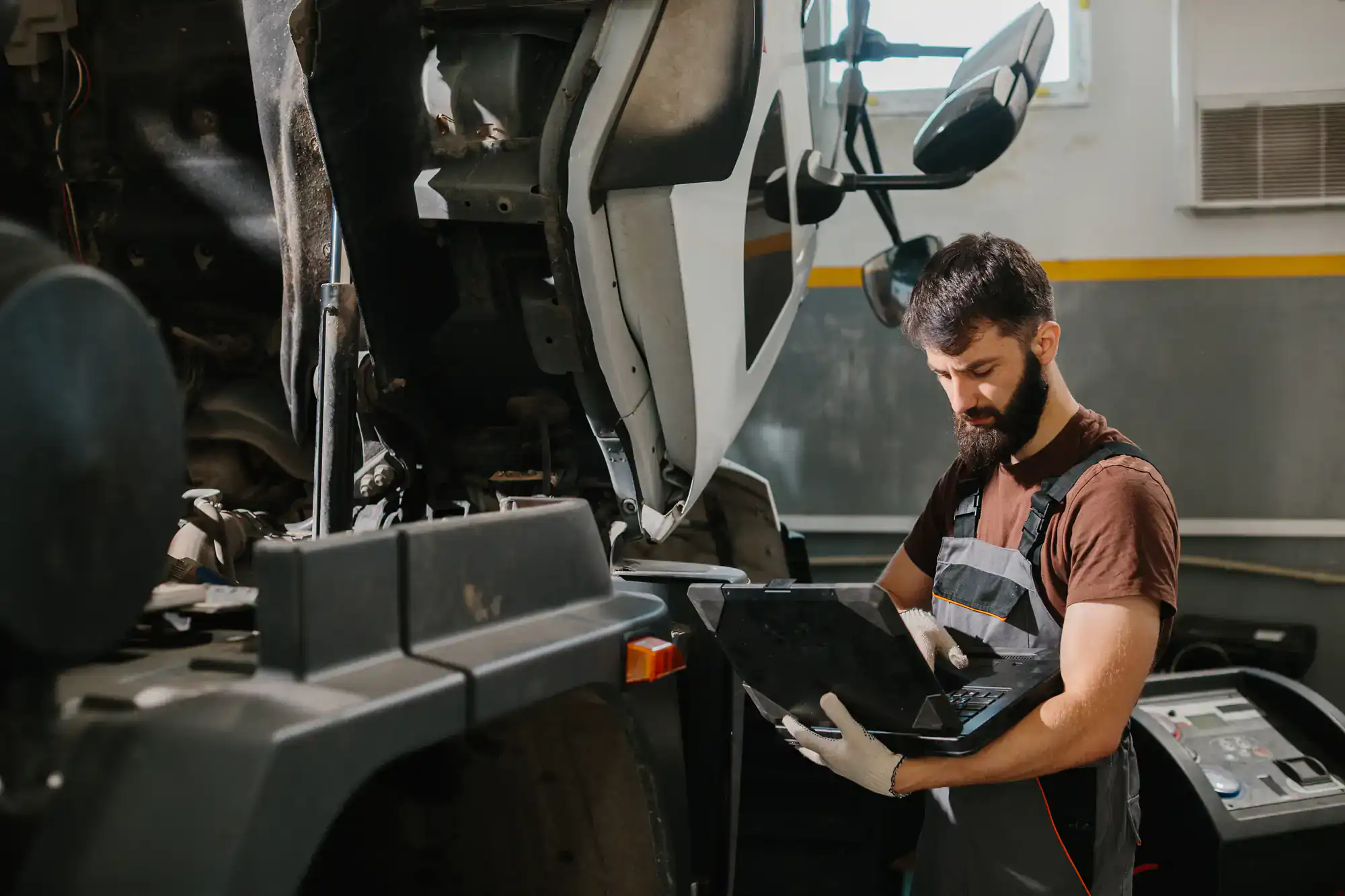
We show up with CARB-approved OBD testing equipment. For trucks with 2013 or newer diesel engines, we’re plugging into your onboard diagnostics system to check emissions data. The test itself doesn’t take long. We’re looking at fault codes, emissions system performance, and compliance with CARB HD I/M testing standards.
Once testing is complete, we submit results directly to CARB and handle the reporting requirements. You get documentation showing your truck passed. If there’s an issue, we’ll tell you exactly what needs attention before you can pass—no runaround, just straight information.
Your truck stays compliant for the next six months. You avoid fines, registration problems, and access issues. Then we do it again when your next test is due. That’s the cycle until 2027, when testing frequency increases to quarterly for OBD-equipped vehicles.
Ready to get started?
You’re getting a CARB credentialed tester who’s authorized to perform heavy-duty vehicle compliance testing in California. That credential matters because only credentialed testers can submit valid test results to CARB. Random smog shops can’t do this work.
You’re getting mobile service in Torrance and surrounding areas. We come to your yard, your facility, or wherever your trucks are parked. You’re not driving across town to find a testing station or taking trucks out of service longer than necessary.
You’re getting testing that covers 2013 and newer heavy-duty diesel trucks over 14,000 pounds GVWR. That includes semi trucks, commercial vehicles, fleet trucks, and other qualifying heavy-duty diesels. This service doesn’t apply to older trucks or lighter vehicles—the regulations are specific about model year and weight.
Torrance has over 1,000 trucking companies operating within 50 miles. Many are small operations or owner-operators running one or two trucks. You’re competing for loads, managing tight margins, and dealing with California’s regulatory environment. The last thing you need is a compliance issue that costs you time and money. Our testing keeps you legal and operational without the hassle of figuring out CARB truck regulations on your own.
Your truck needs testing if it’s model year 2013 or newer and has a gross vehicle weight rating over 14,000 pounds. This includes semi trucks, heavy-duty commercial vehicles, motorcoaches, transit buses, and other qualifying diesels registered or operating in California.
The key is both conditions have to be true. A 2015 truck under 14,000 pounds doesn’t qualify. A 2010 truck over 14,000 pounds doesn’t qualify either. CARB is specific about this.
If your truck meets both requirements and operates in California, you need semi-annual testing starting January 1, 2025. That means twice a year, every year. The frequency goes up to four times per year starting October 2027 for OBD-equipped vehicles. Missing tests leads to DMV registration holds and fines up to $10,000 per vehicle per day.
Testing costs vary depending on how many trucks you’re testing and your location in Torrance. Mobile testing typically runs between $50 and $75 per vehicle based on what we’re seeing across California providers.
You’re paying for convenience and credentials. We come to you, which saves you time and operational disruption. We’re CARB credentialed, which means our test results are valid and accepted by the state. Not every shop can perform this testing legally.
Some operations try to save money by driving to cheaper testing locations. Then they lose half a day per truck, pay for fuel, and still end up spending more when you factor in downtime. Mobile testing makes sense when you’re running a business where time matters. Get a quote based on your specific situation—fleet size, location, and scheduling needs all factor in.
If your truck fails, you’ll get a report showing exactly what triggered the failure. Usually it’s fault codes in the emissions system, OBD issues, or problems with diesel particulate filters or other emissions components.
You’ll need to get those issues repaired before the truck can pass testing. We’ll tell you what needs fixing, but we don’t do the repairs—that’s on you or your mechanic. Once repairs are complete, you’ll need to retest.
The bigger problem is what happens if you don’t test at all or keep operating a failed truck. CARB can flag your vehicle with the DMV, which blocks registration renewal. You can’t legally operate in California with a registration hold. CHP roadside inspections can catch non-compliant trucks, and you’re looking at fines up to $10,000 per vehicle per day. Ports and railyards can deny access to non-compliant vehicles. The consequences are steep enough that it’s worth making sure your trucks pass the first time.
No. Regular smog shops can’t perform Clean Truck Check testing unless they have a CARB credentialed tester on staff. The credential is specific to heavy-duty vehicle compliance testing, and most standard smog check stations don’t have it.
CARB maintains a list of credentialed testers, but finding one who offers mobile service in Torrance isn’t always easy. A lot of testing stations require you to bring your truck to them, which means downtime and logistics headaches.
We’re credentialed and we come to you. That’s the difference. You’re not calling around trying to find someone who can legally test your heavy-duty diesel. You’re not driving your semi to a shop and waiting around. We handle the testing on-site, submit results to CARB, and you’re done. If you’re managing multiple trucks, we can test your whole fleet in one visit instead of you coordinating individual appointments across town.
Right now, you need testing twice a year—that’s semi-annual. The requirement started January 1, 2025, and applies to all qualifying heavy-duty diesel trucks operating in California.
Starting October 1, 2027, the frequency increases to four times per year for OBD-equipped vehicles. That’s quarterly testing. CARB is tightening compliance requirements over time, so what you’re dealing with now is just the beginning.
You need to track your testing dates and make sure you’re current. Missing a test doesn’t just risk fines—it triggers DMV registration holds that prevent you from renewing your vehicle registration. That means your truck can’t legally operate in California until you’re compliant. For owner-operators or small fleets, that’s lost income every day your truck sits idle. Set reminders, schedule ahead, and treat this like any other required maintenance. It’s not going away.
Yes, if your out-of-state truck meets the requirements—2013 or newer, over 14,000 pounds GVWR—and you’re operating in California, you need testing. CARB regulations apply to any qualifying vehicle operating in the state, not just California-registered trucks.
This catches a lot of interstate operators off guard. You might be based in Nevada or Arizona, but if you’re running loads into California, you’re subject to CARB diesel compliance rules. CHP can check compliance during roadside inspections. Ports can deny access to non-compliant vehicles.
If you’re running regular routes into California, you need to factor Clean Truck Check testing into your compliance plan. Some out-of-state operators schedule testing when they’re in the area for pickups or deliveries. Mobile testing in Torrance makes that easier since we can meet you at a yard or facility instead of you hunting down a testing location. Just don’t assume you’re exempt because your truck is registered elsewhere—California doesn’t care where your plates are from.
Useful Links
Other Services we provide in Torrance