
Hear from Our Customers

Your truck sitting idle costs you money. Every day without a passing Clean Truck Check test is another day you’re not hauling, not earning, and potentially racking up fines that start at $10,000 per vehicle.
California’s HD I/M testing requirements hit hard if you’re not prepared. Starting January 1, 2025, any truck with a compliance deadline needs a passing test submitted to CARB, or the DMV puts a registration hold on your vehicle. That means no tags, no operation, no income.
We handle CARB emissions testing for 2013 and newer diesel trucks over 14,000 pounds in French Valley and throughout Riverside County. You can submit your test up to 90 days before your deadline, which gives you time to address any issues before they become expensive problems. The testing process uses CARB-certified OBD testing devices that scan your engine’s onboard diagnostics, and our credentialed testers know exactly what they’re looking for.
You’re not just checking a box. You’re protecting your registration, avoiding penalties, and keeping your operation moving without interruption.
We’re not run by people who just read about trucking regulations. We spent 25 years as owner-operators in the construction industry, dealing with the same CARB compliance challenges you’re facing right now.
French Valley sits right in the heart of Riverside County’s logistics corridor, where trucks move between the Inland Empire, distribution centers, and ports daily. We opened here because this area needed a reliable Clean Truck Check provider who understands that your truck isn’t just a vehicle—it’s your livelihood.
Our testers are CARB credentialed, which means they’ve completed the required training, passed the exam with at least 80 percent, and renew their certification every two years. We focus exclusively on 2013 and newer trucks with OBD systems because that’s where the regulations are tightest and where most fleets need help right now.
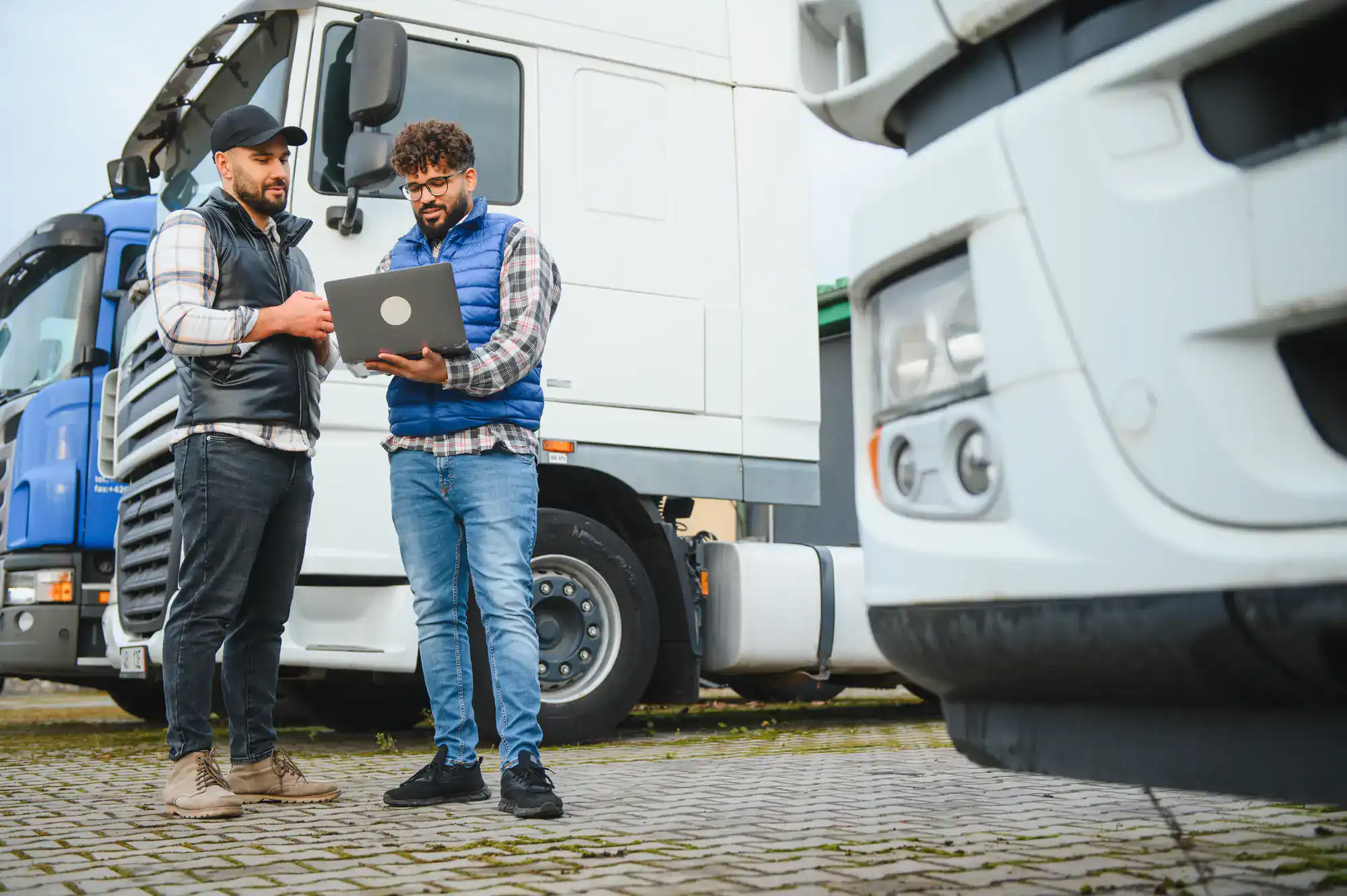
You schedule your Clean Truck Check appointment, and you bring your truck to our French Valley location. The process is straightforward because we’re testing one thing: whether your 2013 or newer diesel truck’s OBD system shows it’s running clean according to CARB standards.
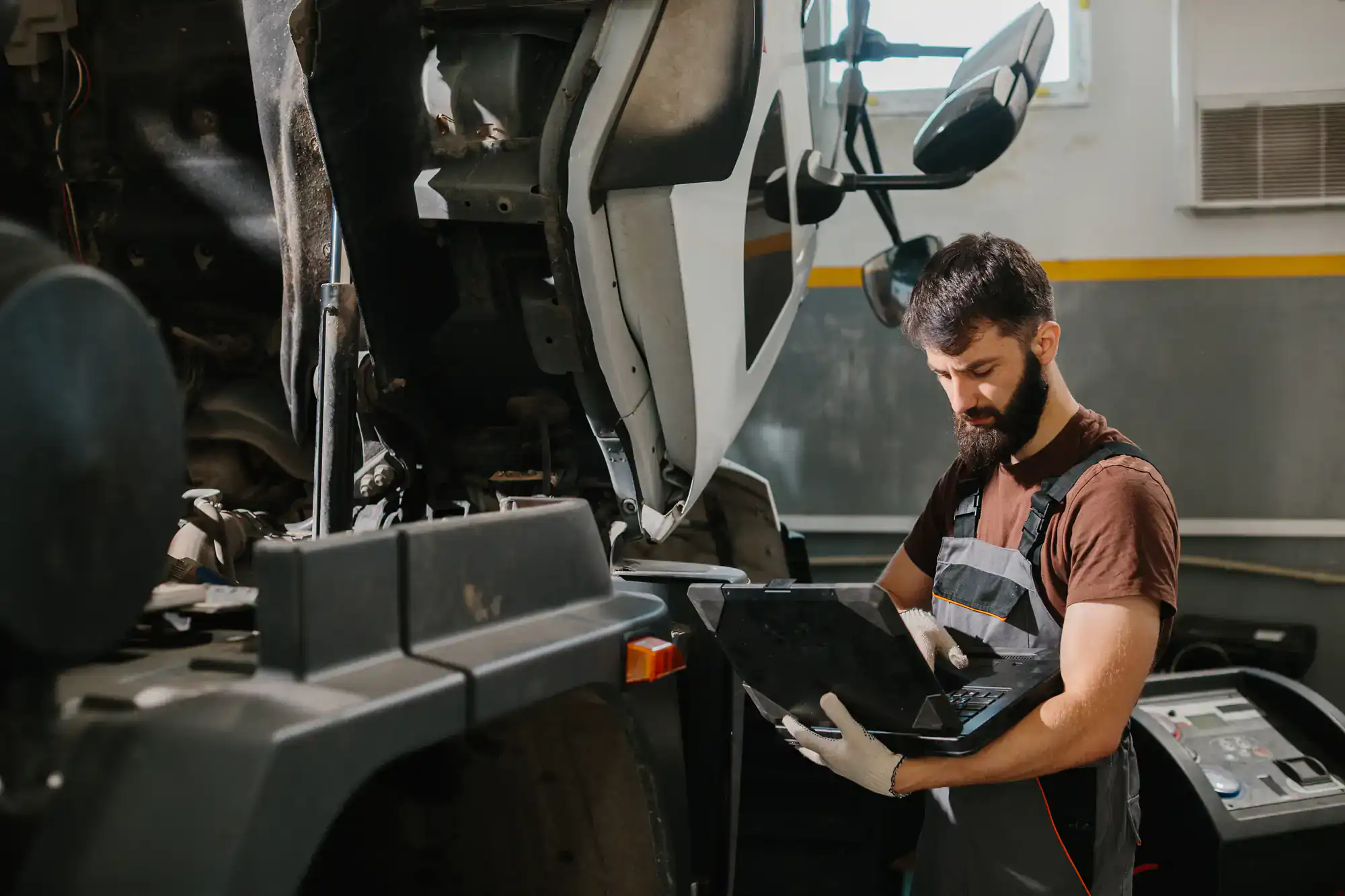
We connect a CARB-certified OBD testing device to your truck’s diagnostic port and run a complete scan of your engine’s emissions data. The device checks for fault codes, monitors readiness status, and verifies that your emissions control systems are functioning properly. This isn’t a visual inspection or a tailpipe test—it’s a data-driven analysis of what your truck’s computer is reporting.
If your truck passes, we submit the results directly to CARB’s database, and you’re compliant for the next six months (or three months once the 2027 quarterly requirements kick in). If something flags during the test, we’ll tell you exactly what the issue is so you can get it repaired before your deadline.
The whole process takes minimal time, and you walk out knowing whether you’re clear or what needs attention. No guessing, no runaround, no registration hold showing up weeks later because something wasn’t submitted correctly.
Ready to get started?
CARB’s HD I/M testing program targets trucks that have the biggest impact on California’s air quality. If your truck has a 2013 or newer diesel engine and weighs over 14,000 pounds gross vehicle weight rating, you’re required to test twice a year right now. That changes to four times a year starting April 1, 2027.
The test itself focuses on your OBD system because that’s where modern emissions controls live. Your truck’s computer monitors everything from diesel particulate filters to NOx sensors, and if any of those systems aren’t working right, the OBD system knows. Our CARB-certified testing device pulls that data and checks it against California’s compliance standards.
French Valley’s location in Riverside County means you’re likely running routes through some of California’s strictest air quality management districts. The South Coast and San Joaquin Valley both have additional regulations, and staying compliant here keeps you clear across the state. Trucks registered out of state but operating in California face the same requirements, so if you’re running loads through the Inland Empire, this applies to you too.
You’re not just avoiding fines. You’re maintaining access to the routes and contracts that keep your business running, because non-compliant trucks get flagged, and once that registration hold hits, you’re done until it’s resolved.
Any diesel truck with a 2013 or newer engine and a gross vehicle weight rating over 14,000 pounds operating in California needs to complete Clean Truck Check testing. This includes semi-trucks, heavy-duty pickups used commercially, construction equipment, buses, and any other heavy-duty vehicle that meets those specs.
The key qualifier is the OBD system. If your truck has onboard diagnostics that monitor emissions controls, CARB requires periodic testing. That applies whether you’re a fleet operator with 50 trucks, an owner-operator with one rig, or an out-of-state driver running California routes.
Lighter trucks under 14,000 pounds and older diesel engines from before 2013 aren’t part of this program. They may have other CARB requirements, but they don’t need the OBD-based Clean Truck Check testing we’re talking about here.
Right now, you need to test twice a year—every six months. Your specific deadline depends on your vehicle’s compliance schedule, which CARB assigns based on your truck’s VIN and registration.
You can submit your test up to 90 days before your deadline, which is important because it gives you a buffer. If your truck fails, you have time to get repairs done and retest before the deadline hits and triggers a registration hold.
Starting April 1, 2027, the frequency increases to four times a year for OBD-equipped trucks. That’s every 90 days, which means tighter scheduling and more attention to keeping your emissions systems maintained. The change is already set, so planning for it now makes sense if you’re managing a fleet or running a truck that’ll still be on the road in two years.
If your truck fails, the test results show exactly which OBD codes or readiness monitors triggered the failure. You’ll need to get those issues repaired before you can pass a retest and submit compliant results to CARB.
The most common failures involve diesel particulate filter problems, NOx sensor issues, or incomplete readiness monitors that indicate your emissions systems haven’t run through a full drive cycle yet. Sometimes it’s a legitimate repair need. Other times it’s a matter of driving the truck under the right conditions to set the monitors.
Once repairs are done, you come back for a retest. If you’re within that 90-day window before your deadline, you still have time to get compliant without facing penalties. But if your deadline passes without a passing test on file, the DMV puts a registration hold on your truck, and you’re stuck until you pass and the hold gets lifted—which can take days or weeks depending on how quickly the systems update.
You can test at any CARB-credentialed testing location in California. The results get submitted to the same statewide database regardless of where you test, so your compliance status updates no matter which facility you use.
That said, testing in French Valley with us makes sense if you’re operating in Riverside County or the broader Inland Empire. You’re not fighting Los Angeles traffic to reach a testing center, and you’re working with testers who understand the local trucking environment—the routes you run, the conditions your trucks operate in, and the timelines you’re working against.
If you’ve got trucks scattered across the state or you’re on the road when your deadline approaches, find a credentialed tester wherever you are. CARB maintains a searchable database of credentialed testers, so you can locate someone nearby. Just make sure they’re equipped to handle OBD testing for heavy-duty diesel trucks, because not every location has the right equipment.
Testing costs vary by provider, but you’re typically looking at a fee that’s a fraction of what you’d pay in fines or lost revenue from downtime. A single day of a truck sitting idle costs most operators $500 or more in lost income, and CARB penalties start at $10,000 per vehicle per day for non-compliance.
The actual test itself is quick—usually under an hour from start to finish if there are no issues. You’re paying for the credentialed tester’s time, the CARB-certified equipment, and the submission of your results to the state database.
What matters more than the testing fee is the cost of not testing. Registration holds shut down your operation completely. Fines compound daily. And if you’re under contract with shippers or brokers who require CARB compliance, losing that status can mean losing the contract entirely. The testing cost is predictable and manageable. The cost of skipping it isn’t.
Yes, if your truck operates in California. CARB’s HD I/M requirements apply to any heavy-duty diesel truck operating within the state, regardless of where it’s registered. If you’re running loads through California—even if you’re just passing through—you need to comply with Clean Truck Check testing.
Out-of-state trucks follow the same testing schedule as California-registered vehicles. You’ll have a compliance deadline assigned based on your VIN, and you need to submit passing test results to avoid penalties and operational restrictions.
This catches a lot of interstate operators off guard, but California enforces it. Roadside inspections can check compliance status, and if your truck is flagged as non-compliant, you’re facing fines and potential impoundment until you get tested and clear. If you’re regularly running California routes, it’s worth getting on a testing schedule and treating it like any other operational requirement for doing business in the state.
Useful Links
Other Services we provide in French Valley