Hear from Our Customers

Here’s what happens when you stay compliant: your trucks stay registered, your drivers stay on schedule, and you avoid the $1,000-per-day penalties that CARB hands out without hesitation. You’re not scrambling to explain to a customer why their delivery is late because your rig got flagged at a checkpoint.
CARB diesel compliance isn’t just paperwork. It’s what keeps your operation running without the state breathing down your neck. Every six months, your 2013 or newer trucks with a GVWR over 14,000 pounds need OBD emissions testing using CARB-approved equipment. Miss that window, and the DMV puts a hold on your registration. That truck sits. You lose revenue.
The cost of downtime runs $600 to $1,000 per truck per day when you factor in lost loads, driver wages, and customer trust. Compliance testing takes a fraction of that time and prevents all of it. You get your TRUCRS certificate, your trucks stay legal, and your business keeps moving.
We operate right here in Rancho Mirage, CA, serving the heavy-duty trucking community that moves freight through the Coachella Valley and beyond. We’re CARB certified, which means we use the exact testing equipment and procedures the state requires—no shortcuts, no guesswork.
Rancho Mirage sits along Interstate 10, one of the busiest freight corridors in the country. That means high visibility for CARB enforcement, roadside checks, and license plate readers scanning for non-compliant trucks. You’re operating in a market where compliance isn’t just recommended—it’s actively monitored.
We’ve built our service around the reality that your trucks need to stay on the road. That’s why we focus exclusively on heavy-duty vehicle compliance CA standards for 2013 and newer model year trucks. We know the regulations, we know the equipment, and we know what it takes to get you tested, certified, and back to work.

First, we verify your truck qualifies: model year 2013 or newer, GVWR over 14,000 pounds. If it doesn’t meet both criteria, this service doesn’t apply. No exceptions, because that’s how CARB writes the rules.
Next, we connect to your truck’s onboard diagnostics system using CARB-approved testing equipment. This is OBD emissions testing—it reads data directly from your engine’s computer to check for emission control system performance. We’re looking at fault codes, readiness monitors, and whether your diesel particulate filter and other emissions components are functioning within California’s limits.
The test itself takes about 30 minutes if everything’s running clean. If your truck passes, you get your TRUCRS certificate on the spot. That certificate goes into the state’s system, clearing your registration and keeping you compliant for the next six months. If something flags, we’ll tell you exactly what needs attention before you can retest.
You’re not waiting days for results or dealing with vague explanations. You know where you stand before you leave, and you know when your next test is due. Semi-annual testing means you’re back every six months—plan for it, and it never becomes an emergency.

Ready to get started?
You’re paying for CARB-certified testing that meets California Air Resources Board standards. That means certified equipment, trained technicians, and a process that holds up under state audits. You’re also paying to avoid the alternative: registration holds, roadside citations, and the kind of fines that add up faster than you can schedule a retest.
Rancho Mirage and the surrounding Coachella Valley see heavy commercial truck traffic year-round. CARB knows this, which is why enforcement is consistent and visible. Roadside emissions monitoring devices and automated license plate readers are actively scanning for non-compliant vehicles. If your truck’s flagged and you’re not current on testing, you’re getting pulled over.
The testing itself focuses on your emissions control systems—specifically, whether your 2013 or newer diesel engine is operating within NOx and particulate matter limits. California’s air quality standards are the strictest in the country, and heavy-duty trucks are a primary focus. Your DPF, SCR system, and EGR components all get evaluated through the OBD system. If any of those systems throw a code or fail to meet readiness criteria, your truck doesn’t pass.
What you get at the end is a TRUCRS certificate that proves compliance. That certificate is your documentation if you’re ever stopped, and it’s what the DMV checks before renewing your registration. Without it, your truck is legally grounded.
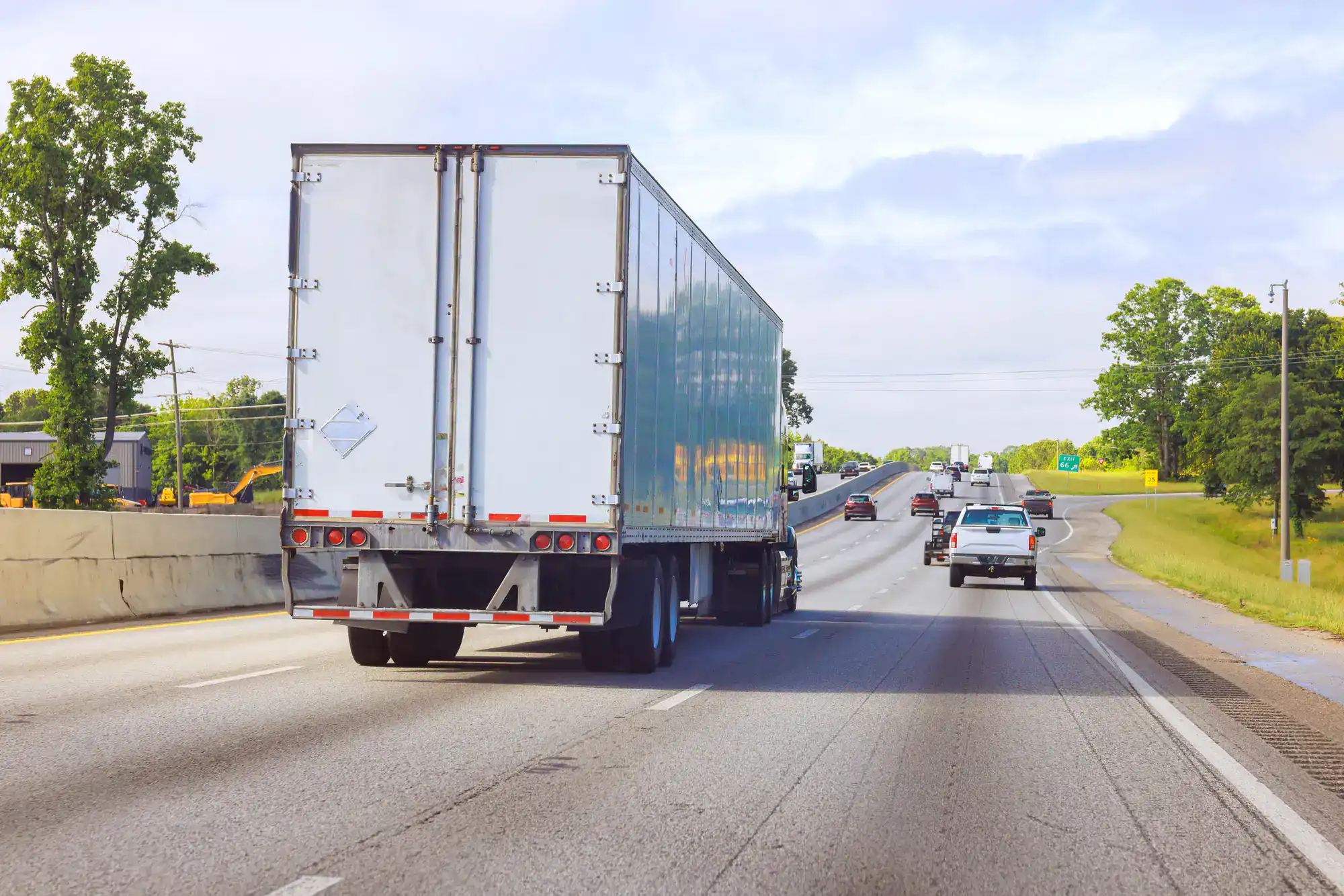
Every six months. California requires semi-annual emissions testing for all heavy-duty trucks with a 2013 or newer model year engine and a GVWR over 14,000 pounds. That’s twice a year, and the state tracks it.
If you miss your testing window, the DMV will place a registration hold on your vehicle. That means you can’t legally operate the truck until you complete the test and clear the hold. You’ll also risk fines if you’re caught driving a non-compliant vehicle—up to $1,000 per day, per truck.
Mark your calendar based on your last test date. If you tested in January, you’re due again in July. If you’re running multiple trucks, stagger your tests so you’re not scrambling to get your whole fleet done at once. Staying ahead of the deadline keeps your operation smooth and your trucks on the road.
You’ll need to fix whatever caused the failure, then retest. The test results will show exactly which emissions system flagged—whether it’s a fault code, a readiness monitor that isn’t set, or a component like your diesel particulate filter not performing within limits.
Common failure points include DPF issues, SCR system malfunctions, and EGR valve problems. These are the emissions control systems that California monitors most closely on 2013 and newer diesel engines. If any of them aren’t working correctly, your truck won’t pass.
Once you’ve made the repairs, you come back for a retest. There’s no waiting period, but you do need to make sure the issue is actually resolved. Retesting without fixing the problem just wastes your time and money. If you’re not sure what the failure means or what it’ll take to fix it, ask before you leave. We’ll walk you through what the codes are telling us and what your next step should be.
Yes, if you’re operating a heavy-duty truck in California with a 2013 or newer engine and a GVWR over 14,000 pounds, you need to comply with CARB testing requirements. It doesn’t matter where your truck is registered—if you’re driving in California, you’re subject to California emissions rules.
Out-of-state fleets and owner-operators often miss this. They assume their home state’s emissions standards are enough, but California’s regulations are separate and stricter. CARB enforcement doesn’t give out-of-state plates a pass. Roadside checks, weigh station inspections, and automated monitoring systems all apply to you.
If you’re running regular routes through California, plan for semi-annual testing just like in-state operators. If you’re passing through occasionally, make sure your truck would pass a CARB test before you cross the state line. Getting flagged at a checkpoint and failing an on-the-spot inspection means fines, delays, and a truck that can’t move until you’re compliant.
No. This specific testing requirement applies only to trucks with a 2013 or newer model year engine and a GVWR over 14,000 pounds. If your truck is older than 2013 or weighs less than 14,000 pounds, this service doesn’t apply to you.
CARB’s Heavy-Duty Inspection and Maintenance program focuses on newer diesel engines because that’s where OBD emissions testing is most effective. Older trucks fall under different regulations, and lighter commercial vehicles have separate requirements. Don’t assume your truck qualifies just because it’s commercial—check the model year and weight rating first.
If you’re running a mixed fleet, you’ll need to know which trucks require semi-annual OBD testing and which don’t. The rules are specific, and getting it wrong means either paying for testing you don’t need or skipping testing you do need and facing penalties. When in doubt, verify your truck’s specs before scheduling.
CARB fines start at $1,000 per day, per vehicle. That’s not a one-time penalty—it’s daily, and it adds up fast. If you’re running multiple non-compliant trucks, multiply that fine by the number of vehicles. A week of non-compliance on a three-truck operation is $21,000.
Then there’s the registration hold. The DMV won’t renew your registration until you’re compliant, which means your truck is legally grounded. You can’t take loads, you can’t generate revenue, and you’re still paying insurance, financing, and driver wages. Downtime costs run $600 to $1,000 per truck per day when you factor in lost income and fixed expenses.
On top of that, you risk your reputation with customers and brokers. If you can’t deliver because your truck got flagged for non-compliance, that’s a reliability issue. In a competitive market, that’s business you won’t get back. The cost of staying compliant is a fraction of what you’ll pay if you don’t—both in fines and in lost opportunities.
Mobile testing is available for fleets and operators who need on-site service. If you’re running multiple trucks or your operation is based outside Rancho Mirage but within our service area, we can bring CARB-certified testing equipment to you.
This is especially useful for larger fleets that need to test several trucks at once without pulling them off the road individually. You schedule a block of time, we show up with the equipment, and we run through your trucks one by one. It minimizes disruption and keeps your operation moving.
For single trucks or owner-operators, coming to our location in Rancho Mirage is usually the fastest option. Either way, the testing process is the same—CARB-approved equipment, certified technicians, and same-day results. If mobile testing makes more sense for your situation, reach out and we’ll work out the logistics.
Useful Links
Other Services we provide in Rancho Mirage