Hear from Our Customers

You stay on the road. Your DMV registration doesn’t get blocked. Your trucks don’t get impounded at a weigh station because you missed a deadline or didn’t know the rules changed.
That’s what CARB compliance testing does for you. It’s not optional anymore—as of January 1, 2024, every heavy-duty diesel truck operating in California with a 2013 or newer engine and a GVWR over 14,000 pounds has to pass the Clean Truck Check. Twice a year. And starting in 2027, that goes up to four times a year if your truck has OBD.
Miss it, and you’re looking at fines starting at $1,000 per vehicle per day. Some violations go as high as $10,000 daily. The state will block your registration renewal. They can pull your truck off the road. This isn’t a warning letter situation—it’s enforcement, and it’s already happening across California.
We handle CARB emissions testing for trucks that meet the requirements. You bring your truck in, we run the OBD scan and visual inspection, submit the results directly to CARB, and you get documentation that keeps you compliant. You can submit passing results up to 90 days before your deadline, so you’re not scrambling last minute.
All SMOG Motors is a CARB credentialed testing facility in Lawndale, CA. Our testers completed the state’s training program and passed the required exam to handle Clean Truck Check inspections for heavy-duty diesel vehicles.
We’re located right in the heart of LA County’s trucking corridor. Lawndale sits between the 405 and 110 freeways, close to the ports, distribution centers, and the 290+ trucking companies operating in this area. You’re not driving an hour out of your way to get tested.
We don’t test older trucks or lighter vehicles. This service is only for trucks with 2013 or newer model year engines and a GVWR over 14,000 pounds. That’s the regulation, and that’s what we’re set up to handle. If your truck doesn’t meet those specs, we’ll tell you upfront—we’re not going to waste your time or ours.

You schedule an appointment or come in during business hours. Bring your truck, your registration, and any compliance paperwork you’ve already got. We’ll verify your truck qualifies—2013 or newer engine, over 14,000 GVWR.
Then we run the OBD scan using CARB-certified equipment. We’re pulling diagnostic codes directly from your truck’s onboard computer to check emissions system performance. We also do the required visual inspection—checking for tampering, missing components, or anything that would flag a failure.
If your truck passes, we submit the results directly to the CARB database that same day. You get documentation showing you’re compliant. That record ties to your VIN and your DMV registration, so when your renewal comes up, you’re clear.
If something fails, we’ll tell you what the issue is. We don’t do repairs here, but we’ll explain what needs to get fixed so you can take it to your mechanic and come back for a retest. The goal is to get you compliant as fast as possible with no runaround.

Ready to get started?
You get an OBD emissions scan using state-certified diagnostic equipment. That’s the main test for trucks with 2013 and newer engines—it checks whether your emissions control systems are working the way CARB requires.
You also get a visual inspection. We’re looking at your exhaust system, diesel particulate filter, selective catalytic reduction system, and any other emissions components. If something’s been removed, bypassed, or tampered with, that’s an automatic fail. CARB takes that seriously, and so do the enforcement officers at weigh stations.
We submit your passing results directly to the state’s database. You don’t have to mail anything in or upload documents yourself. It’s handled. You walk out with proof of compliance that’s already on file with CARB and tied to your truck’s VIN.
Testing happens twice a year right now. Your deadline is based on either your DMV registration date or a VIN-based schedule CARB assigns. You can submit passing results up to 90 days early, which gives you a buffer if you’re planning routes or maintenance windows. By 2027, OBD-equipped trucks will need testing four times a year, so getting into a routine now makes sense.
Lawndale’s location makes this easier for most operators in LA County. You’re not losing half a day driving to a testing site. You’re in and out, and your truck stays in service.
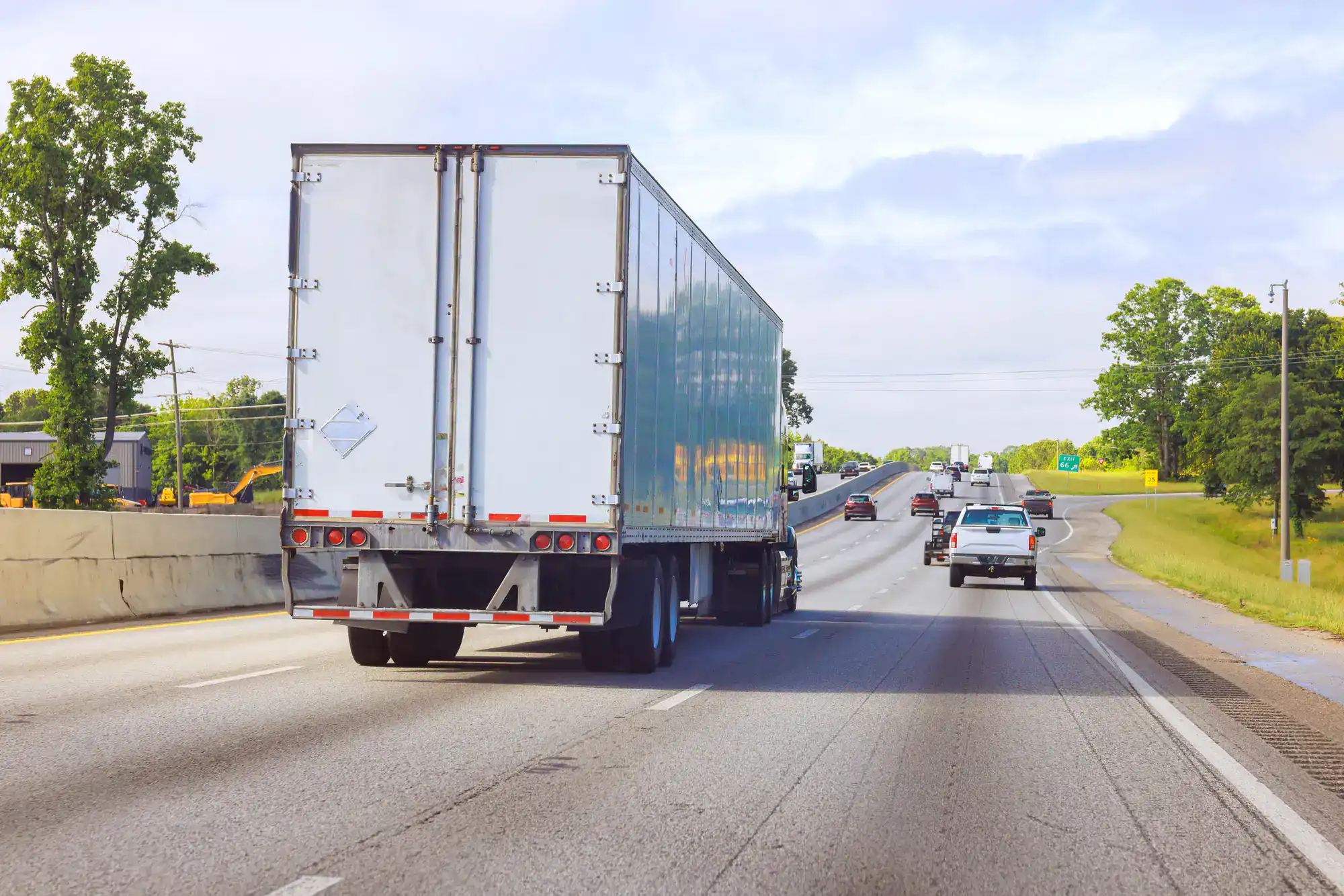
If your truck has a 2013 or newer model year engine and a gross vehicle weight rating over 14,000 pounds, and it operates in California, it needs testing. That’s the baseline requirement under the Clean Truck Check program.
The rule applies to both in-state and out-of-state trucks. If you’re driving through California or making deliveries here, you’re subject to the same testing requirements as trucks registered in the state. CARB doesn’t give exemptions based on where your truck is plated.
Your testing schedule depends on your registration date or a VIN-based schedule assigned by CARB. Most trucks are on a semi-annual schedule right now—twice a year. You’ll get notices from CARB or see the requirement when you go to renew your registration. If you’re not sure when your next test is due, you can check the CARB website using your VIN, or bring your paperwork in and we’ll help you figure it out.
You get a report that explains what failed. Usually it’s an OBD code showing an emissions system isn’t performing correctly, or it’s a visual inspection issue like a missing or modified component.
You’ll need to get the problem fixed before you can pass a retest. We don’t do repairs, so you’ll take your truck to a diesel mechanic who can address whatever triggered the failure. Once it’s fixed, you come back and we retest. If it passes, we submit the results to CARB and you’re compliant.
The bigger issue is timing. If your compliance deadline passes and you haven’t submitted a passing test, the state can block your DMV registration renewal. They can also issue fines starting at $1,000 per day per vehicle. If you get pulled into a weigh station and you’re not compliant, they can impound your truck on the spot. So if something fails, you need to handle it fast. Don’t wait until the deadline to get tested—give yourself time to fix issues and retest if needed.
You can submit passing test results up to 90 days before your compliance deadline. That’s built into the regulation to give you flexibility.
If you’ve got a slow week or your truck’s already in the area, get it done early. That way you’re not scrambling at the last minute if something fails or if you’re on a long haul when your deadline hits. The 90-day window is there specifically so you can plan around your schedule instead of getting jammed up.
Once you pass and we submit your results, that test counts toward your current compliance period. You don’t lose anything by testing early—you’re just buying yourself peace of mind and avoiding the risk of a registration hold or a fine. A lot of fleet operators build testing into their regular maintenance cycles now. It’s easier to stay ahead of it than to deal with the fallout if you miss a deadline.
Fines start at $1,000 per vehicle per day for non-compliance. That’s the baseline penalty if you’re operating without a valid Clean Truck Check on file.
Some violations go higher. If CARB finds evidence of tampering—like a deleted DPF or a tuned ECM—you’re looking at fines up to $10,000 per day per vehicle. In extreme cases, penalties can reach $75,000 per vehicle per day, though that’s usually reserved for repeat offenders or large-scale violations.
On top of fines, the state will block your DMV registration renewal if you’re not compliant. That means your truck can’t legally operate in California until you get tested and pass. If you’re pulled into a weigh station and your registration is blocked or you can’t show proof of compliance, they can impound your truck right there. You’re not just paying a fine—you’re losing revenue every day that truck sits. The cost of testing is a fraction of what you’ll pay if you ignore this.
Yes. If your truck operates in California—even if it’s just passing through or making occasional deliveries—it has to meet the same Clean Truck Check requirements as California-registered trucks.
CARB enforces this at weigh stations and during roadside inspections. They’re checking for proof of compliance regardless of where your truck is plated. If you can’t show a valid test result on file, you’re subject to the same fines and penalties as an in-state operator.
The testing schedule is the same too. If your truck has a 2013 or newer engine and a GVWR over 14,000 pounds, you need to test twice a year right now, increasing to four times a year by 2027 for OBD-equipped vehicles. Out-of-state operators sometimes don’t find out about this requirement until they get pulled over, and by then it’s too late. If you’re running California routes regularly, get tested and stay compliant. It’s a lot cheaper than the alternative.
We’re a CARB credentialed testing facility located in Lawndale, CA. We’re set up to handle Clean Truck Check inspections for heavy-duty diesel trucks with 2013 or newer engines and a GVWR over 14,000 pounds.
We’re right off the main trucking routes in LA County’s South Bay area, between the 405 and 110 freeways. You’re not driving way out of your service area to get tested. We run the OBD scan, do the visual inspection, and submit your results directly to CARB the same day if you pass.
You can call ahead to schedule an appointment or come in during business hours. Bring your registration and any prior compliance paperwork if you have it. We’ll verify your truck qualifies, run the test, and get you back on the road. If you’ve got questions about your testing schedule or what your truck needs, we’ll walk you through it. This is what we do.
Useful Links
Other Services we provide in Lawndale