Hear from Our Customers
If you’re running 2013 or newer diesel trucks over 14,000 pounds in California, you already know CARB compliance isn’t optional. What you might not know is how quickly non-compliance can shut down your operation.
Registration holds prevent you from legally operating your vehicles. Roadside violations trigger 30-day deadlines to submit passing test results. Miss those deadlines and you’re looking at fines that start at $1,000 per day and can climb to $10,000 per vehicle per day.
We handle CARB certified smog checks for heavy-duty trucks using credentialed testers and California Air Resources Board approved OBD testing equipment. Your results get submitted directly to CARB within your compliance window. You get documentation that keeps your trucks on the road and your business moving.
Testing frequency is increasing. Right now it’s twice a year. By October 2027, it’ll be four times a year for OBD-equipped vehicles. The earlier you establish a reliable testing relationship in La Crescenta-Montrose, the less scrambling you’ll do when deadlines hit.
All SMOG Motors serves fleet operators and owner-operators throughout La Crescenta-Montrose and the surrounding areas including Glendale, Pasadena, Burbank, and Santa Clarita. We’re certified to perform Clean Truck Check testing on diesel vehicles that meet California’s heavy-duty emissions requirements.
You’re dealing with enough regulatory complexity already. Our job is to make the testing part straightforward so you can focus on running your business instead of worrying about compliance deadlines.
We only work on trucks that qualify under the program: model year 2013 or newer with a GVWR over 14,000 pounds. If your vehicle doesn’t meet those specs, we’ll tell you upfront rather than waste your time.
First, your truck needs to be in “Ready” state. That means the OBD system has completed its diagnostic checks. If you’ve recently reset codes or disconnected the battery, you might need up to two weeks of normal driving before the system is ready to test. We’ll check that first.
For 2013 and newer diesel trucks, we use CARB certified OBD testing devices to scan your vehicle’s emissions data. This isn’t a visual inspection or a tailpipe test. We’re pulling diagnostic information directly from your truck’s computer system to verify your emissions control equipment is functioning correctly.
Once we have your passing results, we submit them to CARB’s database within your compliance window. You can submit passing tests up to 90 days before your deadline, which gives you flexibility if repairs are needed. You’ll receive documentation showing your compliance status.
The annual compliance fee is $31.18 per vehicle for 2025. That’s separate from the testing service but required for program participation. We’ll make sure everything is properly documented so there’s no confusion with DMV registration or roadside enforcement.
Ready to get started?
California’s Clean Truck Check program applies to all heavy-duty trucks operating in the state, regardless of where they’re registered. If you’re running out-of-state trucks through California, you’re subject to the same testing requirements as California-registered vehicles.
Testing frequency started at once per year in 2024. As of 2025, you need testing twice a year. Starting October 2027, OBD-equipped vehicles will require testing four times per year. That’s quarterly testing for most modern heavy-duty trucks.
La Crescenta-Montrose sits in an area where commercial vehicle traffic is significant, and CARB enforcement is active. Roadside emissions monitoring can trigger a Notice to Submit to Testing. When that happens, you have 30 days to provide passing results or face registration blocks and escalating fines.
The program targets smog-forming NOx emissions and diesel particulate matter. CARB estimates it will prevent 7,500 deaths and 6,000 hospitalizations while delivering $75 billion in health benefits. That’s the regulatory backdrop, but what matters to you is staying compliant without disrupting your operations.
Traditional manual inspections can take one to three hours per vehicle, costing $300 to $900 in downtime. OBD testing is faster because we’re accessing data electronically rather than performing lengthy physical inspections. Less time off the road means less revenue lost.
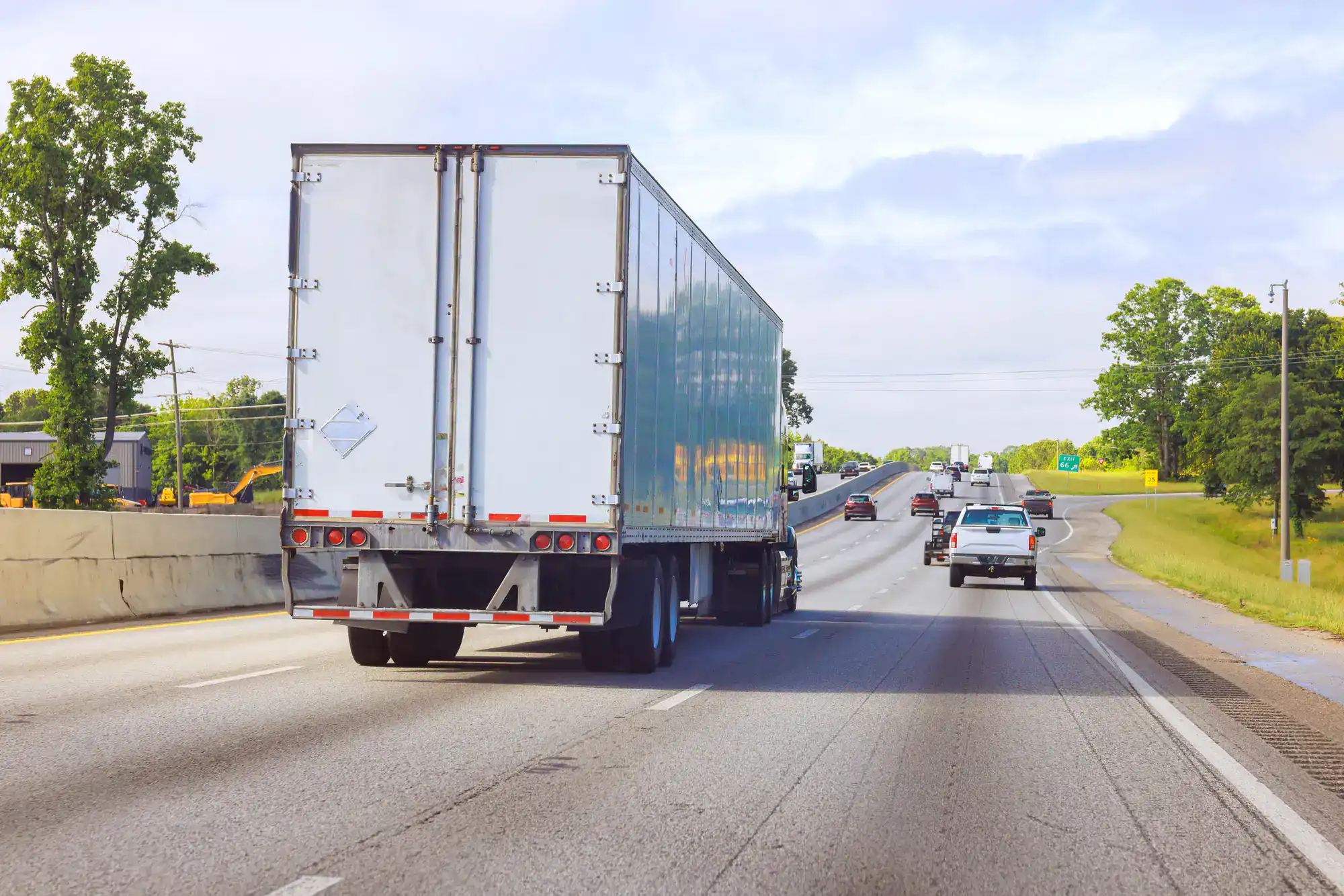
We only test trucks that are model year 2013 or newer with a gross vehicle weight rating over 14,000 pounds. Both criteria must be met.
If your truck is older than 2013 or weighs less than 14,000 pounds GVWR, it doesn’t fall under the Clean Truck Check program and we can’t test it under this service. The program specifically targets newer heavy-duty diesel vehicles because they’re equipped with OBD systems that can be electronically tested.
This isn’t a limitation we’ve chosen. It’s how California Air Resources Board structured the compliance program. If you’re unsure whether your vehicle qualifies, check your registration for the model year and GVWR, or give us a call and we’ll help you figure it out before you make the trip.
Right now, testing is required twice per year for applicable vehicles. That started in 2025.
In 2024, testing was only required once annually. But the program is ramping up. By October 2027, vehicles equipped with OBD systems will need testing four times per year—essentially quarterly.
You can submit passing test results up to 90 days before your compliance deadline. That window gives you time to schedule repairs if something fails, without immediately facing penalties. Missing your deadline triggers registration holds and potential fines starting at $1,000 per day per vehicle, so staying ahead of the schedule matters.
If your truck fails, you’ll need to get the emissions control equipment repaired and then retest. The failure report will indicate what system or component isn’t meeting standards.
You have up to 90 days before your compliance deadline to get a passing result submitted to CARB. That repair window is built into the program specifically so you’re not forced to make emergency repairs that cost more and create unnecessary downtime.
Once repairs are complete, bring the truck back for retesting. When it passes, we submit those results to CARB and you’re compliant. The key is not waiting until the last minute to test, because if repairs are needed, you’ll need that buffer time to avoid penalties and registration issues.
Yes. CARB compliance applies to all heavy-duty trucks operating in California, regardless of where they’re registered.
If you’re running interstate routes that bring you through California, or if you operate primarily in California but maintain out-of-state registration, you’re still subject to Clean Truck Check requirements. The program doesn’t distinguish between California plates and out-of-state plates when it comes to emissions compliance.
You’ll still need to register your vehicle in CARB’s Clean Truck Check database and pay the annual compliance fee. We can test your vehicle and submit results just like we would for a California-registered truck. The testing process and requirements are identical.
“Ready” state means your truck’s OBD system has completed all its internal diagnostic checks and is prepared to report accurate emissions data. If the system isn’t ready, we can’t perform a valid test.
Things that reset your OBD system include disconnecting the battery, clearing diagnostic codes, or certain types of repairs. When that happens, your truck needs to go through specific drive cycles—normal operation under varying conditions—before the system completes its checks. That can take anywhere from a few days to two weeks depending on how you use the vehicle.
Before we test, we’ll verify your truck is in ready state. If it’s not, we’ll tell you what driving conditions are needed to complete the readiness checks. This isn’t something we control—it’s how OBD systems work. Planning ahead and not clearing codes right before testing helps avoid delays.
The state-mandated annual compliance fee is $31.18 per vehicle for 2025. That fee goes to CARB and is required for program participation. It’s separate from our testing service charge.
Our testing service includes the OBD data scan using CARB certified equipment, analysis of your emissions control systems, and submission of results to CARB’s database. You’ll receive documentation showing your compliance status that you can keep for your records or provide during roadside inspections.
Testing frequency affects your annual costs. At twice per year currently, you’re looking at two tests plus the annual compliance fee. When quarterly testing starts in October 2027, that increases to four tests per year. The compliance fee increases annually based on inflation, but the adjustments are typically small year over year.
Useful Links
Other Services we provide in La Crescenta-Montrose