
Hear from Our Customers
You’re running a business, and the last thing you need is your truck sitting idle because of a compliance issue. Starting January 1, 2024, California requires Clean Truck Check testing for nearly all heavy-duty vehicles operating in the state. Miss it, and the DMV puts a hold on your registration.
That means no renewals. No legal operation. No revenue from that truck until you’re compliant.
CARB emissions testing isn’t optional anymore. If you operate a semi truck or any heavy-duty diesel vehicle over 14,000 pounds GVWR from model year 2013 or newer, you need proof of compliance. The testing window opens 90 days before your deadline, but waiting until the last minute puts you at risk. CARB and California Highway Patrol are actively monitoring emissions on the road, and getting flagged means immediate pressure to test.
Getting your TRUCRS certificate through proper CARB certified smog check testing means you stay ahead of enforcement, avoid penalties, and keep your trucks generating income instead of sitting in a lot waiting for clearance.
We focus exclusively on heavy-duty vehicle compliance for trucks model year 2013 and newer with GVWR over 14,000 pounds. We’re not trying to be everything to everyone. We’re CARB credentialed testers who understand the Clean Truck Check program because that’s what we do.
Indian Wells and the broader Coachella Valley see heavy commercial traffic—logistics companies, construction fleets, and independent operators moving goods through Southern California. The desert climate and I-10 corridor mean trucks here work hard, and downtime costs you real money.
We’re local. We understand the compliance deadlines. And we know that when you get a Notice to Submit to Testing letter, you’ve got 30 days to handle it or face consequences. That’s not a lot of time when you’re managing a fleet or running routes.

CARB diesel compliance testing for heavy-duty trucks involves two main components: OBD testing and smoke opacity testing. First, we connect to your truck’s onboard diagnostics system to check for fault codes and verify the emissions control systems are functioning properly. This isn’t a visual inspection—it’s a data-driven analysis of how your truck’s emissions systems are actually performing.
Next comes the smoke opacity test, which measures visible particulate matter in your exhaust. This is especially important for diesel engines, where excessive smoke indicates incomplete combustion and potential emissions control failures.
The entire process typically takes under an hour if your truck is ready and systems are functioning correctly. Once you pass, your results get submitted directly to CARB, and you receive your TRUCRS certificate as proof of compliance. That certificate is what keeps the DMV from blocking your registration and what you’ll need if you’re ever stopped for a roadside inspection.
If your truck doesn’t pass, we’ll tell you exactly what triggered the failure so you can get it repaired and retested. Starting in 2025, most vehicles will need testing twice a year, so staying on top of maintenance now saves you headaches later.

Ready to get started?
Clean Truck Check testing measures two things: whether your emissions control systems are working, and whether your truck is producing excessive visible smoke. Both matter because CARB’s goal is reducing nitrogen oxides and diesel particulate matter—the pollutants that create smog and health risks.
For 2024, you need one passing test. In 2025, the requirement shifts to semi-annual testing for most vehicles, meaning you’ll need to test twice a year to maintain compliance. The testing window opens 90 days before your deadline, which gives you some flexibility to schedule around your operations.
Indian Wells sits in an area where air quality regulations are taken seriously. The Coachella Valley has dealt with air quality challenges for years, and heavy-duty diesel emissions are a major focus for regulators. That means enforcement here isn’t theoretical—it’s active. Roadside emissions monitoring devices flag potential high emitters, and once you’re flagged, you’re on CARB’s radar.
The annual compliance fee is $30 per vehicle, which you pay regardless of whether you pass or fail. Testing fees vary by provider, but you’re looking at a reasonable cost compared to the penalties for non-compliance. More importantly, non-compliant trucks can’t be registered, and shippers can face fines up to $10,000 per year for hiring non-compliant carriers. That creates pressure throughout the supply chain to stay current.
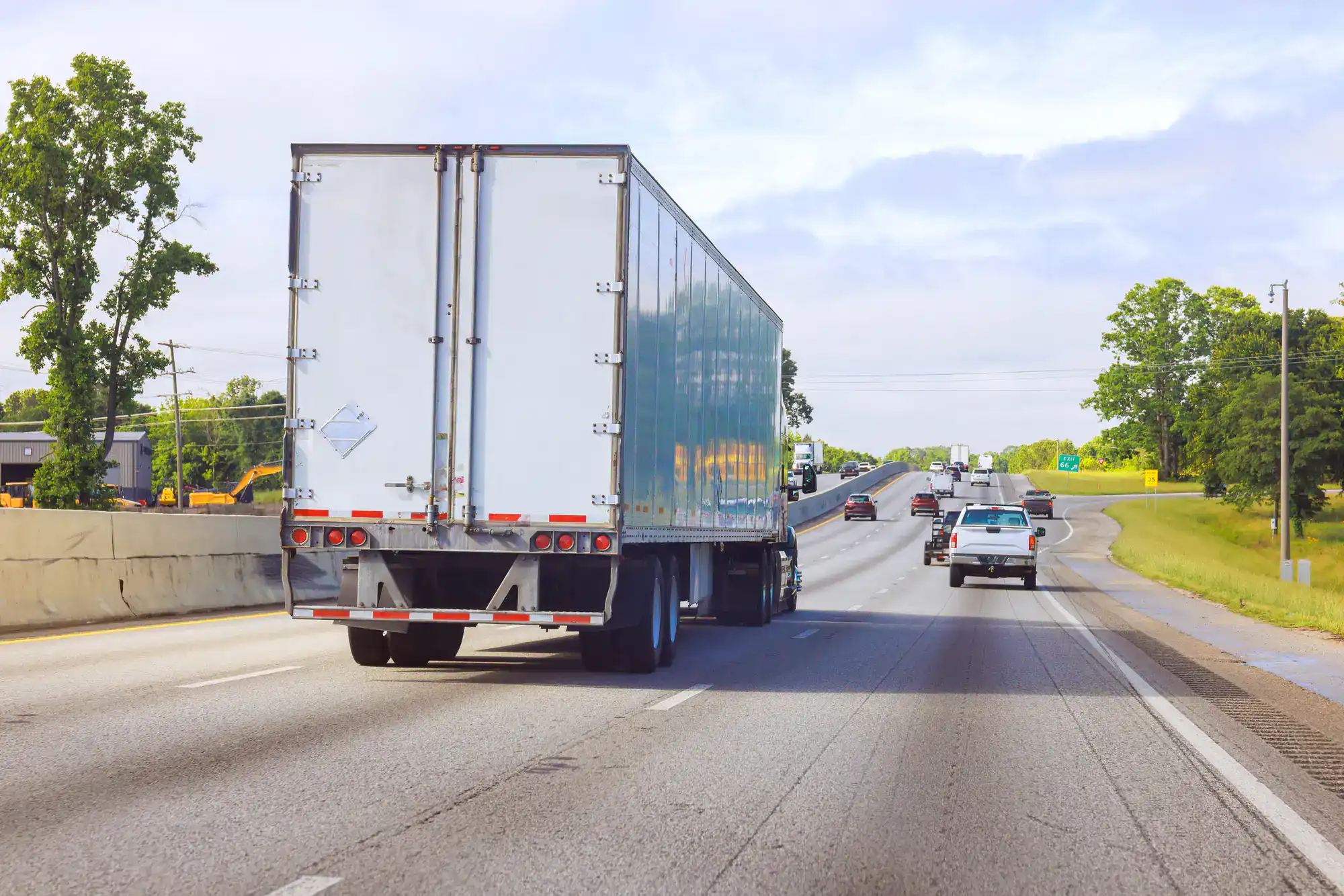
Yes, if you operate in California. CARB compliance applies to any heavy-duty vehicle operating within California borders, regardless of where it’s registered. The Clean Truck Check program doesn’t care if your plates say Nevada, Arizona, or Texas—if your truck is working in California and meets the criteria (model year 2013 or newer, GVWR over 14,000 pounds), you need to comply.
Out-of-state operators sometimes assume California regulations don’t apply to them, but that’s not how it works. CARB and CHP conduct roadside inspections and use emissions monitoring equipment to identify non-compliant vehicles. Getting caught operating without compliance can result in citations, fines, and being ordered off the road until you test.
If you’re running interstate routes that bring you through California regularly, factor compliance testing into your operational planning. The 90-day testing window before your deadline gives you some flexibility, but waiting until you’re already in California and facing enforcement pressure isn’t a strategy.
You’ll get a detailed report showing exactly what caused the failure—whether it’s fault codes in the OBD system, excessive smoke opacity, or both. That report tells you what needs to be fixed before you can retest and get your TRUCRS certificate.
Common failure points include malfunctioning diesel particulate filters, issues with selective catalytic reduction systems, or problems with exhaust gas recirculation. These are complex emissions control systems, and when they fail, your truck won’t pass. You’ll need to get the repairs done by a qualified mechanic, then come back for retesting.
The good news is that once you fix the underlying issue and retest, you’re back in compliance. The bad news is that repairs on modern emissions systems can be expensive, especially if you’ve been deferring maintenance. That’s why regular upkeep matters—catching small problems before they become compliance failures saves you money and downtime. And starting in 2025 when semi-annual testing kicks in, you won’t be able to push problems down the road as easily.
You can test up to 90 days before your compliance deadline, and using that full window is smart. Waiting until the last week puts you at risk if your truck fails and needs repairs before retesting. If you’re managing a fleet, staggering your tests throughout the year prevents bottlenecks and keeps you from scrambling when multiple deadlines hit at once.
Most operators who plan ahead schedule testing 30 to 60 days before their deadline. That gives you buffer room for unexpected failures while still keeping the test results current enough to satisfy CARB’s requirements.
If you receive a Notice to Submit to Testing letter from CARB, you have 30 days to complete testing. That’s a hard deadline, and missing it triggers DMV registration holds. Don’t assume you can push it—CARB tracks compliance centrally, and the system doesn’t give extensions because you were busy or forgot.
Testing must be performed by a CARB credentialed tester. Not every smog shop or truck service center is credentialed for Clean Truck Check testing. CARB requires testers to complete specific training and maintain current credentials, which get renewed every two years.
Some mobile testing services operate throughout California, but you need to verify they’re properly credentialed and insured. Not all mobile testers carry adequate insurance coverage, which can become your problem if something goes wrong during testing.
Choosing a credentialed tester who focuses on heavy-duty vehicles means you’re working with someone who understands the specific requirements for trucks over 14,000 pounds. The testing equipment and procedures differ from standard passenger vehicle smog checks, and experience with heavy-duty diesel emissions matters when you’re trying to diagnose potential issues or understand why a truck failed.
Clean Truck Check is specifically for heavy-duty vehicles—trucks with GVWR over 14,000 pounds, model year 2013 or newer. Regular smog checks apply to passenger vehicles and lighter trucks. The testing procedures are different, the equipment is different, and the compliance requirements are different.
Clean Truck Check focuses on OBD diagnostics and smoke opacity testing for diesel and alternative fuel heavy-duty vehicles. It’s designed to catch emissions control system failures that contribute to smog-forming nitrogen oxides and diesel particulate matter. Regular smog checks use tailpipe emissions testing for gasoline vehicles and have different pass/fail criteria.
You can’t take your heavy-duty truck to a standard smog check station and expect them to handle Clean Truck Check testing. They’re separate programs with separate credentialing requirements. If you operate both light-duty and heavy-duty vehicles, you’ll need to go to different locations for compliance testing depending on the vehicle type.
Bring your vehicle registration and any Notice to Submit to Testing letter you received from CARB. The registration confirms your vehicle information and helps ensure the test results get reported correctly. If CARB sent you an NST letter, that shows you’re on their radar and need to test within the 30-day window.
You’ll also want to have maintenance records available if your truck has had recent emissions system repairs. If something comes up during testing, knowing what work was done recently can help diagnose issues faster.
After you pass, you’ll receive your TRUCRS certificate. Keep that with your truck documentation. If you get stopped for a roadside inspection, that certificate proves you’re current on compliance testing. Starting in 2025 when semi-annual testing becomes standard, you’ll need to track multiple certificates throughout the year to show continuous compliance.
Useful Links
Other Services we provide in Indian Wells