Hear from Our Customers
You don’t get hit with a $10,000 fine. Your registration doesn’t get held up by the DMV. Your trucks don’t get flagged at roadside inspections or pulled from California’s compliance database.
That’s the reality you’re dealing with right now. California’s Heavy-Duty Inspection and Maintenance program went live October 1, 2024. If your truck is model year 2013 or newer and weighs more than 14,000 pounds GVWR, you’re required to pass CARB emissions testing before every compliance deadline starting January 1, 2025.
Miss it, and you’re not just out of compliance. You’re risking real money, operational delays, and the kind of headaches that ripple through your entire schedule. CARB is actively enforcing this with roadside screeners that identify high-emitting vehicles and send notices requiring testing within 30 days.
The testing itself is OBD-based, which means it’s checking your truck’s onboard diagnostics for emission system performance. It’s not a visual inspection. It’s not something you can skip or work around. And it has to be done by a CARB credentialed tester using certified equipment that reports directly to the state.
We specialize in CARB compliance for heavy-duty trucks—specifically the 2013 and newer models that fall under California’s Clean Truck Check program. We’re located in Coachella, which means you’re not driving to LA or Riverside to get this done.
Our testers are CARB credentialed and trained on the OBD testing protocols required for diesel trucks over 14,000 pounds. We use state-approved equipment, and every test result gets reported directly into California’s compliance system.
We’re not a general smog shop trying to figure out heavy-duty compliance on the side. This is what we do. Coachella Valley has a significant trucking presence—agriculture, logistics, freight moving through the I-10 corridor—and most of those operators don’t have time to deal with regulatory confusion or drive hours out of their way for mandatory testing.

You can schedule your test up to 90 days before your compliance deadline. That deadline is based on your truck’s VIN and gets assigned by CARB—it’s not something you pick.
When you bring your truck in, we connect to the OBD port and run the CARB-certified diagnostic test. The system checks your emission control components, pulls fault codes, and verifies that everything is operating within California’s standards. The test takes about 15 to 30 minutes depending on the truck.
If your truck passes, we submit the results electronically to CARB’s database, and you’re good until your next deadline. You’ll also need to pay the $30 annual compliance fee to the state, which is separate from the testing fee.
If your truck doesn’t pass, you’ll get a detailed report showing what failed. You’ll need to get those issues repaired and come back for a retest. CARB gives you time to fix it, but if you’re flagged as a high emitter and received a Notice to Submit to Testing, you’ve only got 30 days from that notice to comply.

Ready to get started?
This service is for semi trucks and other heavy-duty vehicles with a model year of 2013 or newer and a gross vehicle weight rating over 14,000 pounds. If your truck doesn’t meet both of those criteria, this testing doesn’t apply to you.
We perform the official Clean Truck Check inspection using OBD-based emissions testing. That’s the only method CARB accepts for these newer diesel engines. The test evaluates your truck’s emission control systems in real time and checks for malfunctions, tampering, or performance issues that would put you out of compliance.
This applies whether you’re a fleet operator with multiple trucks, an owner-operator running your own rig, or an out-of-state trucker who operates in California. If the truck runs in California, it has to comply. Period.
Coachella sits right in the heart of the Coachella Valley’s agricultural and freight economy. Trucks move through here constantly—hauling produce, servicing the valley’s farms, running I-10 logistics. That means there’s a high concentration of heavy-duty vehicles that now fall under this mandate. And with CARB’s roadside enforcement actively screening trucks, getting tested isn’t something you can put off until it’s convenient.
Starting in October 2027, the testing frequency increases to four times per year for OBD-equipped trucks. Right now, you’re looking at semiannual deadlines starting in 2025. Either way, this is a recurring requirement, not a one-time thing.
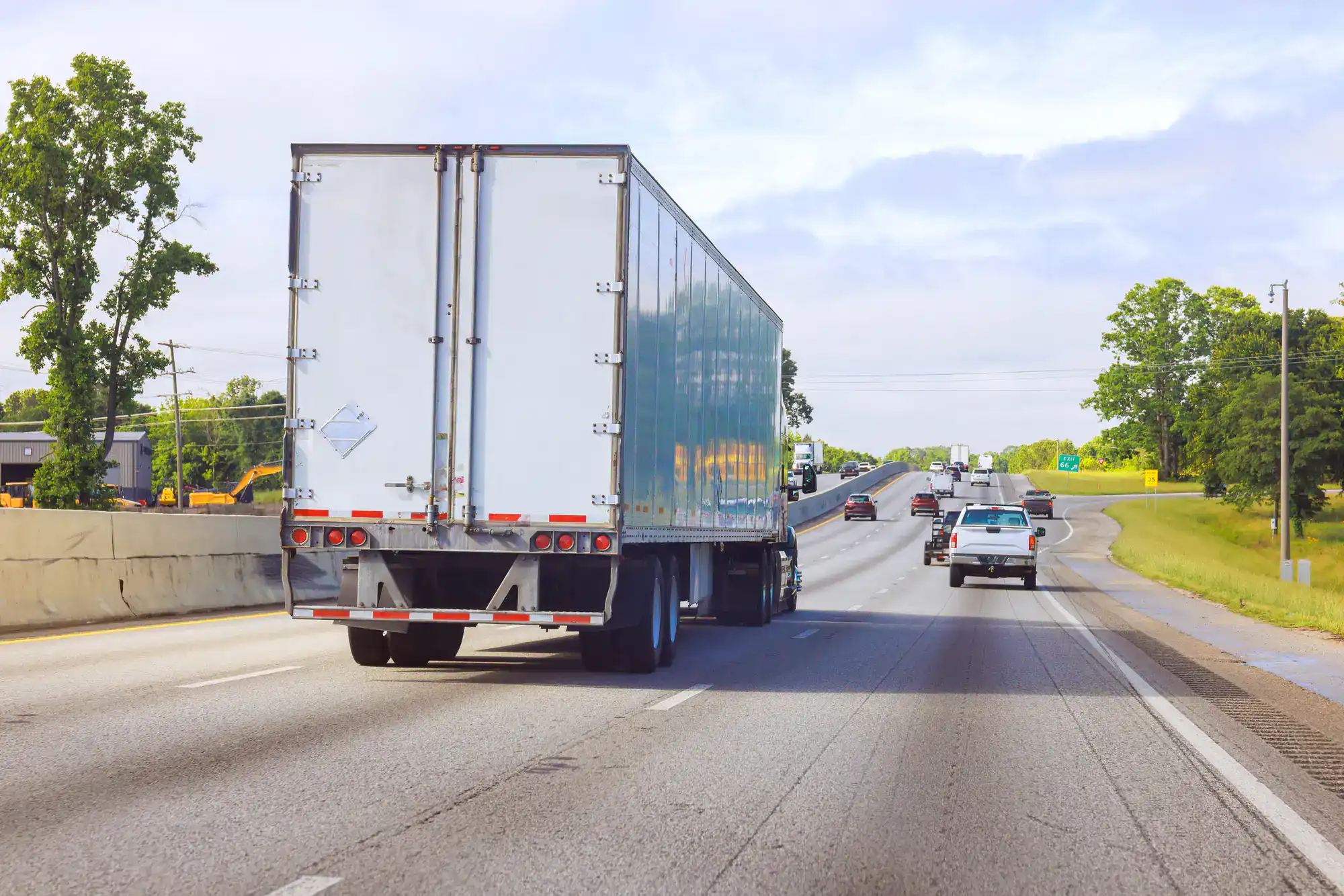
Your truck needs CARB emissions testing if it meets two conditions: it’s model year 2013 or newer, and it has a gross vehicle weight rating over 14,000 pounds. Both have to be true.
This includes semi trucks, heavy-duty diesel trucks, and other commercial vehicles in that weight class. It doesn’t matter if your truck is registered in California or another state. If you operate it in California, you have to comply.
Older trucks and lighter vehicles aren’t part of this program. CARB’s Heavy-Duty Inspection and Maintenance program specifically targets newer diesel engines because they’re equipped with onboard diagnostics that can be tested electronically. If your truck is 2012 or older, or under 14,000 pounds GVWR, this doesn’t apply to you.
The testing fee varies by provider, but you should expect to pay for the inspection itself plus California’s $30 annual compliance fee, which goes directly to the state. The compliance fee is mandatory and separate from what you pay the testing facility.
Right now, testing happens on a semiannual basis. Your specific compliance deadlines are assigned by CARB based on your vehicle identification number. You’ll receive notice of your deadline, and you can get tested up to 90 days in advance.
Starting in October 2027, the frequency increases to four times per year for OBD-equipped vehicles. That’s CARB’s timeline, not ours. The goal is to catch emission issues faster and keep high-emitting trucks off the road. If you run multiple trucks, you’ll need to track each vehicle’s individual deadline and make sure they’re all tested on time.
If your truck fails, you’ll get a report that shows exactly what didn’t pass. Usually it’s a fault code related to your emission control system—something like a malfunctioning diesel particulate filter, EGR issue, or SCR system problem.
You’ll need to get those issues repaired by a qualified mechanic, then bring the truck back for a retest. CARB gives you time to make the repairs, but if you were flagged as a high emitter and received a Notice to Submit to Testing, you only have 30 days from that notice to get compliant.
If you don’t retest and pass within the required timeframe, your truck gets removed from California’s compliance database. That means the DMV can place a registration hold, and you could face fines up to $10,000. You also can’t legally operate that vehicle in California until it passes. It’s not a suggestion—it’s enforced, and CARB has roadside screeners actively identifying non-compliant trucks.
No. The test has to be performed by a CARB credentialed tester using certified equipment. Not every smog shop is set up to handle heavy-duty OBD testing, and not every technician has the training or credentials to perform Clean Truck Check inspections.
You need to go to a facility that’s specifically authorized to do this work. We’re credentialed for CARB compliance testing on 2013 and newer heavy-duty trucks over 14,000 pounds. We use the state-approved diagnostic equipment, and our results get reported directly into CARB’s system.
If you’re based in the Coachella Valley or running routes through the area, coming here saves you the drive to LA or Riverside. A lot of truckers in this region are hauling agricultural products, running freight on I-10, or servicing the valley’s logistics operations. Having a local testing option means less downtime and fewer miles out of your way just to stay compliant.
Yes. If your truck operates in California, it has to meet California’s emissions requirements—regardless of where it’s registered. CARB’s regulations apply to any heavy-duty vehicle operating within state borders.
That means if you’re an out-of-state operator running loads into or through California, your 2013+ trucks over 14,000 pounds GVWR need to be tested and compliant. CARB enforces this at weigh stations and through roadside screening programs that identify high-emitting vehicles in real time.
If you get flagged, you’ll receive a Notice to Submit to Testing, and you’ll have 30 days to get your truck tested and pass. Ignoring it isn’t an option. Non-compliance can result in fines, registration holds, and your truck being pulled from California’s approved database. For operators who run California routes regularly, it makes sense to get tested proactively rather than waiting for enforcement to catch up with you.
The Heavy-Duty Inspection and Maintenance program went into effect October 1, 2024. All compliance deadlines starting January 1, 2025 or later require a passing emissions test.
CARB has been phasing this program in over the last couple of years, but the enforcement and testing requirements are fully active now. If your truck falls under the program—2013 or newer, over 14,000 pounds GVWR—you’re required to comply starting with your first assigned deadline in 2025.
The state isn’t easing into this. CARB has deployed roadside emission screeners and is actively sending notices to operators whose trucks are flagged as high emitters. The goal is to reduce nitrogen oxides and particulate pollution from heavy-duty diesel vehicles, which account for more than 50% of those emissions from mobile sources in California despite making up only 3% of vehicles on the road. This is a long-term regulatory shift, and the testing frequency is only going to increase. By 2027, you’re looking at quarterly testing instead of semiannual.
Useful Links
Other Services we provide in Coachella