Hear from Our Customers
Starting January 2025, your 2013 or newer heavy-duty truck needs Clean Truck Check testing to stay registered in California. Miss it, and the DMV blocks your registration. Fail to comply, and you’re looking at fines up to $1,000 per day per vehicle.
This isn’t optional anymore. CARB emissions testing is mandatory for diesel trucks and diesel hybrids over 14,000 lbs GVWR with OBD-equipped engines.
You need results uploaded directly to CARB’s system. You need it done by someone who’s certified and credentialed. And you need it handled without pulling your trucks off the road for hours at a time.
That’s what we do. CARB compliance testing in Carson, CA that keeps your fleet moving and your records clean.
All SMOG Motors is a CARB-certified testing facility serving Carson and the surrounding South Bay area. We’re credentialed by the California Air Resources Board to perform Clean Truck Check testing on heavy-duty vehicles.
Carson sits right in the middle of major freight corridors—trucks moving through the Port of Los Angeles, the 405, the 110, the 91. You’re already dealing with tight schedules and slim margins. The last thing you need is compliance confusion or a testing facility that doesn’t understand your operation.
We focus exclusively on 2013 and newer model year trucks over 14,000 lbs. That’s it. We’re not trying to be everything to everyone. We know the regulations, the deadlines, and what it takes to get your results transmitted to CARB the same day.

First, we verify your truck qualifies. That means it’s model year 2013 or newer and has a gross vehicle weight rating over 14,000 lbs. If it doesn’t meet both criteria, this test doesn’t apply.
Next, we connect CARB-certified OBD testing equipment to your truck’s onboard diagnostics system. The test pulls emissions data directly from your engine’s computer. No tailpipe sniffers. No guesswork. Just data.
Once the test is complete, results get uploaded directly to CARB’s Clean Truck Check Vehicle Inspection System. Your truck’s DMV record updates automatically. You get a copy for your files. The whole process takes a fraction of the time traditional smog testing used to require.
If your truck passes, you’re done. If there’s an issue flagged, we’ll walk you through what it means and what needs attention before you can retest. Either way, you know where you stand before you leave.
Ready to get started?
This test applies to semi trucks, box trucks, tow trucks, buses, truck tractors, and heavy-duty motorhomes or RVs that meet the weight and model year requirements. If your vehicle is registered in California and falls into that category, you’re subject to Clean Truck Check requirements.
Testing frequency ramps up over time. Right now, you need testing twice per year. By July 2027, that increases to four times annually. Miss a deadline and your registration gets flagged. That’s not a scare tactic—it’s how the system works.
In Carson, you’re operating in one of the most heavily regulated air quality districts in the country. The South Coast Air Quality Management District doesn’t mess around. CARB compliance isn’t just about avoiding fines. It’s about keeping your trucks legally operational in a region where enforcement is active and consequences are real.
We also help with TRUCRS certificate questions and compliance documentation if you’re dealing with older trucks or different regulatory requirements. But for Clean Truck Check specifically, the service only applies to 2013 and newer heavy-duty diesel vehicles.
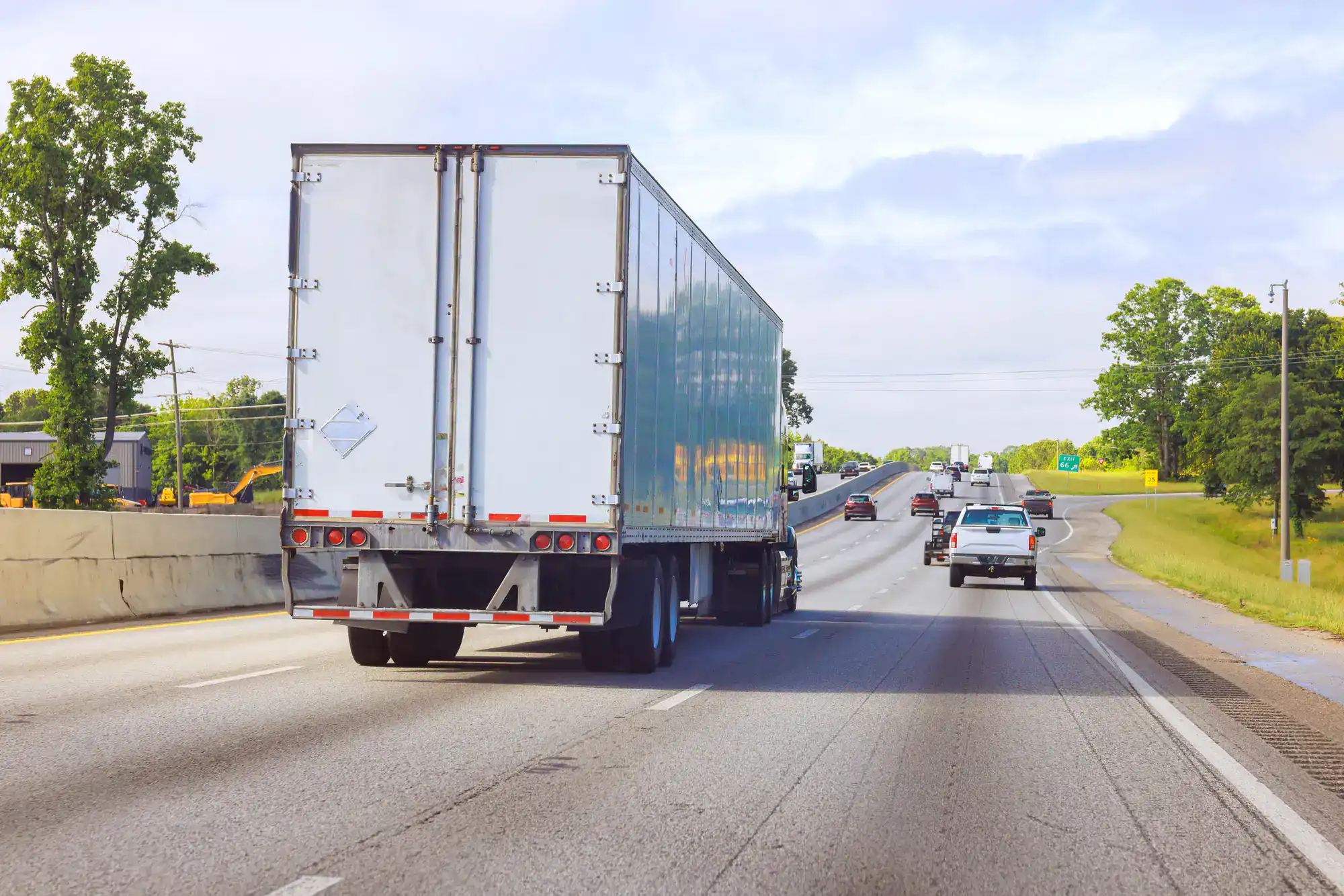
Your truck needs Clean Truck Check testing if it meets two specific criteria: it’s model year 2013 or newer, and it has a gross vehicle weight rating over 14,000 lbs. Both conditions must be true.
This applies to heavy-duty diesel trucks and diesel hybrids with OBD-equipped engines. If your truck is older than 2013 or weighs less than 14,000 lbs GVWR, this regulation doesn’t apply to you.
The test became mandatory on October 1, 2024, with the first compliance deadline hitting January 1, 2025. If your registration comes due in January or July 2025, your compliance window is already open. You can submit your test up to 90 days before your deadline, so there’s no reason to wait until the last minute.
The DMV will place a registration hold on your vehicle. That means you can’t renew your registration until you complete the required Clean Truck Check testing and the results are uploaded to CARB’s system.
Beyond the registration block, you’re also facing potential fines. CARB can issue penalties up to $1,000 per day per vehicle for non-compliance. Those fines add up fast, especially if you’re running multiple trucks.
There’s also the operational cost. A truck that can’t be registered can’t legally operate. Downtime costs range from $300 to $900 per vehicle per day depending on your operation. That’s lost revenue, missed deliveries, and frustrated customers. Getting tested on time isn’t just about following the rules—it’s about protecting your bottom line.
The actual OBD emissions test takes minutes, not hours. We’re pulling data directly from your truck’s onboard diagnostics system using CARB-certified equipment. There’s no extended idling, no complicated procedures.
Traditional smog testing used to take one to three hours per vehicle. Clean Truck Check testing with OBD equipment cuts that time dramatically. You’re in and out faster, which means less downtime and lower operational costs.
Results get transmitted to CARB’s database immediately after testing. Your DMV record updates automatically. You don’t have to wait days or weeks for paperwork to process. The whole system is designed to be faster and more efficient than the old compliance methods, assuming your truck passes the test on the first try.
Yes. We offer mobile on-site testing for fleets and operators in Carson who need testing done at their location. Our credentialed testers bring CARB-certified equipment directly to your facility.
Mobile testing makes sense if you’re running multiple trucks or if pulling vehicles off-site creates logistical headaches. We come to you, perform the tests, and upload results to CARB’s system from your yard.
This is especially useful for operations near the Port of Los Angeles or along the 405 and 710 corridors where traffic and timing matter. You don’t lose hours moving trucks to a testing facility and back. We handle it on-site, and your trucks stay in service as much as possible. Just make sure your vehicles meet the 2013 or newer and 14,000+ lbs GVWR requirements before scheduling.
If your truck fails, the OBD system flagged an emissions-related issue that needs attention. We’ll walk you through what the diagnostic codes mean and what repairs or maintenance might be required.
You’ll need to address the issue and then retest. The good news is that OBD testing often catches problems early—before they turn into expensive breakdowns. There’s a close connection between emissions compliance and overall vehicle maintenance.
Once repairs are complete, you can come back for a retest. Results still get uploaded to CARB’s system the same day. Keep in mind that testing frequency increases over time, so staying on top of maintenance now makes future compliance easier. By 2027, you’ll be testing four times per year. Catching issues early keeps you ahead of the curve.
TRUCRS (Truck Regulation Upload Compliance and Reporting System) is a separate program that applies to certain older heavy-duty diesel trucks operating in California. It’s not the same as Clean Truck Check testing.
Clean Truck Check specifically targets 2013 and newer model year trucks with OBD systems. TRUCRS generally applies to older trucks that fall under different CARB regulations. The two programs have different requirements, different deadlines, and different testing procedures.
If you’re operating both newer OBD-equipped trucks and older vehicles, you might need to comply with both programs. We can help clarify which regulations apply to your specific fleet. But for the 2013+ newer trucks over 14,000 lbs, Clean Truck Check is what you need. Don’t confuse the two or assume one certificate covers everything. They’re separate compliance requirements with separate consequences for missing deadlines.
Useful Links
Other Services we provide in Carson