
Hear from Our Customers

Starting January 2025, every compliance deadline requires a passing test on file with CARB. Miss it, and the DMV can place a registration hold that grounds your truck until you’re compliant. That’s not a warning anymore—it’s happening to fleets across Los Angeles County right now.
You’re also looking at semi-annual testing requirements for most heavy-duty vehicles. By October 2027, that jumps to four times per year for OBD-equipped trucks. The window to stay ahead of this is shrinking, and the penalties for falling behind can hit $75,000 per day per vehicle.
We handle CARB certified smog check testing for 2013 and newer diesel trucks over 14,000 lbs GVWR. That’s the exact category CARB is monitoring most aggressively with roadside emissions devices and automated license plate readers. Your results get transmitted directly to CARB’s database the same day, and you get a copy for your records. No guessing. No delays.
We operate in San Marino, CA, and we’ve built our CARB compliance service around one focus: 2013 and newer heavy-duty trucks over 14,000 pounds. That’s it. We don’t test older engines or lighter vehicles because the current regulations and enforcement priorities center on this category.
Our testers are CARB credentialed, meaning they’ve completed the required online training and passed the exam. We use certified OBD testing equipment that’s on CARB’s approved device list. And we’re trusted by utility companies, government agencies, and fleet operators who need TSA clearance to access airports and port terminals around Los Angeles County.
San Marino sits in the heart of one of the most regulated air quality districts in the country. If your trucks operate here, you already know CARB doesn’t issue warnings—they issue fines and registration blocks. We’re here because this market needs local access to credentialed testing that doesn’t waste your time.

First, we verify your truck qualifies: 2013 or newer diesel engine and over 14,000 lbs GVWR. If it doesn’t meet both criteria, we’ll tell you upfront—this service won’t apply.
Once confirmed, we connect to your truck’s OBD system using CARB certified testing equipment. The scan pulls emissions data directly from your engine’s onboard diagnostics. We’re checking for fault codes, readiness monitors, and emissions performance against California’s clean truck standards. This isn’t a visual inspection or an opacity test—it’s a data-driven compliance check.
After the test, results get transmitted immediately to CARB’s Clean Truck Check Vehicle Inspection System. That’s the database the DMV checks when your registration comes up. You’ll receive a copy of the report showing your pass status, test date, and vehicle details. If something fails, we’ll walk you through what needs attention before you can retest.
The whole process takes less time than most service appointments. Your truck isn’t sitting for hours. You’re not waiting days for results to process. You show up, we test, CARB gets notified, and you’re back on the road with proof of compliance.

Ready to get started?
California CARB compliant testing became mandatory October 1, 2024. If your heavy-duty truck has a compliance deadline on or after January 1, 2025, you must submit a passing test. There’s no grace period extension coming.
Right now, most trucks over 14,000 lbs need testing twice a year—every six months. In October 2027, OBD-equipped vehicles move to quarterly testing. That’s four clean truck check tests annually. You’ll also pay an annual compliance fee of $31.18 for 2025, separate from the testing itself.
Here’s what happens if you skip it: CARB can fine you up to $75,000 per day per vehicle. The DMV can place a registration hold, which means your truck can’t legally operate until compliance is restored. Ports and railyards can deny entry to non-compliant vehicles. And if you’re caught during a roadside inspection, you’re looking at penalties that start at $1,000 per day and climb fast.
San Marino fleet operators face the same enforcement as anyone else in Los Angeles County. CARB uses automated license plate readers and remote emissions monitoring to flag high-emitting or non-compliant trucks. They’re not waiting for you to come to them—they’re actively screening vehicles on the road. Your best move is to stay current, keep records, and test on schedule.
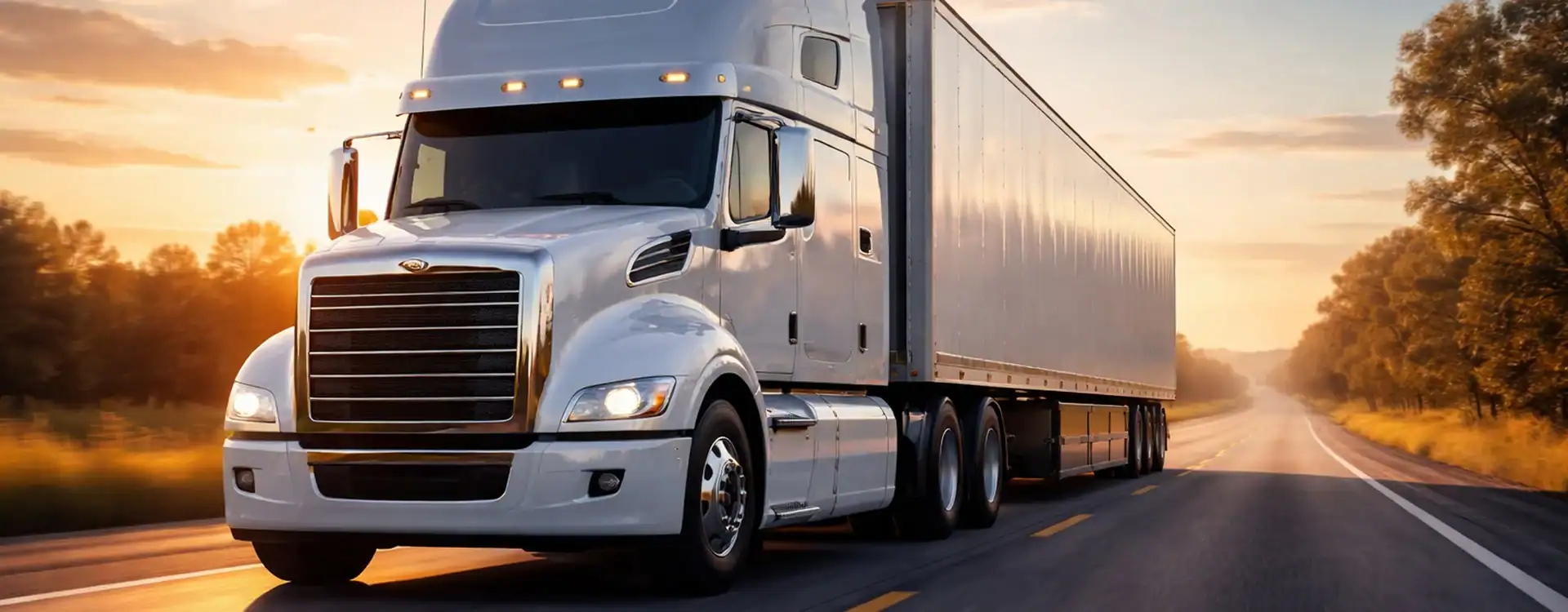
If your semi truck has a 2013 or newer diesel engine and weighs over 14,000 lbs GVWR, yes—you need CARB emissions testing. This applies to nearly all heavy-duty diesel trucks, including semi trucks, that operate in California, regardless of where they’re registered.
The testing requirement started October 1, 2024, and any compliance deadline on or after January 1, 2025 requires a passing test on file. That includes trucks with California DMV-exempt plates. CARB is actively placing registration holds on non-compliant vehicles, so this isn’t something you can delay.
If your truck is older than 2013 or under 14,000 lbs, the current OBD testing mandate doesn’t apply to you. But if you’re running newer heavy-duty equipment in San Marino or anywhere else in California, this is mandatory—and it’s enforced.
Right now, most heavy-duty vehicles over 14,000 lbs need testing twice a year—every six months. Your specific compliance deadline depends on when your registration is due, but the testing window is tied to those dates.
Starting in October 2027, OBD-equipped trucks will be required to test four times per year. That’s quarterly testing for the same vehicles currently on a semi-annual schedule. The frequency is increasing because CARB is tightening enforcement on diesel emissions across California.
You’ll also need to pay an annual compliance fee of $31.18 for 2025, separate from the cost of testing itself. Missing a deadline can trigger a DMV registration hold, so most fleet operators in San Marino are setting reminders well ahead of their due dates to avoid downtime.
If your truck fails, you’ll need to address whatever triggered the failure before you can retest and submit a passing result to CARB. Common issues include fault codes in the OBD system, readiness monitors that aren’t set, or emissions performance that’s out of spec.
We’ll give you a detailed report showing exactly what failed. From there, you’ll need to work with a qualified mechanic to repair the issue. Once repairs are done, you can come back for a retest. The retest follows the same process—OBD scan, data review, and submission to CARB if you pass.
Keep in mind that a failed test still counts as a compliance attempt, but it won’t satisfy your deadline. You need a passing result on file with CARB before your registration due date, or the DMV can place a hold. That’s why most operators in Los Angeles County test early—it gives you time to fix problems without risking a grounded truck.
Our service is limited to 2013 and newer diesel trucks over 14,000 lbs GVWR. That’s the category currently required to undergo OBD-based clean truck check testing under CARB regulations. If your truck is older than 2013, the OBD testing mandate doesn’t apply to you right now.
However, California does require that heavy-duty vehicles operating in the state have a 2010 or newer engine to meet current emissions standards. If you’re running an older engine, you may face different compliance requirements or restrictions depending on how and where you operate.
We focus exclusively on the 2013+ category because that’s where CARB enforcement is most active and where the testing requirements are most clearly defined. If your fleet includes older trucks, you’ll want to confirm what applies to your specific situation—but we won’t be able to handle that testing here.
Pricing for CARB compliant testing varies depending on the provider and whether you’re getting mobile service or coming to a facility. In-person testing at CARB facilities can run up to $300 per test. Mobile services around Los Angeles County typically charge between $94 for basic OBD scans and $180 for more comprehensive testing.
We’re transparent about cost upfront, and we don’t surprise you with add-ons. You’ll know what you’re paying before we start the test. Keep in mind that the annual compliance fee of $31.18 is separate—that goes directly to CARB, not to the testing provider.
What matters more than the cost is making sure you’re working with a CARB credentialed tester who uses certified equipment. A cheap test that doesn’t get properly submitted to CARB’s database won’t help you when the DMV comes looking for proof of compliance. You need results that actually count.
Yes. CARB’s penalty structure allows fines up to $75,000 per day per vehicle for non-compliance. That’s not a scare tactic—it’s written into the enforcement regulations. Most violations don’t start at the maximum, but penalties for heavy-duty diesel trucks can range from $1,000 to $10,000 per day depending on the severity and duration of the violation.
On top of fines, the DMV can place a registration hold on your vehicle, which effectively grounds it until you’re compliant. Ports and railyards can deny entry to non-compliant trucks. And if you’re caught during a roadside inspection, the penalties start immediately—not after a warning period.
CARB is using roadside emissions monitoring devices and automated license plate readers to screen for high-emitting and non-compliant vehicles across California. San Marino is in Los Angeles County, which means you’re in one of the most heavily monitored air quality districts in the state. The risk isn’t theoretical. The enforcement is active. And the cost of non-compliance is significantly higher than the cost of testing twice a year.
Useful Links
Other Services we provide in San Marino