
Hear from Our Customers

If you’re running semi trucks or heavy-duty vehicles over 14,000 pounds GVWR in California, you already know CARB regulations aren’t optional. The Clean Truck Check program is fully enforced, and the consequences for non-compliance hit fast and hard.
You’re looking at fines starting at $1,000 per vehicle and climbing to $75,000 per day for serious violations. CARB can place a hold on your DMV registration, which means you can’t renew until you’re compliant. Roadside monitoring devices and automated license plate readers are actively screening trucks across the state, and if you’re flagged, you’ll receive a Notice to Submit to Testing with a 30-day deadline.
What you need is California CARB compliant testing that keeps your fleet operational and your registration current. We test 2013 and newer diesel engines using OBD diagnostics, submit your results directly to CARB, and handle the $31.18 annual compliance fee per vehicle. You get valid compliance certificates that satisfy DMV requirements and keep your trucks on the road without interruption.
We serve Riverside, CA with CARB diesel compliance testing for commercial fleets and owner-operators. We’re credentialed by CARB to perform emissions testing on heavy-duty vehicles, which means your certificates are valid and your submissions go through without delays.
Riverside sits along the I-10 and I-5 corridors, handling over 10,000 heavy equipment shipments annually. That means a lot of trucks need testing, and most operators don’t have time to figure out the regulatory maze on their own. We focus exclusively on getting your 2013 or newer trucks tested correctly the first time, so you’re not scrambling to fix compliance issues when registration is due.
You’re dealing with enough already. We handle the testing, the paperwork, and the submission so you can focus on keeping your business moving.

You schedule your appointment and bring your semi truck or heavy-duty vehicle to our facility in Riverside. We start by verifying your truck qualifies under the Clean Truck Check program—meaning it’s model year 2013 or newer with a GVWR over 14,000 pounds.
We connect to your truck’s OBD system and run the required diagnostics. This tests your emissions control systems to confirm they’re functioning properly and meeting CARB standards. The process is straightforward and typically faster than traditional manual inspections, which can take one to three hours per vehicle.
Once testing is complete, we submit your results directly to CARB and process the annual compliance fee. You receive a valid compliance certificate, and your truck’s status is updated in the state system. That means when DMV checks your registration, you’re clear. If you’re managing a fleet, we can coordinate testing schedules to minimize downtime across multiple vehicles.
Most trucks need semi-annual testing, though vehicles with 2013 or newer engines will require quarterly testing starting in October 2027. We’ll keep you informed about your specific testing schedule so you’re never caught off guard by a deadline.

Ready to get started?
Your CARB emissions testing covers OBD diagnostics for 2013 and newer diesel engines, direct result submission to the California Air Resources Board, and payment of the required $31.18 annual compliance fee per vehicle. You receive a compliance certificate that satisfies DMV registration requirements and keeps your truck legally operational in California.
This applies to diesel, alternative fuel, and hybrid vehicles over 14,000 pounds GVWR. If your truck doesn’t meet the model year or weight requirements, it’s not subject to Clean Truck Check testing. We’ll let you know upfront if your vehicle qualifies.
Riverside’s logistics and transportation industry depends on keeping trucks moving through ports, freight terminals, and work zones across Southern California. Non-compliant vehicles can be denied access to these facilities, which directly impacts your ability to operate. Our testing ensures you’re not blocked from job sites or terminals because of compliance issues.
The Clean Truck Check program is part of California’s $4 billion investment to reduce smog-forming NOx and toxic diesel particulate matter. It’s expected to prevent 7,500 air quality-related deaths and 6,000 hospitalizations between 2023 and 2050. The regulations are strict because the health and environmental stakes are high, and enforcement is only getting tighter as the program matures.
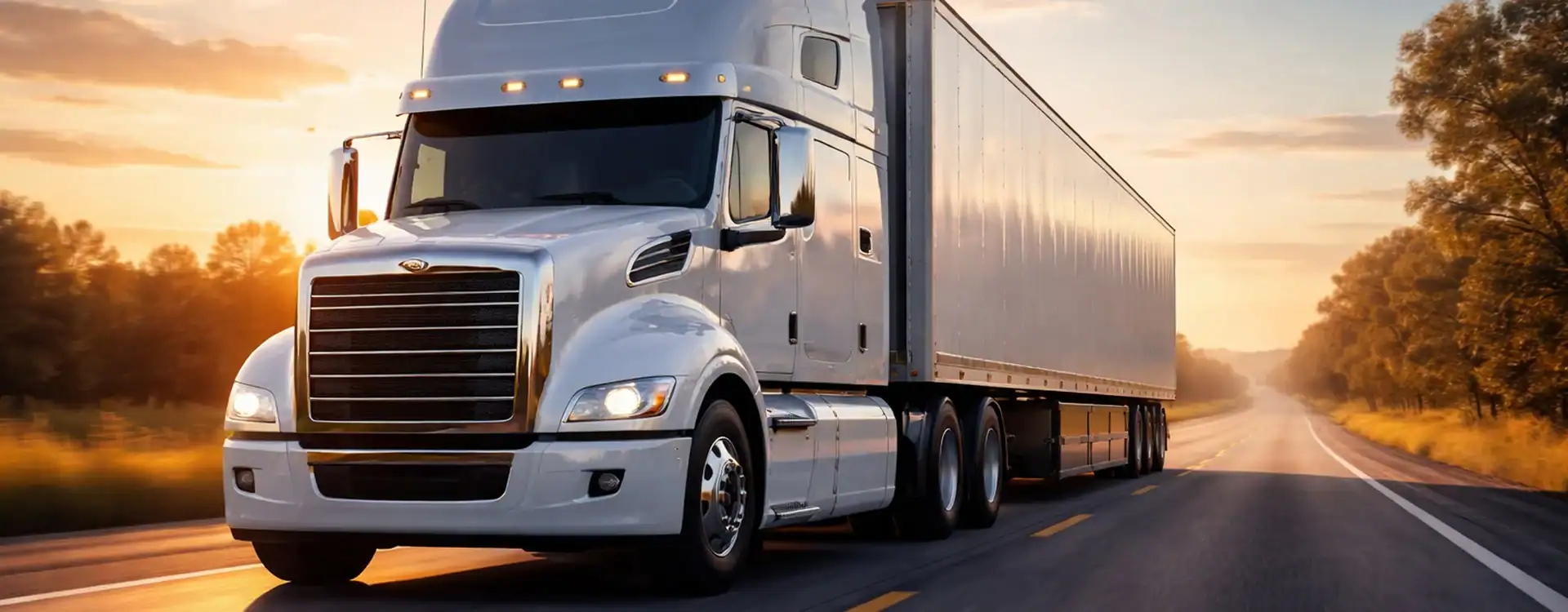
Your truck needs CARB compliant testing if it has a model year 2013 or newer engine and a gross vehicle weight rating over 14,000 pounds. This includes semi trucks, heavy-duty diesel vehicles, alternative fuel trucks, and hybrids that meet those specifications.
The Clean Truck Check program doesn’t apply to older trucks or lighter vehicles. If your truck was manufactured before 2013 or weighs less than 14,000 pounds GVWR, you’re not subject to these testing requirements. The focus is specifically on newer heavy-duty vehicles because they’re equipped with OBD systems that allow for emissions monitoring.
If you’re unsure whether your truck qualifies, bring your registration and we’ll verify eligibility before scheduling your test. It’s better to confirm upfront than to assume you’re exempt and find out later when DMV blocks your registration.
Most heavy-duty trucks currently need testing twice per year. If your truck has a 2013 or newer engine, you’ll need quarterly testing starting in October 2027. These are the minimum frequencies required by CARB to maintain compliance.
Your specific testing schedule depends on your truck’s engine model year and OBD capabilities. CARB tracks your compliance status and will send a Notice to Submit to Testing if you miss a deadline. Once you receive that notice, you have 30 days to get tested or face penalties.
We recommend setting up a regular testing schedule rather than waiting for enforcement letters. That way you’re always ahead of deadlines, and you avoid the stress of last-minute appointments when your registration is about to expire. We can help you plan testing intervals that work with your operational schedule.
If your truck fails, you’ll need to repair the emissions control systems that caused the failure and retest. We’ll provide a detailed report showing exactly what failed so you know what needs to be fixed.
Common failure points include malfunctioning diesel particulate filters, faulty NOx sensors, or issues with the selective catalytic reduction system. These are repairable, but they require a qualified diesel mechanic who understands CARB emissions equipment. Once repairs are complete, you come back for retesting.
You can’t legally operate a non-compliant truck in California, and you won’t be able to renew your DMV registration until you pass. If you’re flagged by roadside monitoring and fail to comply, you’re looking at fines and potential operational restrictions. The key is addressing failures immediately rather than letting them pile up into bigger enforcement problems.
No. DMV automatically checks your CARB compliance status before allowing registration renewal. If you’re not compliant, they’ll place a hold on your registration, and you won’t be able to renew until you pass testing and submit valid results.
This has been standard practice since 2020, and it’s one of the primary enforcement mechanisms CARB uses to ensure participation in the Clean Truck Check program. Your truck’s VIN is linked to your compliance record, so there’s no way to bypass the system.
If your registration is coming up and you haven’t been tested recently, schedule your smog check now. Waiting until the last minute puts you at risk of missing your renewal deadline, which means your truck can’t legally operate until you’re compliant and your registration is current. That’s downtime you can’t afford.
Testing costs include the service fee for OBD diagnostics and the $31.18 annual compliance fee that goes directly to CARB. The exact service fee varies depending on the testing provider, but it’s a small cost compared to the fines and downtime you’ll face if you’re non-compliant.
Non-compliance penalties start at $1,000 per vehicle and can reach $10,000 per vehicle per day for serious violations. If CARB places a registration hold, you’re looking at operational downtime that costs anywhere from $300 to $900 per vehicle while you scramble to get tested and approved.
The smarter approach is treating compliance testing as a regular operational expense, like fuel or maintenance. Budget for it, schedule it proactively, and avoid the much higher costs that come with enforcement actions and registration blocks. If you’re running a fleet, ask about scheduling multiple vehicles to streamline the process.
You need a CARB-credentialed testing facility to perform Clean Truck Check testing. Not every smog shop is certified to test heavy-duty vehicles over 14,000 pounds GVWR, and only credentialed testers can submit valid results to CARB.
If you go to a non-credentialed shop, your test won’t count. You’ll waste time and money, and you’ll still need to get retested at a certified facility. CARB maintains a list of approved testing locations, and we’re credentialed to handle OBD diagnostics for 2013 and newer heavy-duty trucks.
When you’re choosing where to get tested, confirm the shop is specifically certified for heavy-duty vehicle compliance in California. Ask if they submit results directly to CARB and whether they handle the annual compliance fee as part of the service. You want the entire process handled correctly the first time so your truck stays legal and your registration stays current.
Useful Links
Other Services we provide in Riverside