Check Out Our Reviews!
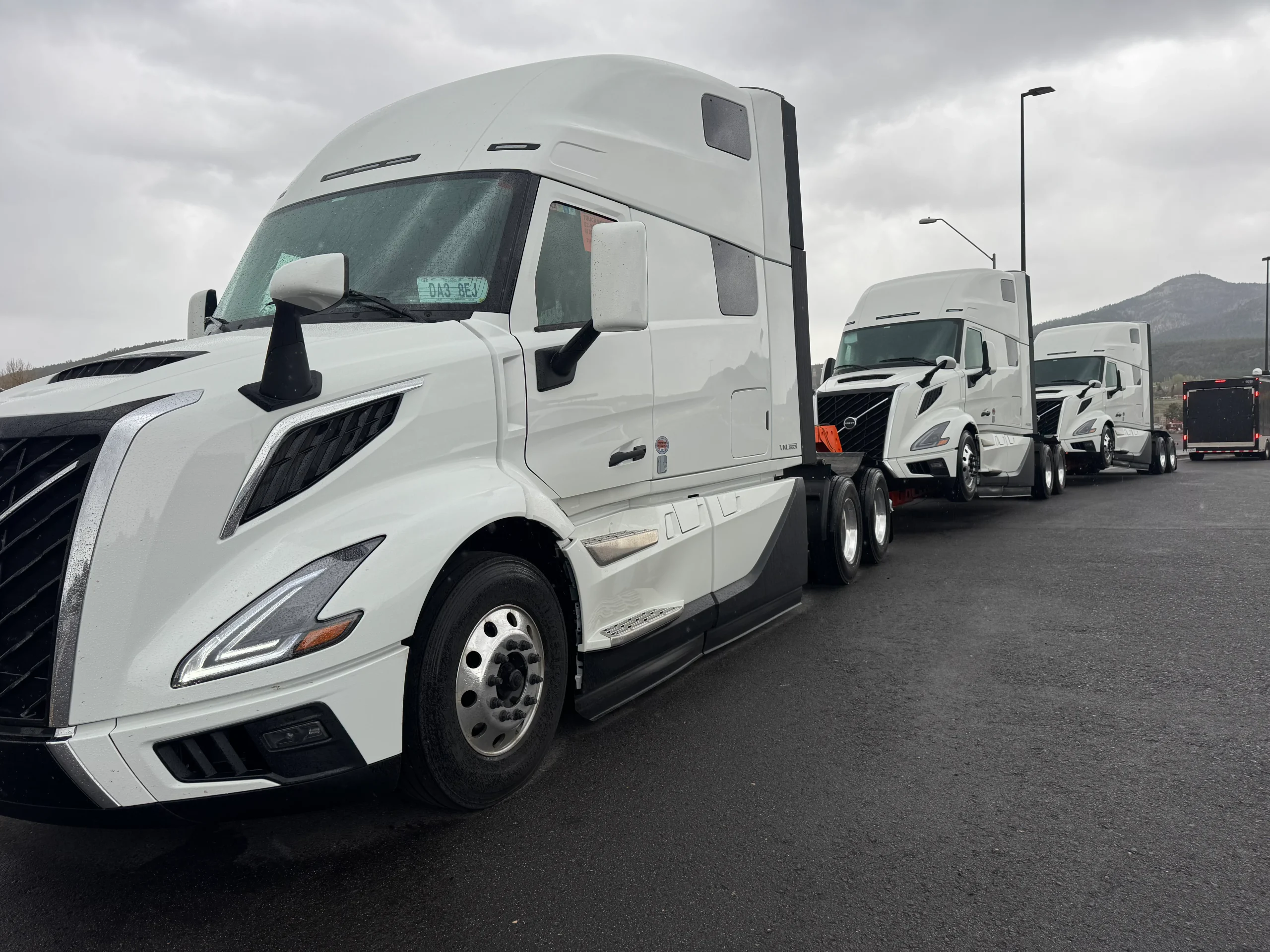
When a DMV registration hold hits, your truck stops earning. The SR-60 and I-215 interchange is one of Southern California’s busiest freight corridors. For operators hauling loads between the LA Basin and the Coachella Valley, a grounded truck is more than just an inconvenience. It is lost revenue on routes that don’t wait. The Clean Truck Check itself takes 10 to 15 minutes. We connect to your truck’s OBD diagnostic port, pull the emissions data from the ECU, and submit it electronically to CARB’s CTC-VIS database before we leave your location. DMV registration holds typically lift within a few business days of a passing submission. That is the whole process, no towing, no drop-off, no driving across town. Riverside County consistently ranks among the most ozone-impacted counties in the country. That is not background context, it is why CARB’s roadside remote emissions sensors are deployed along these corridors and why commercial enforcement activity is a real presence on I-215 and SR-60. Staying current on your CARB compliance record isn’t background paperwork in Riverside. It is what keeps your truck moving through the interchange every single day. For county-specific deadlines, see our Riverside County CARB compliance timeline guide.
All SMOG Motors specializes exclusively in on-site OBD emissions testing for 2013 and newer diesel trucks with a GVWR exceeding 14,000 lbs. We focus entirely on heavy-duty diesel compliance, skipping light-duty platforms and older opacity setups completely. When you book with us, you deal with a tester who spends every working hour on this specific state framework. Our official CARB Tester ID is E164983. You can verify this number on CARB’s public roster of approved testers at any time. We feature our credential prominently because transacting with an officially verified testing provider is the safest way to ensure your filing counts. Our home base is in Perris, roughly twenty miles south of Riverside along the I-215. This shared transit spine allows us to regularly assist logistics operators in Corona and manage calls heading toward Moreno Valley. Because we drive these local expressways daily, we understand the layout of regional yards, staging spaces, and industrial parks – and it keeps travel fees for Riverside calls modest.
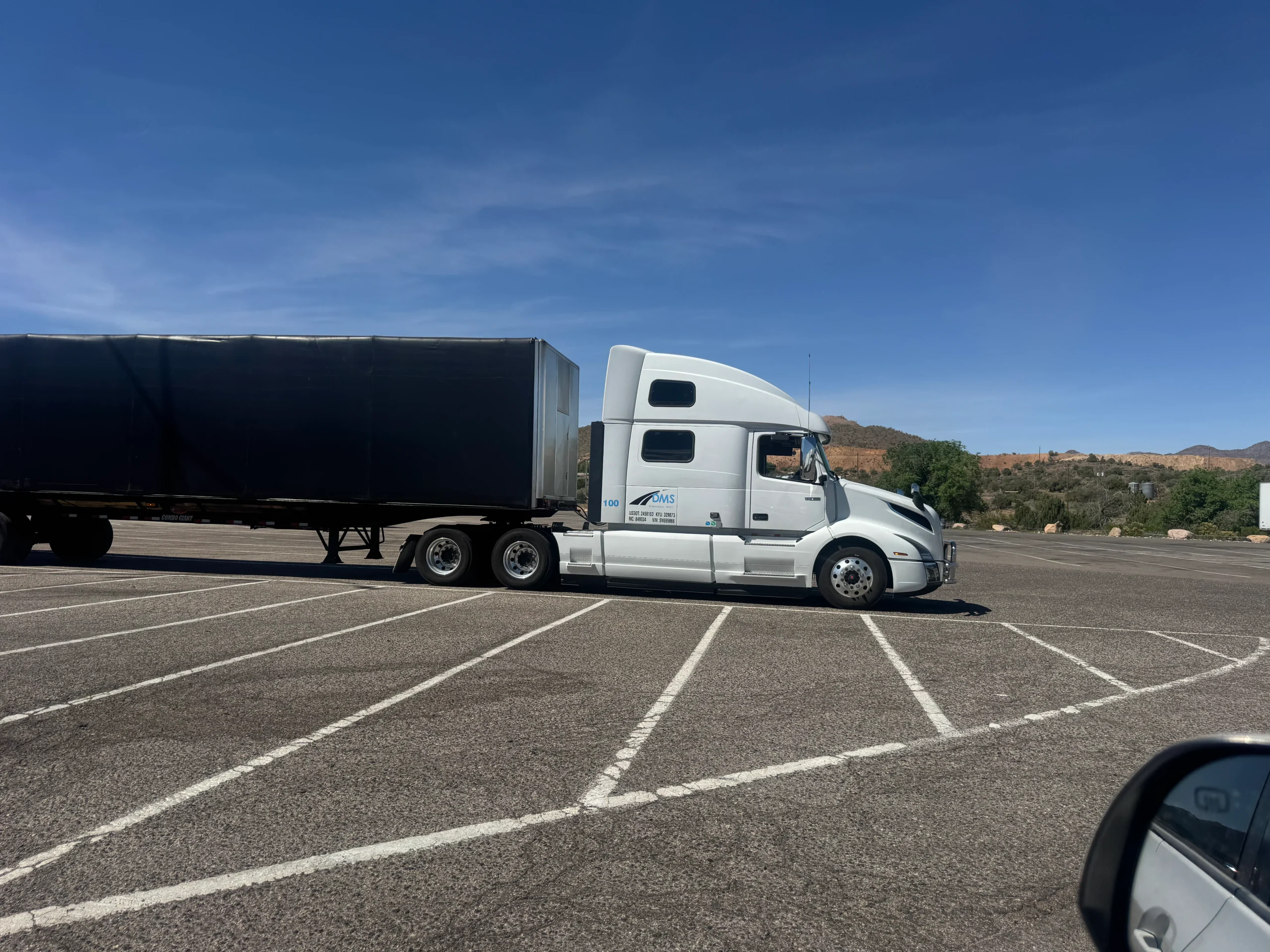
Submit your request online or over the phone – you’ll hear back fast, because the owner answers his own phone. Once confirmed, we come directly to your staging zone, whether that sits off SR-60, along the I-215 industrial loop, or at an active construction site. There is no need to move your rig. After arrival, we plug state-approved diagnostic gear into your vehicle’s diagnostic port. The interface reads live operational metrics straight from the engine computer, confirming your exhaust controls function within state parameters. A standard scan wraps up in 10 to 15 minutes per unit. We upload the readings directly to CARB’s CTC-VIS database during the visit. Your official record is filed the same day, allowing any active DMV registration holds to clear, typically within a few business days. Please keep in mind that resetting active trouble codes or disconnecting the battery shortly before our arrival can trigger a “Not Ready” status. While this is not an outright failure, the vehicle must undergo normal driving cycles before it can be successfully retested. Additionally, Riverside’s intense summer heat exerts heavy stress on thermal components, so resolving active dash warnings prior to your appointment is always recommended.
Ready to get started?
Our testing rate is $150 per truck, plus a location-based travel fee calculated during booking. These two items represent your entire bill with us. Separately, CARB assesses an annual state compliance fee of $32.13 per truck. That payment is handled directly by the fleet owner inside the CTC-VIS web portal and is completely separate from our testing charge. Vehicles built in 2013 or later require semi-annual testing aligned with their DMV renewal dates. Looking ahead to October 2027, CARB will transition this requirement to a quarterly frequency, totaling four submissions per year. Not sure when your truck is due? Use our CARB deadline calculator to check in seconds. For larger operations along the Riverside corridor, we comfortably evaluate 15-40 trucks/day directly at your yard, removing the hassle of scheduling individual off-site trips. If CARB issues a Notice to Submit to Testing (NST), you are given 30 calendar days to file a passing report. We prioritize these urgent calls, helping drivers safeguard their terminal access. We can also guide you through portal account issues if your DMV hold stalls after passing. Active military personnel and veterans receive a 10 percent discount upon request. Contact us by phone or text at 858-257-8576 for a free quote or to schedule mobile testing.
If you operate a 2013 or newer heavy-duty diesel vehicle with a GVWR over 14,000 lbs across Riverside expressways like I-215, SR-60, or SR-91, this regulation applies to you. For California-registered trucks, it is fully enforceable – DMV holds and all. For out-of-state trucks, the picture changed in 2026: EPA disapproved the rule’s application to out-of-state-registered vehicles in January 2026, but CARB has said it will keep enforcing under state law on all trucks operating in California – and its roadside monitoring doesn’t check your plates before flagging you. Non-California vehicles follow a testing schedule determined by the final digit of their VIN; call us if you’re not sure where you stand. Because Riverside serves as an Inland Empire traffic hub, CARB deploys roadside remote monitoring along regional routes. Tripping one of these sensors generates an official Notice to Submit to Testing, leaving you with 30 days to obtain a certified scan. Arranging your OBD test proactively protects your equipment from unexpected compliance notices.
CARB regularly updates the DMV with compliant VINs. If your vehicle lacks an active passing submission when your renewal date arrives, the DMV imposes a registration hold. You cannot secure updated tags until a credentialed tester files a passing OBD evaluation into the CTC-VIS system – holds typically clear within a few business days after that filing. Grounded equipment translates to missed hauling schedules and lost revenue. Furthermore, modern freight brokers routinely cross-check state databases before assigning loads. If you’re already blocked, our DMV registration hold removal service walks you through clearing it – and early scheduling prevents the problem entirely.
Our mobile inspection service costs $150 per vehicle, plus a travel fee calculated at booking based on your specific yard location in Riverside. Because our home facility sits in nearby Perris, transit charges for local calls remain modest and fair. The $32.13 state compliance fee assessed by CARB is a separate annual charge. You pay that fee directly to the state using the official CTC-VIS online portal. It is not collected by our company nor included in our testing quote. Fleets pay the same transparent $150-per-truck rate – and we handle the whole yard in one visit.
A “Not Ready” reading indicates that your truck’s internal computer has not completed its required self-diagnostic cycles. This typically occurs after clearing trouble codes or disconnecting the vehicle battery. While not classified as an outright test failure, it cannot be submitted as a passing record. The vehicle must be driven under normal duty cycles until its internal monitors reset. It is best to verify your vehicle’s status prior to your appointment. If your rig recently underwent mechanical repairs or sat idle for an extended period, the OBD monitors may need additional drive time. In addition, extreme summer temperatures in the Riverside area can strain exhaust components, potentially triggering new fault codes. Addressing active check engine lights before testing avoids unnecessary delays.
Yes, on-site fleet testing is a core part of our operation. We bring our mobile equipment straight to your facility and process your units back-to-back – 15 to 40 trucks in a single day. Each scan takes approximately 10 to 15 minutes, with data uploaded to CTC-VIS on the same day. With warehousing and distribution footprints expanding rapidly along SR-60 and I-215, tracking multiple registration dates across a fleet can become overwhelming. Scheduling a single on-site service day allows you to clear multiple trucks in one streamlined step, at the same $150-per-truck rate.
An NST letter indicates that an automated roadside sensor along corridors like I-215 or SR-60 flagged your truck as a potential high emitter. Receiving this notice gives you exactly 30 calendar days to complete a passing OBD scan with a credentialed tester and file the record with CARB. Failing to meet this deadline can result in financial penalties and restricted access to intermodal hubs. We give top priority to operators handling active NST notifications. Contact us right away so we can come to your location. We execute the OBD scan, upload the passing data to CTC-VIS, and help you satisfy the state’s mandate. If an underlying mechanical issue is causing the high emissions flag, you will need to complete repairs before retesting. You can verify our official standing anytime under CARB Tester ID E164983.
Useful Links
Other Services we provide in Riverside