
Hear from Our Customers

You’re running a business, not a compliance department. But California doesn’t care—if your 2013 or newer heavy-duty truck isn’t Clean Truck Check compliant, the DMV will block your registration. Your truck sits. Your revenue stops.
Starting January 1, 2025, every compliance deadline requires a passing emissions test. Miss it, and you’re looking at fines between $1,000 and $75,000 per day. If you haul to the Ports of Los Angeles or Long Beach, non-compliance means you lose port access entirely.
We handle CARB diesel compliance testing for trucks over 14,000 pounds GVWR right here in San Marino. You schedule the test, we run the OBD scan using CARB-certified equipment, and your results get submitted directly to CARB. You stay legal. Your trucks stay on the road. Your business keeps moving.
This isn’t about passing inspection for the sake of it. It’s about protecting your livelihood from a regulatory system that will ground your fleet without warning.
We serve San Marino and the surrounding San Gabriel Valley with CARB-credentialed emissions compliance testing. We’re not a mobile service bouncing between parking lots. We’re a local shop that understands what’s at stake when your trucks need to stay compliant.
Our testers are CARB-certified, which means they’ve completed the required training and passed the exam to legally perform Clean Truck Check testing. We know the deadlines, the requirements, and what CARB actually needs to see in your test results.
San Marino sits in the heart of Los Angeles County’s commercial corridor. Trucking companies, construction operators, and independent haulers move through here daily. We built this service because the need is real—and the consequences of getting it wrong are too expensive to ignore.
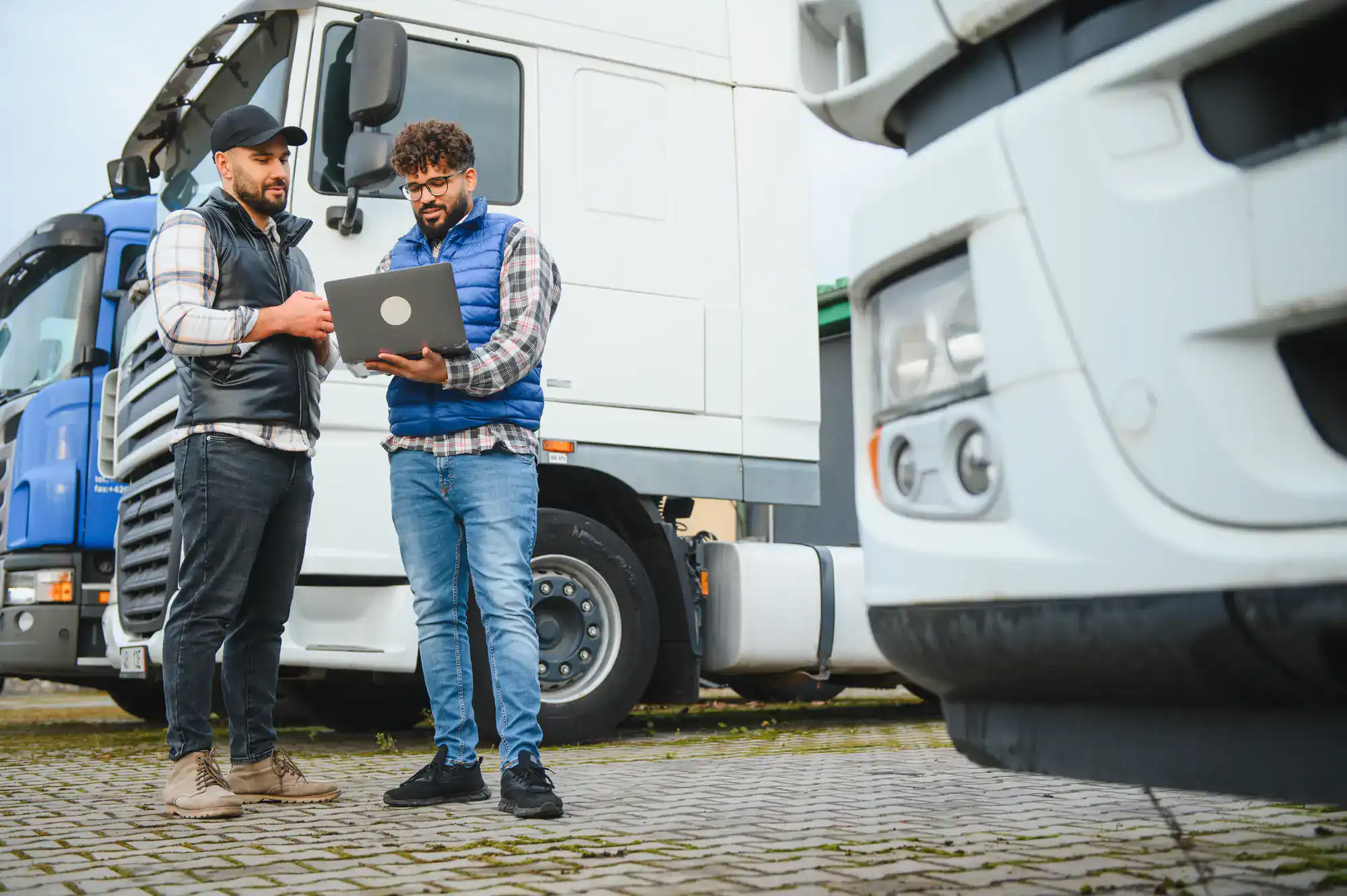
First, you schedule an appointment. We need to know your truck’s year, make, model, and GVWR to confirm eligibility. Remember—this service only applies to trucks that are model year 2013 or newer and have a GVWR over 14,000 pounds.
When you arrive, we connect a CARB-certified OBD testing device to your truck’s onboard diagnostics system. The scan pulls data directly from your engine to check emissions performance. For 2013 and newer diesel engines, or 2018 and newer alternative fuel engines, this OBD scan is what CARB requires.
Once the test is complete, we submit your results directly to CARB. If your truck passes, you’re compliant for the next six months. Starting in 2025, you’ll have two compliance deadlines per year—one every six months. And beginning in April 2027, OBD-equipped vehicles will need testing four times per year.
We’ll walk you through your next deadline before you leave. No guessing. No missed windows. Just a clear timeline so you can plan around your operations.

Ready to get started?
This is CARB-mandated emissions compliance testing for California’s Heavy-Duty Inspection and Maintenance program. It’s not a standard smog check. It’s not a DOT inspection. It’s a specific regulatory requirement for newer heavy-duty trucks operating in California.
You’re getting an OBD scan performed by a CARB-credentialed tester using approved testing equipment. The scan measures your engine’s emissions output against CARB’s standards. If your truck passes, the results get submitted to CARB’s system, and your compliance status updates with the DMV.
In San Marino and across Los Angeles County, this matters more than in most places. The concentration of port traffic, freight haulers, and commercial fleets means enforcement is active. CARB estimates this program will prevent 7,500 air quality-related deaths and deliver $75 billion in health benefits by 2050—so the state is serious about compliance.
If you’re an owner-operator, fleet manager, or run a construction or logistics company with 2013+ trucks, this test keeps you operational. It’s not optional. It’s not something you can delay. And it’s not going away.
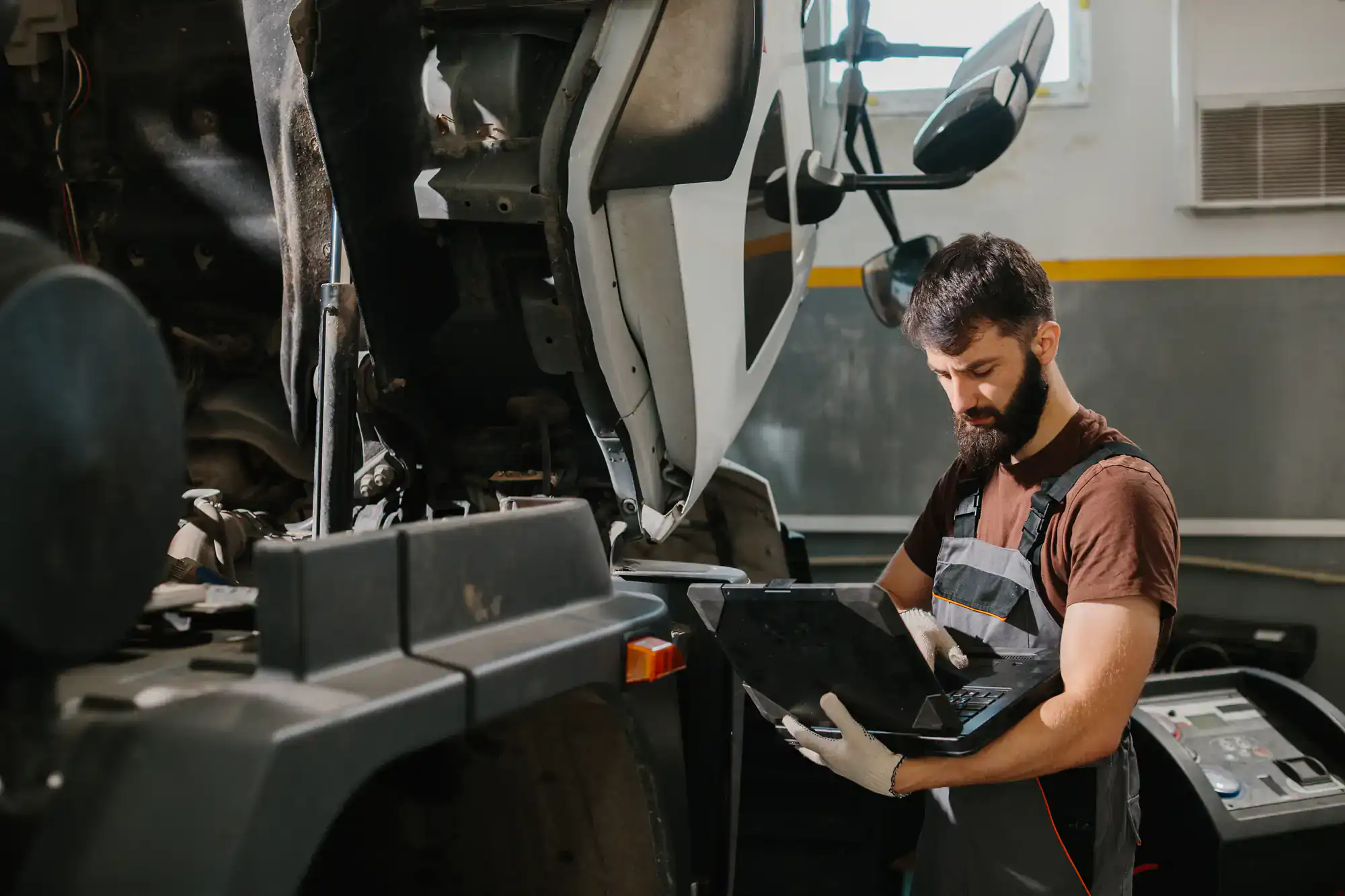
If your truck fails, you’ll need to address whatever triggered the failure before you can retest. The OBD scan identifies emissions-related issues flagged by your engine’s diagnostic system—things like faulty sensors, exhaust system problems, or engine performance issues.
We’ll give you a report showing what failed. From there, you’ll need to get the repairs done. Once the issue is fixed, you come back for a retest. Only passing results get submitted to CARB, so there’s no compliance credit for a failed test.
The clock doesn’t stop while you’re fixing the problem. If your compliance deadline passes before you retest and pass, you risk DMV registration holds and daily fines. That’s why catching issues early—before your deadline—is critical. Don’t wait until the last minute to test.
Right now, trucks subject to Clean Truck Check requirements need testing every six months. Starting in 2025, you’ll have two compliance deadlines per year, spaced six months apart. Your specific deadlines depend on when your truck was first registered under the program.
In April 2027, the frequency increases again. OBD-equipped vehicles will need testing four times per year—every three months. CARB is phasing this in gradually, but the direction is clear: more frequent testing, tighter compliance windows.
You can’t just test once and forget about it. This is an ongoing requirement for as long as you operate your truck in California. Missing a deadline triggers DMV registration blocks, which means your truck can’t legally operate until you’re back in compliance. Track your deadlines carefully, or ask us to help you stay on schedule.
No. The Clean Truck Check program applies only to trucks that are model year 2013 or newer and have a GVWR over 14,000 pounds. If your truck is a 2012 or older model, it’s not subject to this specific testing requirement.
CARB designed this program around OBD-equipped engines, which became standard on diesel trucks starting in 2013 and alternative fuel trucks starting in 2018. Older trucks fall under different regulations, but they’re not part of the Clean Truck Check system.
If you’re unsure whether your truck qualifies, check the model year and GVWR. Both criteria have to match. A 2015 truck under 14,000 pounds doesn’t qualify. A 2012 truck over 14,000 pounds doesn’t qualify. Only 2013+ trucks over 14,000 lbs GVWR are subject to Clean Truck Check testing.
You can get tested at any location with a CARB-credentialed tester, but not every smog shop offers this service. Clean Truck Check testing requires specific training, certification, and equipment. It’s not the same as a standard smog test for passenger vehicles.
CARB maintains a searchable database of credentialed testers, so you can verify that a provider is authorized before you schedule. We’re a CARB-certified provider serving San Marino and the surrounding area. Our testers have completed the required training and hold current credentials.
Location matters if you’re trying to minimize downtime. Testing close to your base of operations—or along your regular routes—makes compliance easier to manage. If you’re running trucks in and out of the San Gabriel Valley or LA County, having a local testing option in San Marino saves you time and keeps your schedule intact.
The DMV will place a registration hold on your vehicle, which means you can’t renew your registration until you’re compliant. Your truck is effectively grounded. Beyond that, CARB can issue fines ranging from $1,000 to $75,000 per day depending on the violation’s severity and duration.
If you haul to the Ports of Los Angeles or Long Beach, non-compliance also means losing port access. All trucks in the Port Drayage Truck Registry must meet Clean Truck Check requirements to enter port facilities. Miss your deadline, and you’re locked out until you pass the test.
These aren’t scare tactics—they’re the actual enforcement mechanisms CARB and the DMV use. The state is serious about reducing emissions from heavy-duty trucks, which account for over half of California’s smog-causing pollution despite being just 3% of vehicles on the road. Stay ahead of your deadlines. The penalties aren’t worth the risk.
The actual OBD scan takes about 15 to 30 minutes, depending on your truck’s system and whether any issues come up during the test. You’re not looking at an all-day appointment—this is a quick in-and-out process if your truck is ready.
That said, plan for a little buffer time in case there’s a wait or if we need to troubleshoot a connection issue with the OBD port. Most of the time, you’re in and out within an hour, results submitted, and you’re back on the road.
The key is scheduling ahead of your compliance deadline. Don’t roll in the day before your deadline expires and hope for the best. If something fails or needs attention, you’ll need time to address it and retest. Give yourself at least a few weeks of cushion so a failed test doesn’t turn into a registration hold and a grounded truck.
Useful Links
Other Services we provide in San Marino