
Hear from Our Customers

If you’re running 2013 or newer diesel trucks in California, you already know CARB isn’t optional. What you might not know is how fast things escalate when you’re not compliant. We’re talking DMV registration holds that stop renewals cold, fines starting at $1,000 per day per vehicle, and penalties that can hit $10,000 per truck if you ignore a roadside notice.
The Clean Truck Check program started January 1, 2025, and it applies to every heavy-duty diesel with a GVWR over 14,000 pounds operating on California roads. Doesn’t matter where your truck is registered. If it’s here, it needs testing twice a year.
That’s where we come in. You get OBD testing done right, results uploaded directly to CARB’s database on-site, and a clear record that keeps your fleet legal. No guessing, no delays, no registration problems when renewal time comes around.
We’ve been serving the San Gabriel Valley’s commercial trucking community with emissions testing that actually meets California’s standards. We’re not a mobile service that shows up whenever. We’re a fixed location with CARB-credentialed testers and certified equipment.
San Gabriel sits right in the heart of one of the busiest freight corridors in Southern California. That means you’re dealing with tight schedules, high-volume operations, and zero room for compliance mistakes. We get it because we see it every day.
Our testers are trained specifically on CARB’s Heavy-Duty Inspection and Maintenance program. That’s not just a smog check. It’s OBD testing for diesel engines with real-time data submission to the state.
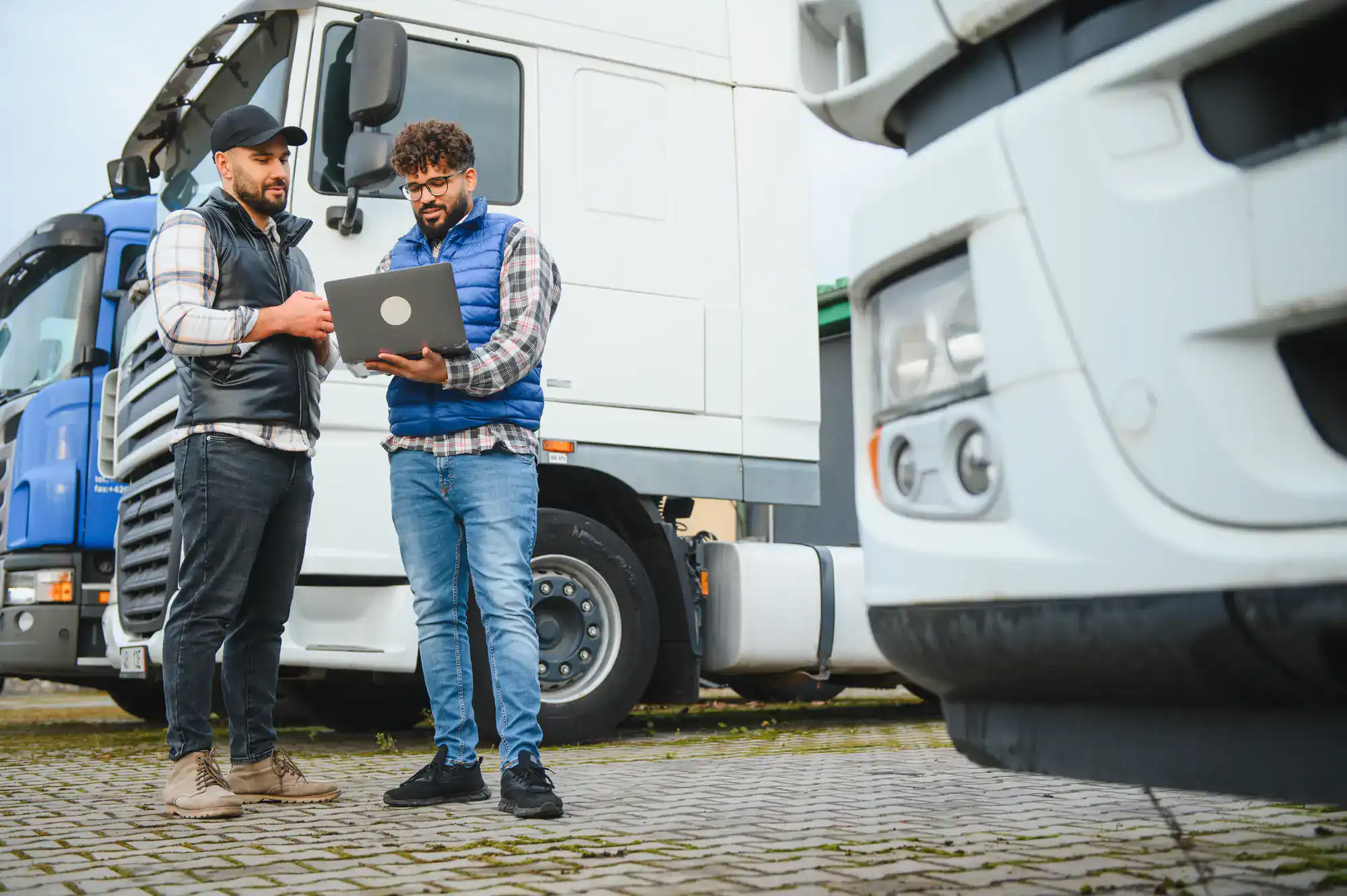
First, we verify your truck qualifies. That means 2013 model year or newer, diesel engine, and over 14,000 pounds GVWR. If your truck is older or lighter, this program doesn’t apply to you. CARB’s rules are specific, and we follow them exactly.
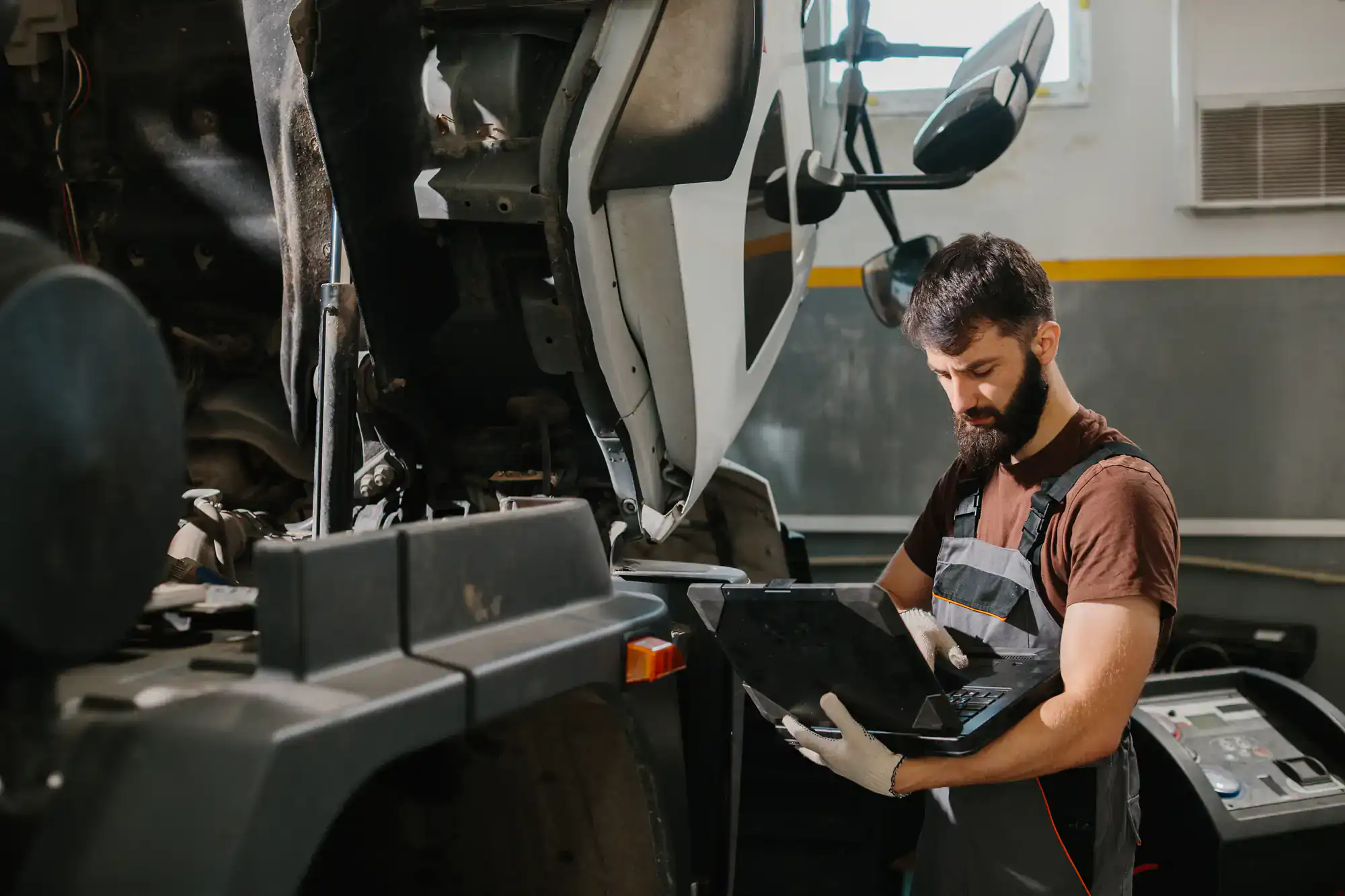
Once confirmed, we connect CARB-certified OBD testing equipment to your truck’s diagnostic port. The device reads emission system data directly from your engine’s computer. We’re checking for fault codes, readiness monitors, and emission control system performance. This isn’t a visual inspection or a tailpipe test. It’s all electronic.
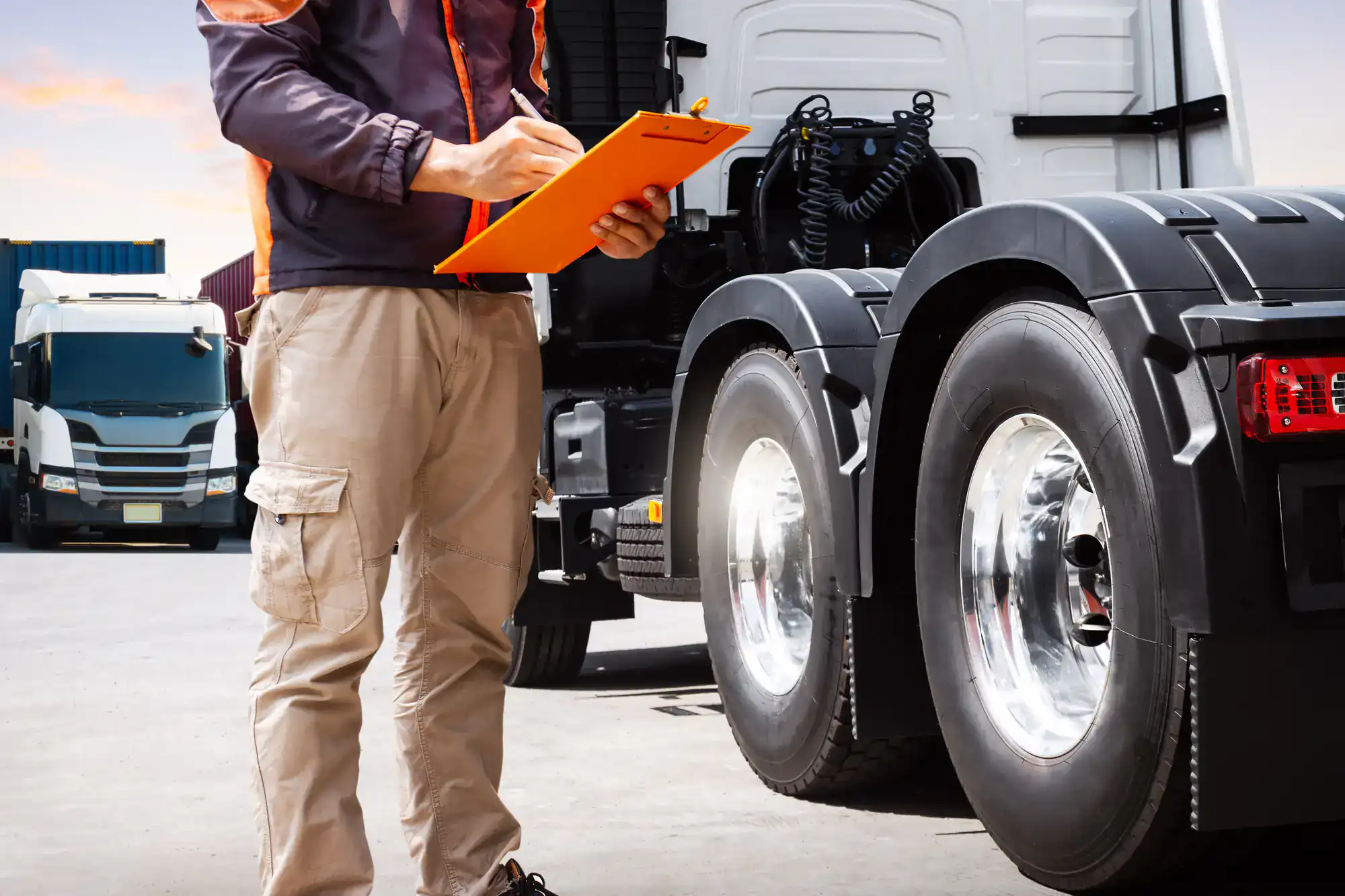
The test takes about 20 to 30 minutes if everything’s functioning correctly. Results get uploaded to CARB’s database immediately while you’re still here. You’ll get documentation showing your truck passed, and that record stays active in the state system. If there’s a problem, we’ll tell you exactly what fault codes came up and what needs fixing before you can retest.
Most trucks need testing every six months. Starting in October 2027, some will move to quarterly. You’ll get a notice from CARB when your next test is due, but it’s smarter to track it yourself and stay ahead of deadlines.
Ready to get started?
You’re paying for CARB HD I/M testing performed by credentialed testers using state-certified equipment. That’s the baseline. But what you’re really getting is a compliance record that prevents registration holds and keeps your trucks legally operating in California.
Here in San Gabriel and across Los Angeles County, commercial fleets can’t afford downtime. One truck sitting because of a compliance issue costs you $300 to $900 per day in lost productivity. Multiply that across multiple vehicles and you’re looking at serious money. Our testing process is designed to minimize your time off the road while meeting every CARB requirement.
You also get direct submission to CARB’s system. No waiting for results to process. No wondering if the state received your paperwork. It’s done electronically, on-site, and you walk out with proof. If you get pulled over or hit with a roadside inspection, your compliance record is already in the system.
One more thing: we only test trucks that actually qualify under this program. If someone’s telling you they can do a Clean Truck Check on a 2010 truck or a vehicle under 14,000 pounds, they don’t understand the regulations. CARB’s rules are clear, and we don’t waste your time or money on services that don’t apply.
Only if it’s model year 2013 or newer, runs on diesel, and has a GVWR over 14,000 pounds. Those three criteria have to match. If your truck is older than 2013, it falls under different CARB regulations but not the Clean Truck Check program.
The program applies to any qualifying truck operating on California public roads, regardless of where it’s registered. So if you’re an out-of-state operator running freight through California, you’re required to comply. Same goes for local fleets, construction equipment, delivery trucks, and any other heavy-duty diesel that meets the weight and year requirements.
If you’re not sure whether your truck qualifies, check the door placard for GVWR and the VIN for model year. We can verify eligibility when you come in, but it saves time if you already know your specs.
CARB will flag your vehicle in the DMV system, and you’ll face a registration hold. That means you can’t renew your registration until you complete testing and submit proof of compliance. If you keep operating without valid registration, you’re looking at additional penalties on top of the compliance violation.
If you receive a Notice to Submit to Testing after a roadside inspection, you have 30 days to get tested and clear the violation. Miss that deadline and fines start at $1,000 per day per vehicle. Ignore it completely and penalties can escalate to $10,000 per truck per day depending on the severity and how long you’ve been non-compliant.
The state started roadside emissions monitoring in January 2023, so enforcement is active. Testing twice a year isn’t a suggestion. It’s a legal requirement, and the consequences for skipping it are expensive enough to put smaller operators out of business.
Plan on 20 to 30 minutes if your truck’s emission systems are working correctly. That includes connecting the OBD device, running the diagnostic check, reviewing results, and uploading data to CARB’s system. You’ll get your documentation before you leave.
If the test finds fault codes or readiness issues, it takes longer to diagnose what’s wrong. We’ll explain what the codes mean and what repairs are needed before you can pass. You can’t complete the test if your emission control systems aren’t functioning properly. CARB’s standards don’t allow for waivers or conditional passes on this program.
Most fleet operators schedule testing during slower periods or when trucks are already off the road for maintenance. That minimizes the impact on your operations. We’re located right here in San Gabriel, so you’re not driving across the county to get this done.
No. The Clean Truck Check program only applies to 2013 and newer model year diesel engines. CARB designed this program specifically for trucks with OBD systems that meet federal standards implemented in 2013. Older trucks don’t have the diagnostic capabilities required for this type of testing.
If you’re operating a 2012 or older diesel, you’re still subject to CARB’s Truck and Bus regulation and other heavy-duty diesel rules, but you won’t go through the Clean Truck Check process. The compliance requirements are different, and the testing methods don’t overlap.
This is one of the most common points of confusion we see. Some testing providers aren’t clear about the model year limitation, and truck owners waste time trying to schedule services that don’t apply to their vehicles. Always verify your truck’s model year before assuming you need this specific test.
Results upload directly to CARB’s Heavy-Duty Vehicle Inspection Database while you’re still at our facility. The submission happens electronically using certified equipment that connects to the state system in real time. You don’t have to mail anything, file paperwork, or follow up with a government office.
Once your results are in the database, they’re accessible to CARB, the DMV, and law enforcement. If you get pulled over for a roadside inspection, the officer can verify your compliance status immediately. If your registration renewal is coming up, the DMV checks the database to confirm you’ve completed required testing.
You’ll also get printed documentation showing your test date, results, and the next testing deadline. Keep that in your truck. Even though the record is electronic, having physical proof on hand makes roadside inspections faster and eliminates any questions about your compliance status.
We’ll tell you exactly which fault codes triggered the failure and what systems need repair. The OBD test identifies specific problems with your emission controls, so there’s no guessing. Common issues include malfunctioning diesel particulate filters, EGR system faults, or SCR catalyst problems.
You’ll need to get those repairs done at a qualified diesel mechanic, then come back for a retest. CARB doesn’t allow conditional passes or extensions on this program. Your truck has to meet the standards before it can pass. Once repairs are complete and the diagnostic system shows everything’s functioning correctly, retesting usually goes quickly.
The key is not to wait until the last minute to get tested. If you’re up against a compliance deadline and your truck fails, you’re stuck between expensive rush repairs and potential penalties for missing the deadline. Test early, and if something’s wrong, you have time to fix it without the pressure.
Useful Links
Other Services we provide in San Gabriel