
Hear from Our Customers

You avoid the $10,000 per vehicle per day penalties that CARB hands out for non-compliance. Your trucks stay registered with the DMV. You don’t lose access to California ports or intermodal facilities because your paperwork isn’t in order.
The testing process takes hours, not days. Results go straight into CARB’s system so you’re not chasing down confirmation or dealing with rejected submissions later.
Your compliance deadline gets handled up to 90 days early if you want that buffer. That means if repairs are needed, you’ve got time to schedule them without scrambling. For owner-operators running tight margins in Lakeland Village and across Riverside County, that’s the difference between planned maintenance and emergency shutdown.
We’ve been handling emissions compliance in Lakeland Village since before Clean Truck Check was even a regulation. We’re CARB credentialed, which means we’ve completed their training course, passed their exam, and use only their approved OBD testing equipment.
Lakeland Village sits right in the path of major freight corridors between the Inland Empire and Southern California ports. That means heavy-duty vehicle compliance isn’t optional here—it’s how you stay in business. We know the local trucking operations, the seasonal demand spikes, and what it takes to keep commercial vehicles moving through this area.
You’re not walking into a shop that just added this service last month. You’re working with testers who understand CARB’s HD I/M program requirements and what actually happens when test results hit their database.
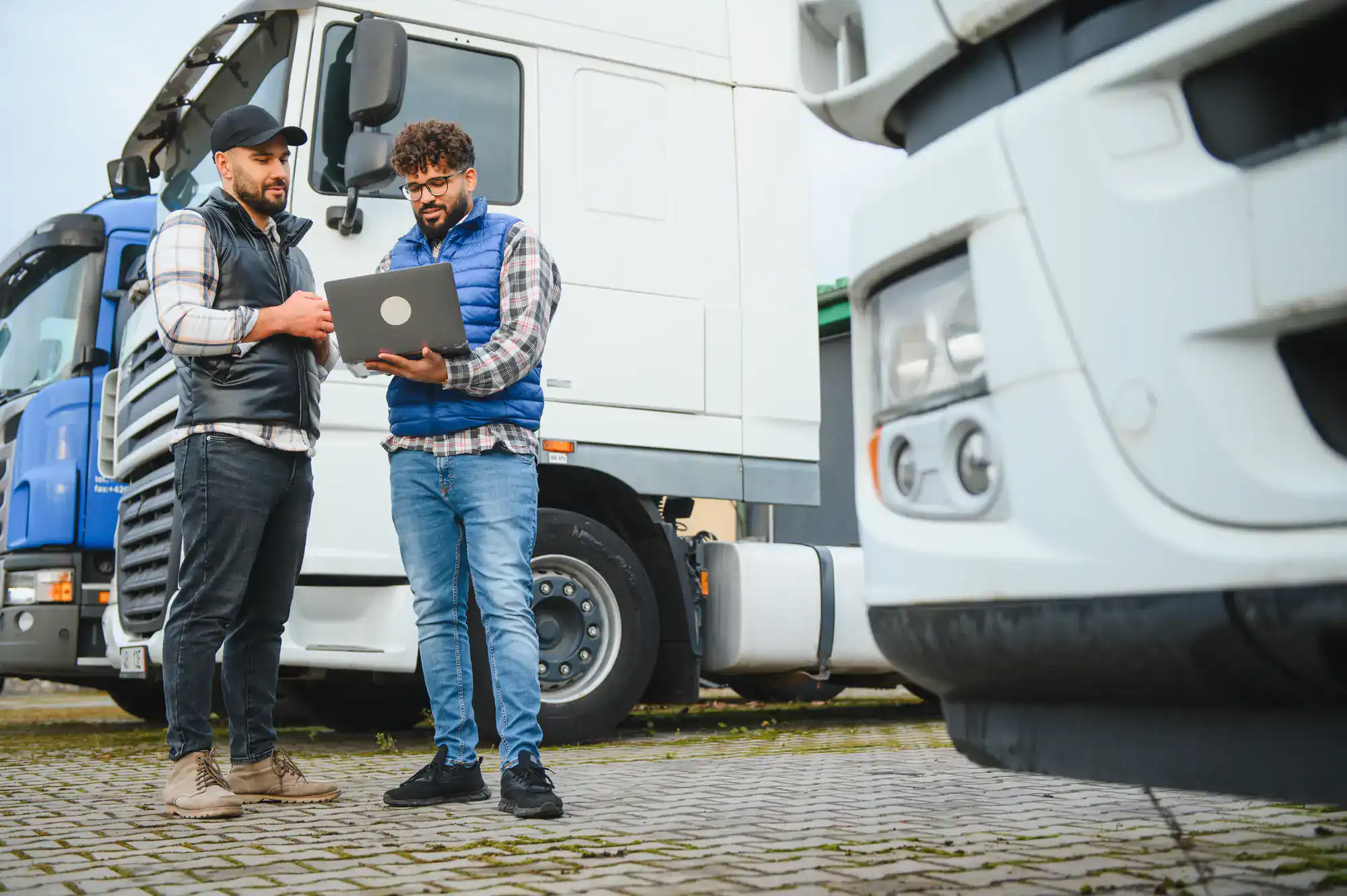
You bring in your heavy-duty truck—model year 2013 or newer diesel, or 2018 or newer alternative fuel, with a GVWR over 14,000 pounds. Those are the vehicles that need OBD testing under California’s regulations. If your truck doesn’t meet those specs, this isn’t the test you need.
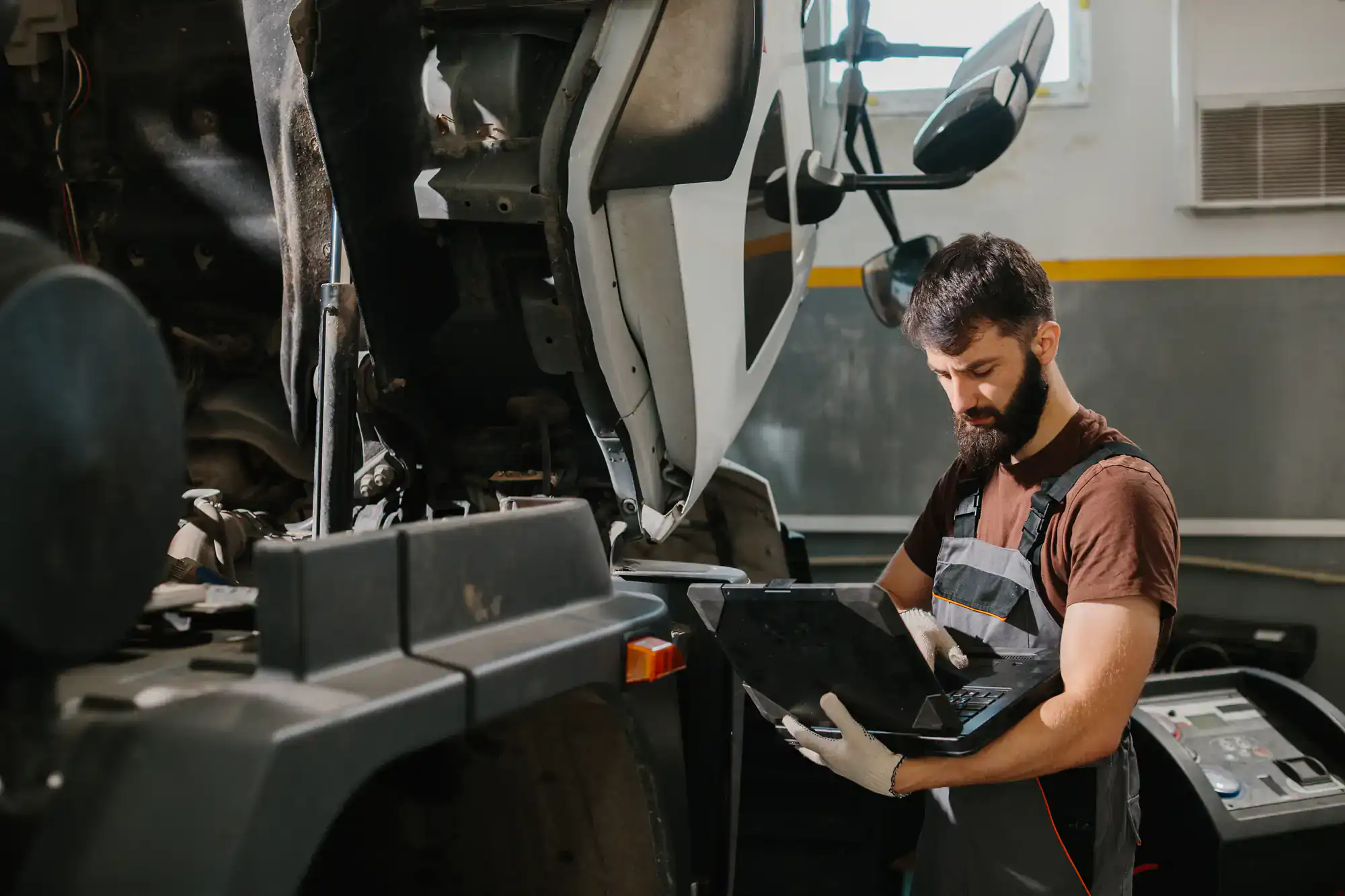
We connect CARB-certified OBD testing equipment to your vehicle’s diagnostic port. The scan pulls data directly from your engine’s onboard diagnostics system. We’re looking at emissions performance, fault codes, and whether your truck meets CARB’s standards for California operation.
The test takes a few hours depending on your vehicle. If you pass, results get transmitted directly to CARB’s database and you’re done. If there’s a failure, you’ll know exactly what needs repair before you can retest. No guessing. No surprises when you try to register or cross a weigh station.

Ready to get started?
Starting October 1, 2024, any compliance deadline of January 1, 2025 or later requires a passing Clean Truck Check test. This applies to nearly all heavy-duty diesel and alternative fuel trucks operating in California, regardless of where they’re registered.
Right now, testing happens semi-annually—every six months. But in October 2027, OBD-equipped vehicles move to quarterly testing. Four times per year. That’s the direction CARB is heading, and it’s not changing.
In Riverside County, where Lakeland Village operates as a key logistics area, enforcement isn’t theoretical. CARB collected over $21.5 million in penalties in 2022 alone, pursuing more than 8,000 cases. Trucks get flagged at ports, during roadside inspections, and through DMV registration checks.
You need a CARB credentialed tester using approved equipment. The results have to go into their system correctly. And if you’re running multiple trucks, you need to track different compliance deadlines for each vehicle. Miss one and you’re looking at registration holds, operational shutdowns, and penalties that add up faster than most repair bills.
If your truck has a GVWR over 14,000 pounds and you operate in California, yes. The specific requirement depends on your engine type and model year.
Diesel engines from model year 2013 and newer need OBD testing. Alternative fuel engines from 2018 and newer also require it. Older trucks fall under different inspection requirements, but this Clean Truck Check service only covers the newer OBD-equipped vehicles.
It doesn’t matter where your truck is registered. Out-of-state trucks operating in California have to comply. That includes trucks passing through, making deliveries, or accessing ports and railyards anywhere in the state.
You can submit a passing test up to 90 days before your compliance deadline. That’s a full three months of buffer time.
This matters because if your truck fails, you need time for repairs and retesting. Waiting until the last week leaves you scrambling if something’s wrong. Most operators who know the system test early, especially if they’re managing multiple vehicles with staggered deadlines.
The 90-day window also helps with scheduling. You can plan testing during slower periods instead of pulling trucks off the road during peak season. Once that passing result hits CARB’s database, you’re covered through your next deadline.
You get a detailed report showing exactly what triggered the failure. Usually it’s emissions-related fault codes, sensor issues, or components that aren’t performing within CARB’s standards.
You’ll need to make the repairs before retesting. Some fixes are simple—a sensor replacement or software update. Others involve more significant emissions system work. Either way, you know what needs fixing instead of guessing.
After repairs, you come back for another test. There’s no penalty for failing the first time, but you can’t legally operate in California until you pass. That’s why testing early matters. Downtime costs between $300 and $900 per vehicle per day, and that’s before you factor in lost contracts or delayed deliveries.
Mobile testing is available for fleets and operations that can’t afford to pull multiple trucks off-site. We bring the CARB-certified equipment to you.
This works especially well for larger operations in the Lakeland Village area managing several vehicles with upcoming deadlines. You keep your trucks on your property, we handle the testing on-site, and results still go directly into CARB’s system the same way.
Mobile service does require scheduling in advance and depends on how many vehicles you need tested. For single trucks or owner-operators, coming to our location is usually faster. But if you’re coordinating compliance for an entire fleet, mobile testing cuts down on the logistics headache.
Testing costs vary based on your vehicle type and whether you need mobile service. What matters more than the test price is what non-compliance costs.
CARB penalties run up to $10,000 per vehicle per day. DMV registration holds shut down your operation completely. Lost port access means you can’t pick up or deliver loads. One missed deadline can cost more than a year of testing.
The test itself is straightforward pricing with no hidden fees. You pay for the OBD scan, the CARB credentialed tester’s time, and direct submission to their database. If you fail and need retesting after repairs, that’s a separate test. But most trucks that are properly maintained pass on the first attempt.
Yes. California registration doesn’t exempt you from Clean Truck Check requirements. These are two separate compliance issues.
Your truck needs current DMV registration to operate legally. But starting with deadlines of January 1, 2025 or later, you also need a passing Clean Truck Check test in CARB’s system. Without it, your registration can be held up at renewal time.
This catches a lot of operators off guard because registration and emissions testing used to be more separated. Now they’re linked. CARB and DMV share data. If your compliance testing isn’t current, it shows up when you try to register. That’s why testing before your deadline matters—you don’t want to discover the requirement when you’re trying to renew your plates.
Useful Links
Other Services we provide in Lakeland Village