

Hear from Our Customers

Starting January 1, 2025, your trucks need passing compliance tests or the DMV automatically holds your registration. That means your trucks sit. Your routes go unfilled. Your revenue stops.
The Clean Truck Check program isn’t optional anymore. If you’re running trucks that are model year 2013 or newer with a GVWR over 14,000 pounds in California, you’re required to test twice a year. Miss a deadline and you’re looking at fines that can hit $10,000 per vehicle per day.
We handle CARB diesel compliance testing so you can focus on running your business. You get a passing test, a clear compliance record, and trucks that stay on the road. The testing window opens 90 days before your deadline, which gives you flexibility to schedule around your operations instead of scrambling at the last minute.
This isn’t about checking a box. It’s about protecting your ability to operate in California, access the ports in Long Beach and Los Angeles, and avoid the kind of regulatory trouble that shuts down fleets.
We serve the Culver City area with CARB credentialed testing for heavy-duty trucks. We’re not a general smog shop trying to figure out commercial vehicle requirements on the fly. We focus exclusively on the Clean Truck Check program for trucks 2013 and newer over 14,000 pounds.
Culver City sits right in the middle of major logistics corridors serving Greater Los Angeles, the Inland Empire, Orange County, and Ventura County. Your trucks move through here to reach ports, construction sites, manufacturing plants, and distribution centers. We understand the local commercial trucking landscape because we’re part of it.
Our testing meets every CARB requirement. We’ve completed the state’s credentialed tester training, we follow the HD I/M protocols, and we know exactly what triggers a pass or fail. You’re not getting guesswork. You’re getting compliance that holds up under state scrutiny.
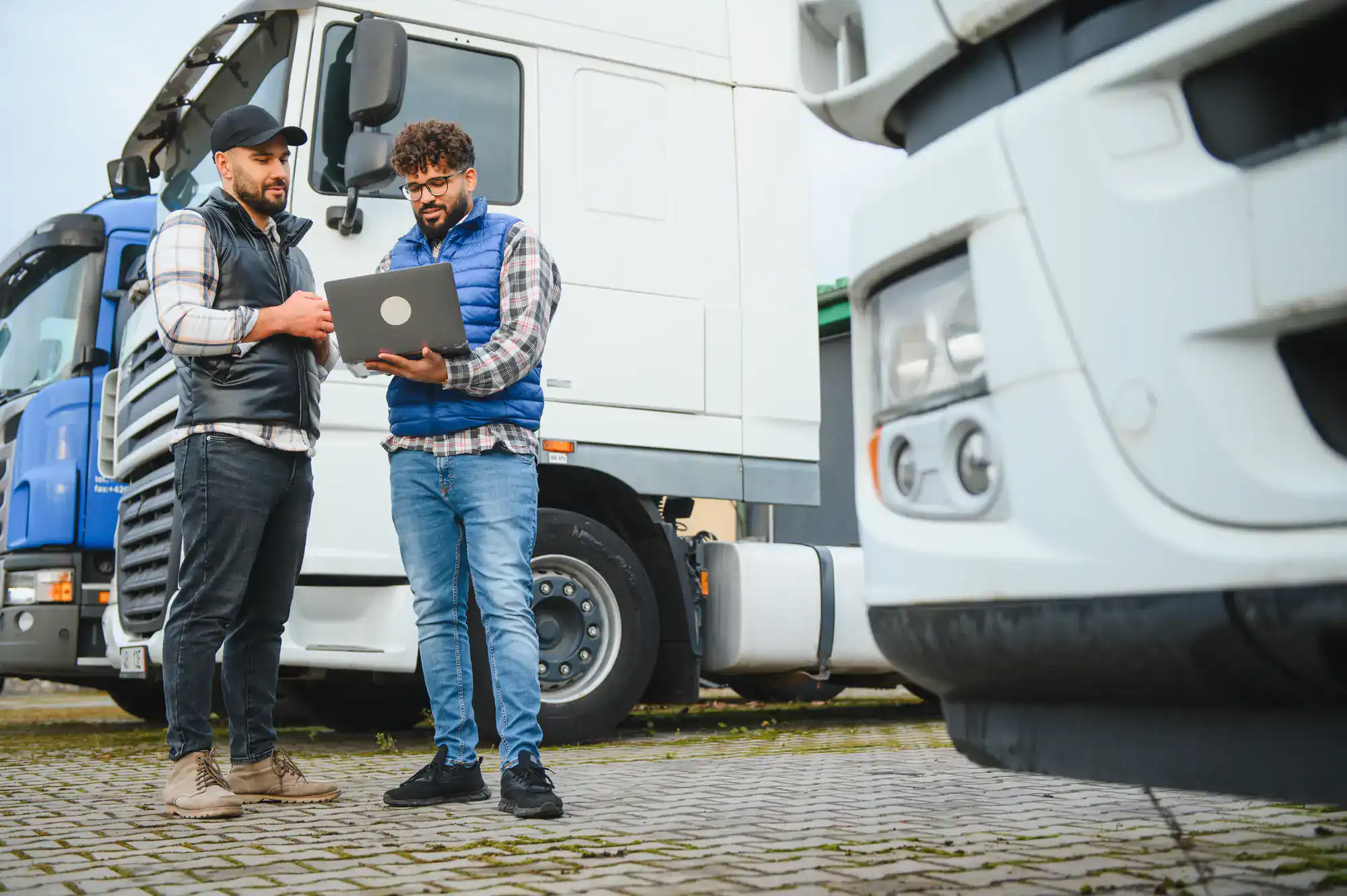
You schedule your appointment within the 90-day window before your compliance deadline. Bring your truck in and we’ll verify it qualifies for Clean Truck Check testing—that means confirming it’s a 2013 or newer model with a GVWR over 14,000 pounds.
We run the CARB emissions testing using the state’s HD I/M protocols. This includes connecting to your truck’s onboard diagnostics system, checking for trouble codes, and verifying your emissions control systems are working as designed. The test looks at whether your truck’s emissions equipment is functioning, not just whether it passes a tailpipe test.
If your truck passes, you get documentation showing compliance that gets reported to CARB and the DMV. Your compliance deadline is satisfied and your registration stays clear. If something comes up during testing, we’ll tell you exactly what needs attention before you can pass. No surprises, no runaround.
The whole process typically takes under an hour if your truck’s systems are functioning properly. You’ll know your status before you leave, and you’ll have what you need to prove compliance if you’re ever stopped or audited.

Ready to get started?
You’re getting a compliance test performed by a CARB credentialed tester who’s passed the state’s training and exam requirements. That credential matters because only credentialed testers can submit results that count toward your Clean Truck Check requirements.
The test covers your truck’s emissions control systems, OBD functionality, and compliance with current CARB truck regulations. We’re checking that your diesel particulate filter, selective catalytic reduction system, and other emissions equipment are working. This is different from a standard smog test—it’s specifically designed for heavy-duty diesel compliance.
In Culver City and across California, the stakes are high. The state’s Clean Truck Check program exists because heavy-duty trucks are a major source of air pollution in areas like Los Angeles. CARB estimates this program will prevent 7,500 air quality-related deaths and deliver $75 billion in health benefits. That’s why enforcement is strict and penalties are severe.
Your compliance deadline comes twice a year starting in 2025. By 2027, if your truck has OBD capabilities, you’ll need to test quarterly. Right now, you can submit a passing test up to 90 days early, which helps you plan around busy seasons and maintenance schedules. We’re here in Culver City to make that testing accessible without pulling your trucks off revenue-generating routes for long.
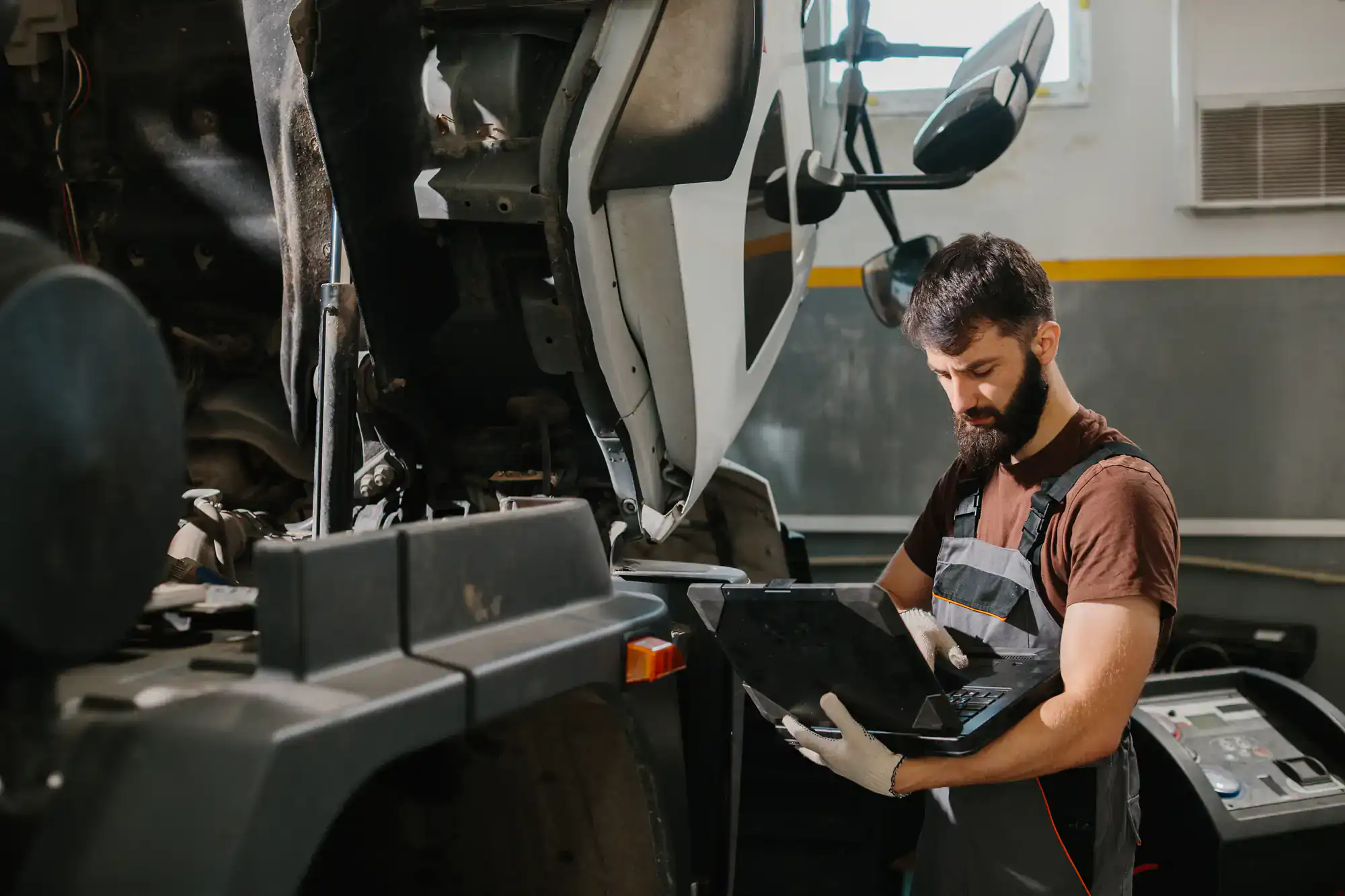
Your truck needs Clean Truck Check testing if it’s model year 2013 or newer and has a gross vehicle weight rating over 14,000 pounds. This applies whether you’re based in California or just operating here temporarily.
The requirement covers commercial trucks, privately-owned heavy-duty vehicles, government fleets, and out-of-state trucks that operate on California roads. If your truck was manufactured before 2013 or weighs less than 14,000 pounds GVWR, it doesn’t fall under Clean Truck Check requirements—though it may have other smog check obligations depending on the vehicle type.
Starting January 1, 2025, all compliance deadlines require a passing test. You’ll need to test twice a year, with deadlines spaced six months apart. The state assigns your specific deadline dates based on your vehicle registration. Miss a deadline and the DMV places an automatic hold on your registration, which legally prohibits you from operating that truck on public roads until you comply.
If your truck fails, you’ll get a detailed report showing exactly what triggered the failure. Usually it’s a fault code in the OBD system, a malfunctioning emissions control component, or an issue with your diesel particulate filter or SCR system.
You’ll need to get the problem repaired before you can retest and pass. The good news is that you have up to 90 days before your compliance deadline to get this sorted out, assuming you tested early. If you’re up against your deadline, you need to move fast because operating a non-compliant truck after your deadline means registration holds and potential fines.
Once repairs are complete, you come back for a retest. We run through the same CARB HD I/M testing protocol to verify the issue is resolved. When your truck passes, that’s when your compliance gets reported to the state and your deadline is satisfied. Some operators test their trucks early specifically to avoid last-minute failures that could sideline their equipment during busy periods.
Testing costs vary depending on your specific truck and testing requirements, but you’re typically looking at a reasonable fee for compliance testing that keeps you legal and operational. The cost of the test itself is minimal compared to the fines you’re avoiding.
Consider what non-compliance actually costs. CARB can fine you up to $10,000 per vehicle per day for operating without a valid compliance test. A registration hold means your truck sits idle, generating zero revenue while you’re still covering insurance, payments, and overhead. If you’re locked out of port access in Los Angeles or Long Beach, you could lose contracts.
The real question isn’t what testing costs—it’s what not testing costs. We’re talking about protecting your ability to operate legally in California, which is essential if you’re running any kind of commercial trucking operation in the Greater Los Angeles area. Call us for specific pricing based on your fleet size and testing needs. We’ll give you a straight answer without the runaround.
Yes. You can submit a passing compliance test up to 90 days before your deadline. This is actually the smart move because it gives you a buffer if something comes up during testing.
Testing early means you’re not scrambling to find an appointment during your deadline month when every other fleet operator is doing the same thing. You have time to address any failures without the pressure of an imminent deadline. You can schedule around your operational needs instead of pulling trucks off the road during your busiest periods.
The 90-day window is there specifically to give you flexibility. Your compliance deadline doesn’t change—it’s still the same date assigned by the state—but your passing test submitted early satisfies that deadline. This is especially useful for owner-operators and smaller fleets that can’t afford unexpected downtime. Get it done early, get it done right, and move on with running your business.
Clean Truck Check is specifically for heavy-duty trucks—model year 2013 or newer with GVWR over 14,000 pounds. Regular smog checks are for passenger vehicles and lighter trucks. The testing protocols, equipment, and compliance requirements are completely different.
A standard smog test measures tailpipe emissions using a dynamometer or OBD-II scan. Clean Truck Check uses CARB’s HD I/M testing protocol, which focuses on the functionality of your emissions control systems—your DPF, SCR, EGR, and other diesel emissions equipment. We’re verifying that the systems designed to reduce NOx and particulate matter are actually working as engineered.
Only CARB credentialed testers who’ve completed specific training can perform Clean Truck Check testing. Your regular smog shop might not be equipped or certified to handle heavy-duty vehicle compliance. The reporting goes directly to CARB and the DMV, and the consequences for non-compliance are much steeper than a failed passenger vehicle smog check. This is a commercial vehicle regulation with commercial-level penalties.
Yes, if your out-of-state truck operates in California and meets the criteria—2013 or newer, over 14,000 pounds GVWR—you’re required to comply with Clean Truck Check regulations. California doesn’t exempt out-of-state commercial vehicles from emissions compliance.
This catches a lot of operators off guard, especially those running regional routes that cross into California periodically. The state’s position is clear: if you’re operating on California roads, you’re subject to California regulations. That includes CARB diesel compliance, Clean Truck Check testing, and all associated penalties for non-compliance.
Out-of-state trucks that fail to comply can be restricted from operating in California entirely. You could be stopped at agricultural inspection stations, weigh stations, or during roadside inspections. If you’re not compliant, you’re not getting into the ports, you’re not making your deliveries, and you’re facing the same fines as California-based operators. If you run routes through California with any regularity, you need to factor Clean Truck Check compliance into your operational planning. We can test out-of-state registered trucks and get you the documentation you need to operate legally here.
Useful Links
Other Services we provide in Culver City