
Hear from Our Customers

You’re not here because you love emissions testing. You’re here because California requires it, and the consequences of skipping it are brutal.
A passing Clean Truck Check means your trucks stay registered with the DMV. It means you avoid the $10,000-per-vehicle-per-day fines that CARB can levy for non-compliance. It means your drivers don’t get pulled off the road mid-route because your paperwork isn’t current.
If you’re running 2013 or newer heavy-duty trucks over 14,000 pounds GVWR in California, this isn’t optional anymore. CARB’s Heavy-Duty Inspection and Maintenance program went into full effect in 2024, and every diesel or alternative fuel truck operating in this state needs a compliance test on file.
We handle both OBD-based testing for newer trucks and smoke opacity testing for non-OBD vehicles. You get your certificate, we submit the results directly to CARB’s database, and you move on with your day. That’s the outcome that matters.
We operate right in the middle of LA’s industrial corridor. Cudahy sits between Vernon, Bell, and South Gate—some of the busiest freight zones in Southern California. We’re not tucked away in a residential neighborhood. We’re where the trucks are.
Our testers are CARB-credentialed, which means they’ve been trained and certified to perform Heavy-Duty Inspection and Maintenance testing according to state standards. That’s not a marketing claim—it’s a legal requirement, and we meet it.
We’ve been serving commercial operators in this area long enough to understand what you’re dealing with: tight schedules, razor-thin margins, and regulations that don’t care about your delivery deadlines. We don’t waste your time, and we don’t upsell services you don’t need.
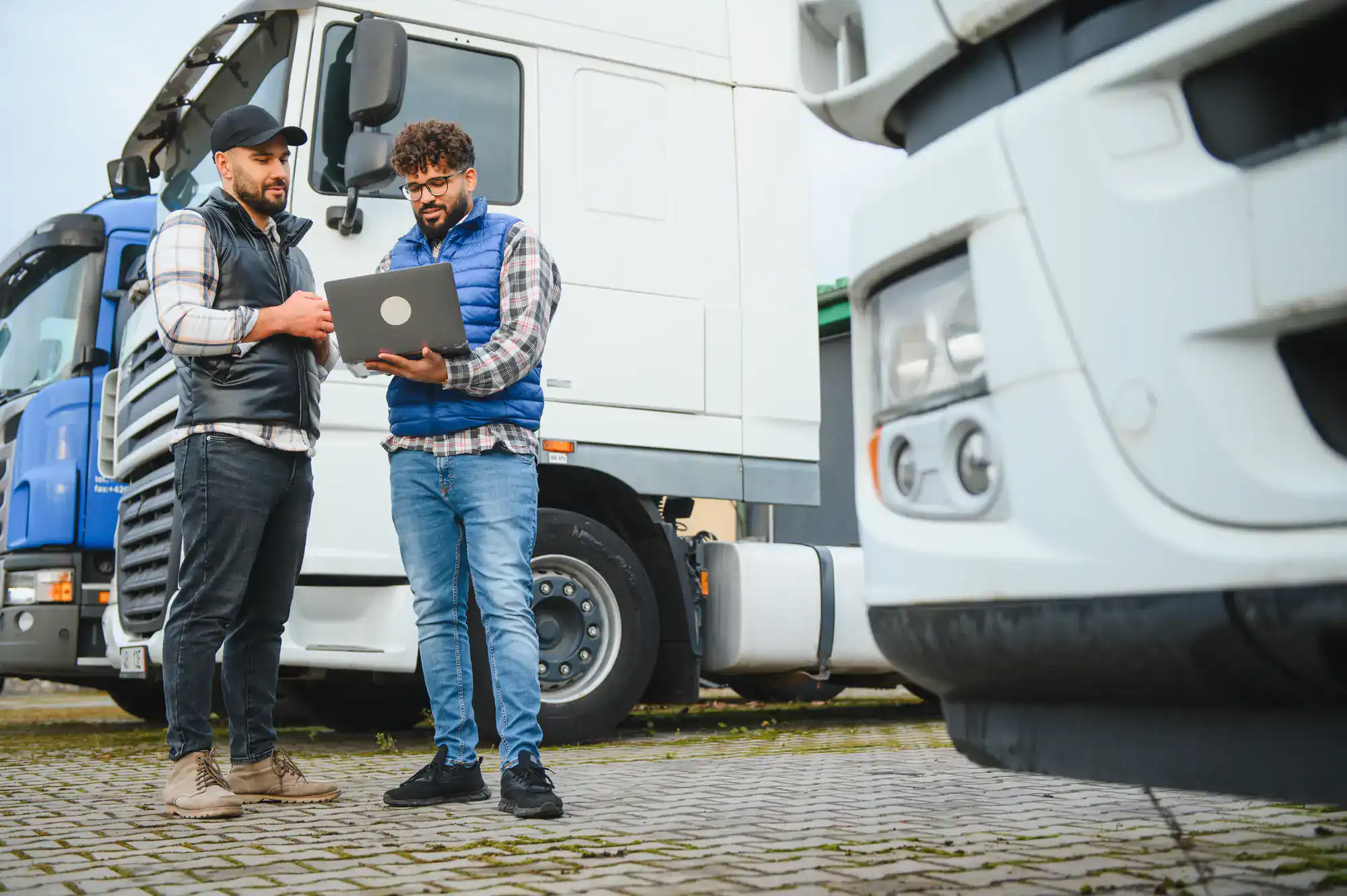
First, we verify your truck qualifies. That means confirming it’s model year 2013 or newer and has a GVWR over 14,000 pounds. If it doesn’t meet both criteria, it’s not subject to Clean Truck Check requirements, and we’ll tell you that upfront.
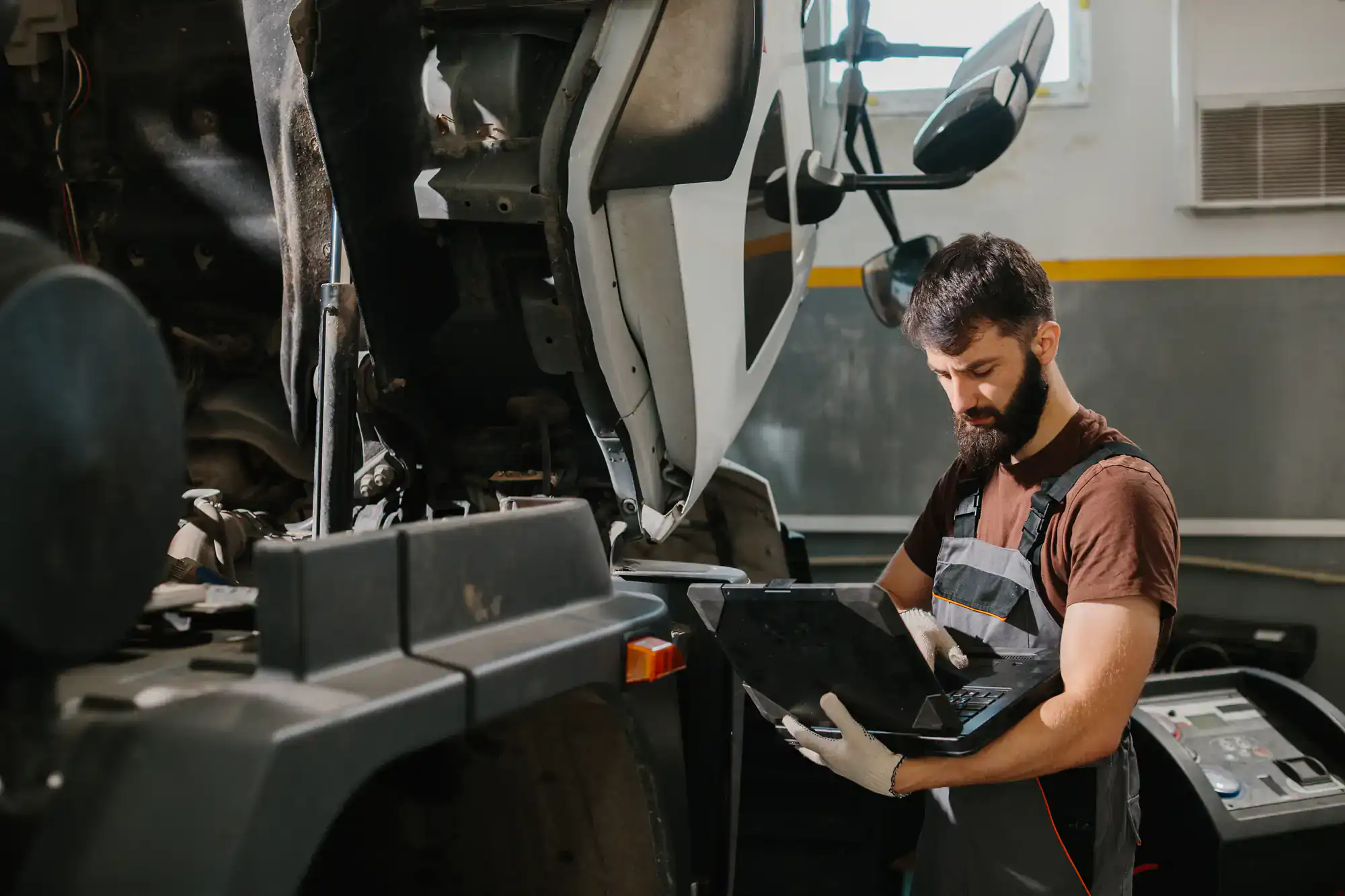
For OBD-equipped trucks, we connect to your vehicle’s onboard diagnostics system using CARB-validated test equipment. The system checks for emissions-related fault codes and monitors readiness status. For non-OBD trucks, we perform a smoke opacity test that measures visible emissions from your exhaust.
If your truck passes, we generate your compliance certificate and submit the results directly to CARB’s database. You’ll have documentation in hand before you leave. If it doesn’t pass, we’ll explain what triggered the failure and what needs to be addressed before retesting.
You can submit a passing test up to 90 days before your compliance deadline, so you’re not scrambling at the last minute. If you’re on a semi-annual testing schedule, you’ll need to come back every six months. We keep records of your testing history to help you stay on track.
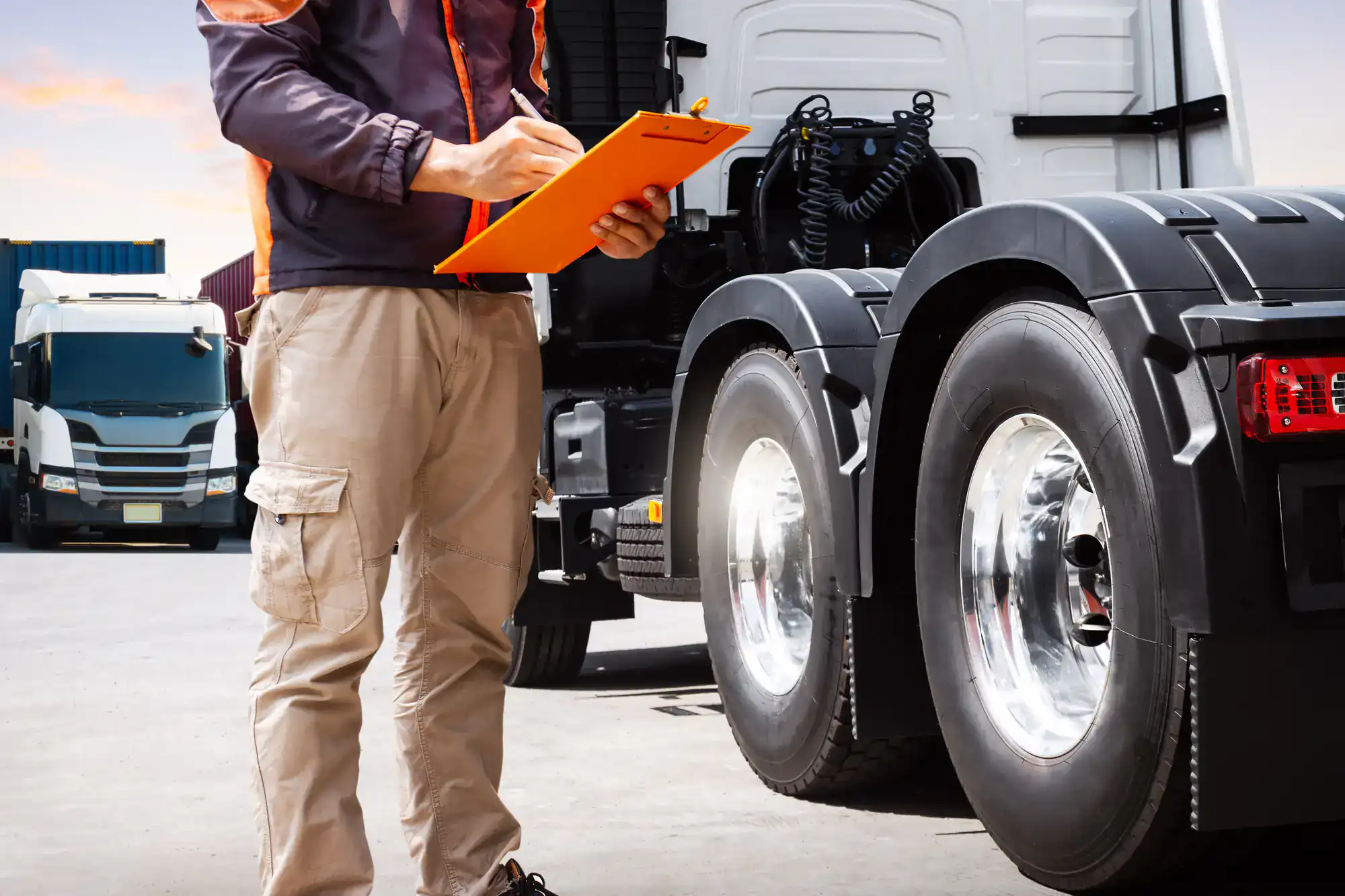
Ready to get started?
California’s Clean Truck Check program targets heavy-duty vehicles because they generate over half the state’s smog-causing pollution despite making up only 3% of vehicles on the road. CARB estimates this program will prevent thousands of air quality-related deaths and hospitalizations by 2050, but right now, your concern is simpler: staying legal.
Every diesel and alternative fuel truck over 14,000 pounds GVWR operating in California must comply. That includes local delivery trucks, semi-trucks, buses, and heavy-duty work vehicles. Out-of-state trucks aren’t exempt—if you operate here, you’re subject to the same requirements.
Compliance deadlines are tied to your vehicle’s registration. Miss your deadline, and the DMV can block your registration renewal. That means no legal operation in California until you’re current. For interstate carriers, that’s a business-killing problem.
Cudahy’s location puts you close to the Ports of Los Angeles and Long Beach, where Clean Truck Check compliance is heavily enforced. Trucks moving freight through these ports face additional scrutiny, and non-compliant vehicles can be turned away. If your business depends on port access, staying current isn’t negotiable.
Any diesel or alternative fuel heavy-duty vehicle with a gross vehicle weight rating over 14,000 pounds that operates in California needs Clean Truck Check testing. That includes semi-trucks, delivery trucks, buses, and other commercial vehicles. The key qualifier is model year—only trucks from 2013 and newer are currently subject to the program.
If your truck is older than 2013 or weighs less than 14,000 pounds GVWR, it’s not covered under Clean Truck Check requirements. You might still need other types of emissions testing depending on your vehicle type and registration, but not this specific program.
Out-of-state trucks aren’t exempt. If you’re based in Nevada, Arizona, or anywhere else but you operate in California, you’re subject to the same compliance requirements as California-registered vehicles. CARB enforces this at weigh stations, ports, and through roadside inspections.
CARB can fine you up to $10,000 per vehicle per day for non-compliance. That’s not a typo. If you’re running multiple trucks without current compliance tests, the penalties stack fast enough to put you out of business.
Beyond fines, the DMV will place a registration hold on non-compliant vehicles. That means you can’t renew your registration until you’re current, which effectively grounds your truck. You can’t legally operate it on California roads, and you can’t generate revenue with it until the hold is lifted.
For interstate carriers, non-compliance can also mean restricted access to California. That’s a major problem if your routes depend on moving freight through this state or accessing the Ports of Los Angeles and Long Beach. Enforcement is real, and the consequences are designed to hurt enough that you comply.
You can submit a passing Clean Truck Check test up to 90 days before your compliance deadline. That gives you a three-month window to get tested without scrambling at the last minute.
If you’re on a semi-annual testing schedule, you’ll need to test every six months. Planning ahead means you can schedule testing during slower periods instead of when your trucks are booked solid. It also gives you time to address any failures and retest before your deadline hits.
We recommend not waiting until the final week. If your truck fails and needs repairs, you’ll need time to fix the issue and come back for a retest. Cutting it too close puts you at risk of missing your deadline, which triggers DMV registration holds and potential fines.
For trucks equipped with onboard diagnostics systems, we connect CARB-validated test equipment to your vehicle’s OBD port. The system reads diagnostic trouble codes related to emissions controls and checks whether your monitors are ready.
If your truck has active fault codes related to emissions systems—like issues with your diesel particulate filter, NOx sensors, or exhaust gas recirculation—it will fail. If your monitors aren’t ready because the system hasn’t completed its self-checks, that’s also a failure.
The test itself takes about 15 to 20 minutes if everything’s working correctly. If you pass, we generate your certificate and submit the results to CARB immediately. If you fail, we’ll show you what triggered the failure so you know what needs to be fixed before you retest.
Yes. If your truck operates in California, you’re subject to Clean Truck Check requirements regardless of where it’s registered. CARB enforces compliance for all heavy-duty vehicles operating within state borders, not just California-plated trucks.
That means if you’re an out-of-state carrier running freight through California, your trucks need current compliance tests on file with CARB. Enforcement happens at weigh stations, port entries, and during roadside inspections. Non-compliant out-of-state trucks can be restricted from operating in California until they’re current.
The testing process is the same whether you’re registered in California or elsewhere. You’ll need to bring your truck to a CARB-credentialed tester, pass the compliance test, and have the results submitted to CARB’s database. Your certificate proves compliance if you’re stopped or inspected.
OBD testing applies to newer trucks equipped with onboard diagnostic systems. We connect to your truck’s computer and check for emissions-related fault codes and monitor readiness. It’s a digital test that evaluates whether your emissions control systems are functioning correctly.
Smoke opacity testing applies to older or non-OBD-equipped trucks. We measure the density of visible smoke coming from your exhaust under load conditions. If your truck is producing excessive black smoke, it fails. This test physically measures particulate emissions rather than relying on computer diagnostics.
Which test your truck needs depends on its model year and equipment. Most 2013 and newer heavy-duty trucks use OBD testing, but some specialized vehicles or older models still on the road may require smoke opacity testing instead. We’ll determine which applies when you bring your truck in.
Useful Links
Other Services we provide in Cudahy