
Hear from Our Customers

California’s Clean Truck Check program went into full effect January 1, 2025. If you’re running a 2013 or newer diesel truck with a GVWR over 14,000 pounds, you need passing OBD emissions tests twice a year. Miss it, and you’re looking at fines up to $10,000 per vehicle per day, plus DMV registration holds that ground your operation.
You don’t have time to figure out which testing station is actually certified or whether your truck qualifies. You need to know your vehicle passes, your results get submitted to CARB correctly, and you can get back to work.
That’s what happens here. We run the OBD scan using CARB-certified equipment, submit your passing results directly to the state, and hand you the compliance certificate. The test takes about 15 minutes. You’re legal for the next six months. No runaround, no surprises.
We serve Castaic and the surrounding trucking corridors with emissions testing you can count on. We’re a CARB-credentialed testing station, which means we’re authorized to perform Clean Truck Check testing and submit results directly to the California Air Resources Board.
Castaic sits right along major freight routes serving Los Angeles County, Ventura County, and the San Fernando Valley. Truckers passing through and local fleet operators both need fast, reliable compliance testing. We built this service because the regulations are new, the penalties are steep, and most operators don’t have time to waste on stations that don’t know what they’re doing.
We handle the technical side. You get proof of compliance and peace of mind.
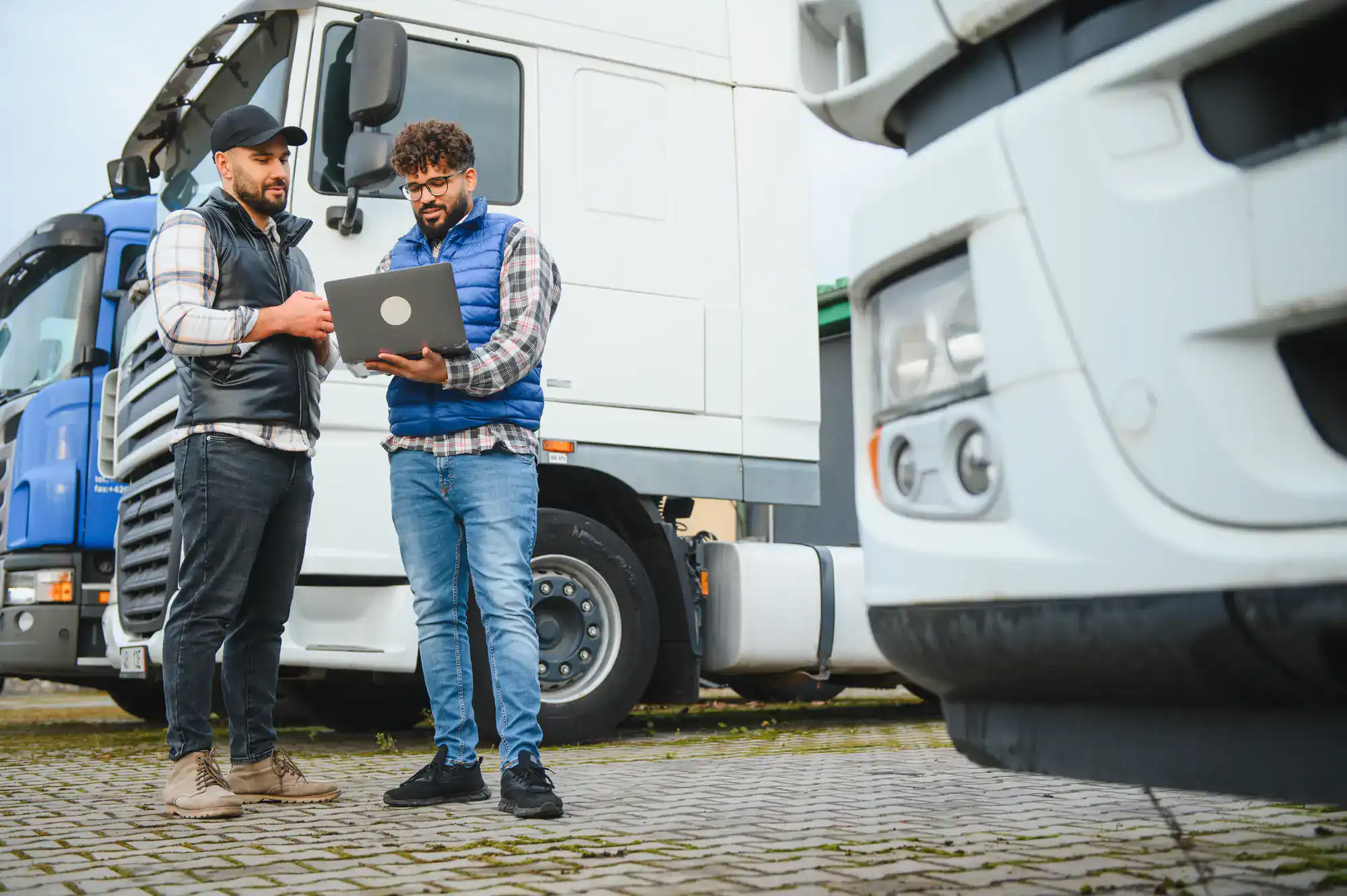
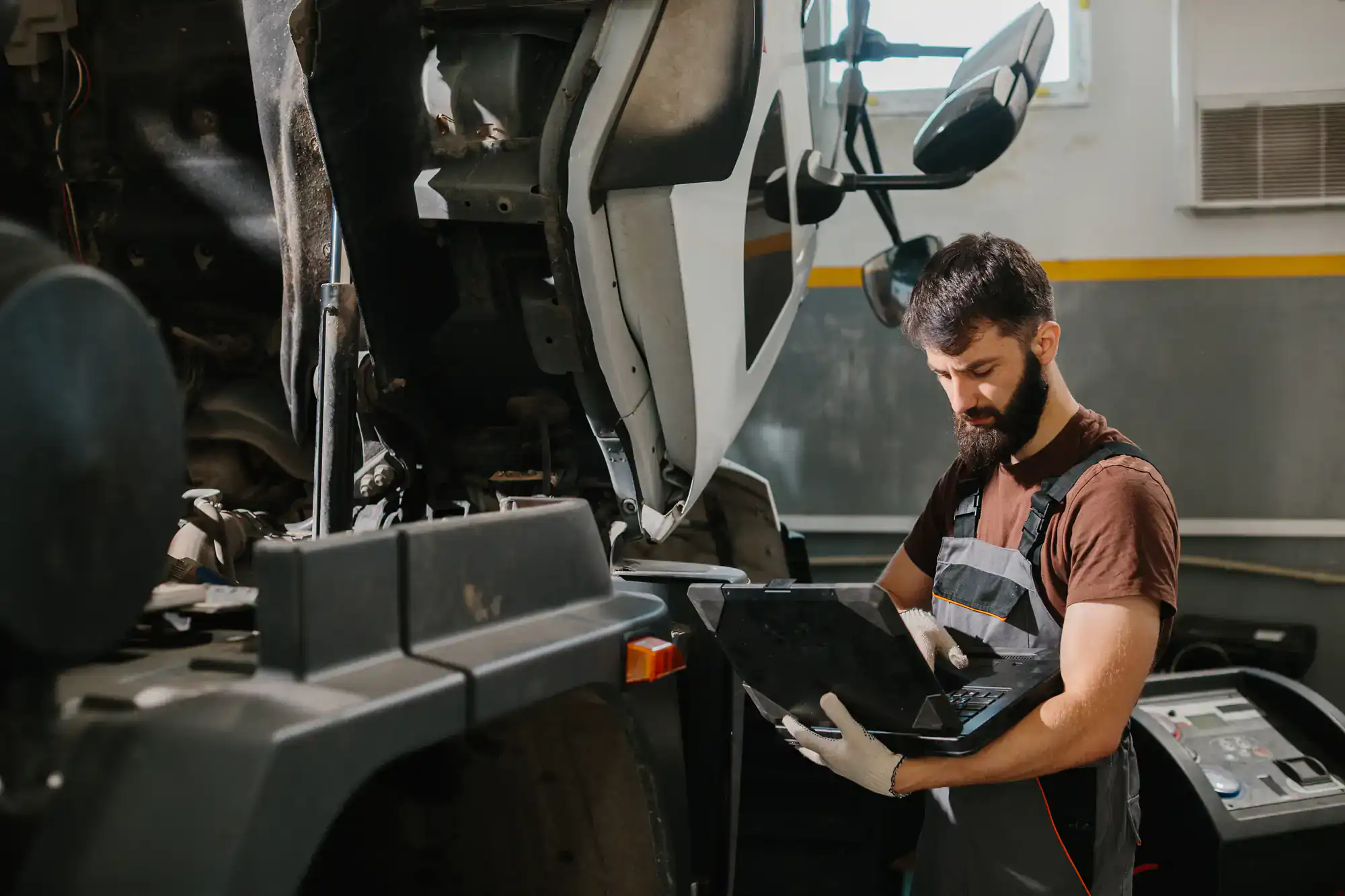
First, we verify your truck qualifies—2013 or newer diesel engine, over 14,000 pounds GVWR. If it does, we connect our CARB-certified OBD testing device to your vehicle’s diagnostic port. The scan pulls data directly from your truck’s onboard computer to check emissions system performance.
The test itself takes around 15 minutes. We’re looking at fault codes, readiness monitors, and emissions control system function. If everything checks out, your truck passes. We submit the results electronically to CARB, and you receive an official compliance certificate on the spot.
You can submit passing results up to 90 days before your compliance deadline, which gives you flexibility if repairs are needed. Most operators schedule tests well in advance to avoid last-minute issues. If your truck doesn’t pass, we’ll explain what’s flagged and what needs attention before you can retest.
This isn’t a visual inspection or a guess. It’s a data-driven scan that either confirms compliance or tells you exactly what’s wrong.
Ready to get started?
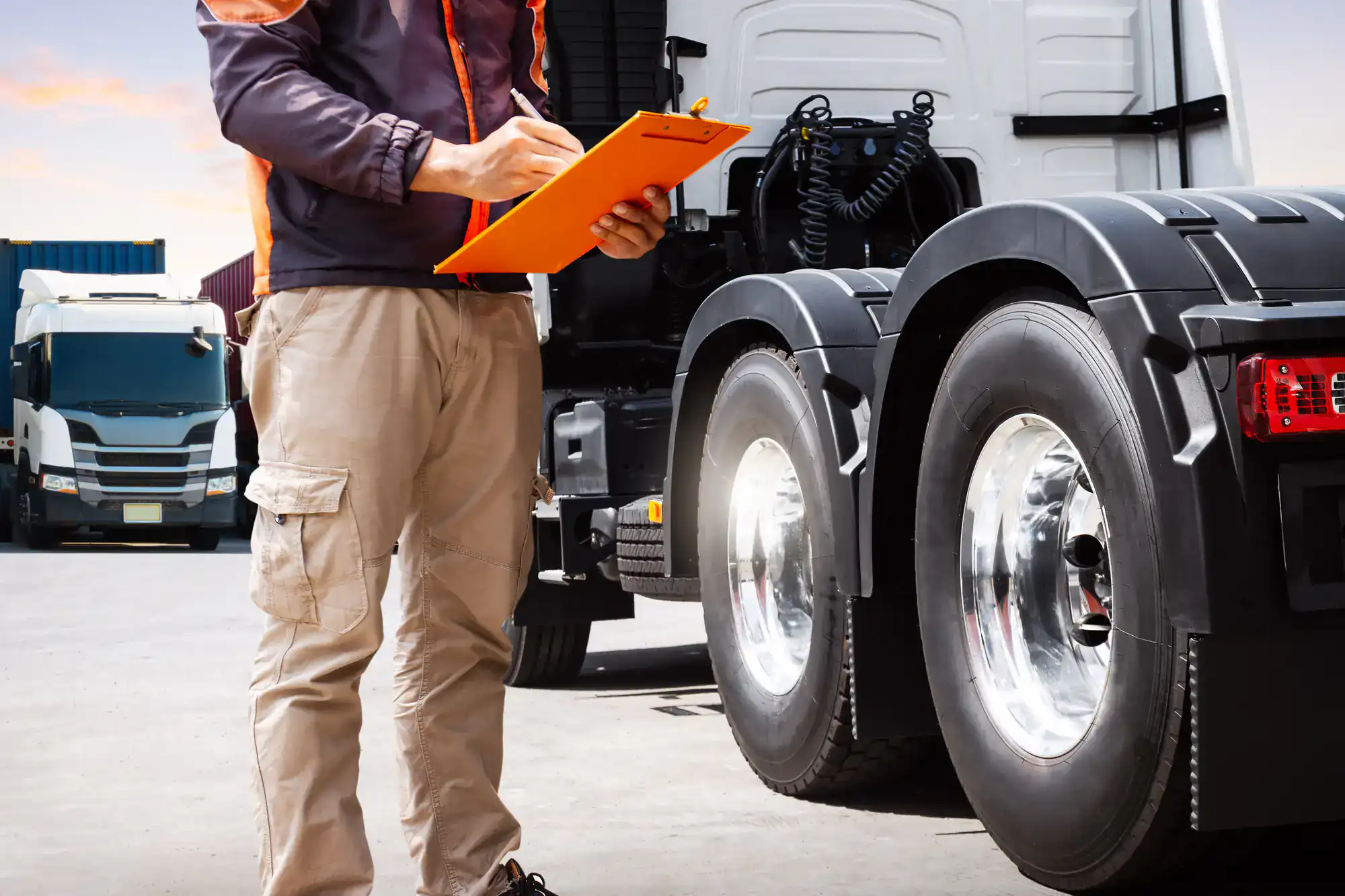
You’re paying for CARB-credentialed testing performed by a certified technician using state-approved equipment. That’s not optional—it’s the only way your results count. You’re also paying for direct electronic submission to the California Air Resources Board, which means your compliance is recorded in the state system immediately.
You walk out with an official certificate of compliance that proves your truck is legal to operate on California roads. That certificate matters during roadside inspections, port entry, and DMV registration. Without it, you’re exposed to penalties, registration holds, and potential impoundment.
In Castaic, truckers deal with CHP enforcement along the I-5 corridor and at inspection stations near the Grapevine. CARB has made it clear they’re coordinating with law enforcement to catch non-compliant vehicles. Over 18,000 inspections happened statewide in recent enforcement sweeps, with violations carrying fines up to $37,500 per truck. The testing requirement isn’t going away—it’s expanding. By October 2027, OBD-equipped trucks will need testing four times per year instead of two.
Getting compliant now means you’re ahead of the curve, not scrambling to catch up when enforcement tightens.
If your truck has a 2013 or newer diesel engine and weighs over 14,000 pounds GVWR, it’s required. This applies to heavy-duty trucks, buses, motorhomes, and any vehicle in that weight class operating on California public roads—whether you’re registered in California or out of state.
The requirement went into effect October 1, 2024, with all compliance deadlines starting January 1, 2025. You need passing emissions tests twice per year, submitted through a CARB-credentialed testing station. If you skip it, California DMV can place a registration hold on your vehicle, and you’re subject to fines starting at $10,000 per vehicle per day for non-compliance.
This isn’t a recommendation. It’s a legal mandate enforced by CARB and the California Highway Patrol. If your truck fits the criteria, you need the test.
Right now, you need Clean Truck Check testing twice per year—every six months. CARB allows you to submit passing test results up to 90 days before your compliance deadline, so you have some flexibility in scheduling.
That frequency is increasing. Starting in October 2027, OBD-equipped vehicles will be required to test four times per year instead of two. The goal is tighter monitoring of emissions systems to catch tampering and malfunctions faster.
For now, plan on testing every six months. Mark your deadlines and schedule early. If your truck fails, you’ll need time to make repairs and retest before the deadline hits. Waiting until the last minute leaves you vulnerable to registration holds and fines if something goes wrong.
If your truck fails, the OBD scan will show specific fault codes or readiness monitor issues that caused the failure. We’ll explain what’s flagged and what needs repair. Common failures include malfunctioning diesel particulate filters, faulty NOx sensors, or emissions control systems that have been tampered with or deleted.
You’ll need to get the repairs done, then come back for a retest. CARB doesn’t issue compliance certificates for failing vehicles, which means you can’t legally operate that truck on California roads until it passes. If your compliance deadline passes while your truck is still failing, you’re subject to penalties and DMV registration holds.
The good news is you can test up to 90 days early. That gives you a buffer to handle repairs without losing road time. Most operators who test early avoid the stress of last-minute failures and expensive rush repairs.
It has to be done at a CARB-credentialed testing station using CARB-certified OBD testing equipment. Not every smog shop qualifies. The technician performing your test must hold a current CARB credential specifically for Clean Truck Check testing, and the station must be licensed by the California Air Resources Board.
If you go to a non-credentialed station, your test results won’t be accepted by CARB. You’ll have wasted time and money, and you’ll still need to retest at a credentialed location. CARB maintains a list of credentialed stations, but the easiest way to confirm is to ask directly before you schedule.
We’re a CARB-credentialed testing station in Castaic. We’re authorized to perform Clean Truck Check testing and submit results electronically to the state. When you test here, it counts.
CARB can fine you up to $10,000 per vehicle per day for operating without a valid Clean Truck Check compliance certificate. If your truck has been tampered with—like emissions equipment deleted or disabled—the fine jumps to $37,500 per violation. California DMV can also place a registration hold on your vehicle, which prevents renewal and effectively grounds your truck.
Beyond fines, non-compliant trucks can be denied entry into ports, railyards, and certain facilities. CHP conducts roadside inspections specifically targeting heavy-duty vehicle compliance, especially along major freight corridors like the I-5 near Castaic. If you’re caught operating a non-compliant truck, you’re looking at citations, potential impoundment, and lost revenue while your truck sits.
The cost of testing is a fraction of a single day’s fine. The cost of non-compliance can shut down your operation.
Yes. If your truck operates on California public roads and meets the criteria—2013 or newer diesel engine with GVWR over 14,000 pounds—you need Clean Truck Check compliance, even if the truck is registered in another state. CARB’s regulations apply to any qualifying vehicle operating within California, regardless of where it’s based.
Out-of-state operators passing through California are subject to the same testing requirements and penalties as California-registered trucks. CHP and CARB enforcement teams conduct inspections at border crossings, weigh stations, and along major trucking routes. If you’re running freight into or through California, you need proof of compliance.
The twice-per-year testing requirement applies to all qualifying vehicles. If you operate in California regularly, plan your testing schedule around your routes and compliance deadlines to avoid getting caught non-compliant during a roadside inspection.
Useful Links
Other Services we provide in Castaic