
Hear from Our Customers

Non-compliance isn’t just a paperwork problem. It’s a $10,000-per-day fine waiting to happen. It’s a DMV registration hold that takes your truck out of service. It’s lost revenue, missed deliveries, and explaining to customers why you can’t move their freight.
CARB made the rules complicated on purpose. You’re running a business—you don’t have time to decode regulations that change every year. That’s where we come in.
We handle CARB certified smog check testing for trucks that are model year 2013 or newer with a GVWR over 14,000 pounds. That means OBD-equipped diesel engines that require specialized testing equipment and certified technicians who know what they’re doing. We run the scan, submit the results, and get you back on the road. No registration holds. No guessing if you’re compliant. Just a passing certificate and proof that your truck meets California’s requirements.
We’ve been serving the Perris trucking community for over 15 years. We’re located right in the heart of Southern California’s logistics corridor, where I-15 and CA-66 meet and thousands of heavy-duty trucks move freight every single day.
Perris isn’t just another city on the map. It’s home to over 1,500 trucking companies operating out of zip codes 92570, 92571, 92572, and 92599. This is a working town, and we understand what’s at stake when your trucks can’t roll.
We’re CARB credentialed testers. That means we’ve completed the state-required training, passed the exam, and maintain our certification every two years. We use CARB certified OBD testing devices, and every test we run is submitted directly to the state. You get a valid clean truck check certificate that holds up with the DMV and keeps your registration current.

You bring your truck in—model year 2013 or newer, GVWR over 14,000 pounds. We plug into the OBD port and run a scan using our CARB certified testing device. The scan pulls data directly from your engine’s emissions control system.
We’re looking at things like diesel particulate filter status, NOx sensor readings, and whether your truck’s emissions systems are functioning the way California requires. The test itself doesn’t take long. We’re not doing a full mechanical inspection—we’re checking compliance with CARB’s clean truck check requirements.
Once the scan is complete, we submit the results to the state. If your truck passes, you get a certificate proving compliance. That certificate is what prevents the DMV from putting a registration hold on your vehicle. You’ll need to complete this test twice a year right now, but starting in October 2027, it goes up to four times a year. We’ll remind you when your next test is due so you’re never caught off guard.

Ready to get started?
California’s Clean Truck Check program started in January 2023 with roadside monitoring. Reporting requirements kicked in October 2023. As of January 1, 2025, every compliance deadline requires a passing emissions test on file with the state.
Right now, you need testing twice a year. In 2027, that jumps to quarterly. The annual fee is $31.18 per vehicle in 2025, plus the cost of testing. If you’re running a fleet of 10 trucks, that’s over $300 just in state fees—not counting what happens if you miss a deadline.
Here’s what a lot of operators in Perris don’t realize: this applies to ALL heavy-duty trucks operating in California, even if they’re registered out of state. If your truck is hauling freight on California roads and it’s a 2013 or newer diesel over 14,000 pounds, you’re subject to these rules. No exceptions.
The state isn’t messing around either. CARB collected $21.5 million in penalties in 2022 alone. Fines can hit $10,000 per vehicle per day. One missed test can cost you more than a year’s worth of compliance. And if the DMV puts a hold on your registration, that truck sits until you fix it. No hauling. No revenue. Just downtime that costs you anywhere from $300 to $900 per vehicle per day in lost productivity.
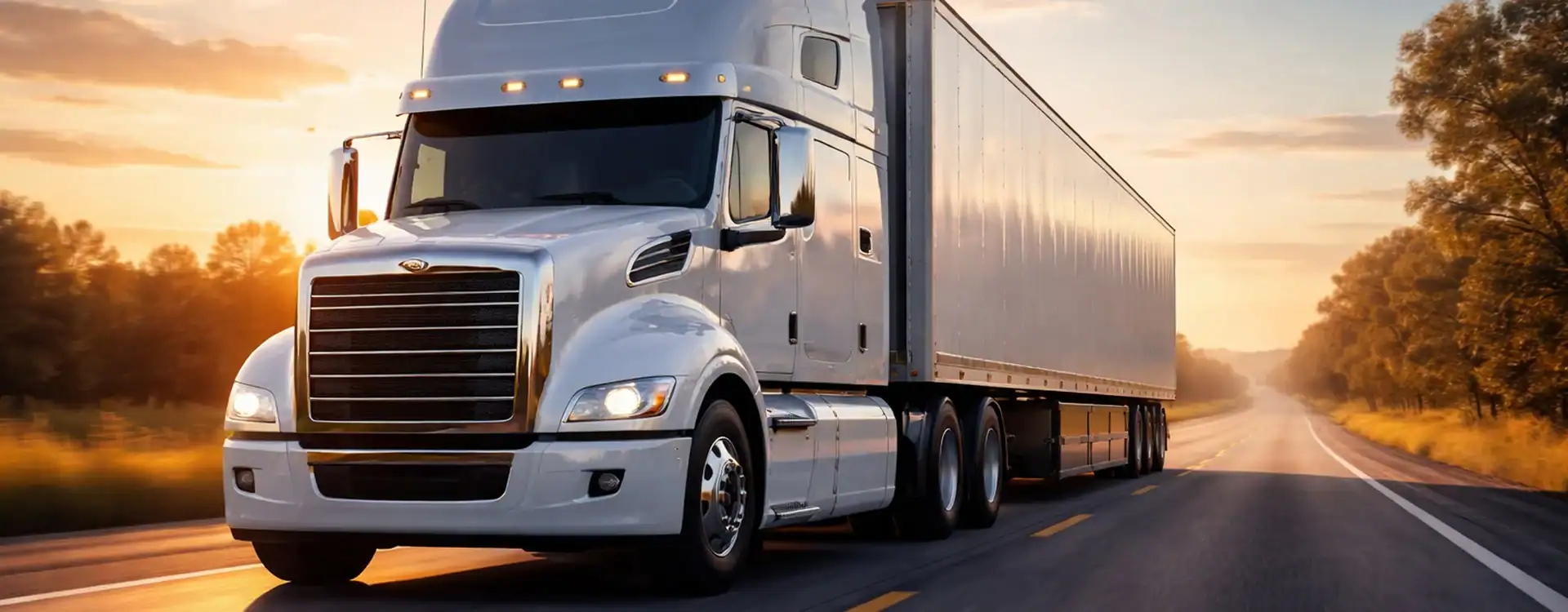
If your truck is model year 2013 or newer and has a GVWR over 14,000 pounds, yes. This applies to diesel engines equipped with OBD systems, which became standard in 2013.
It doesn’t matter if your truck is registered in California or another state. If you’re operating on California roads and hauling freight, you’re required to comply with CARB’s clean truck check program. That means twice-yearly testing in 2025 and 2026, then quarterly starting in October 2027.
Older trucks and lighter vehicles aren’t part of this program. If your truck is a 2012 or earlier model, or if it’s under 14,000 pounds GVWR, you’re not subject to clean truck check requirements. But if you’re running a newer heavy-duty fleet in Perris, this is mandatory.
The state charges an annual fee of $31.18 per vehicle in 2025. That’s separate from the actual testing cost, which varies depending on where you go.
What really adds up isn’t the test itself—it’s what happens if you don’t stay compliant. Fines start at $10,000 per vehicle per day. A registration hold can take your truck out of service for days or weeks, costing you $300 to $900 per vehicle in downtime alone. Miss a delivery window and you’re looking at lost contracts and damaged relationships with customers.
Compare that to the cost of staying ahead of your deadlines. Testing twice a year right now, four times a year starting in 2027. It’s predictable, manageable, and a whole lot cheaper than dealing with penalties and holds after the fact.
If your truck fails, you’ll need to get it repaired and retested before the state will issue a passing certificate. The DMV won’t release any registration holds until you submit proof of compliance.
Common failure points include malfunctioning diesel particulate filters, faulty NOx sensors, or emissions control systems that aren’t operating within CARB’s parameters. These aren’t always obvious issues—your truck might run fine but still fail the OBD scan.
Once repairs are done, you come back for another test. We rescan the system, and if everything checks out, we submit the passing results to the state. The key is addressing failures quickly. Every day your truck sits non-compliant is another day it’s not generating revenue. In Perris, where logistics moves fast and margins are tight, that downtime hits hard.
Right now, twice a year through 2026. Starting in October 2027, you’ll need testing four times a year—once per quarter.
That’s a significant increase, and it’s going to catch a lot of fleet operators off guard if they’re not planning ahead. If you’re running 20 trucks, that’s 40 tests per year right now. In 2027, it jumps to 80 tests. Multiply that by testing costs and the time it takes to cycle trucks through compliance, and you’re looking at a real operational challenge.
The smart move is building this into your maintenance schedule now. Treat it like any other required service—oil changes, brake inspections, tire rotations. Set reminders, track deadlines, and don’t wait until the last minute. The state doesn’t care if you forgot or got busy. Miss a deadline and you’re facing penalties and holds.
Yes. The actual OBD scan doesn’t take long—we’re talking minutes, not hours. The slowdown usually happens when shops are backed up or don’t have the right equipment.
We’re set up specifically for heavy-duty CARB compliance testing. We’ve got the certified OBD devices, the trained technicians, and the direct connection to submit results to the state. You’re not waiting days for an appointment or sitting in line behind passenger cars getting smog checks.
Perris is a major logistics hub. Trucks are moving in and out of this area constantly, and downtime is expensive. We get that. Bring your truck in, we run the test, and you’re back on I-15 or CA-66 hauling freight. That’s the whole point—keep you compliant without killing your schedule.
CARB can fine you up to $10,000 per vehicle per day for non-compliance. That’s not a typo. Per vehicle. Per day.
On top of that, the DMV will place a registration hold on any truck that doesn’t have a passing emissions test on file by the deadline. That means your truck can’t legally operate until you get compliant. No hauling. No revenue. Just a very expensive piece of equipment sitting in your yard.
In 2022, CARB collected $21.5 million in penalties. They’re not issuing warnings—they’re issuing fines. And if you’re caught operating a non-compliant truck on California roads, you’re looking at even bigger problems. The state takes air quality seriously, and they’ve built a system that makes it financially devastating to ignore the rules. Stay ahead of it, and you’ll never have to deal with any of that.
Useful Links
Other Services we provide in Perris