
Hear from Our Customers
If you’re running a 2013 or newer diesel truck over 14,000 pounds GVWR in California, you already know the state isn’t playing around with Clean Truck Check requirements. Miss your semi-annual emissions test and the DMV puts a hold on your registration. Keep running non-compliant and you’re looking at fines up to $10,000 per vehicle per day.
That’s not a scare tactic. That’s what’s actually happening to owner-operators and small fleets across the Inland Empire who either didn’t know about the requirement or thought they had more time.
The good news is you can submit a passing test up to 90 days before your deadline. That means you don’t have to wait until the last minute, scramble to find a CARB credentialed tester, and hope your truck passes. You can get ahead of it, stay compliant, and avoid the chaos that comes with enforcement notices and registration blocks.
We serve Jurupa Valley and the surrounding Riverside County area with CARB credentialed emissions testing for heavy-duty vehicles. We’re not a general smog shop trying to figure out diesel compliance on the fly—we know the Clean Truck Check program inside and out because that’s what we focus on.
Jurupa Valley sits right in the heart of Southern California’s logistics corridor. Trucks move through here constantly, and most of the owner-operators and small fleets we work with are running tight schedules with zero room for downtime or compliance issues.
We get it. You’re not looking for someone to oversell you or waste your time. You need your truck tested, results submitted to the state, and a passing certificate so you can keep working.

First, we verify your truck qualifies. This service only applies to diesel and alternative fuel vehicles with a model year of 2013 or newer and a GVWR over 14,000 pounds. If your truck is older or lighter, the Clean Truck Check program doesn’t apply to you—and we’ll tell you that upfront instead of wasting your time.
Once we confirm eligibility, we run the CARB emissions test using the state’s approved testing equipment. For OBD-equipped trucks, that means connecting to your onboard diagnostics system and checking for emissions-related fault codes and system readiness. The test itself doesn’t take long, but it has to be done by a CARB credentialed tester or it doesn’t count.
After the test, we submit your results directly to the Clean Truck Check Vehicle Inspection System. If you pass, you’re compliant for the next six months. If something comes up, we’ll walk you through what needs to be fixed and get you retested once the issue is resolved. No runaround, no guessing.
Ready to get started?
You’re paying for a CARB credentialed tester to run a state-mandated emissions test on your heavy-duty truck and submit the results to California’s Clean Truck Check system. That’s it. No upsells, no unnecessary add-ons.
Here’s what matters for Jurupa Valley operators: you’re required to test every six months starting in 2025. And starting in October 2027, if your truck has OBD, that frequency jumps to four times per year. The state is tightening enforcement because heavy-duty vehicles make up only 3 percent of vehicles on California roads but contribute more than 50 percent of nitrogen oxide and diesel particulate pollution from mobile sources.
CARB is using roadside emissions monitoring and automated license plate readers to flag high-emitting trucks. If your vehicle gets flagged, you’ll receive a Notice to Submit to Testing and you’ll have 30 days to get a passing test submitted. Miss that window and you’re facing registration holds and potential fines.
The testing itself covers emissions system performance and fault codes. Your truck either passes or it doesn’t—there’s no gray area. If it passes, you’re good for another six months. If it doesn’t, you’ll need to address whatever triggered the failure and retest.
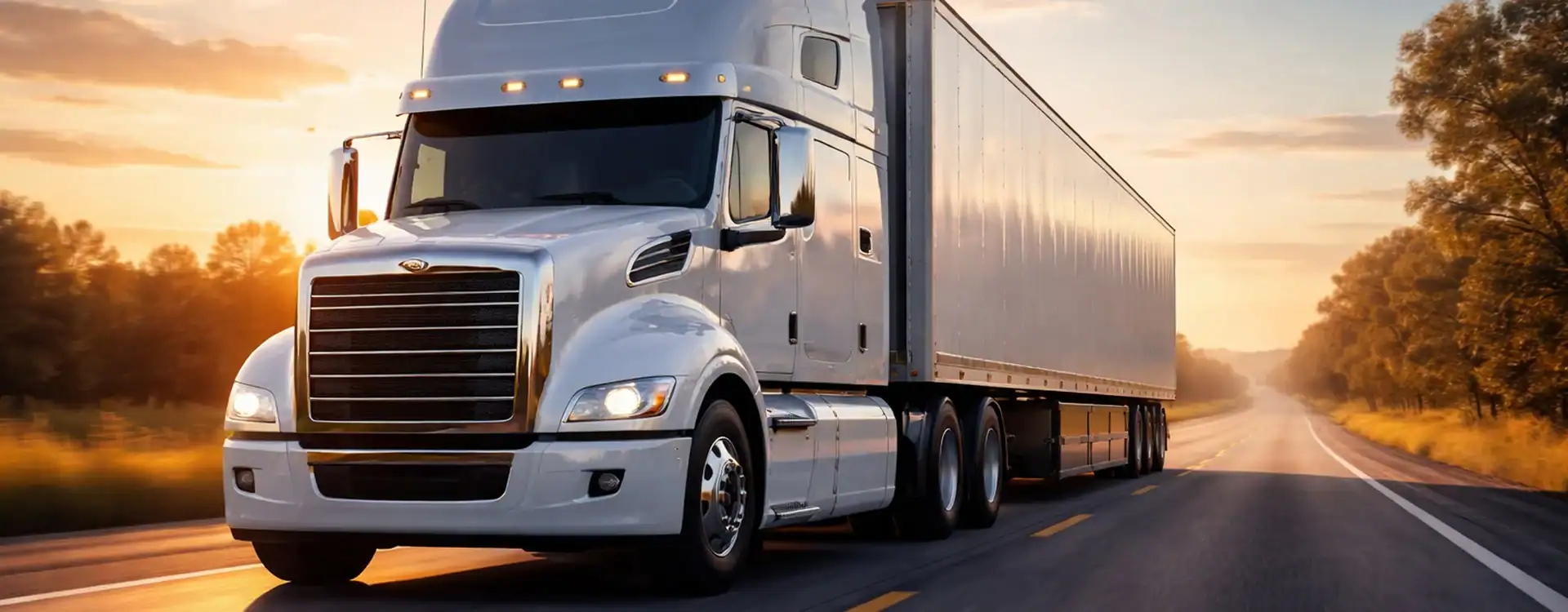
The Clean Truck Check program applies to diesel and alternative fuel trucks with a gross vehicle weight rating over 14,000 pounds and a model year of 2013 or newer. If your truck is older than 2013 or weighs less than 14,000 pounds GVWR, you’re not subject to this requirement.
This covers the majority of Class 7 and Class 8 commercial trucks operating in California—semi-trucks, box trucks, dump trucks, and other heavy-duty vehicles used in construction, logistics, and transportation. The program was designed to target newer diesel engines equipped with onboard diagnostics systems.
If you’re not sure whether your truck qualifies, check your registration or the manufacturer’s weight rating sticker. You can also call ahead and we’ll confirm eligibility before you come in.
Right now, you’re required to test every six months. That’s twice a year, and the deadlines are based on your vehicle’s compliance schedule assigned by CARB.
Starting in October 2027, the frequency increases to four times per year for OBD-equipped trucks. That’s every three months. The state is ramping up testing requirements because emissions data shows that more frequent testing catches high-emitting vehicles faster and reduces overall pollution from the heavy-duty fleet.
You can submit a passing test up to 90 days before your deadline, which gives you some flexibility to schedule around your hauling schedule. But once your deadline hits, the clock starts ticking. If you miss it, the DMV can place a registration hold on your vehicle.
If your truck fails, you’ll need to get the issue repaired and then come back for a retest. The test results will show what triggered the failure—usually an emissions-related fault code or a system readiness issue.
Common failure points include malfunctioning diesel particulate filters, faulty NOx sensors, or issues with the selective catalytic reduction system. These are the emissions control components that newer diesel engines rely on to meet California’s air quality standards.
Once the repair is done, you retest. If it passes, the results get submitted to the state and you’re compliant. If it fails again, you’ll need to dig deeper into the repair. The key is not to ignore it—driving a non-compliant truck in California exposes you to fines and registration holds, and CARB’s enforcement is only getting stricter.
It has to be a CARB credentialed tester. The state requires anyone performing Clean Truck Check testing to complete CARB’s training program and pass an exam with at least 80 percent. Not every smog shop is credentialed to test heavy-duty vehicles.
This isn’t like a regular smog check for passenger cars. The equipment is different, the testing protocol is different, and the submission process goes directly into California’s Clean Truck Check Vehicle Inspection System. If the tester isn’t credentialed, the test doesn’t count—even if your truck passes.
Before you schedule testing anywhere, confirm they’re CARB credentialed for heavy-duty vehicle emissions testing. Otherwise you’re wasting time and money on a test the state won’t recognize.
Testing costs vary depending on the shop, but you’re typically looking at somewhere between $79 and $150 per truck for a passing test. Some shops charge more if the test takes longer or if your truck requires additional diagnostics.
On top of the testing fee, California charges an annual compliance fee of $31.18 per vehicle for 2025. That fee goes directly to the state and funds the Clean Truck Check program.
What you’re really paying for is peace of mind. Compare that testing cost to a $10,000 per day fine for non-compliance, or the lost revenue from having your truck sidelined because of a DMV registration hold. The test is cheap insurance against much bigger problems.
Bring your vehicle registration and any compliance notices you’ve received from CARB or the DMV. We’ll need your VIN and registration information to submit your test results to the state’s system.
If you’ve had recent repairs done to your emissions system, bring documentation of that work. It helps us understand what’s been addressed and whether your truck is likely to pass on the first attempt.
Make sure your truck’s check engine light isn’t on when you come in. If it is, that’s an automatic failure. Get that diagnosed and cleared first, then schedule your test. It saves you time and a retest fee.
Useful Links
Other Services we provide in Jurupa Valley