Hear from Our Customers
You’re running a business that depends on trucks being legal and operational. Every day a truck sits because of a registration hold or compliance issue costs you money.
California’s Clean Truck Check program requires semi-annual emissions testing for diesel trucks 2013 or newer with a GVWR over 14,000 pounds. Miss a deadline and the DMV blocks your registration. Ignore it completely and you’re looking at fines up to $10,000 per vehicle per day.
We handle CARB emissions testing using certified equipment and submit results directly to the state. You get proof of compliance, your registration stays clear, and your trucks keep moving. That’s what matters when you’re trying to run a trucking operation in Riverside County without bureaucratic headaches eating into your schedule.
We focus exclusively on CARB compliance testing for heavy-duty vehicles in Woodcrest. We’re credentialed by CARB to perform Clean Truck Check testing, which means we’ve completed the official training course and passed the state exam.
Woodcrest sits in an area with significant commercial trucking activity. The median household income here is around $140,000, and over 13% of residents run their own businesses. Many of those businesses involve trucks that need to stay compliant with California’s increasingly strict emissions regulations.
We’re not trying to be everything to everyone. We test trucks 2013 or newer over 14,000 pounds because that’s what the Clean Truck Check program requires and that’s what we’re equipped to handle correctly.

First, we verify your truck qualifies under the program. That means it’s a diesel vehicle, model year 2013 or newer, with a GVWR over 14,000 pounds. If it doesn’t meet all three criteria, the Clean Truck Check program doesn’t apply to you.
Once confirmed, we perform an OBD scan using CARB-certified diagnostic equipment. This checks your truck’s onboard diagnostics for emissions-related trouble codes and monitor readiness status. For trucks that need it, we also conduct opacity testing and visual inspections of emissions control systems.
Results get submitted directly to CARB’s system by us as credentialed testers. You receive documentation showing your compliance status. If your truck passes, you’re good for the next six months until your next required test. If there’s an issue, we’ll tell you exactly what needs attention before you can pass.
The whole point is keeping your registration clear and avoiding enforcement actions. Testing takes far less time than dealing with a registration hold or responding to a Notice to Submit to Testing letter from CARB.

Ready to get started?
You get an OBD emissions scan performed with state-certified equipment. We check for diagnostic trouble codes, verify monitor readiness, and ensure your truck’s emissions systems are functioning as designed.
For applicable vehicles, you also get opacity testing that measures visible smoke from your exhaust and a visual inspection confirming emissions control devices are present and properly installed. Everything CARB requires for Clean Truck Check compliance gets covered.
Results go straight to the state database. You receive documentation proving your truck was tested and showing whether it passed or failed. This documentation protects you during roadside inspections and keeps your DMV registration from getting flagged.
In Woodcrest and throughout Riverside County, commercial truck operators face the same challenge: staying compliant with California’s diesel regulations without losing productive time. Testing costs between $94 and $180 depending on what your specific truck requires. Compare that to fines starting at $10,000 per vehicle per day for non-compliance, and the math isn’t complicated.
The annual compliance fee is $31.18 per vehicle, paid directly to CARB. Testing happens twice a year starting in 2025, and that frequency increases to quarterly by October 2027. Getting ahead of these requirements now means fewer surprises later.
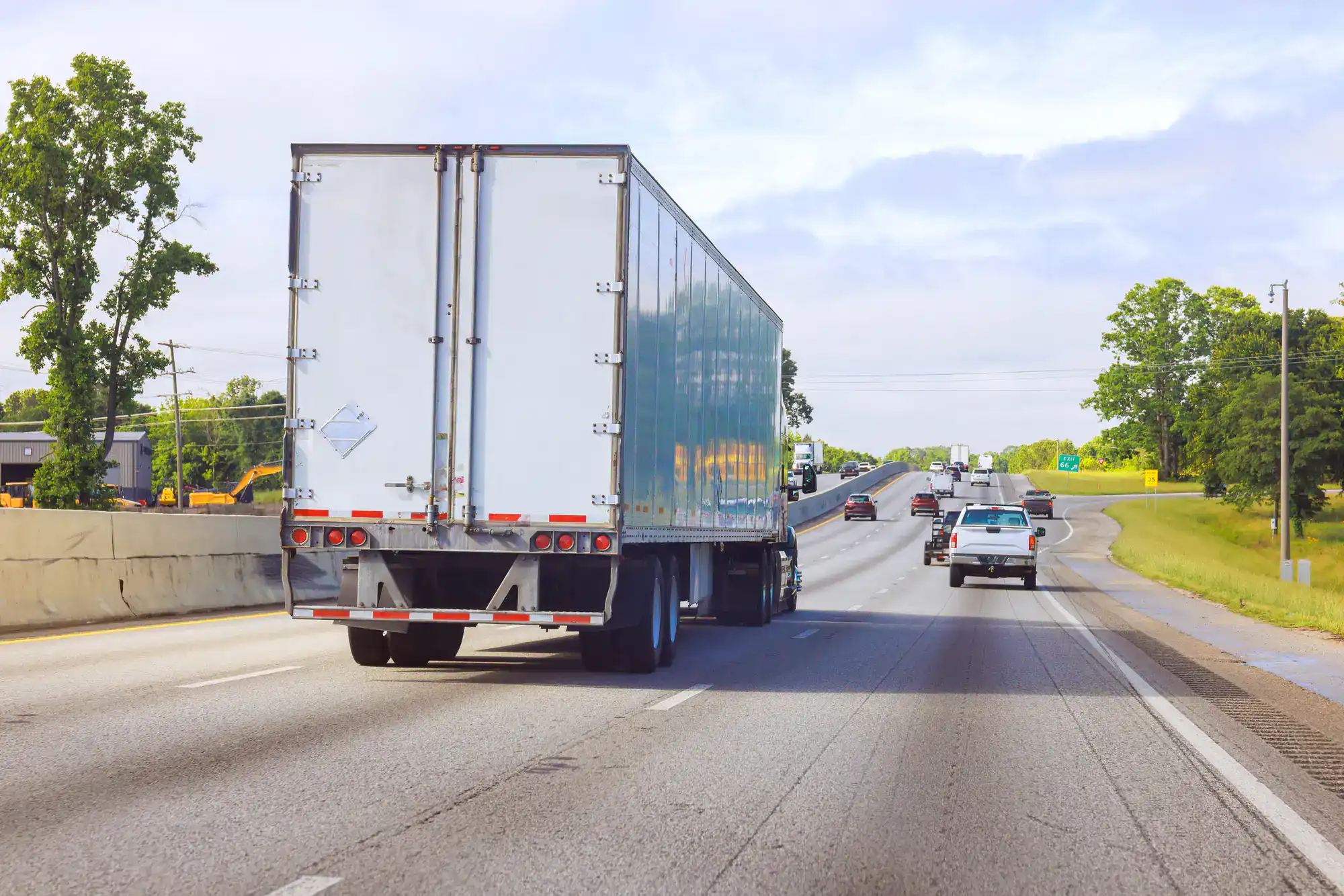
Your truck needs testing if it meets three specific criteria: it’s diesel-powered, model year 2013 or newer, and has a GVWR over 14,000 pounds. All three must apply.
If your truck is older than 2013, this program doesn’t cover it. If it’s under 14,000 pounds GVWR, it’s not included. If it runs on gasoline or alternative fuel instead of diesel, the Clean Truck Check requirements don’t apply.
CARB designed this program specifically for newer heavy-duty diesel trucks because those vehicles use OBD systems that can be tested electronically. Older trucks fall under different regulations. If you’re not sure whether your specific truck qualifies, check your registration or the vehicle’s door placard for the GVWR and model year.
Starting January 1, 2025, testing is required every six months. That means twice a year for every qualifying truck you operate.
Your first test establishes your baseline compliance. From that point forward, you need to test again within six months. CARB tracks these deadlines through their system, and missing one triggers a registration hold with the DMV.
In October 2027, the frequency increases to quarterly testing. That’s four times per year. The state is tightening these requirements progressively, so what works now won’t be sufficient two years from now. Staying on top of your testing schedule prevents registration problems and keeps your trucks legally operational.
If your truck fails, you get documentation explaining exactly what caused the failure. Common issues include active diagnostic trouble codes related to emissions systems or monitors that aren’t ready because recent repairs haven’t completed their drive cycles.
You’ll need to address whatever caused the failure before retesting. That might mean repairs to emissions control equipment, clearing codes after fixing an underlying problem, or simply driving the truck through the necessary cycles to set readiness monitors.
Once repairs are done, you come back for a retest. You’re not legal to operate until you pass and that passing result gets submitted to CARB. The state doesn’t care why you failed. They only care that you fix it and prove compliance. Operating a truck that failed testing without getting it resolved exposes you to the same penalties as never testing at all.
You can test anywhere in California as long as the facility has a CARB credentialed tester. The tester must have completed CARB’s official training course and passed the exam with at least 80%.
Testing in Woodcrest saves you travel time and keeps your trucks closer to your base of operations. Driving to Los Angeles or San Bernardino for testing means more downtime and fuel costs. Local testing makes the required twice-yearly schedule more manageable.
CARB maintains a list of credentialed testers, but not every smog shop qualifies. Regular smog checks for passenger vehicles are completely different from Clean Truck Check testing for heavy-duty trucks. The equipment is different, the certification is different, and the reporting process is different. Make sure whoever you use is actually credentialed for this specific program.
Bring your vehicle registration showing the VIN, GVWR, and model year. We need to verify the truck qualifies under the program before testing begins.
If you’ve had recent repairs to emissions systems, bring any documentation showing what was done. This helps explain why certain monitors might not be ready yet and can prevent unnecessary failed tests.
You don’t need to bring previous test results, but having them doesn’t hurt. CARB tracks your testing history in their system, so we can see when you were last tested and whether you’re due. The main thing is proving the truck’s identity and specifications match what needs to be tested.
OBD emissions testing costs $94. If your truck also requires opacity testing and visual inspection, the total is $180. These are the standard rates for Clean Truck Check testing.
You also pay an annual compliance fee of $31.18 per vehicle directly to CARB. That’s separate from the testing cost and covers the state’s program administration.
Compare these costs to the penalties for non-compliance. CARB can fine you up to $10,000 per vehicle per day if you’re operating without valid testing. The DMV will block your registration, which means you can’t legally operate the truck at all until you’re compliant. A $94 to $180 test twice a year is cheap insurance against five-figure fines and dead trucks sitting in your yard because they can’t be registered.
Useful Links
Other Services we provide in Woodcrest