Hear from Our Customers
If you’re running diesel trucks over 14,000 pounds in California, CARB compliance isn’t optional. It’s the law. And falling out of compliance doesn’t just cost you money—it can shut down your operation.
CARB fines start at $1,000 and go up to $75,000 per day depending on the violation. The DMV checks your compliance status during registration and will place a hold on non-compliant vehicles. That means your truck sits. You’re not hauling. You’re not making money.
Getting tested twice a year keeps you clear of penalties, keeps your registration current, and keeps your trucks on the road. It’s not exciting, but it’s necessary. And when it’s done right, it’s one less thing you have to worry about while you’re trying to run a business in one of the busiest logistics corridors in the country.
We’ve been handling CARB compliance and diesel emissions testing for over 20 years. We’re CARB credentialed testers, which means we’ve completed the state’s training, passed the exam, and use certified equipment that meets SAE J1667 specifications.
Willowbrook sits right in the heart of Los Angeles County’s transportation and warehousing hub. With nearly 1,000 people employed in the sector locally, this area runs on trucks. We understand the pressure you’re under to stay compliant, stay on schedule, and avoid costly surprises.
We report your test results directly to CARB. You get documentation. Your compliance status updates with the state. And you move on with your day.

This service applies only to trucks that are model year 2013 or newer and have a GVWR over 14,000 pounds. If your truck fits that criteria, here’s what the process looks like.
We start with an OBD scan using CARB-certified testing devices. This pulls data from your truck’s onboard diagnostics system to check emission control performance. For trucks with 2013 or newer diesel engines, this is the primary test method. The scan costs $94 and takes about 20 minutes.
If your truck requires it, we also perform an opacity test and visual inspection. This checks for visible smoke emissions and ensures your emission control systems are intact and functioning. That’s $180 and adds another 15 to 20 minutes.
Once testing is complete, we send the results directly to CARB. If you pass, your compliance status updates with the state and you’re good for the next six months. If something flags, we’ll walk you through what needs to be addressed before you can retest.
Most trucks in Willowbrook need testing twice a year. Starting in 2025, that applies to all applicable heavy-duty vehicles, including out-of-state trucks operating in California. We offer same-day appointments for most Los Angeles County locations, and we can come to you if that’s easier.
Ready to get started?
California’s CARB regulations are some of the strictest in the country. As of January 1, 2023, all diesel-powered vehicles with a GVWR over 14,000 pounds must have a 2010 or newer engine and emission system. But testing requirements are different—and they’re getting more frequent.
Right now, most heavy-duty vehicles need emissions compliance testing every six months. By October 2027, trucks with 2013 or newer engines will need testing four times a year. That’s a tight schedule, and missing a deadline can trigger penalties fast.
Willowbrook’s location in Los Angeles County puts you in a high-enforcement zone. CARB collected over $21.5 million in penalties in 2022 alone, pursuing more than 8,000 enforcement cases. Roadside sensors monitor emissions in real time and flag high-polluting vehicles for immediate checks. If you’re pulled over and you’re not compliant, the fines hit hard.
Beyond avoiding penalties, staying CARB compliant gives you a competitive edge. More companies are requiring their carriers to demonstrate environmental responsibility. Compliant trucks also tend to be more fuel-efficient and need fewer repairs related to emission control systems, which saves you money over time.
This isn’t just about checking a box. It’s about protecting your business, your reputation, and your ability to keep operating in California’s logistics market.
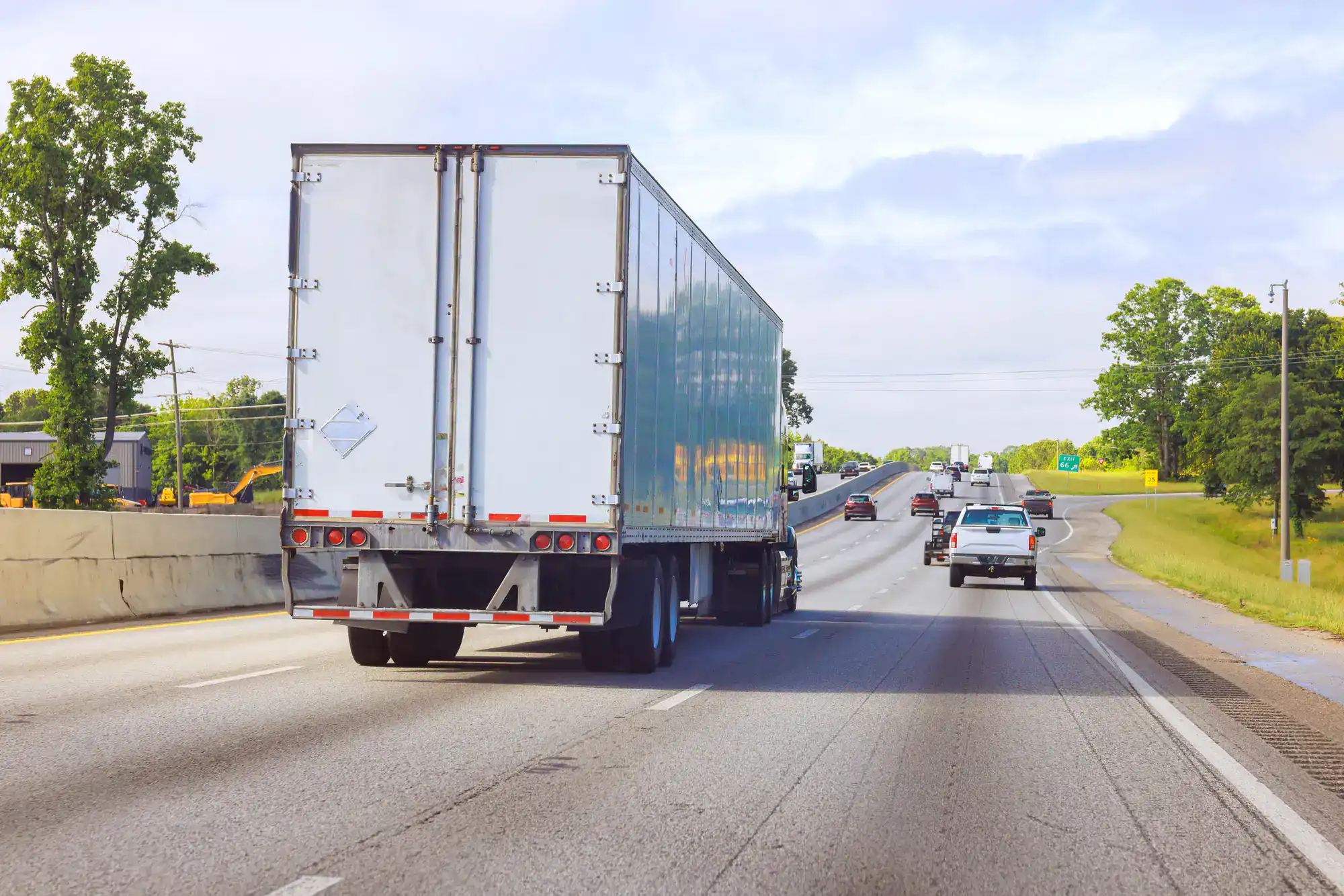
Only trucks that are model year 2013 or newer and have a gross vehicle weight rating over 14,000 pounds qualify for this service. If your truck is older than 2013 or weighs less than 14,000 pounds, different regulations apply and this specific testing process won’t cover your vehicle.
CARB compliance requirements focus on heavy-duty diesel vehicles operating in California. The 2013 cutoff aligns with when OBD-equipped diesel engines became standard, which is why the testing method relies heavily on onboard diagnostics data. If you’re not sure whether your truck qualifies, check your registration or the vehicle’s door placard for the model year and GVWR.
This is a critical distinction because the testing process, equipment, and reporting requirements are all designed specifically for newer heavy-duty trucks. Trying to get an older or lighter vehicle tested under this program won’t work, and it won’t satisfy CARB’s requirements for your specific truck class.
Most heavy-duty diesel trucks in California need CARB compliance testing twice a year. Starting in 2025, that requirement applies to all applicable vehicles, including out-of-state trucks operating in California. Your testing schedule is tied to your registration renewal, so if your registration is due in January or July, your compliance window opens around those months.
By October 2027, the frequency increases. Trucks with 2013 or newer engines will need testing four times a year. That’s every three months, which is a significant jump from the current schedule. The goal is tighter monitoring of emissions performance, but it also means you’ll need to stay on top of your testing calendar to avoid missing deadlines.
Missing a test or letting your compliance lapse can trigger DMV registration holds, fines, and potential roadside enforcement issues. CARB tracks compliance status in real time, and the DMV checks it during registration. If you’re flagged as non-compliant, your registration won’t process until you get tested and pass.
If your truck fails, you’ll need to address whatever issue triggered the failure before you can retest. The most common reasons for failure include malfunctioning emission control components, OBD system errors, or excessive visible smoke during the opacity test.
We’ll walk you through exactly what flagged during testing so you know what needs repair. Sometimes it’s a sensor issue or a software update. Other times it’s a more significant problem with the diesel particulate filter, exhaust system, or catalytic converter. Once repairs are made, you come back for a retest.
Some testing providers offer a “pass or don’t pay” guarantee, meaning if your truck doesn’t pass the initial inspection, you’re not charged for that test. You only pay once the vehicle passes. That takes some of the financial sting out of a failed test, but you still need to handle the repairs and schedule the retest quickly to avoid falling out of compliance and triggering penalties or registration issues.
Yes, mobile CARB testing is available at your location in Willowbrook and throughout most of Los Angeles County. If you’ve got multiple trucks or a tight schedule, having a credentialed tester come to your yard or facility can save time and keep your operation moving.
Same-day appointments are available for most locations, which is helpful if you’re up against a compliance deadline or just found out a truck is due for testing. Mobile testing uses the same CARB-certified equipment and follows the same procedures as testing done at a fixed location, so the results are identical and reported directly to CARB.
The cost is the same whether you come to us or we come to you: $94 for the OBD scan and $180 for opacity and visual inspection if needed. Mobile testing just adds convenience, especially in an area like Willowbrook where transportation and warehousing operations are concentrated and downtime is expensive.
CARB compliance testing costs $94 for the OBD scan, which is the primary test for trucks with 2013 or newer diesel engines. If your truck also requires an opacity test and visual inspection, that’s an additional $180. Total cost depends on what your specific truck needs based on its model year and equipment.
The OBD scan pulls data from your truck’s onboard diagnostics system and checks emission control performance. It’s quick—usually around 20 minutes—and covers most of what CARB requires for newer trucks. The opacity test measures visible smoke emissions and is typically required for older trucks or specific configurations. The visual inspection checks that all emission control components are present and functioning.
Compared to the cost of non-compliance, testing is cheap. CARB fines start at $1,000 and can reach $75,000 per day depending on the violation. A registration hold can sideline your truck indefinitely, costing you far more in lost revenue than the price of a test. Getting tested on schedule is basic risk management for anyone operating heavy-duty trucks in California.
After you pass, you’ll receive a certificate showing your truck’s compliance status. We also send your test results directly to CARB, which updates your compliance record with the state. That update is what the DMV checks during registration, so it’s critical that the reporting happens correctly.
You should keep a copy of your certificate in the truck. If you’re stopped during a roadside inspection, having documentation on hand shows that you’re current with testing requirements. CARB enforcement officers can verify compliance status electronically, but having the paperwork avoids delays and questions.
Your compliance status is valid for six months from the test date, assuming you pass. That means you’ll need to retest before your next registration renewal or compliance deadline. Mark your calendar, because missing the window can trigger penalties even if your truck is mechanically sound and would pass the test. CARB doesn’t care why you’re late—they care that you’re compliant when you’re supposed to be.
Useful Links
Other Services we provide in Willowbrook