Check Out Our Reviews!
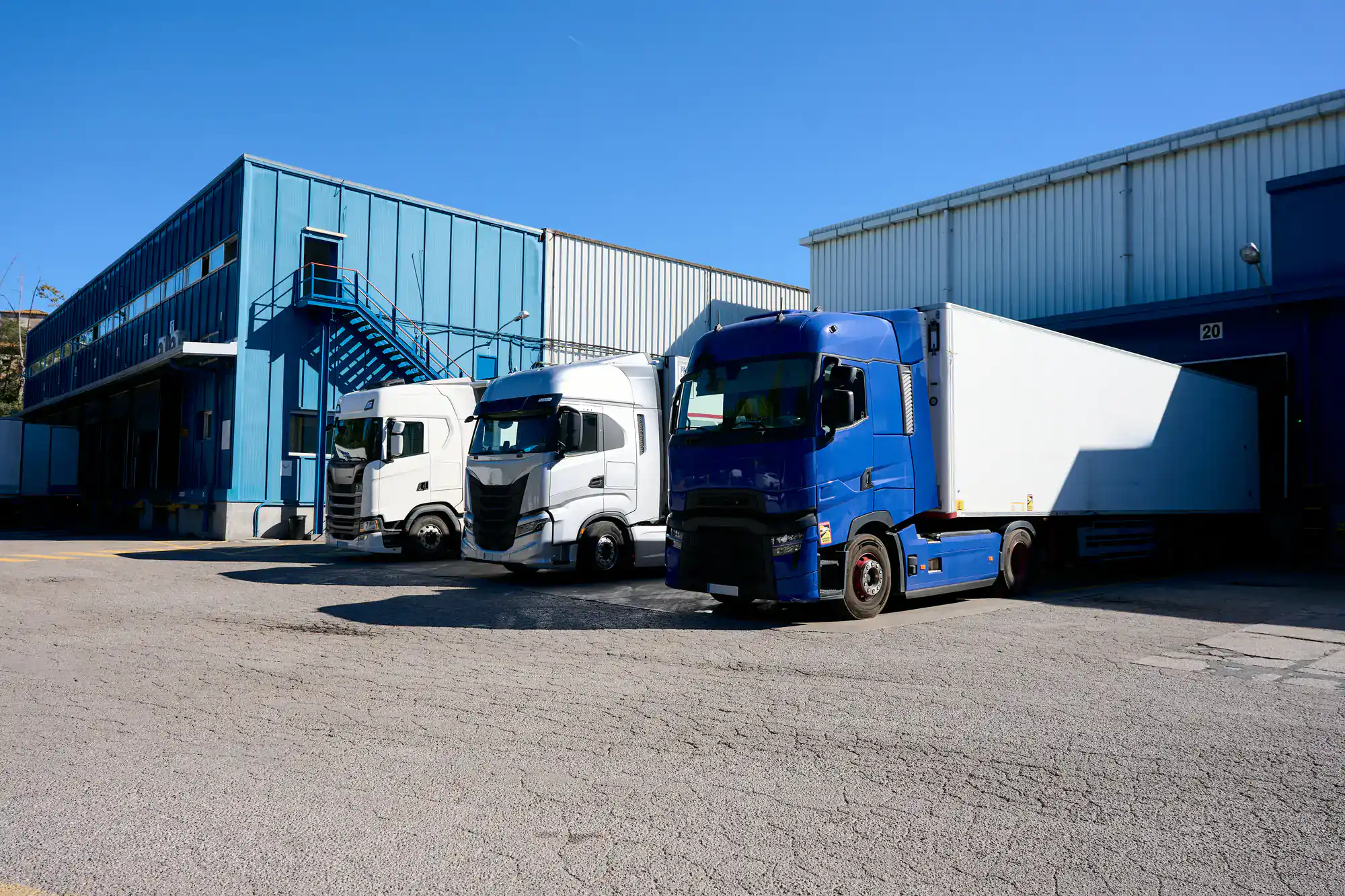
When you’re making early morning drops to hotels on the Sunset Strip or hauling supplies into the West Hollywood Design District, the last thing you can afford is a DMV registration hold stopping your truck in its tracks. CARB compliance testing keeps that from happening and when it’s done right, it takes the stress off your plate entirely.
West Hollywood sits in one of the most environmentally regulated cities in Los Angeles County. The city has its own Transportation Demand Management ordinance, stricter-than-state green building standards, and has publicly identified transportation as its largest source of greenhouse gas emissions. That’s not background noise it means the commercial corridors you’re running, Santa Monica Boulevard, La Cienega Boulevard, and Sunset Boulevard, are exactly the kind of high-traffic, high-scrutiny zones where CARB’s roadside emissions monitoring equipment gets deployed. A non-compliant truck on these streets isn’t just a regulatory risk. It’s a route-ending risk.
Getting tested before CARB finds you first is the move. We perform OBD-based Clean Truck Check testing for model year 2013 or newer trucks with a GVWR over 14,000 pounds the exact vehicles California’s program targets. Results go directly to CARB’s CTC-VIS database the moment your test is done. No portal. No manual upload. No guessing whether your submission went through.
All SMOG Motors is a CARB-credentialed Clean Truck Check testing provider serving Los Angeles County and Riverside County. Every tester on our team has completed CARB’s official HD I/M Tester Training Course, passed the required exam, and holds a state-issued credential that you can verify right now on CARB’s public database. That’s not a claim it’s a publicly searchable fact.
We use only CARB-certified OBD testing equipment, not generic diagnostic tools. The distinction matters because test results submitted with non-approved equipment get rejected, and that wastes your time and your 30-day window if you’re working against an NST deadline. We’ve seen what happens when operators in the LA market cut corners on this, and we’re not that provider.
Whether your truck is based in Riverside County and running routes into West Hollywood, or you’re managing a fleet that services the entertainment and hospitality corridor along Sunset Boulevard, we know this market. We serve it directly, and we keep the process clean from start to finish.

It starts with a quick call or booking. You give us your vehicle’s year, make, and GVWR we confirm it qualifies under California’s Clean Truck Check program (model year 2013 or newer, GVWR over 14,000 pounds) and get you scheduled. If you’re running an early morning delivery window into West Hollywood which a lot of operators do to avoid traffic on Santa Monica Boulevard and La Cienega we work around your schedule, not the other way around.
When we arrive, we connect CARB-certified OBD diagnostic equipment directly to your truck’s onboard system. The scan reads your vehicle’s emissions data and checks it against California’s compliance thresholds. This is not a visual inspection or a generic engine scan it’s the specific OBD protocol required under CARB’s HD I/M program. The test itself is straightforward and doesn’t take long.
Once the test is complete, we submit your results electronically to CARB’s CTC-VIS database on the spot. You don’t log into a portal. You don’t upload anything. You don’t wait to find out if the submission went through. Your compliance record is updated in real time, and you can download your certificate directly from CTC-VIS. If your truck doesn’t pass, you’ll know immediately which gives you the maximum amount of time left in your compliance window to get repairs done before the deadline hits.

Ready to get started?
California’s Clean Truck Check program applies to diesel and alternative fuel heavy-duty vehicles that are model year 2013 or newer with a GVWR over 14,000 pounds. If your truck doesn’t meet both of those criteria model year and weight it falls outside the scope of this program. We test only vehicles that meet both thresholds. We don’t test lighter commercial vehicles or older trucks under this program, and we won’t tell you that you need a test when you don’t.
For trucks that do qualify, the OBD scan reads fault codes and emissions-related data stored in your vehicle’s onboard system. It’s not a tailpipe test. It’s a data-driven check that tells CARB whether your truck’s emissions controls are functioning as required. Trucks operating in Los Angeles County including those making regular runs through West Hollywood’s commercial corridors are subject to this requirement regardless of where the vehicle is registered. Out-of-state carriers delivering to entertainment industry suppliers, Design District showrooms, or Sunset Strip venues are not exempt.
Testing frequency in 2025 is semi-annual twice per year. That schedule escalates to quarterly by October 2027, meaning four tests per year per vehicle. The annual CARB compliance fee is $31.18 per vehicle, paid separately from the testing service fee. Non-compliance fines can reach $10,000 per vehicle per day. We serve the full Los Angeles County and Riverside County corridor, so whether your base is in the Inland Empire or you’re staging out of South LA, we can reach you.
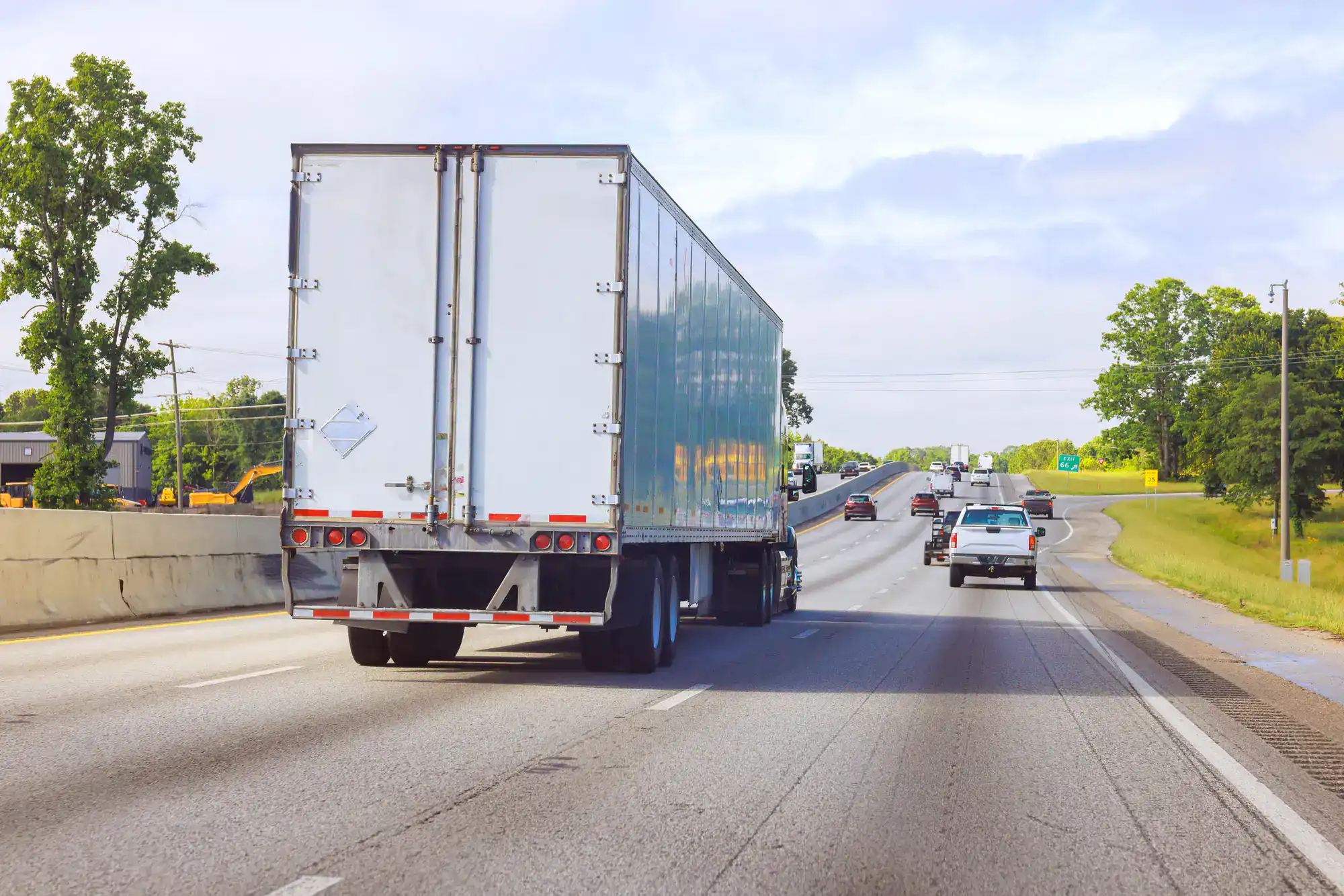
If your truck is a 2013 or newer model year and has a GVWR over 14,000 pounds, yes it is subject to California’s Clean Truck Check program, and that applies whether you’re based in West Hollywood, the Inland Empire, or another state entirely. The requirement is tied to operation on California public roads, not where the vehicle is registered. If your truck runs deliveries along Santa Monica Boulevard, makes supply drops to hotels on the Sunset Strip, or hauls equipment for production companies in the West Hollywood area, it falls under this mandate.
West Hollywood’s commercial corridors are heavily trafficked by exactly the type of vehicles this program targets food and beverage delivery trucks, entertainment industry equipment haulers, retail supply trucks serving the Design District. CARB deploys roadside emissions monitoring devices across high-traffic urban corridors, and West Hollywood’s dense 1.9-square-mile footprint concentrates that traffic onto a small number of streets. Getting tested proactively is significantly less disruptive than responding to an NST letter on a 30-day deadline.
A failed test does not mean immediate fines or an impounded truck. What it means is that your vehicle’s onboard emissions system flagged a fault that California’s program requires you to address. You’ll know the result on the spot, and we submit the test outcome directly to CTC-VIS regardless of pass or fail that’s required under the program. What the failed result does is start your repair clock.
If you received a Notice to Submit to Testing from CARB, you have 30 calendar days from the date of that notice to produce a passing result. A failed test early in that window is actually useful information it gives you time to get the repair done and retest before the deadline expires. Operators who wait until day 28 to test and then fail are in a much harder position. The practical advice is simple: test as early as possible, and if there’s a problem, you’ll have the maximum runway to fix it.
In 2025, the testing schedule is semi-annual meaning your qualifying truck needs to be tested twice per year. That schedule is set to increase. By October 2027, most vehicles subject to the program will be required to test quarterly, which means four times per year. If you’re currently managing one or two trucks on a West Hollywood delivery route, that’s a meaningful increase in compliance activity over the next few years.
The annual CARB compliance fee is $31.18 per vehicle, which is paid directly to the state through the CTC-VIS system and is separate from what you pay a credentialed tester like us for the actual test. Planning your testing schedule around your delivery calendar rather than reacting to an NST letter keeps your truck on the road and your routes uninterrupted. For operators running the early morning delivery windows that West Hollywood’s restaurant and hotel corridor requires, staying ahead of the schedule matters.
Yes, it applies. California’s Clean Truck Check program covers any heavy-duty vehicle that operates on California public roads the compliance obligation is not limited to California-registered trucks. If your truck is registered in Nevada, Arizona, Texas, or anywhere else and you’re making deliveries to entertainment industry warehouses, Design District showrooms, or Sunset Strip businesses in West Hollywood, you are subject to the same testing requirements as a California-based operator.
Out-of-state carriers are sometimes the last to know about this because the enforcement ramp-up has been gradual. But CARB’s roadside emissions monitoring equipment doesn’t check registration plates before flagging a non-compliant vehicle. If your truck meets the 2013-or-newer and over-14,000-pound-GVWR threshold and it’s running California routes, get it tested. We serve Los Angeles County and can accommodate scheduling for carriers passing through the region rather than operators based locally.
They’re two completely different programs. The standard smog check that most California drivers are familiar with applies to passenger vehicles and light-duty trucks it’s a tailpipe emissions test required at registration renewal. The CARB Clean Truck Check is an OBD-based program that applies specifically to heavy-duty diesel and alternative fuel vehicles that are model year 2013 or newer with a GVWR over 14,000 pounds. It reads data directly from the vehicle’s onboard diagnostic system, not the tailpipe.
The equipment is different, the credentialing is different, and the submission process is different. A regular smog station is not automatically authorized to perform a Clean Truck Check the tester must hold a separate CARB-issued credential specific to the HD I/M program and use CARB-certified OBD testing devices. All SMOG Motors is credentialed specifically for this program. If you’ve been told by a general smog shop that they can handle your heavy-duty compliance, it’s worth verifying their credential on CARB’s public database before you book.
Scheduling flexibility matters when your truck is your income. We provide testing that works around your operational schedule whether that means meeting you at your staging location, your yard in the Inland Empire, or coordinating around the delivery windows you’re running into West Hollywood’s commercial corridors. Bringing a heavy-duty truck to a fixed testing location adds downtime that most owner-operators and fleet managers can’t afford, especially when your route starts before 6 AM to beat traffic on La Cienega Boulevard or Santa Monica Boulevard.
When you contact us, tell us where your truck is based and what your schedule looks like. We serve Los Angeles County and Riverside County, which covers both ends of the route for most operators servicing the West Hollywood market. The test itself doesn’t take long and because results are submitted directly to CTC-VIS on the spot, there’s no follow-up step on your end. One call, one test, compliance confirmed.
Useful Links
Other Services we provide in West Hollywood