Hear from Our Customers
If you’re running heavy-duty trucks in California, you already know the stakes. Non-compliance with CARB regulations can cost you up to $10,000 per vehicle per day. The DMV can block your registration. The California Highway Patrol can pull you off the road.
And if you’re hiring carriers who aren’t compliant, you’re on the hook too—up to $10,000 for every year you used a non-compliant hauler. That adds up fast when you’re managing multiple trucks or working with third-party fleets.
CARB emissions testing isn’t optional anymore. As of January 1, 2024, every heavy-duty diesel truck operating in California—whether it’s registered here or not—needs proof of Clean Truck Check compliance. That means twice-a-year testing for most trucks. Four times a year starting in 2027 for newer models.
You can’t afford to miss a deadline. You can’t afford to guess whether your truck will pass. And you definitely can’t afford to lose days of work because a test came back failed and you’re scrambling for repairs.
All SMOG Motors is a CARB-certified testing facility in Valle Vista, serving North County San Diego’s commercial vehicle operators. We’re credentialed by the California Air Resources Board to perform Clean Truck Check testing on 2013 and newer heavy-duty trucks over 14,000 pounds GVWR.
That’s it. That’s what we do. We don’t test passenger cars. We don’t work on light-duty trucks. We focus exclusively on the vehicles that fall under California’s heavy-duty diesel compliance rules—the ones facing the toughest penalties and the most frequent testing schedules.
Valle Vista sits right in the heart of a major trucking corridor. You’ve got fleets running between San Diego, Riverside, and Los Angeles every day. A lot of those trucks are registered out of state but operate here regularly. CARB doesn’t care where your truck is registered—if it’s on California roads, it needs to be compliant.

You bring your truck in during your compliance window—up to 90 days before your deadline. That buffer matters. If something fails, you’ve got time to fix it and retest without missing your date.
We start with an OBD scan using CARB-certified equipment. For trucks with 2013 or newer diesel engines, this is mandatory. The scan pulls data directly from your truck’s onboard diagnostics system—checking for fault codes, emissions system performance, and whether everything is operating within CARB’s limits.
If your truck isn’t OBD-equipped, we perform a smoke opacity test and a full emissions control system inspection. Either way, we’re looking at the same thing: whether your truck meets California’s NOx and particulate matter standards.
Once the test is complete, you get your results immediately. If you pass, we submit your TRUCRS certificate directly to CARB. That certificate is what keeps your registration active and your truck legal to operate. If something comes back flagged, we’ll walk you through exactly what needs attention and what your next steps are.
Most tests take under an hour. You’re not sitting around all day. You’re in, tested, and back on the road.
Ready to get started?
Your test includes everything CARB requires to issue a passing TRUCRS certificate. For OBD-equipped trucks, that means a full diagnostic scan using state-certified testing devices. We’re checking fault codes, sensor data, emissions system performance, and whether your diesel particulate filter and NOx controls are functioning properly.
For non-OBD trucks, you’re getting a smoke opacity test and a visual inspection of your emissions control systems. We’re making sure your exhaust isn’t exceeding legal limits and that all required equipment is present and working.
California’s regulations are some of the strictest in the country. CARB’s entire focus is reducing smog-forming nitrogen oxides and toxic diesel particulate matter. That’s why the testing requirements are so specific—and why you can’t just take your truck to any smog shop. You need a facility that’s credentialed to test heavy-duty vehicles and understands the difference between a standard smog check and a Clean Truck Check.
Valle Vista’s location makes it a natural hub for fleets moving through Southern California. You’ve got trucks coming through on I-15, heading to distribution centers in Riverside and San Bernardino, or making runs down to the port in San Diego. If your route touches California, your truck needs to be compliant—even if you’re only here a few times a year.
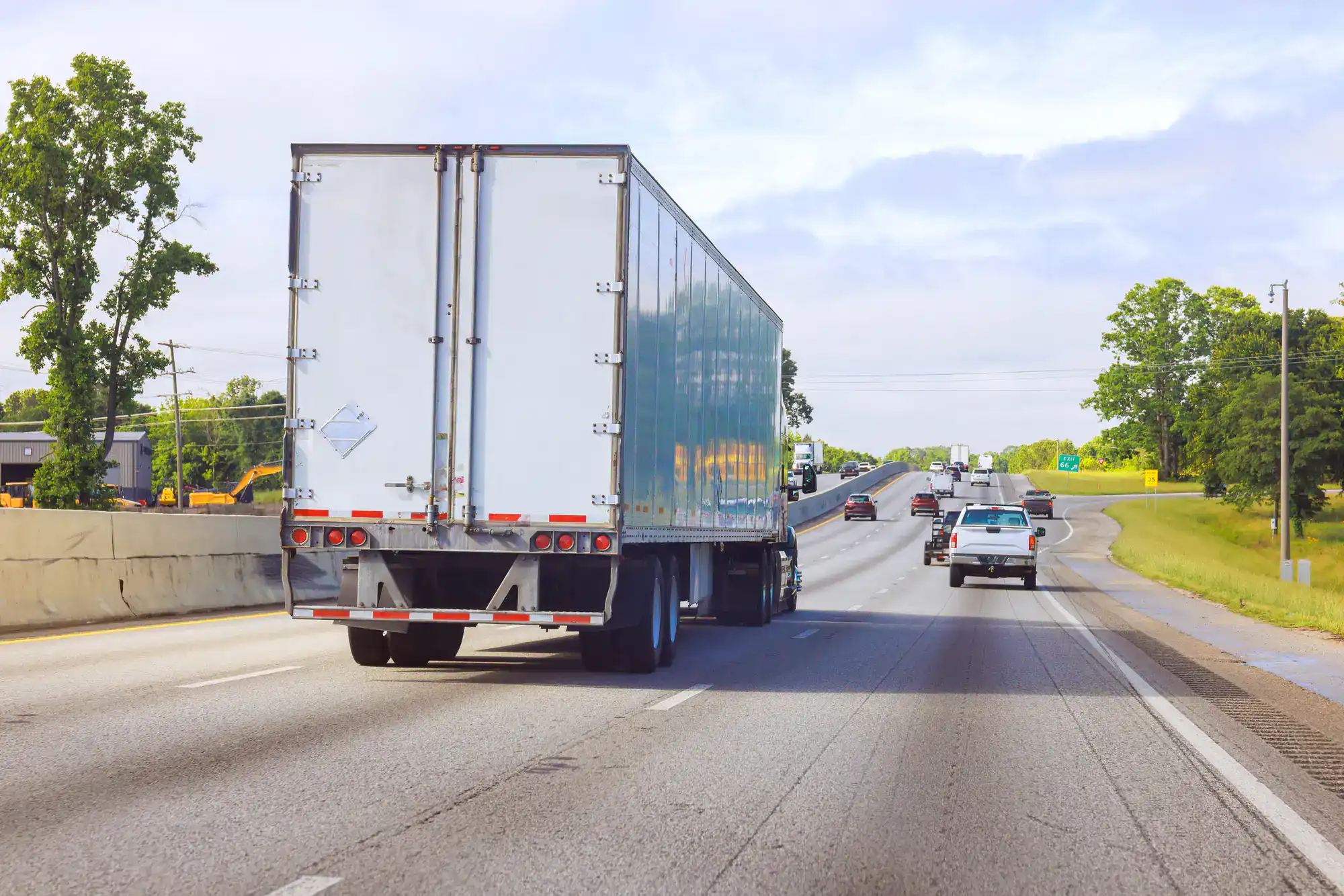
Yes. CARB regulations apply to every heavy-duty truck operating in California, regardless of where it’s registered. If your truck is over 14,000 pounds GVWR and model year 2013 or newer, you need a Clean Truck Check—even if you’re only passing through.
Out-of-state fleets get caught off guard by this all the time. They assume California’s rules only apply to California-registered vehicles. That’s not how it works. The California Highway Patrol enforces CARB compliance on all commercial vehicles, and they don’t make exceptions for out-of-state plates.
If you’re running regular routes into California, you need to be on the same testing schedule as local fleets. That means twice a year right now, ramping up to four times a year in 2027 for newer trucks. Missing a test can result in citations, fines, and registration holds—even if your home state doesn’t require emissions testing at all.
Right now, most heavy-duty trucks need testing twice a year. Starting in July 2027, trucks with 2013 or newer engines will need testing four times a year. Your specific schedule depends on your truck’s model year and engine type.
CARB’s testing frequency is tied to how often trucks typically develop emissions issues. Older systems degrade faster. Newer systems have more sensors and more points of failure. The goal is to catch problems before they turn into major violations—or expensive repairs.
You can submit your test results up to 90 days before your deadline. That’s a smart move. If something fails, you’ve got time to get it fixed and retested without scrambling at the last minute. A lot of fleet operators schedule tests early in the window just to avoid the stress of a tight deadline.
If your truck fails, you’ll get a detailed report showing exactly what triggered the failure. Most failures come from faulty sensors, clogged diesel particulate filters, or issues with the NOx reduction system. You’ll need to get those repairs done, then come back for a retest.
You’re not stuck with a failed truck forever. But you do need to address the issue before your compliance deadline. If you miss that deadline, the DMV can block your registration renewal. That means your truck is off the road until you pass a test and submit proof to CARB.
The 90-day testing window exists for this exact reason. If you wait until the last week and fail, you’re in a tough spot. If you test early and fail, you’ve got time to handle repairs without losing work. Most shops that specialize in heavy-duty diesel can diagnose and fix common emissions issues within a few days.
A regular smog check is for passenger vehicles and light-duty trucks under 14,000 pounds. A Clean Truck Check is specifically for heavy-duty commercial vehicles—semi trucks, buses, and other diesel-powered trucks over 14,000 pounds GVWR.
The equipment is different. The standards are different. The testing procedures are different. Clean Truck Check requires CARB-certified OBD scanners that can pull data from heavy-duty diesel engines. Regular smog shops don’t have that equipment, and they’re not credentialed to perform these tests.
CARB’s Clean Truck Check program is designed to target the vehicles that produce the most emissions—heavy-duty diesel trucks. These trucks account for a disproportionate share of NOx and particulate matter pollution, which is why the testing is more rigorous and more frequent than what passenger vehicles go through.
If your truck passes, yes. We submit your passing results directly to CARB, and your TRUCRS certificate is generated electronically. You’ll have proof of compliance immediately, and CARB updates your record in their system.
The TRUCRS certificate is what keeps your registration active. Without it, the DMV won’t renew your plates. CARB and the DMV are linked—if you’re not compliant, the DMV knows.
Same-day results matter when you’re managing a fleet. You can’t afford to have trucks sitting idle waiting for paperwork. You need to know right away whether your truck passed, whether you’re clear to operate, and whether you need to schedule any follow-up work.
We test heavy-duty trucks that are model year 2013 or newer and have a gross vehicle weight rating over 14,000 pounds. That includes semi trucks, box trucks, and other commercial diesel vehicles that fall under CARB’s Clean Truck Check requirements.
If your truck is older than 2013 or under 14,000 pounds, it doesn’t qualify for this service. CARB’s current regulations target newer heavy-duty trucks because they’re equipped with OBD systems that allow for more precise emissions monitoring.
This isn’t about turning away business. It’s about staying within the scope of what CARB actually requires and what we’re certified to test. If your truck falls outside these parameters, you’re either exempt from Clean Truck Check requirements or you need a different type of emissions test.
Useful Links
Other Services we provide in Valle Vista