Hear from Our Customers
If you’re running a 2013 or newer heavy-duty truck in California, you already know the state isn’t playing around. CARB compliance isn’t optional anymore—it’s required to register your vehicle, avoid getting flagged by CHP, and keep your business moving.
Starting January 1, 2024, every qualifying truck needs proof of compliance. That means OBD emissions testing performed by a CARB-credentialed tester, submitted on time, with results that actually pass. Miss your deadline or fail your test, and you’re looking at registration blocks, enforcement action, and fines that can hit $10,000 per vehicle per day.
We handle Clean Truck Check testing for trucks that meet the requirements: model year 2013 or newer, with a gross vehicle weight rating over 14,000 pounds. If your truck qualifies, we’ll test it right, submit the results to CARB, and help you stay compliant without the runaround. You get your TRUCRS certificate, your truck stays registered, and you avoid the kind of problems that cost real money and shut down operations.
All SMOG Motors is a CARB-certified testing facility serving San Jacinto, CA and the surrounding Inland Empire. We’re credentialed to perform Clean Truck Check testing, which means we’ve completed the state’s training, passed the exam, and use CARB-approved OBD testing equipment.
San Jacinto sits right in the middle of major trucking corridors—Highway 79, close to the 10 and the 215. You’ve got fleets running through here daily, and a lot of owner-operators who live and work in Riverside County. We’re here because this area needs local access to compliant testing, not a drive out to LA or Orange County every time a deadline comes up.
We don’t work on older trucks or lighter vehicles for this service. If your truck is 2012 or earlier, or under 14,000 pounds GVWR, this isn’t the test you need. But if you’re operating a qualifying heavy-duty diesel, we’ll get you tested, certified, and back on the road.

You bring your truck in during your compliance window—up to 90 days before your deadline. That’s the smart move, because if something’s wrong, you’ve got time to fix it and retest before CARB flags your vehicle.
We plug into your truck’s OBD system using CARB-certified testing equipment. The test checks your emissions control systems—specifically looking for issues with NOx and particulate matter that would put you out of compliance. It’s not a visual inspection or an opacity test. It’s a data pull from your truck’s onboard diagnostics, and it either passes or it doesn’t.
If you pass, we submit your results directly to CARB’s database. You’ll get your TRUCRS certificate as proof of compliance, and your registration stays clean. If you don’t pass, we’ll tell you what the system flagged, and you’ll need to get repairs done before retesting. Some trucks need a drive cycle after repairs before the system is ready to test again—that’s normal, and we’ll walk you through it.
Starting in 2025, you’ll need to test twice a year, every six months. By 2027, it goes up to four times a year. The deadlines are real, and they’re not going away, so getting into a rhythm now makes sense.
Ready to get started?
This isn’t a regular smog check. CARB compliance testing for heavy-duty trucks is a specific service that requires certification, the right equipment, and submission to the state’s Clean Truck Check database.
When you come in, you’re getting OBD testing performed by a credentialed tester who knows how to read your truck’s emissions data and submit it correctly. You’re also getting proof of compliance that CARB and the DMV recognize—without that, your registration gets blocked and your truck can’t legally operate in California.
In San Jacinto and across Riverside County, a lot of trucks are running logistics, construction, agriculture, and regional freight. These aren’t light-duty pickups—they’re the backbone of local commerce. And if one of them gets flagged for non-compliance, it’s not just a ticket. It’s lost loads, missed contracts, and penalties that add up fast. The annual compliance fee alone is over $31 in 2025, and it increases every year. Add in testing costs and the risk of fines, and staying ahead of deadlines is the only move that makes financial sense.
We also see trucks that have been repaired recently or had battery replacements. If that’s your situation, your OBD system might not be ready to test yet. You’ll need to complete a drive cycle first—basically, normal operation under varied conditions so the system can run its checks. We’ll let you know if that’s the case, and we’ll retest once your truck is ready.
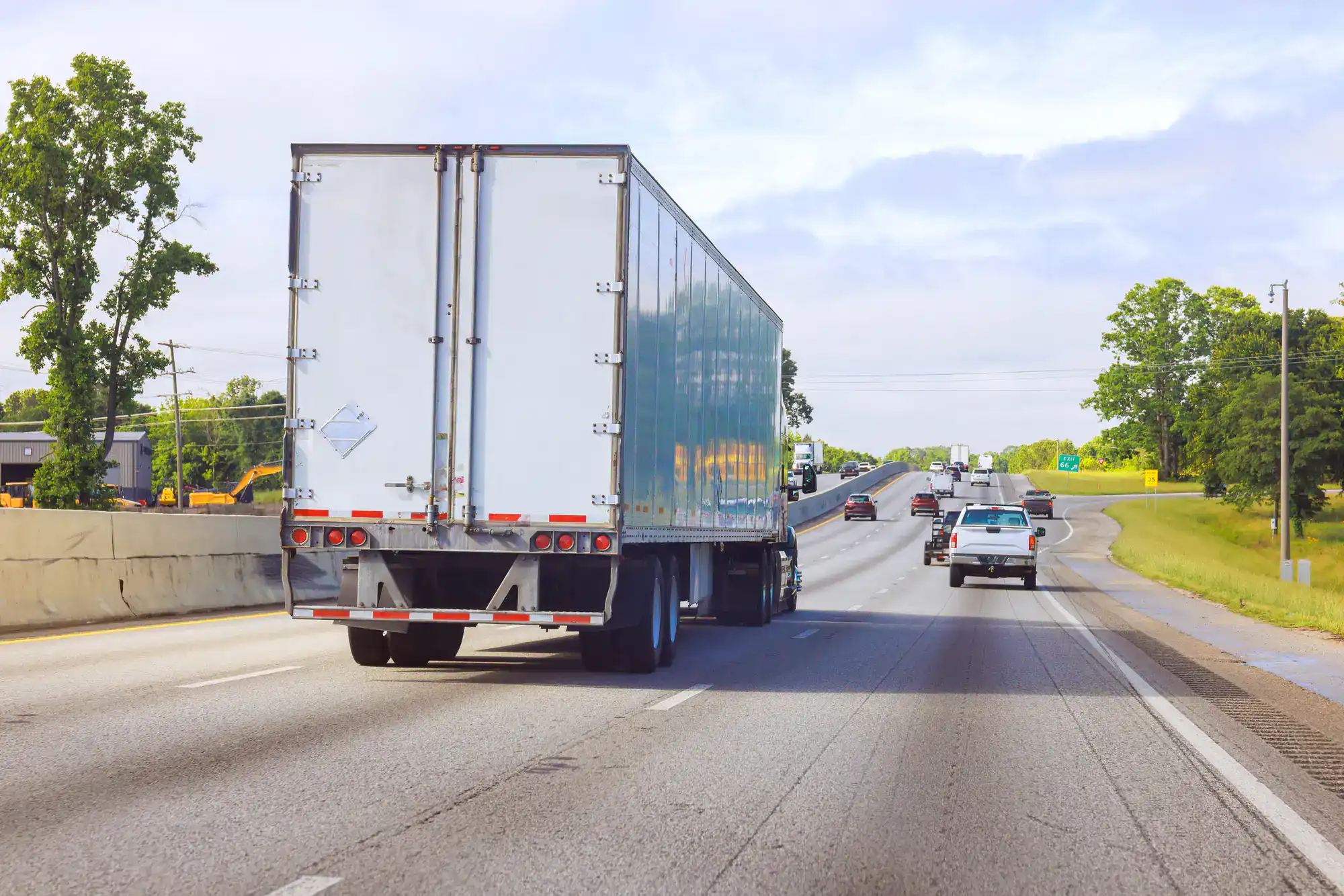
If your truck is model year 2013 or newer and has a gross vehicle weight rating over 14,000 pounds, yes—you need CARB compliance testing to operate in California. This applies whether you’re an owner-operator, running a fleet, or just passing through the state.
The requirement started January 1, 2024, and it’s enforced through DMV registration and CHP inspections. If you don’t have proof of compliance, your registration can be blocked, and you can be cited during roadside inspections. It doesn’t matter if your truck is registered in California or out of state—if it’s operating here and meets the criteria, it needs testing.
Older trucks and lighter vehicles have different requirements, and this specific service doesn’t apply to them. If you’re not sure whether your truck qualifies, check your GVWR and model year. Those two numbers tell you everything.
Right now, testing is required annually. But starting in 2025, CARB moved to semi-annual compliance—meaning you’ll need to test twice a year, roughly every six months. Then in October 2027, it increases again to four times per year.
The state is tightening the schedule because they want more frequent data on emissions performance, especially for high-mileage commercial trucks. It’s not a punishment—it’s part of California’s push to reduce NOx and particulate matter from heavy-duty diesel engines, which are major contributors to air quality problems.
You can submit a passing test up to 90 days before your deadline, so if you’re organized, you can stay ahead of it. Miss a deadline, though, and you’re looking at a 30-day notice to test if your truck gets flagged as a high emitter. After that, enforcement kicks in fast.
If your truck fails, it means the OBD system detected an issue with your emissions controls—usually related to NOx or diesel particulate matter. You’ll need to get the problem diagnosed and repaired by a qualified mechanic, then bring the truck back for retesting.
Sometimes a truck will fail because it’s not “ready” to test yet. That happens after repairs, battery replacements, or if the system hasn’t completed its internal checks. In that case, you’ll need to drive the truck through a normal cycle—city and highway driving under varied conditions—so the OBD system can finish its diagnostics. Once it’s ready, we can retest.
You won’t get your TRUCRS certificate until you pass, and without that certificate, you can’t prove compliance to CARB or the DMV. That means no registration renewal and potential fines if you’re caught operating a non-compliant vehicle. The faster you address the failure and retest, the less disruption you’ll deal with.
No, not through this service. Clean Truck Check testing is specifically for trucks that are model year 2013 or newer with a GVWR over 14,000 pounds. That’s the threshold where CARB requires OBD-based emissions testing for heavy-duty diesel engines.
If your truck is older than 2013, you may be subject to different CARB regulations—like the Truck and Bus Regulation, which deals with diesel particulate filter requirements and engine upgrades. If your vehicle is under 14,000 pounds, it falls under standard smog check rules, not Clean Truck Check.
We’re clear about this because we don’t want to waste your time or ours. If your truck doesn’t meet the criteria, this isn’t the test you need, and we’ll tell you that upfront. But if you’re running a qualifying heavy-duty truck, we’re set up to handle it correctly.
The cost of testing varies depending on the facility, but you’re paying for a few things: the OBD test itself, submission of results to CARB’s database, and your TRUCRS certificate if you pass. On top of that, there’s an annual compliance fee that CARB charges—$31.18 in 2025, and it goes up each year.
What’s included is the actual emissions test using CARB-certified equipment, performed by a credentialed tester who’s trained to handle heavy-duty OBD systems. We’re not just plugging in a code reader—we’re running a compliance test that meets state requirements and gets recorded in the system CARB and the DMV check.
If you fail and need to retest, that’s a separate visit and a separate cost. Same goes if your truck isn’t ready to test after repairs—you’ll need to complete a drive cycle and come back. But if your truck is in good shape and your emissions systems are working, it’s a straightforward process that gets you certified and back to work.
The penalties are serious. If you miss your compliance deadline, CARB can block your DMV registration, which means you can’t renew your plates or legally operate the truck in California. If you’re caught driving a non-compliant vehicle, you’re looking at fines up to $10,000 per vehicle per day—and that’s not a scare tactic, it’s in the regulation.
On top of that, if your truck gets flagged as a high emitter, you’ll receive a Notice to Submit to Testing. You’ve got 30 days to get a passing test submitted, or enforcement escalates. That can include citations from CHP during inspections, removal from CARB’s compliance database, and more fines.
For fleets, the risk multiplies fast. One non-compliant truck is a problem. Five or ten is a business-ending liability. The cost of staying compliant is a fraction of what you’ll pay in penalties, lost revenue, and legal trouble if you ignore it. Testing on time, every time, is the only smart play.
Useful Links
Other Services we provide in San Jacinto