Hear from Our Customers

If you’re running semi trucks in California with 2013 or newer engines, you already know the state doesn’t mess around. Non-compliance means fines up to $10,000 per vehicle per day. Registration holds that ground your trucks until you fix it.
The Clean Truck Check program requires emissions testing twice a year for qualifying vehicles. Miss a deadline or fail a test, and the DMV can block your registration. That’s not a warning—it’s lost revenue every day your truck sits.
CARB compliance isn’t optional anymore. It’s the difference between operating and scrambling to catch up while your competitors keep moving. You need testing done right, on time, by someone who actually knows the regulations—not someone who’s guessing or cutting corners.
We serve trucking operators throughout San Gabriel and the wider Los Angeles County area. We’re CARB credentialed, which means we’re authorized to perform the OBD emissions testing that 2013 and newer trucks require.
San Gabriel sits in the middle of one of the busiest freight corridors in the country. Proximity to the ports, the 10, the 60—you’re moving goods constantly. That’s exactly why compliance matters here more than almost anywhere else. CARB enforcement is active, and roadside sensors are monitoring emissions in real time.
We handle CARB emissions testing for fleets and owner-operators who can’t afford downtime or mistakes. You’re not getting a generic smog test. You’re getting compliance testing that meets California Air Resources Board standards so your trucks stay registered and road-legal.

First, we verify your truck qualifies. That means checking the model year (2013 or newer) and confirming the GVWR is over 14,000 pounds. If your truck doesn’t meet both criteria, this testing doesn’t apply to you.
Next, we connect to your truck’s OBD system using CARB-certified diagnostic equipment. We’re pulling emissions data directly from your engine’s computer—this isn’t a visual inspection or a tailpipe test. The system checks whether your emissions control equipment is functioning properly and meeting California standards.
Once the test is complete, you get documentation showing you passed. That certificate goes into the state’s CTC-VIS system, which connects to DMV records. If you received a Notice to Submit to Testing, this clears it. If you’re doing routine compliance, you’re covered for the next testing cycle.
The whole process is straightforward when you’re working with a credentialed tester who knows what they’re doing. No surprises, no runarounds.

Ready to get started?
California’s Clean Truck Check program applies to heavy-duty trucks with 2013 or newer engines and a GVWR over 14,000 pounds. That includes semi trucks, commercial vehicles, and heavy-duty equipment operating on California roads—even if you’re registered out of state.
You’re required to test twice a year right now. Starting in October 2027, that frequency increases to four times annually. You also need to register your vehicle in the CTC-VIS system before you operate in California, and you’ll pay an annual compliance fee of about $31 per vehicle.
If you get a Notice to Submit to Testing, you have 30 calendar days to complete a passing test. Miss that window, and the DMV can suspend your registration. In the San Gabriel Valley, where logistics and freight define the local economy, that kind of disruption hits hard. You’re not just dealing with one truck—you’re risking your entire operation if you’re running a fleet.
CARB collected over $21 million in penalties in 2022 alone. Enforcement is real, and it’s not slowing down.
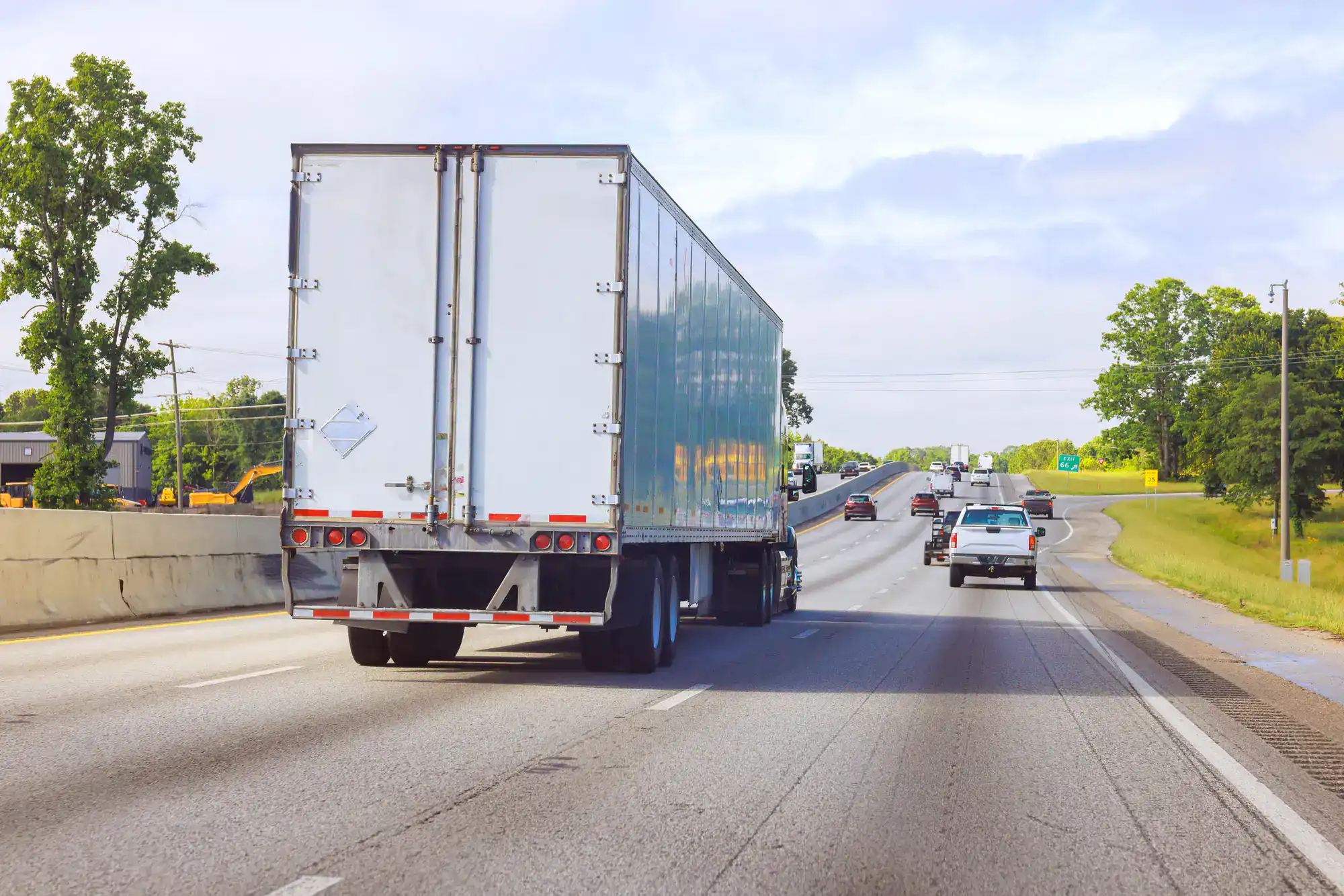
Yes. If your heavy-duty truck operates on California roads, it must meet CARB compliance requirements regardless of where it’s registered. The Clean Truck Check program applies to all qualifying vehicles—2013 or newer model year with a GVWR over 14,000 pounds—that drive in California.
That means if you’re an out-of-state operator hauling freight through Los Angeles County or making deliveries in the San Gabriel area, you’re subject to the same testing and registration rules as California-based fleets. You’ll need to register in the CTC-VIS system and complete emissions testing twice a year.
CARB doesn’t care where your plates are from. If you’re on their roads, you’re under their rules. Roadside sensors and enforcement officers can flag non-compliant vehicles, and penalties apply the same way they would to a local operator.
Right now, most heavy-duty trucks with 2013 or newer engines need emissions testing twice a year. That’s the current standard under the Clean Truck Check program for OBD-equipped vehicles over 14,000 pounds GVWR.
Starting in October 2027, the frequency increases to four times per year for the same vehicles. That’s a significant jump, and it means you’ll need a reliable testing provider who can handle your compliance on a tighter schedule without disrupting your operations.
If you receive a Notice to Submit to Testing from CARB, you have 30 calendar days to complete a passing test and submit results. Missing that deadline can result in registration suspension and fines. Staying ahead of your testing schedule is the only way to avoid last-minute scrambling and potential shutdowns.
If your truck fails, you’ll need to address whatever emissions issue triggered the failure before you can pass a retest. Common problems include malfunctioning diesel particulate filters, faulty sensors, or issues with the selective catalytic reduction system.
You’ll get a report detailing what failed, and you’ll need to have those repairs completed by a qualified mechanic. Once the work is done, you come back for another test. There’s no penalty for failing the test itself—the penalty comes if you don’t resolve the issue and retest within the required timeframe.
If you’re under a 30-day Notice to Submit to Testing, that clock doesn’t stop just because you failed. You still need to pass within that window, which is why catching problems early matters. Regular maintenance and proactive testing help you avoid situations where you’re racing against a compliance deadline with a truck that needs repairs.
No. The Clean Truck Check program specifically applies to heavy-duty vehicles with model year 2013 or newer engines and a GVWR over 14,000 pounds. If your truck doesn’t meet both of those criteria, this testing requirement doesn’t apply to you.
Older trucks (pre-2013) may still be subject to other CARB regulations, like the Truck and Bus rule, but they’re not part of the OBD-based emissions testing program. Lighter vehicles under 14,000 pounds GVWR fall under different smog check requirements—not the heavy-duty compliance testing we’re talking about here.
This is a common point of confusion, especially for operators with mixed fleets. Make sure you know which vehicles qualify before scheduling testing. Bringing in a truck that doesn’t meet the criteria wastes your time and doesn’t fulfill any compliance obligation.
Yes. CARB doesn’t waive penalties based on lack of awareness. If you’re operating a qualifying heavy-duty truck in California, you’re expected to know and follow the compliance requirements—whether you’re based in-state or coming from somewhere else.
Fines can reach up to $10,000 per vehicle per day for non-compliance, and in some cases, penalties have gone as high as $75,000. The state collected over $21 million in enforcement penalties in 2022, so this isn’t theoretical. They’re actively monitoring and penalizing operators who aren’t compliant.
The best way to avoid fines is to get ahead of the requirements now. Register your trucks in the CTC-VIS system, schedule your emissions testing, and make sure you’re meeting deadlines. Ignorance isn’t a defense, and the cost of non-compliance is far higher than the cost of doing it right the first time.
Because California law requires it. Only CARB credentialed testers are authorized to perform Clean Truck Check emissions testing on heavy-duty vehicles. If you go to someone who isn’t credentialed, the test won’t be valid—and you’ll still be out of compliance.
Credentialed testers have been trained and certified by CARB to use the specific diagnostic equipment and procedures required for OBD-based emissions testing. That includes understanding SAE J1667 standards, using approved test instruments, and properly reporting results into the state’s CTC-VIS system.
Going to a credentialed tester isn’t just about following the rules. It’s about making sure your test results actually count, so you’re not wasting time or money on testing that doesn’t meet state requirements. We’re CARB credentialed, which means when you test with us, it’s done right and it’s recognized by the state.
Useful Links
Other Services we provide in San Gabriel