Hear from Our Customers
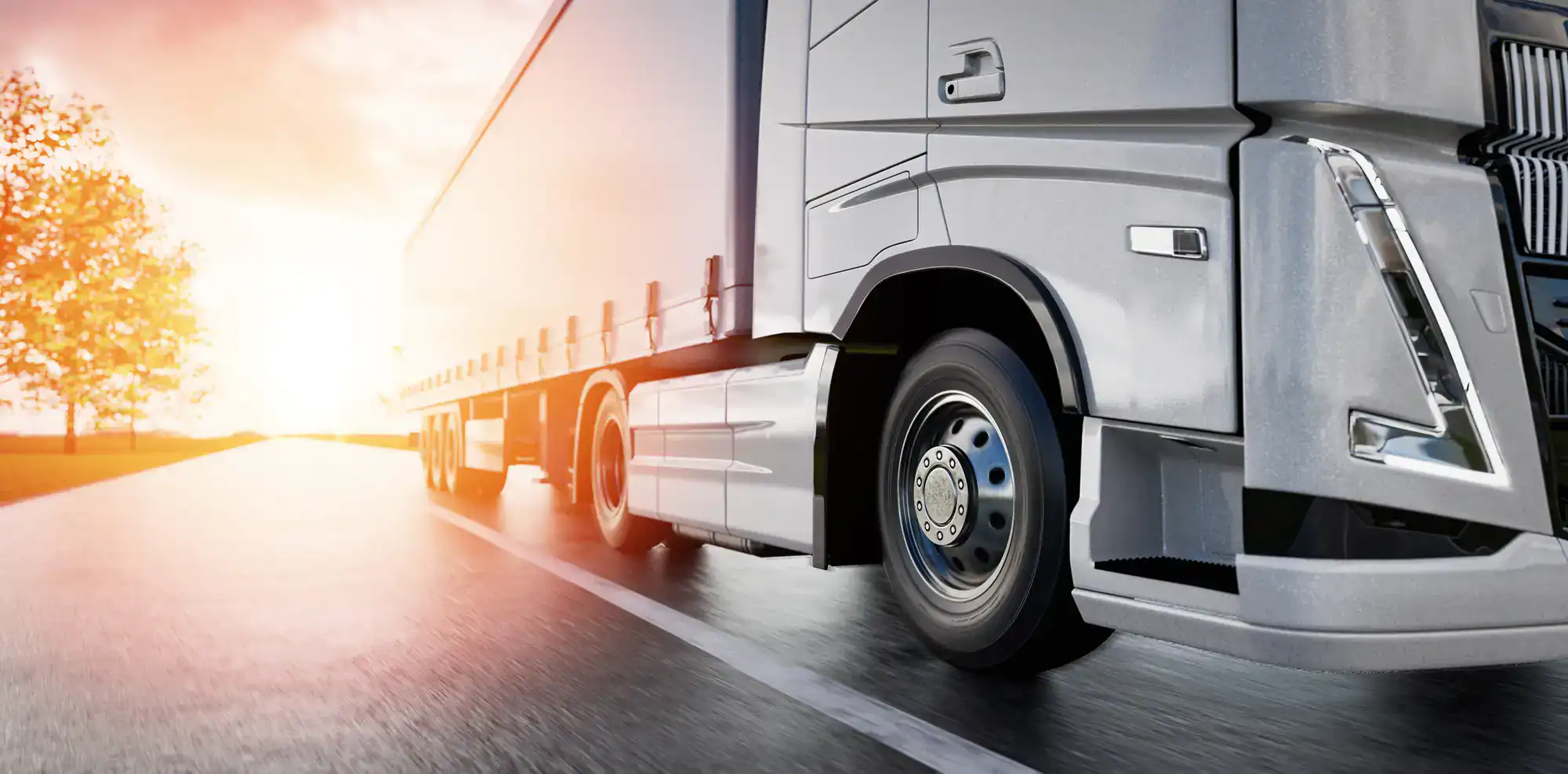
You’re running a business, not navigating California’s regulatory maze. But here’s the reality: if your 2013 or newer heavy-duty diesel truck isn’t Clean Truck Check compliant, you’re looking at DMV registration holds, fines starting at $1,000 per vehicle per day, and trucks that can’t legally operate.
CARB isn’t messing around anymore. They’re using roadside monitoring, enforcing registration holds, and tracking non-compliance in real time. Your truck gets flagged, and suddenly you’re dealing with penalties that can hit $75,000 per day while your rig sits idle.
We handle CARB emissions testing for heavy-duty trucks in San Fernando using CARB-certified OBD equipment and credentialed testers. We test your 2013+ diesel truck, submit results electronically to CARB, and you get your compliance certificate. No registration holds. No operational disruptions. You stay compliant, your fleet keeps moving, and you avoid the nightmare of dealing with state enforcement after the fact.
We serve the San Fernando Valley trucking community with specialized CARB compliance testing for heavy-duty vehicles. We’re not a general smog shop trying to figure out diesel trucks on the fly—we focus specifically on 2013 and newer model year engines over 14,000 pounds GVWR because that’s what California’s Clean Truck Check program requires.
San Fernando sits in the heart of a major trucking corridor. You’ve got fleets running through here daily, owner-operators based locally, and construction companies with heavy equipment that all need to stay compliant. We’re positioned right where you need us, with the equipment and credentials to handle your testing correctly the first time.
Our testers are CARB-credentialed, our OBD devices are CARB-certified, and we submit results directly into the state system electronically. You’re not trusting your compliance to guesswork—you’re working with a shop that understands the regulations and the stakes.

You bring your 2013 or newer heavy-duty diesel truck to our San Fernando location. First thing we check: is your vehicle’s OBD system ready? If you recently cleared codes or disconnected the battery, your truck needs to run long enough for the monitors to reset. Most trucks need 20-30 miles of varied driving after a code clear before they’re test-ready.
Once your OBD system is ready, we connect our CARB-certified testing device to your truck’s diagnostic port. The device pulls data directly from your engine’s computer—emission levels, system performance, fault codes. This isn’t a visual inspection or a tailpipe test. It’s a digital readout of how your truck’s emissions systems are actually functioning.
If your truck passes, we submit the results electronically to CARB’s database that same day. You’ll receive your Clean Truck Check certificate, and your compliance status updates in the state system. If there’s a failure, we’ll walk you through what the codes mean and what needs repair before retesting. You can submit your test up to 90 days before your deadline, so you’ve got time to address issues without scrambling at the last minute.

Ready to get started?
This service applies exclusively to trucks with 2013 or newer model year engines and a GVWR over 14,000 pounds. If your truck doesn’t meet both criteria, it’s not subject to Clean Truck Check testing. No exceptions, no workarounds—that’s California law, not our policy.
You’re getting OBD emissions testing performed by a CARB-credentialed tester using state-certified equipment. We’re testing for NOx, particulate matter, and system functionality based on what your truck’s engine computer reports. Results go directly into CARB’s system electronically, so there’s no paperwork you need to mail in or forms you need to track down.
San Fernando’s location means you’re dealing with some of the strictest air quality enforcement in the state. The South Coast Air Quality Management District doesn’t mess around, and CARB’s compliance requirements hit hard here. Your truck operates in California, it needs to meet California standards—period. Testing here keeps you ahead of enforcement, prevents registration issues with the DMV, and ensures you’re not the operator who gets pulled over at a compliance checkpoint with an expired certificate. The annual compliance fee is $30 per vehicle, testing runs around $95, and non-compliance penalties start at $1,000 per day per vehicle. Do the math on what it costs to skip this versus what it costs to handle it right.
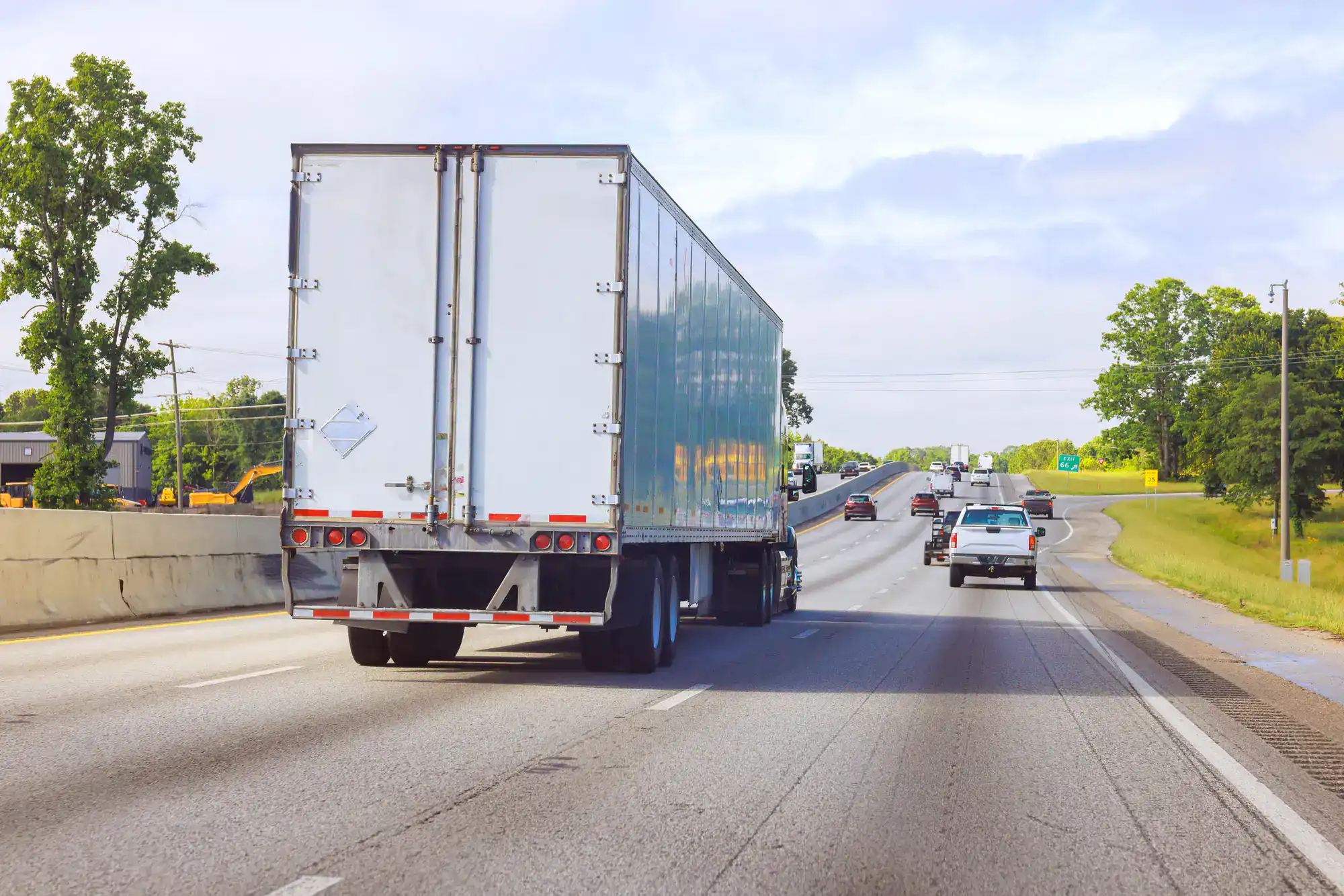
Your truck needs testing if it has a 2013 or newer model year engine and a gross vehicle weight rating over 14,000 pounds. Both conditions must be true. If you’re running a 2012 engine, you’re not subject to this program yet. If your truck is under 14,000 pounds GVWR, same thing—not covered.
CARB sends notices to registered owners, but don’t wait for a letter to figure this out. Check your truck’s door placard for GVWR and your engine’s model year. If you’re operating in California and you meet the criteria, you’re required to test. Period.
Starting January 1, 2025, periodic testing became mandatory. Right now it’s annual, but in October 2027 it shifts to quarterly for OBD-equipped vehicles. If you’re not sure whether your truck qualifies, bring your registration and we’ll tell you straight.
If your truck fails, you’ll get a detailed report showing which codes triggered the failure. Most failures come from emission system malfunctions—faulty sensors, DPF issues, EGR problems, or SCR system failures. You’ll need to get those systems repaired before your truck can pass a retest.
You’ve got time to fix it if you test early. CARB allows you to submit results up to 90 days before your deadline, so if you fail in month one, you’ve got two more months to repair and retest before you’re non-compliant. If you wait until the last minute and fail, you’re in a tougher spot—repairs take time, and you can’t operate legally without compliance.
Once repairs are done, bring the truck back for retesting. If it passes, we submit the clean results and you’re good. If it fails again, you’re looking at more diagnostics to figure out what’s still wrong. The key is not ignoring warning lights or codes before you come in. If your check engine light is on, handle that first.
Technically yes, but your truck probably won’t be ready. When you clear codes or disconnect the battery, your truck’s OBD system resets. It needs to run through a series of drive cycles before the monitors are ready for testing. If the monitors aren’t set, your truck will fail the test—not because it’s polluting, but because the system hasn’t collected enough data yet.
Most heavy-duty trucks need 20 to 30 miles of varied driving after a code clear before they’re test-ready. That means city driving, highway driving, idling, acceleration—basically normal operation. Some trucks take longer depending on the system.
Before you come in, check if your truck is ready. We can do a quick pre-scan to see if the monitors are set, but if they’re not, you’ll need to drive it more before testing. Don’t waste a trip. If you cleared codes recently, give your truck time to relearn before scheduling your test.
Testing typically costs around $95 per vehicle. On top of that, CARB charges an annual compliance fee of $30 per vehicle, which goes directly to the state. So you’re looking at about $125 per truck per year to stay compliant under the current annual testing schedule.
Compare that to the cost of non-compliance: fines start at $1,000 per vehicle per day. If CARB flags your truck and you’re not compliant, penalties can escalate to $10,000 per vehicle per day. Some operators have faced total penalties in the millions. You’ll also deal with DMV registration holds, which means your truck can’t be renewed and legally can’t operate.
When testing shifts to quarterly in October 2027, you’ll be testing four times a year instead of once. That changes the math, but the alternative—getting caught non-compliant—costs exponentially more. Budget for compliance as a standard operating cost, because the penalties for skipping it aren’t something you can afford to gamble on.
Regular smog checks are for passenger vehicles and lighter trucks under 14,000 pounds GVWR. They often involve tailpipe emissions testing and visual inspections. CARB compliance testing under the Clean Truck Check program is completely different—it’s OBD-based testing for heavy-duty diesel trucks with 2013 or newer engines over 14,000 pounds.
We’re not doing a visual check or measuring tailpipe output. We’re plugging into your truck’s onboard diagnostic system and pulling data directly from the engine computer. The test reads fault codes, monitors emission system performance, and checks whether your truck’s NOx and particulate controls are functioning correctly.
Not every smog shop can do this. You need CARB-certified OBD testing equipment and a credentialed tester who’s trained specifically on heavy-duty diesel compliance. If you take your semi truck to a regular smog shop, they likely can’t help you. This is specialized testing for a specific class of vehicle under a specific state program.
If your truck operates in California, yes. It doesn’t matter where your truck is registered—if you’re driving it on California roads, you’re subject to California emissions laws. CARB enforces compliance on any heavy-duty truck operating in the state, including out-of-state fleets and owner-operators passing through.
That means if you’re based in Nevada, Arizona, or anywhere else but you’re hauling loads into California, your 2013+ heavy-duty diesel truck needs to be Clean Truck Check compliant. CARB uses roadside monitoring and compliance checkpoints, and they will flag non-compliant vehicles regardless of where they’re registered.
Some out-of-state operators assume they’re exempt. They’re not. California’s regulations apply to any truck operating within state borders. If you’re running loads into ports, freight terminals, or distribution centers in California, get your compliance handled before you cross the state line. Non-compliance can get your truck denied entry to facilities, hit with fines, and flagged in CARB’s enforcement system.
Useful Links
Other Services we provide in San Fernando