Hear from Our Customers

You already know the stakes. CARB violations can cost you $10,000 per vehicle, per day. Your DMV registration gets blocked. Your trucks sit idle while your competitors keep moving freight.
The Clean Truck Check program isn’t going away. Starting October 2024, every heavy-duty vehicle operating in California needs passing emissions compliance testing to stay registered. That includes your 2013 or newer diesel trucks and 2018 or newer alternative fuel trucks with a GVWR over 14,000 pounds.
Here’s what passing CARB compliance actually gets you: your trucks stay registered, your fleet keeps operating, and you avoid the kind of penalties that can cripple a business overnight. You’re not just checking a box. You’re protecting your ability to haul freight in California, period.
If you get a Notice to Submit to Testing from roadside monitoring, you have 30 days to provide passing results. Miss that window and you’re looking at steep fines and registration blocks that stop your operations cold.
We serve commercial fleets in Pico Rivera and throughout Los Angeles County with CARB-certified emissions testing. We’re credentialed testers using CARB-approved OBD test devices, which means your results get submitted directly to the state compliance database.
Pico Rivera sits in the heart of Southern California’s logistics corridor. You’re surrounded by distribution centers, freight companies, and fleets that depend on staying CARB compliant to operate. We understand the local pressure because we work with fleet operators who face the same regulations you do.
We focus exclusively on trucks that actually need this service: model year 2013 or newer with a GVWR over 14,000 pounds. If your truck doesn’t meet those specs, we’ll tell you upfront. No wasted time, no unnecessary testing.

Your truck needs an OBD scan using a CARB-certified test device. That’s the equipment requirement for 2013 and newer diesel engines or 2018 and newer alternative fuel engines. We plug into your truck’s onboard diagnostics system and pull the emissions data that CARB requires.
The scan checks for fault codes, monitors emission control system performance, and verifies that your truck’s emissions controls are working properly. If everything passes, we submit your results directly to CARB’s compliance database. You’ll get documentation showing your truck met the requirements.
You can submit a passing test up to 90 days before your compliance deadline. So if your deadline is February 1, 2025, you can test as early as November 3, 2024. That gives you time to handle any repairs if something comes up.
If your truck doesn’t pass, you’ll know exactly what needs fixing. The OBD data tells us which emission control systems are throwing codes. From there, you can get repairs done and come back for a retest. Once you pass, we submit the results and your truck stays compliant.
Right now, most trucks need testing twice per year. By October 2027, OBD-equipped vehicles will need testing four times per year. The requirements are getting stricter, not looser.

Ready to get started?
CARB compliance testing applies to any heavy-duty truck operating in California, regardless of where it’s registered. Out-of-state trucks hauling freight through California need to comply with the same rules as in-state fleets. There are no exceptions based on your home state.
The Clean Truck Check program targets vehicles with a GVWR over 14,000 pounds. If your truck is model year 2013 or newer with a diesel engine, or 2018 or newer with an alternative fuel engine, you need OBD testing. Older trucks follow different rules involving smoke opacity tests and visual inspections, but those aren’t what we’re talking about here.
Los Angeles County has some of the strictest air quality enforcement in the state. CARB estimates over 530,000 medium and heavy-duty vehicles will be subject to these fleet requirements. Pico Rivera’s location near major freight routes means higher visibility for enforcement and roadside monitoring.
Roadside emissions monitoring started in January 2023. Even if your truck passed its most recent compliance test, it can still get flagged as a potential high emitter between testing intervals. If that happens, you’ll receive a Notice to Submit to Testing and you have 30 days to provide passing results from a credentialed tester.
Non-compliance isn’t just about fines. Your truck won’t be registered with the DMV. You can’t legally operate in California. And if you’re a shipper hiring non-compliant carriers, you’re looking at fines up to $10,000 for each year you used that carrier.
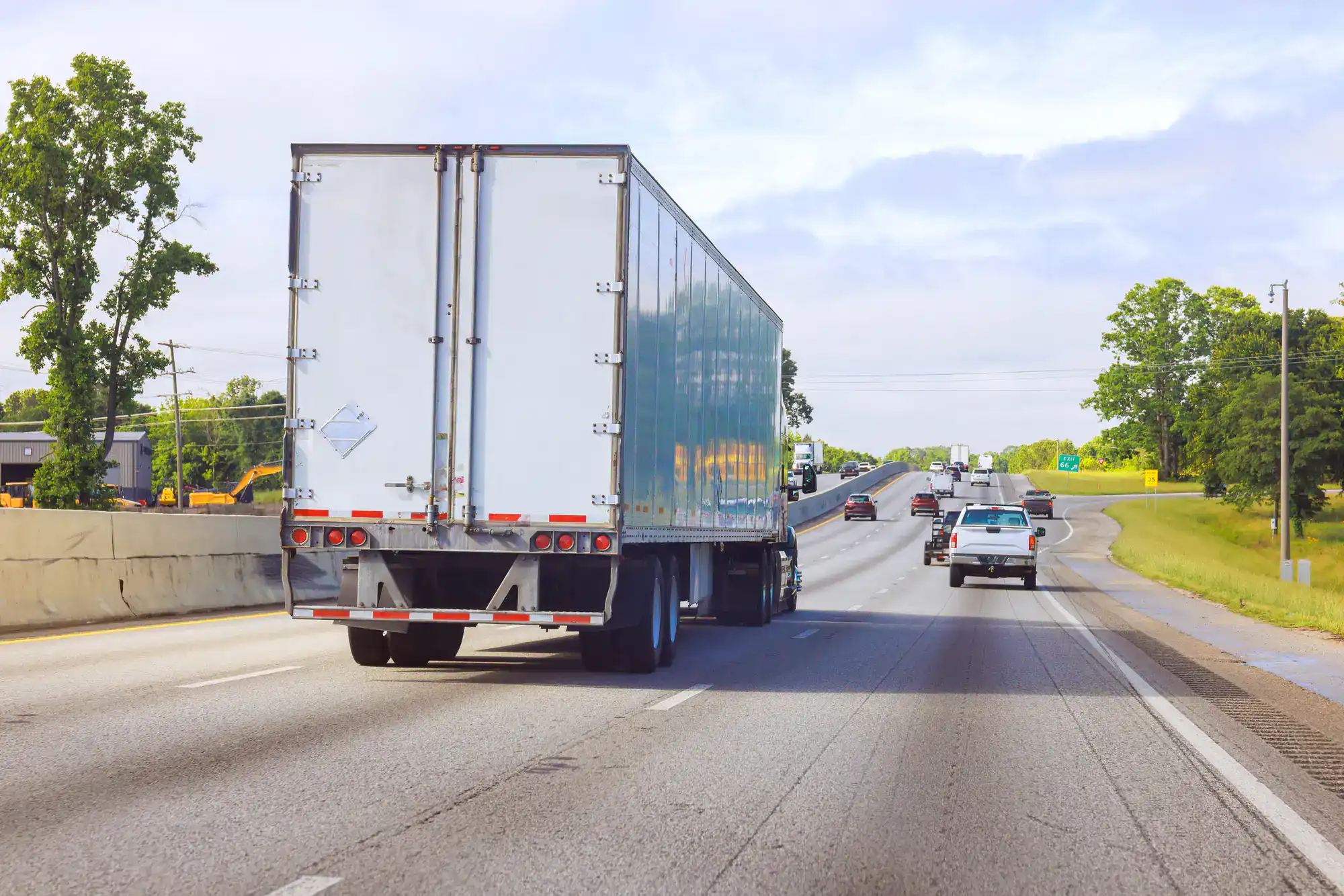
Yes. All heavy-duty trucks operating in California must meet CARB requirements, no matter where they’re registered.
If you’re hauling freight through California, your truck needs to be in the state compliance database. CARB doesn’t care if your plates say Nevada, Arizona, Texas, or anywhere else. The rules apply to any truck with a GVWR over 14,000 pounds that drives on California roads.
Starting January 1, 2024, operating in California without registration in the compliance database can result in violations from CARB or the California Highway Patrol. A non-compliant vehicle isn’t authorized to haul freight in this state. If you run interstate routes that touch California, you need to comply or reroute your trucks entirely.
You’ll get a detailed report showing which emission control systems triggered fault codes during the OBD scan. That tells you exactly what needs repair.
From there, you need to get the repairs done and come back for a retest. Your truck can’t pass compliance until those fault codes are cleared and the emission controls are working properly. If you don’t fix the issues, your truck won’t be registered with the DMV and you won’t be allowed to operate in California.
The good news is that the OBD data is specific. You’re not guessing what’s wrong. The scan identifies the problem areas, whether it’s your diesel particulate filter, NOx sensors, or other emission control components. Get those repaired, retest, and you’re back in compliance.
Right now, most trucks need testing twice per year. But that’s changing.
Starting October 2027, OBD-equipped vehicles will be required to undergo testing four times per year. That’s every three months. CARB is tightening the intervals to catch high emitters faster and reduce the amount of time non-compliant trucks spend on the road.
You can submit passing tests up to 90 days before your compliance deadline, so plan ahead. If your deadline is in February, you can test as early as November. That buffer gives you time to handle repairs if something comes up during the test. Missing your deadline means registration holds and potential fines, so don’t wait until the last minute.
A Notice to Submit to Testing means your truck was flagged by roadside emissions monitoring as a potential high emitter. Even if you passed your last compliance test, CARB’s roadside devices can identify trucks that might be having emission control problems between testing intervals.
When you receive a Notice to Submit to Testing, you have 30 calendar days from receipt to submit a passing Clean Truck Check emissions compliance test to CARB. You need to bring your truck to a credentialed tester, get the OBD scan done, and make sure the results get submitted to the state database within that 30-day window.
Ignoring the notice isn’t an option. If you don’t respond with passing test results, you’re looking at registration holds and fines. Treat it like the urgent compliance issue it is and get your truck tested immediately.
Yes. You can submit a passing emissions compliance test up to 90 days before your vehicle’s compliance deadline.
This is actually the smart move. Testing early gives you a buffer in case your truck doesn’t pass on the first attempt. If the OBD scan finds fault codes, you have time to get repairs done and retest before your deadline hits. If you wait until the last week and fail, you’re scrambling to find repair shops and get back in for a retest while your deadline is breathing down your neck.
For example, if your compliance deadline is February 1, 2025, you can submit a passing test as early as November 3, 2024. That’s three months of breathing room. Use it. The worst time to discover your truck has emission control problems is the day before your registration is due.
CARB-certified OBD test devices are required for testing 2013 and newer diesel engines and 2018 and newer alternative fuel engines. These aren’t generic code readers. They’re specialized devices that meet CARB’s certification standards for emissions compliance testing.
The test device plugs into your truck’s OBD port and scans the engine’s onboard diagnostic data. It checks for active fault codes, monitors emission control system performance, and pulls the specific data points that CARB requires for compliance. The device then transmits your test results directly to the state compliance database if you pass.
Only credentialed testers who have passed CARB’s exam and hold a current certificate can perform these tests. The combination of certified equipment and credentialed testers ensures that your results are valid and accepted by the state. If someone offers to test your truck without CARB-certified equipment or proper credentials, those results won’t count toward your compliance requirements.
Useful Links
Other Services we provide in Pico Rivera