Check Out Our Reviews!
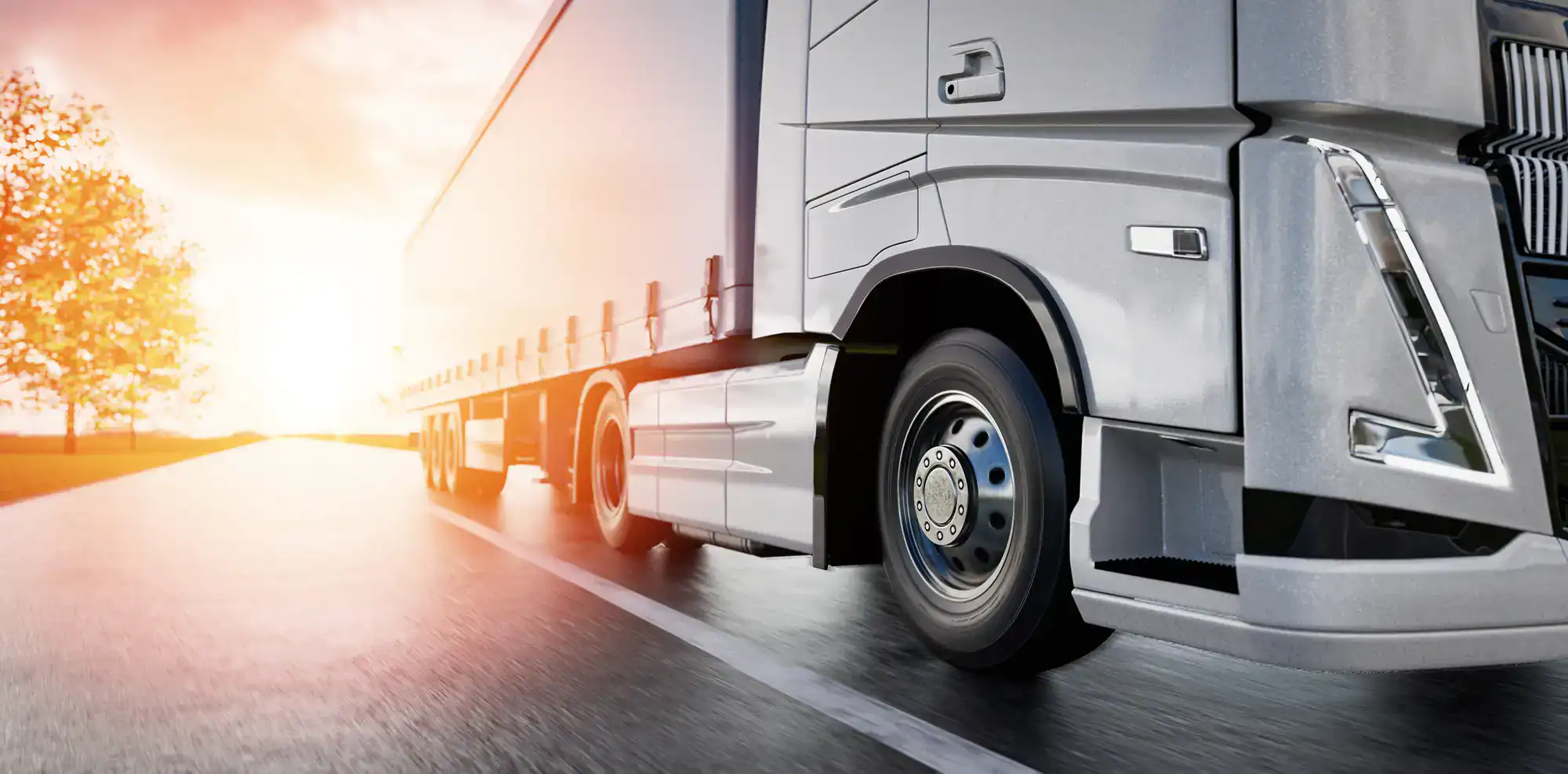
Norwalk sits at the convergence of four major freeways and the I-5 and I-605 corridor running through this city is one of the most actively monitored diesel truck routes in Los Angeles County. CARB deploys remote emissions monitoring devices along these corridors. Your truck doesn’t need to get pulled over to get flagged. If your 2013-or-newer diesel truck with a GVWR over 14,000 pounds isn’t current on its Clean Truck Check, that flag can turn into a Notice to Submit to Testing with a 30-day hard deadline.
What changes when you’re compliant is straightforward: your registration stays clean, your port access stays open, and your truck keeps moving. For owner-operators running drayage from the Ports of Long Beach or LA up through Norwalk to distribution centers in the San Gabriel Valley, a DMV registration hold doesn’t just create paperwork it kills loads. For fleet operators based near Santa Fe Springs or along the 605 corridor, non-compliance across multiple vehicles multiplies that risk fast.
The smog check stations on Pioneer Boulevard serve passenger cars. They cannot perform a Clean Truck Check OBD scan on your heavy-duty diesel, and they cannot submit results to CARB’s CTC-VIS system. That’s a completely different service and it requires a CARB-credentialed tester with CARB-certified equipment. We at All Smogged Motors provide exactly that service, specifically for trucks that qualify: model year 2013 or newer, GVWR over 14,000 pounds.
We are a CARB-credentialed Clean Truck Check testing provider serving Los Angeles County and Riverside County. Our credential isn’t self-declared it’s state-issued, tied to a completed HD I/M Tester Training Course and exam, and listed on CARB’s publicly searchable database. Any fleet manager or owner-operator in Norwalk can look it up before booking. That kind of transparency matters in a market where some testers have performed tests that CARB later rejected because the equipment or credential wasn’t valid.
Our focus is narrow by design. We work exclusively with the vehicle population subject to Clean Truck Check’s OBD requirements 2013-or-newer heavy-duty vehicles with a GVWR over 14,000 pounds. That’s it. No passenger cars, no older trucks, no light-duty vehicles. That specialization means every technician, every piece of equipment, and every submission process is built around this exact regulatory program. For operators running the Gateway Cities corridor Norwalk, Downey, Bellflower, Santa Fe Springs that focus is the point.

The first thing to confirm is whether your truck qualifies. If it’s a diesel or alternative-fuel heavy-duty vehicle, model year 2013 or newer, with a GVWR over 14,000 pounds, it falls under Clean Truck Check’s OBD testing requirements. If you’re not sure, a quick call can confirm it before you schedule anything.
Before the test, your truck needs to be registered in CARB’s CTC-VIS system at cleantruckcheck.arb.ca.gov, and the annual compliance fee of $31.18 needs to be paid. We handle the test itself the OBD scan using CARB-certified equipment and submit the results directly to CTC-VIS the moment the test is complete. You don’t log into a portal, you don’t upload anything, and you don’t wait to find out if the submission went through. It’s in the system immediately.
Once a passing result is recorded, your compliance certificate is available for download directly from CTC-VIS. For Norwalk-area operators whose trucks run the I-5 or I-605 regularly, that real-time record matters especially given the REMD monitoring activity along these corridors. If your truck gets flagged and you need to show compliance, the record needs to be current. Semi-annual testing is required in 2025, and that frequency increases to quarterly by October 2027 so building a reliable testing routine now makes that transition easier.

Ready to get started?
Every test we perform is an OBD emissions scan using a CARB-certified testing device not a generic diagnostic scanner from an auto parts store, and not the equipment a standard smog check station uses on passenger cars. The distinction matters because CARB requires specific certified equipment for Clean Truck Check submissions. A test performed with the wrong tool doesn’t count, regardless of who ran it.
Our service covers the full testing and submission process: the OBD scan on your qualifying vehicle, direct electronic submission of results to CARB’s CTC-VIS database, and confirmation that your compliance record is updated. For fleet operators in Norwalk’s 90650 ZIP code managing multiple trucks whether you’re running logistics out of a facility near the I-5/I-605 interchange or operating out of an adjacent city like Santa Fe Springs or Downey this direct submission removes the administrative layer entirely. No portal management, no manual uploads, no uncertainty about whether the result is on record.
This service applies only to model year 2013 or newer diesel and alternative-fuel heavy-duty vehicles with a GVWR over 14,000 pounds. It does not apply to older trucks or lighter vehicles. If you’ve received a Notice to Submit to Testing, the 30-day clock is already running and the test needs to be performed and submitted by a CARB-credentialed tester. We are on CARB’s public list. That’s verifiable before you ever call.
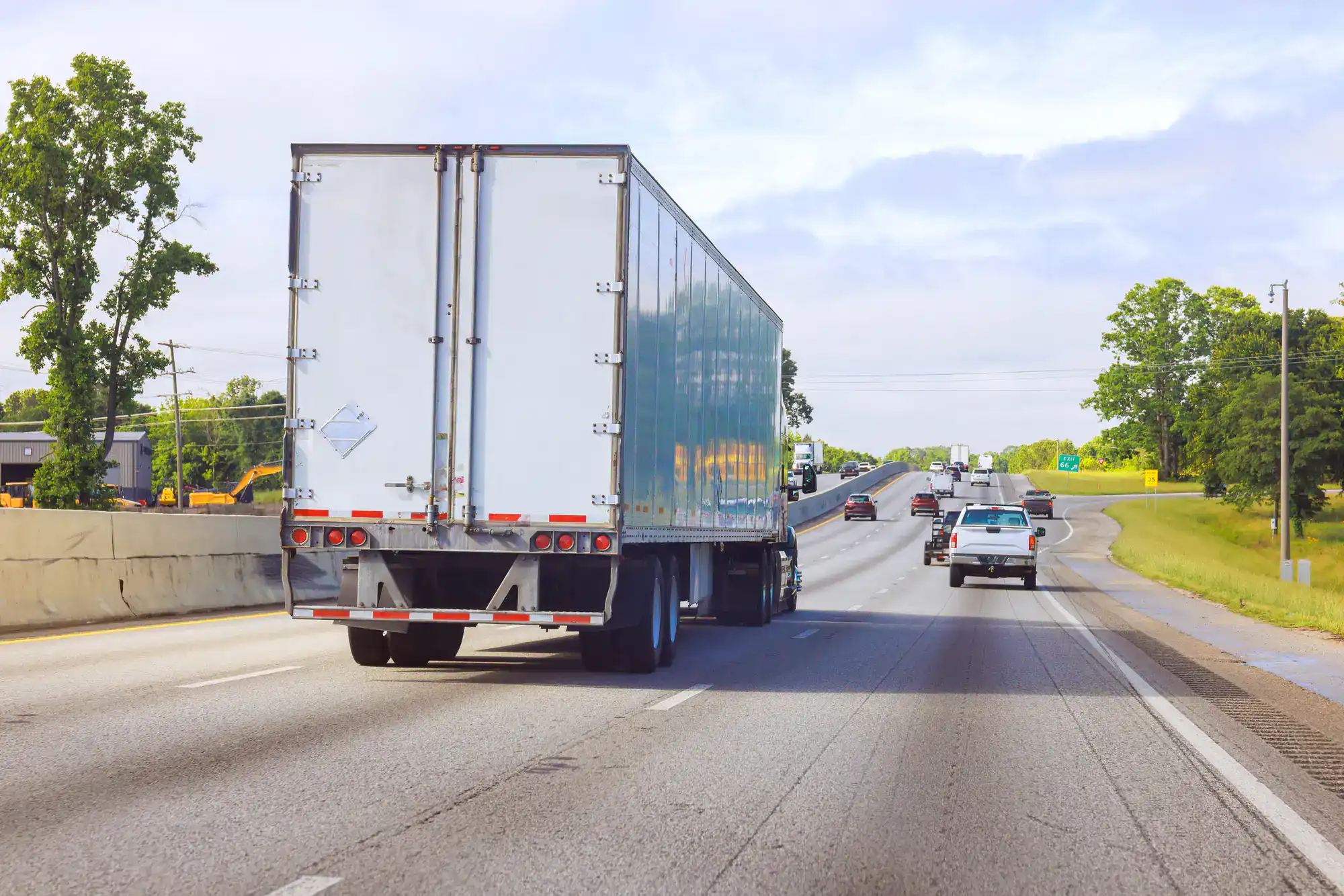
It depends on two things: the model year and the GVWR. If your truck is a diesel or alternative-fuel heavy-duty vehicle, model year 2013 or newer, with a gross vehicle weight rating over 14,000 pounds, it falls under California’s Clean Truck Check program and that applies regardless of where in LA County you’re based, including Norwalk.
If your truck is a 2012 or older, or if it’s under 14,000 pounds GVWR, it doesn’t fall under this program’s OBD testing requirements. The Clean Truck Check is specifically designed for the newer, OBD-equipped heavy-duty vehicle population. If you’re not sure where your truck lands, the VIN and registration paperwork will confirm the model year and GVWR or you can call and we’ll help you figure it out before you schedule anything.
No and this is one of the most common sources of confusion for Norwalk operators. The smog check stations you see on Pioneer Boulevard and throughout the city are licensed to test passenger cars and light-duty vehicles under California’s standard smog check program. That’s a completely different regulatory program with different equipment, different credentials, and a different submission system.
The Clean Truck Check requires a CARB-credentialed HD I/M tester using CARB-certified OBD testing equipment, with results submitted directly to CARB’s CTC-VIS database. General smog check stations don’t have that credential, don’t have that equipment, and cannot submit to CTC-VIS. If you bring your semi truck or heavy-duty diesel to a standard smog station, they won’t be able to help you and any test they attempt won’t be accepted by CARB. You need a tester who is specifically credentialed for this program, which is publicly verifiable on CARB’s own website.
CARB uses remote emissions monitoring devices REMDs at fixed locations along high-volume freight corridors statewide. The I-5 and I-605 running through and adjacent to Norwalk are among the highest-traffic diesel truck corridors in Los Angeles County, and these corridors are active monitoring areas. If your truck is flagged as a potential high emitter, CARB can issue a Notice to Submit to Testing without a traffic stop ever occurring.
Once you receive an NST, you have exactly 30 calendar days to submit a passing emissions compliance test performed by a CARB-credentialed tester. That’s not 30 business days it’s 30 calendar days from the date on the notice. If the first test reveals an issue that requires repairs, that repair time comes out of your 30 days. Waiting until day 25 to schedule the test doesn’t leave much room. We perform the OBD scan and submit results directly to CTC-VIS, so the compliance record is updated immediately after a passing test.
Yes. California’s Clean Truck Check requirements apply based on where the vehicle operates, not where it’s registered. If your truck is a 2013-or-newer diesel or alternative-fuel heavy-duty vehicle with a GVWR over 14,000 pounds, and it operates on California public roads including the I-5 through Norwalk it is subject to the program’s requirements.
Interstate carriers routing through Southern California on the I-5 corridor are a significant portion of the trucks that pass through Norwalk daily, and many of those operators are based in Arizona, Nevada, Texas, or other states. Being registered out of state doesn’t create an exemption. If your truck gets flagged by a REMD along the I-5 or I-605 and you receive an NST, the 30-day deadline applies the same way it does for California-registered vehicles. We serve out-of-state operators the same way we serve local ones CARB-credentialed OBD test, CARB-certified equipment, direct CTC-VIS submission.
In 2025, most affected vehicles are required to test twice per year semi-annual compliance. That means two passing OBD emissions tests submitted to CTC-VIS within your annual compliance window. The schedule is tied to your vehicle’s registration cycle, not a fixed calendar date, so the specific deadlines vary by vehicle.
What’s important to understand is that this frequency is increasing. By October 2027, the program is scheduled to move to quarterly testing for most affected vehicles four required tests per year. For a fleet operator in Norwalk managing ten trucks, that’s forty compliance tests annually within a few years. Building a relationship with a reliable CARB-credentialed tester now rather than scrambling to find one each time a deadline approaches makes that transition significantly more manageable. The annual compliance fee is $31.18 per vehicle in 2025, adjusted by the California Consumer Price Index each year, and is separate from the testing service fee.
CARB non-compliance fines can reach up to $10,000 per vehicle per day. That’s not a worst-case theoretical number it’s the statutory maximum under California law, and CARB enforces it in the South Coast Air Basin, which includes all of Los Angeles County and Norwalk’s 90650 ZIP code. The South Coast Basin consistently fails to meet federal air quality standards for ozone and particulate matter, which means CARB and the South Coast Air Quality Management District treat enforcement here seriously.
Beyond fines, non-compliant vehicles are subject to DMV registration holds that prevent legal operation on California public roads. For an owner-operator running drayage from the ports up the I-5 through Norwalk, a registration hold means no loads and no income until compliance is restored. For a fleet operator, it means multiple trucks potentially sidelined at the same time. The cost of a Clean Truck Check OBD test is a fraction of what a single day of non-compliance can cost and our direct CTC-VIS submission means there’s no ambiguity about whether your test result is actually on record with CARB.
Useful Links
Other Services we provide in Norwalk