Hear from Our Customers
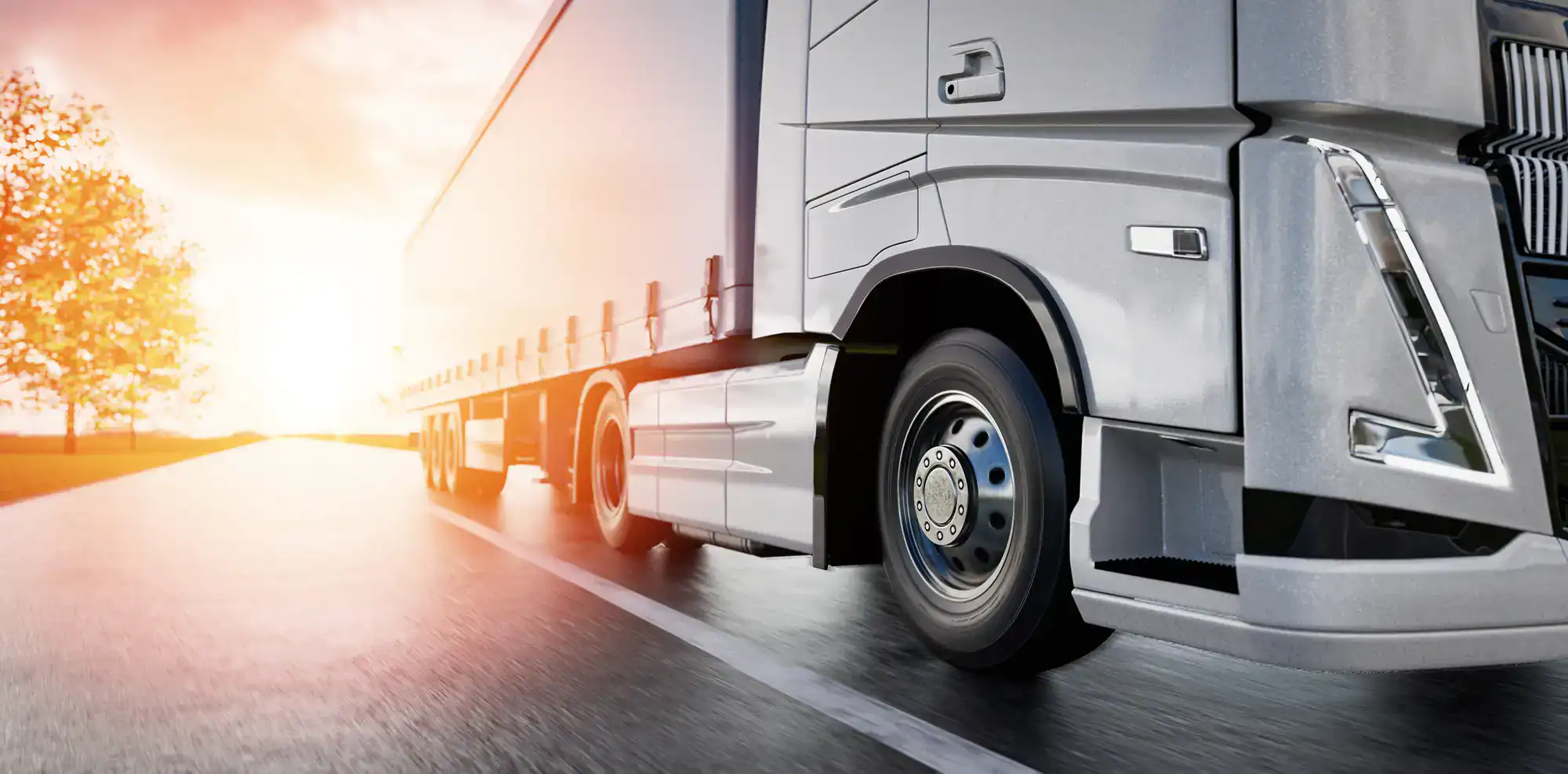
You’re running a business, and every day your truck sits idle costs you money. CARB compliance isn’t optional anymore—it’s the law. If your heavy-duty diesel truck is model year 2013 or newer with a GVWR over 14,000 pounds, you need OBD emissions testing every six months, and those results need to reach CARB’s database within 90 days of your deadline.
Miss that window and you’re looking at DMV registration holds that ground your truck until you fix it. Ignore it completely and the fines start stacking—up to $75,000 per day in some cases. That’s not a scare tactic. That’s what CARB enforcement actually looks like.
We handle the testing, submit your results directly to CARB, and keep you ahead of your compliance deadlines. You get back to work. Your trucks stay legal. Your registration renews without issues.
We’re not a general smog shop trying to do everything. We focus specifically on CARB compliance for heavy-duty trucks—the ones that actually need OBD testing under California’s Clean Truck Check program. That means 2013 and newer diesel engines over 14,000 pounds GVWR.
Norco sits right in the heart of Southern California’s logistics corridor, and truck operators here know the stakes. CARB uses roadside monitoring and license plate readers to flag high-emitting vehicles. Once you’re flagged, you get a Notice to Submit to Testing, and the clock starts ticking.
We use CARB-certified testing equipment and our technicians are credentialed through CARB’s official training program. You’re not getting a generic smog test from someone who doesn’t understand heavy-duty compliance. You’re getting accurate OBD data collection and proper submission so your compliance status updates correctly the first time.

Bring your 2013 or newer heavy-duty truck to our Norco location. We connect our CARB-certified OBD device to your truck’s diagnostic system and pull the emissions data. The test itself doesn’t take long—this isn’t a full mechanical inspection, it’s a data read from your onboard diagnostics.
Once we have your results, we submit them directly to CARB’s database. You don’t have to mail anything or log into a state portal. We handle the submission, and CARB updates your compliance status. You’ll know whether you passed and when your next test is due.
If your truck passes, you’re good for another six months. If it doesn’t, you’ll need repairs before retesting. Either way, you know exactly where you stand, and you’re not guessing about whether CARB received your results. Starting in October 2027, testing frequency increases to four times per year, so getting into a routine now makes sense.

Ready to get started?
This service applies only to trucks with 2013 or newer diesel engines and a GVWR over 14,000 pounds. If your truck is older or lighter, this isn’t the test you need. CARB’s Heavy-Duty Vehicle Inspection and Maintenance regulation is specific, and we follow it exactly.
You get OBD emissions testing using certified equipment, performed by a CARB-credentialed tester who’s passed the state’s training exam. Your test results get submitted to CARB within the required 90-day window, and you receive documentation showing your compliance status. You also need to pay the annual $31.18 compliance fee per vehicle, which is separate from the testing itself.
Norco’s proximity to major freight routes means truck operators here deal with CARB enforcement regularly. Heavy-duty vehicles make up only 3% of California’s vehicles but generate over half the state’s smog-causing pollution. That’s why CARB focuses enforcement on this category. You’re operating in a state that takes diesel emissions seriously, and compliance isn’t something you can put off until registration time. Stay ahead of your six-month testing cycle and you avoid the panic of last-minute appointments and potential registration delays.
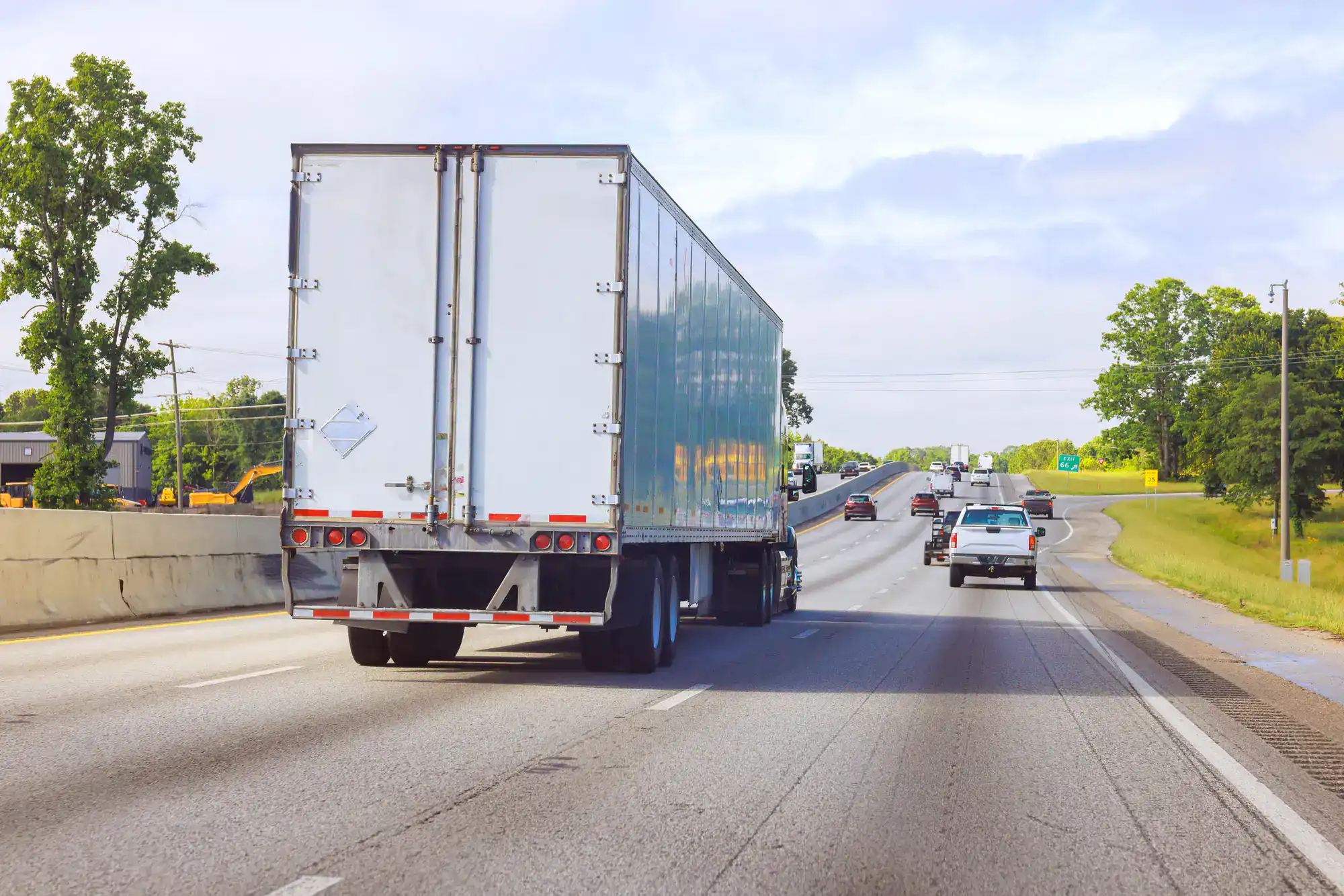
If your semi truck has a 2013 or newer diesel engine and weighs over 14,000 pounds GVWR, yes. CARB’s Clean Truck Check program requires OBD emissions testing every six months for these vehicles, regardless of where your truck is registered. Out-of-state trucks operating in California must comply with the same rules as California-registered vehicles.
The regulation went into effect October 1, 2024, and all compliance deadlines on or after January 1, 2025 require a passing test submission. If you’re running freight through California or operating here regularly, you’re subject to these requirements. CARB uses roadside emissions monitoring and automated license plate readers to identify high-emitting trucks, so enforcement is active and ongoing.
Missing your testing deadline means your truck can’t renew its DMV registration until you submit passing results. That’s a hard stop on legal operation until you fix the compliance issue.
Right now, you need testing every six months. That’s twice a year, and you have a 90-day window from your deadline to submit passing results to CARB. Starting October 2027, the frequency increases to four times per year—that’s quarterly testing for all 2013 and newer heavy-duty diesel trucks over 14,000 pounds GVWR.
The testing schedule is based on your vehicle’s compliance deadline, not your registration renewal date. CARB tracks this separately, so you need to stay on top of when your next test is due. If you miss a deadline, you risk DMV registration holds and potential fines that can reach $10,000 per vehicle per day for non-compliance.
Setting up a regular testing routine now makes the transition to quarterly testing easier. You’ll already have a process in place and won’t be scrambling to find testing locations or fit appointments into your schedule when the frequency increases.
If your truck fails, you’ll need to get the emissions issue repaired and then retest. The OBD test identifies problems with your truck’s emissions control systems, so a failure means something isn’t working correctly. You can’t just retest and hope for a different result—the underlying problem has to be fixed first.
Once repairs are complete, you come back for another test. If it passes, those results get submitted to CARB and your compliance status updates. You’re still responsible for meeting your original deadline, so don’t wait until the last minute to test. If you fail close to your deadline, you might not have enough time to repair and retest within the 90-day window.
Failed tests don’t get submitted to CARB—only passing results go into the database. That means a failure doesn’t hurt your compliance record, but it does mean you’re not compliant until you pass. And if your deadline passes without a passing test submission, you’re looking at registration holds and potential enforcement action.
You can get tested anywhere in California that offers CARB-certified heavy-duty vehicle compliance testing. It doesn’t have to be in Norco specifically. What matters is that the facility uses CARB-certified OBD testing devices and employs credentialed testers who’ve completed the state’s training program.
That said, using our Norco facility makes sense if you’re based here or run routes through the Inland Empire. You minimize travel time and can schedule testing around your operational needs instead of driving out of your way. Norco’s location near major freight corridors means you’re probably passing through regularly anyway.
Not every smog shop does heavy-duty compliance testing. Many focus on passenger vehicles and light-duty trucks. You need a facility that specifically handles 2013+ model year diesel trucks over 14,000 pounds GVWR, because the testing equipment and process are different from standard smog checks. Calling ahead to confirm they do Clean Truck Check testing saves you a wasted trip.
Testing costs vary by facility, so you’ll need to ask for specific pricing. What’s consistent across all providers is the annual compliance fee—$31.18 per vehicle, paid directly to CARB. That fee is separate from the testing service itself and covers your participation in the Clean Truck Check program.
The testing fee covers the OBD data collection, analysis, and submission of results to CARB’s database. You’re paying for certified equipment, a credentialed tester, and the administrative work of getting your results into the state system correctly. Some facilities charge per test, others might offer fleet pricing if you’re running multiple trucks.
What you’re really paying for is staying legal and avoiding much bigger costs. A $75,000 per day fine for non-compliance makes the testing fee look pretty reasonable. So does keeping your trucks on the road instead of grounded by a DMV registration hold. Factor testing into your regular operating costs, just like fuel and maintenance, because it’s not optional and the penalties for skipping it are severe.
Yes. If your truck operates in California, it must meet CARB compliance requirements regardless of where it’s registered. That includes out-of-state trucks running freight through California or making regular deliveries here. CARB’s authority extends to all heavy-duty vehicles operating within state borders, not just California-registered trucks.
This catches a lot of out-of-state operators off guard. You might be based in Nevada, Arizona, or Oregon, but if your routes take you through California, you’re subject to the same Clean Truck Check requirements as local fleets. CARB uses automated license plate readers and roadside monitoring to identify non-compliant vehicles, and they don’t make exceptions for out-of-state registration.
The testing and submission process is the same whether you’re registered in California or elsewhere. You need OBD emissions testing every six months, results submitted to CARB within 90 days of your deadline, and the annual compliance fee paid. If you’re running California routes regularly, factor this into your operational planning and budget. Ignoring it because you’re registered out of state doesn’t protect you from enforcement or fines.
Useful Links
Other Services we provide in Norco