Hear from Our Customers
Your trucks stay on the road. That’s what matters.
When you’re compliant with California’s Clean Truck Check program, the DMV doesn’t block your registration renewal. CARB doesn’t flag your vehicles during roadside inspections. You’re not scrambling to fix emissions problems in 30 days or facing operational bans.
You avoid fines that start at $10,000 per vehicle, per day and can climb to $75,000 daily for repeat violations. Those aren’t scare tactics—CARB collected over $21.5 million in citations in 2022 alone, pursuing more than 8,000 cases.
Compliance means your 2013 or newer heavy-duty trucks with a GVWR over 14,000 pounds pass their required OBD emissions testing. It means you submit passing tests within the 90-day window before your deadline. It means your business keeps moving without disruption.
The testing requirement kicked in October 1, 2024, with the first compliance deadlines starting January 1, 2025. Most vehicles need testing every six months. Miss it, and California stops your registration cold.
We focus exclusively on heavy-duty trucks—model year 2013 and newer—that require advanced OBD emissions testing for CARB compliance. We don’t test passenger cars. We don’t work on older trucks that fall outside the Clean Truck Check requirements.
Our testers are CARB credentialed, which means they’ve completed California Air Resources Board training, passed the exam with at least 80%, and maintain current certificates that renew every two years. We use CARB certified testing devices to scan your truck’s OBD data and submit results directly to the state.
Lake Elsinore and the broader Inland Empire have a massive trucking presence—592 trucking companies operate in this area alone. You’re running end dumps, transfers, construction equipment, or long-haul rigs through a state that handles 40% of U.S. imports and doesn’t mess around with emissions violations. We’re here because this market needs specialized CARB diesel compliance testing, not general automotive smog checks.

You bring your 2013 or newer heavy-duty truck to our Lake Elsinore location. We verify your vehicle qualifies—GVWR over 14,000 pounds, diesel or alternative fuel, OBD-equipped engine.
Our CARB credentialed tester connects a certified testing device to your truck’s OBD system. The device scans engine data, checks for emissions-related fault codes, and verifies your truck meets California’s standards. This isn’t a visual inspection or a tailpipe test—it’s a data scan of your engine’s onboard diagnostics.
If your truck passes, we submit the results electronically to CARB. You get documentation proving compliance. That passing test is valid for up to 90 days before your deadline, so you can plan ahead instead of waiting until the last minute.
If your truck doesn’t pass, you’ll know exactly what triggered the failure. You’ll need to get those issues repaired and come back for a retest. The state gives you 30 days to fix flagged emissions problems before enforcement action starts.
Most vehicles need this testing every six months. Agricultural vehicles and California-registered motorhomes only require annual testing. Starting in October 2027, the frequency increases to four times per year for OBD-equipped trucks.

Ready to get started?
California’s Clean Truck Check program applies to nearly all diesel and alternative fuel heavy-duty vehicles over 14,000 pounds GVWR that operate on public roads and highways. If your truck is model year 2013 or newer, it needs OBD emissions testing.
You’re required to pay an annual compliance fee—$31.18 per vehicle in 2025. You need passing emissions tests submitted on the state’s schedule, which for most trucks means every six months. You need to maintain your TRUCRS certificate status to avoid DMV registration holds.
Here’s what trips people up: CARB uses Remote Emissions Monitoring Devices and Automated License Plate Readers during roadside inspections at border crossings, ports, railyards, and throughout California. They’re actively looking for non-compliant trucks. When they find one, you have 30 days to fix it or your truck gets pulled from operation.
The Inland Empire sees heavy enforcement because of the concentration of logistics and transportation activity. Lake Elsinore sits right in the middle of major trucking routes serving Southern California’s import/export economy. Out-of-state operators get caught off guard—they don’t realize California’s regulations apply to any truck operating here, regardless of where it’s registered.
The health impact is real. Heavy-duty vehicles make up only 3% of California’s vehicles but create over half the smog-causing pollution and fine particulate matter. CARB estimates the Clean Truck Check program will prevent 7,500 air-quality related deaths and 6,000 hospitalizations through 2050, delivering $75 billion in health benefits. That’s why enforcement is aggressive and penalties are severe.
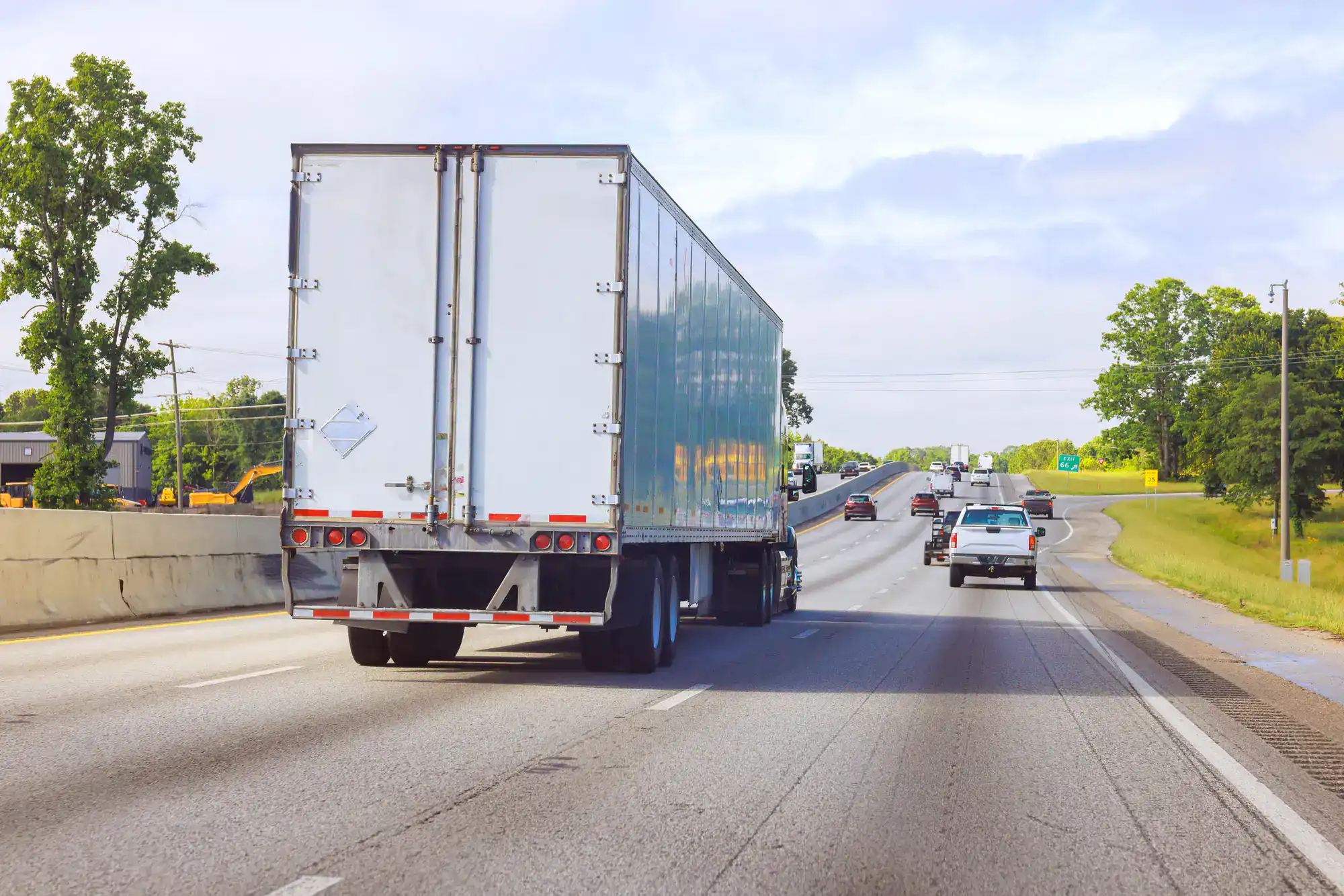
If your truck has a GVWR over 14,000 pounds, runs on diesel or alternative fuel, and operates on California public roads, yes—you need CARB compliance testing. The Clean Truck Check program became mandatory October 1, 2024.
The key qualifier for our service: your truck must be model year 2013 or newer. That’s when OBD-equipped engines became standard, which is what we test. Older trucks fall under different regulations and require different testing methods we don’t provide.
It doesn’t matter if your truck is registered out of state. If you’re operating in California, you’re subject to California emissions regulations. CARB enforces this at border crossings, ports, and during roadside inspections throughout the state. Out-of-state operators get cited regularly because they assume their home state registration exempts them. It doesn’t.
Most heavy-duty trucks need CARB emissions testing every six months starting with the first deadline on or after January 1, 2025. Your specific deadline depends on your vehicle’s last VIN digit and whether it’s registered in California or out of state.
Agricultural vehicles and California-registered motorhomes only require annual testing. But if you’re running commercial trucks, construction equipment, or long-haul rigs, plan on semi-annual testing.
Starting October 2027, the frequency increases. OBD-equipped vehicles will need testing four times per year. That’s a significant operational consideration—you’ll need to build compliance testing into your regular maintenance schedule or risk registration blocks and fines.
You can submit passing tests up to 90 days before your deadline. Use that window. Don’t wait until the last week and risk finding out your truck has emissions issues that need repair time.
You’ll get a detailed report showing exactly what triggered the failure—usually emissions-related fault codes in your truck’s OBD system. You’ll need to get those issues repaired by a qualified mechanic, then bring your truck back for retesting.
CARB gives you 30 days to fix flagged emissions problems. If you don’t resolve the issues within that window, your truck can be removed from operation in California. The DMV will also place a hold on your registration, blocking renewal until you achieve compliance.
The repair costs vary depending on what’s wrong. CARB estimates annual compliance costs—including inspections, repairs, and testing—range from $2,500 to $4,500 per vehicle. That doesn’t include lost revenue from downtime.
Here’s the important part: if CARB flags your truck during a roadside inspection and you ignore it, the fines start immediately. We’re talking $10,000 per vehicle, per day, compounding daily until you fix the problem. Get the repairs done and retest as quickly as possible.
Not at All SMOG Motors. We only test trucks that are model year 2013 or newer because our equipment and certification focus on OBD emissions testing for advanced diesel engines.
Trucks older than 2013 may still have CARB compliance requirements, but they fall under different testing protocols—typically opacity testing or other methods. You’ll need to find a facility that specializes in pre-2013 heavy-duty vehicle testing.
This isn’t us being picky. The Clean Truck Check program specifically requires OBD testing for 2013+ trucks because that’s when onboard diagnostic systems became standard. The testing equipment, the data collection, the submission process—it’s all designed around those newer systems.
If you’re running older equipment, you still need to verify your compliance obligations with CARB. The regulations are complex and vary based on vehicle type, weight, and use. But for testing itself, you’ll need a different provider.
Testing costs vary by provider, and we’re upfront about pricing when you call or visit. What you’re paying for is CARB credentialed testers using certified equipment to scan your truck’s OBD system and submit results to the state.
Beyond the testing fee itself, California charges an annual compliance fee of $31.18 per vehicle in 2025. That’s separate from the testing—it’s a state-mandated fee for participating in the Clean Truck Check program.
The real cost consideration isn’t the testing. It’s what happens if you skip it. Registration blocks mean your trucks sit idle. Fines of $10,000 per vehicle, per day, add up catastrophically fast. One week of non-compliance penalties costs more than years of regular testing.
Compare that to the operational value: keeping your trucks legal, avoiding downtime, preventing registration issues, and staying off CARB’s enforcement radar. The testing is a known, manageable expense. Non-compliance is a business-ending risk.
The TRUCRS certificate isn’t something you physically get from a testing facility. It’s a compliance status tracked electronically by CARB through their Truck Regulation Upload Compliance and Reporting System.
When you complete required emissions testing and pay your annual compliance fee, that information gets submitted to TRUCRS. Your compliance status updates in the state’s system. The DMV checks that system before allowing registration renewal.
What you’ll receive from us is documentation proving your truck passed emissions testing. That passing test gets reported to CARB, which updates your TRUCRS compliance status. You can verify your status through CARB’s online system using your VIN.
The critical thing to understand: TRUCRS compliance isn’t a one-time certificate you earn and forget about. It’s an ongoing status you maintain through regular testing and fee payment. Let it lapse, and the DMV blocks your registration immediately. There’s no grace period, no warning—just a hard stop on your ability to legally operate in California.
Useful Links
Other Services we provide in Lake Elsinore