Hear from Our Customers
You’re running a business, not a compliance department. But California doesn’t care how complicated CARB regulations are. Miss a test, fail an inspection, or let your compliance lapse, and you’re looking at registration holds that sideline your trucks and fines that start at $1,000 per day, per vehicle. Some violations hit $10,000 daily. That’s not a typo.
We test 2013 and newer diesel trucks over 14,000 pounds using CARB-certified equipment and credentialed testers. You get the Clean Truck Check certificate you need to keep your registration active and your trucks on the road. No guesswork. No surprises.
This matters because your truck sitting in a yard costs you twice. You’re not making money, and you’re still paying for it. We help you stay compliant so you can focus on what actually generates revenue.
We’re CARB-credentialed and based in El Sobrante, right off San Pablo Dam Road with easy access to I-80. We’ve been helping Bay Area fleets and owner-operators navigate California’s heavy-duty emissions requirements for over two years. Our testers are certified, our equipment meets CARB specifications, and we’ve completed the minimum 250 Clean Truck Checks required to maintain our credentials.
We’re not trying to be everything to everyone. We specialize in 2013 and newer heavy-duty trucks because that’s what CARB’s OBD testing program requires. If your truck is older or lighter, we’ll tell you upfront. We’d rather be honest than waste your time.
El Sobrante puts us in the middle of Contra Costa County’s trucking corridor. You’re not driving across the Bay to get tested. You’re getting it done close to where you operate.

You schedule an appointment or stop by with your 2013 or newer diesel truck over 14,000 pounds. We start with an OBD scan using CARB-certified diagnostic equipment. This checks your truck’s onboard computer for emission system faults, readiness monitors, and diagnostic trouble codes.
Next comes the visual inspection. We verify emission control components are present, properly connected, and not tampered with. If your truck requires an opacity test, we measure exhaust smoke density using equipment that meets SAE J1667 specifications. The whole process typically takes 30 to 45 minutes if everything checks out.
You either pass or you don’t. If you pass, you get your Clean Truck Check certificate on the spot. If you fail, we tell you exactly why and what needs fixing. You handle the repairs, then come back for a retest. Once you pass, your compliance is recorded with CARB and the DMV, and your registration stays clear.
Starting in October 2027, trucks with 2013 and newer engines will need testing four times per year instead of twice. That’s the regulation, not our rule. We’re just making sure you know what’s coming.
Ready to get started?
Right now, you’re paying $31.18 per year in CARB compliance fees. That went up from $30 in 2025. Testing costs vary: OBD scans run around $94, while opacity and visual inspections together cost closer to $180. Most trucks need testing twice a year currently, but that’s increasing to four times annually by late 2027 for newer engines.
If you fail, you’re paying for repairs plus a retest. The real cost isn’t the test itself. It’s what happens when you skip it. CARB can hold your DMV registration, which means your truck can’t legally operate in California. You’re not hauling loads. You’re not billing customers. And if you’re caught running non-compliant, those daily fines add up faster than most repair bills.
El Sobrante’s location near I-80 makes us accessible for fleets running Bay Area routes. You’re not burning half a day getting to a testing station. The annual compliance cost per truck, including inspections, repairs, and testing, typically runs $2,500 to $4,500. That’s the reality of operating heavy-duty diesels in California. We just make the testing part as straightforward as possible.
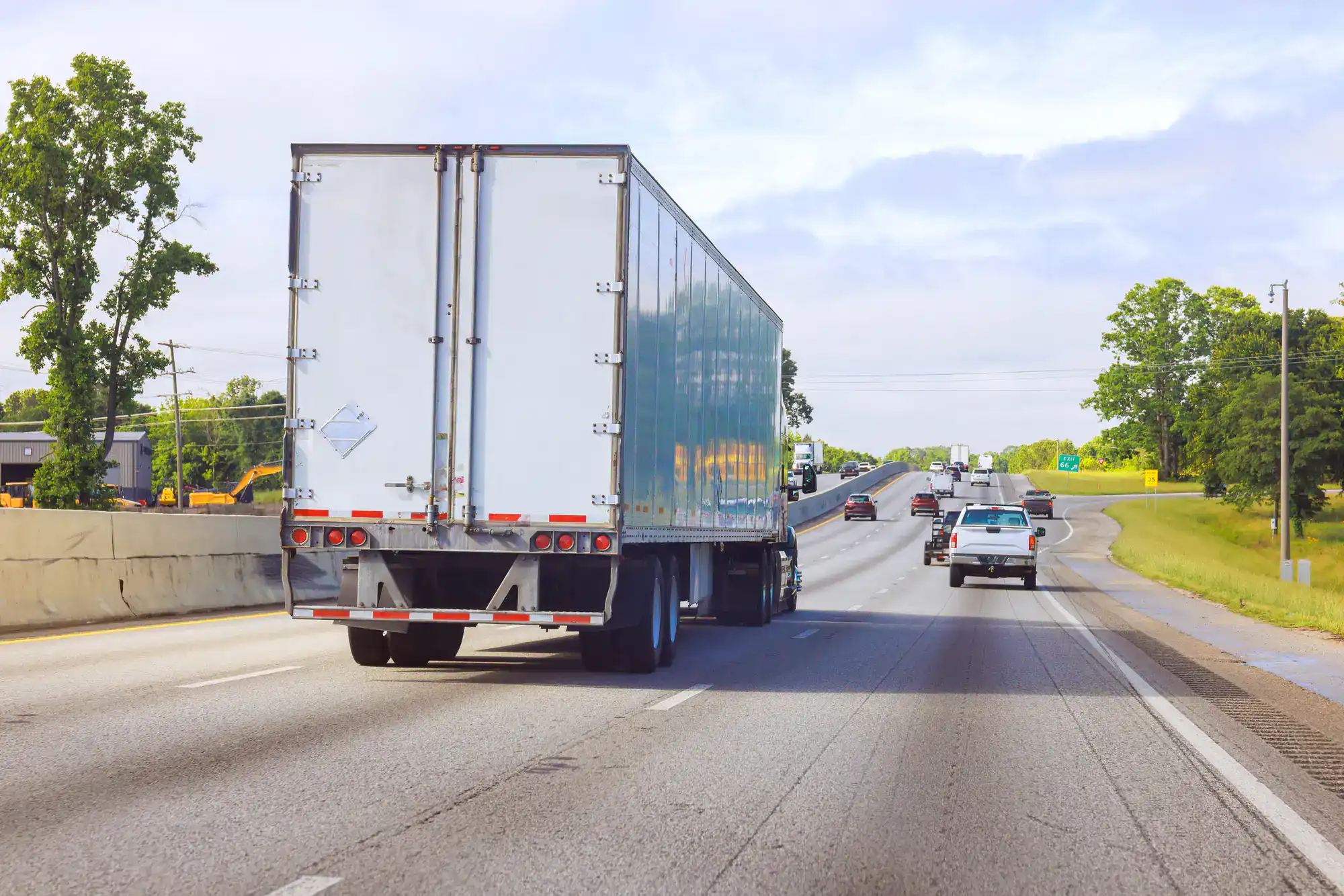
If your truck is model year 2013 or newer and has a gross vehicle weight rating over 14,000 pounds, yes. CARB’s Heavy-Duty Inspection and Maintenance program requires these trucks to undergo emissions testing. This applies whether you’re based in California or just passing through on interstate routes.
The testing requirement started January 1, 2025, and it’s not going away. Right now, most trucks need testing twice per year. Starting October 2027, trucks with 2013 and newer engines will need testing four times annually. The rules apply to commercial vehicles, not personal trucks under 14,000 pounds.
If your truck is older than 2013 or weighs less than 14,000 pounds, this program doesn’t apply to you. CARB’s focus is on newer heavy-duty diesels equipped with onboard diagnostic systems. We can’t test trucks outside those parameters because our certification is specific to the OBD-equipped heavy-duty category.
You get a detailed report explaining exactly why it failed. Common failures include diagnostic trouble codes in the emission system, missing or disconnected emission control components, or excessive exhaust opacity. You’ll need to get those issues repaired before you can retest.
CARB doesn’t care why your truck failed. They care that it gets fixed. You can take your truck to any qualified repair shop. Once repairs are done, you come back for a retest. If it passes, you get your Clean Truck Check certificate and your compliance is recorded with the state.
The bigger problem is timing. If your compliance lapses, CARB can place a registration hold with the DMV. That means you can’t renew your registration until you pass testing. Your truck is effectively grounded. And if you’re caught operating a non-compliant vehicle, you’re facing fines that start at $1,000 per day and can go much higher depending on the violation.
Plan on 30 to 45 minutes if your truck passes without issues. The OBD scan takes about 10 to 15 minutes. The visual inspection adds another 15 to 20 minutes. If your truck requires an opacity test, that’s an additional 10 minutes or so.
Delays happen if we find problems during the inspection. A diagnostic trouble code might require further investigation. A disconnected component needs documentation. If your truck fails, you’re not getting a certificate that day. You’ll need repairs first, then a retest.
Scheduling an appointment helps. Walk-ins are fine if we have capacity, but Bay Area fleets keep us busy, especially as compliance deadlines approach. The testing itself is straightforward. It’s the consequences of failing that take time and money. That’s why regular maintenance and staying on top of your testing schedule matters more than the 45 minutes you spend here.
Not from us. Our CARB certification covers 2013 and newer trucks over 14,000 pounds equipped with OBD systems. That’s what the Heavy-Duty Inspection and Maintenance program targets. Older trucks fall under different regulations, and we’re not certified to test them.
If your truck is model year 2012 or older, you’ll need to check whether other CARB programs apply to you. Some older heavy-duty trucks have different compliance requirements, but they’re not part of the Clean Truck Check program. We’d rather be upfront about what we can and can’t do than take your money for a service we’re not authorized to provide.
The 2013 cutoff isn’t arbitrary. That’s when EPA and CARB required heavy-duty diesel engines to include onboard diagnostic systems. Those OBD systems are what we test. Earlier trucks don’t have the same diagnostic capabilities, so they’re evaluated differently. If you’re unsure whether your truck qualifies, call us with your year, make, model, and GVWR. We’ll tell you right away.
OBD scans typically run around $94. If your truck needs opacity testing and a full visual inspection, you’re looking at closer to $180 total. The exact cost depends on what testing your specific truck requires. CARB also charges an annual compliance fee of $31.18 per vehicle, which is separate from the testing cost.
That’s just the testing. If your truck fails, you’re paying for repairs and then a retest. The real expense isn’t the test itself. It’s the downtime and lost revenue if your truck gets sidelined for non-compliance. A registration hold costs you every day your truck sits instead of hauling loads.
Most operators budget $2,500 to $4,500 per truck annually for total compliance costs, including testing, repairs, and fees. That’s reality in California. The testing frequency is increasing too. By October 2027, you’ll need testing four times per year instead of twice. More tests mean more cost, but it’s not optional. CARB sets the rules. We just make sure you meet them without unnecessary hassle.
Because CARB requires it. Only credentialed testers using certified equipment can perform Clean Truck Checks that count toward your compliance. A regular mechanic can fix your truck, but they can’t issue the certificate that keeps your registration clear and CARB off your back.
CARB credentialed testers complete specific training, pass an exam with at least 80 percent, and maintain current certifications that renew every two years. We’ve also completed the minimum 250 Clean Truck Checks required to stay credentialed. Our testing equipment meets CARB specifications, including opacity meters that conform to SAE J1667 standards.
This isn’t about making testing harder. It’s about making sure the testing is consistent and legitimate across California. CARB tracks every test, every result, and every certificate issued. If you try to skip the system or use an uncertified tester, it won’t show up in CARB’s database. That means your compliance doesn’t exist as far as the state is concerned, and you’re still facing registration holds and fines.
Useful Links
Other Services we provide in El Sobrante