Hear from Our Customers

You need your trucks on the road, not sitting in a yard waiting for DMV clearance. CARB’s Heavy-Duty Inspection and Maintenance program isn’t optional anymore—it’s enforced through registration holds that block your renewals until you’re compliant.
The penalties are real. CARB collected over $21.5 million in citations in 2022 alone. Fines range from $1,000 to $10,000 per vehicle per day for non-compliance. If you’re caught operating without a passing Clean Truck Check, you’re looking at potential penalties up to $75,000 per day depending on the violation.
We handle OBD emissions testing for diesel, alternative fuel, and hybrid trucks with 2013 or newer engines. Your test results get transmitted directly to CARB’s system. You get your trucrs certificate. Your registration stays active. You avoid the fines, the holds, and the headaches that come with falling behind on compliance.
We serve heavy-duty truck operators in Duarte, CA and throughout Los Angeles County. We’re CARB-credentialed testers who know the regulations inside and out—and we know you don’t have time to waste.
Duarte sits right in the heart of California’s trucking corridor. You’re dealing with tight delivery windows, fluctuating freight rates, and an industry that’s seen over 30 companies file bankruptcy since April 2024. The last thing you need is another regulatory burden eating into your operating budget.
We focus exclusively on 2013+ trucks over 14,000 pounds GVWR because that’s what the Clean Truck Check program requires. If your truck falls into that category, we can get you tested, compliant, and back on the road without the runaround.

First, you need to register your vehicle in the CTC-VIS system if you haven’t already. That’s California’s online portal for tracking Clean Truck Check compliance. You’ll pay the $30 annual compliance fee through that system—it’s separate from the actual testing.
Once you’re registered, you bring your truck to us for OBD testing. We plug into your truck’s onboard diagnostics system and run the emissions check. For 2013 and newer diesel engines, this is a straightforward electronic test that pulls data directly from your engine’s computer. We’re looking at NOx levels, particulate matter, and other emissions data to confirm your truck meets CARB’s standards.
If your truck passes, we submit the results directly to CARB through the CTC-VIS system. You’ll receive your trucrs certificate confirming compliance. That certificate keeps your DMV registration active and protects you from roadside enforcement penalties. Right now, testing is required semi-annually. By 2027, CARB is increasing that to four times per year for OBD-equipped vehicles, so staying on top of your schedule matters.
If your truck doesn’t pass, we’ll walk you through what’s flagged and what needs attention before you can retest.

Ready to get started?
California’s CARB diesel compliance program applies to roughly 1 million heavy-duty trucks and buses operating in the state. If your truck has a gross vehicle weight rating over 14,000 pounds and was built with a 2013 or newer engine, you’re in the program. That includes diesel, alternative fuel, and hybrid powertrains.
You’re required to complete semi-annual emissions testing right now. CARB transmits your compliance status to the DMV. If you’re not current, the DMV places a registration hold on your vehicle. You can’t renew your registration until you pass the test and clear the hold.
CARB also uses roadside monitoring devices to identify high emitters. If your truck gets flagged, you have 30 days to complete a Clean Truck Check. Miss that window and you’re facing penalties that start at $1,000 and scale up fast.
In Duarte and across LA County, enforcement is active. CARB isn’t issuing warnings—they’re issuing citations. The program went into full effect on October 1, 2024, and all compliance deadlines after January 1, 2025 require passing test results. You can’t delay this anymore.
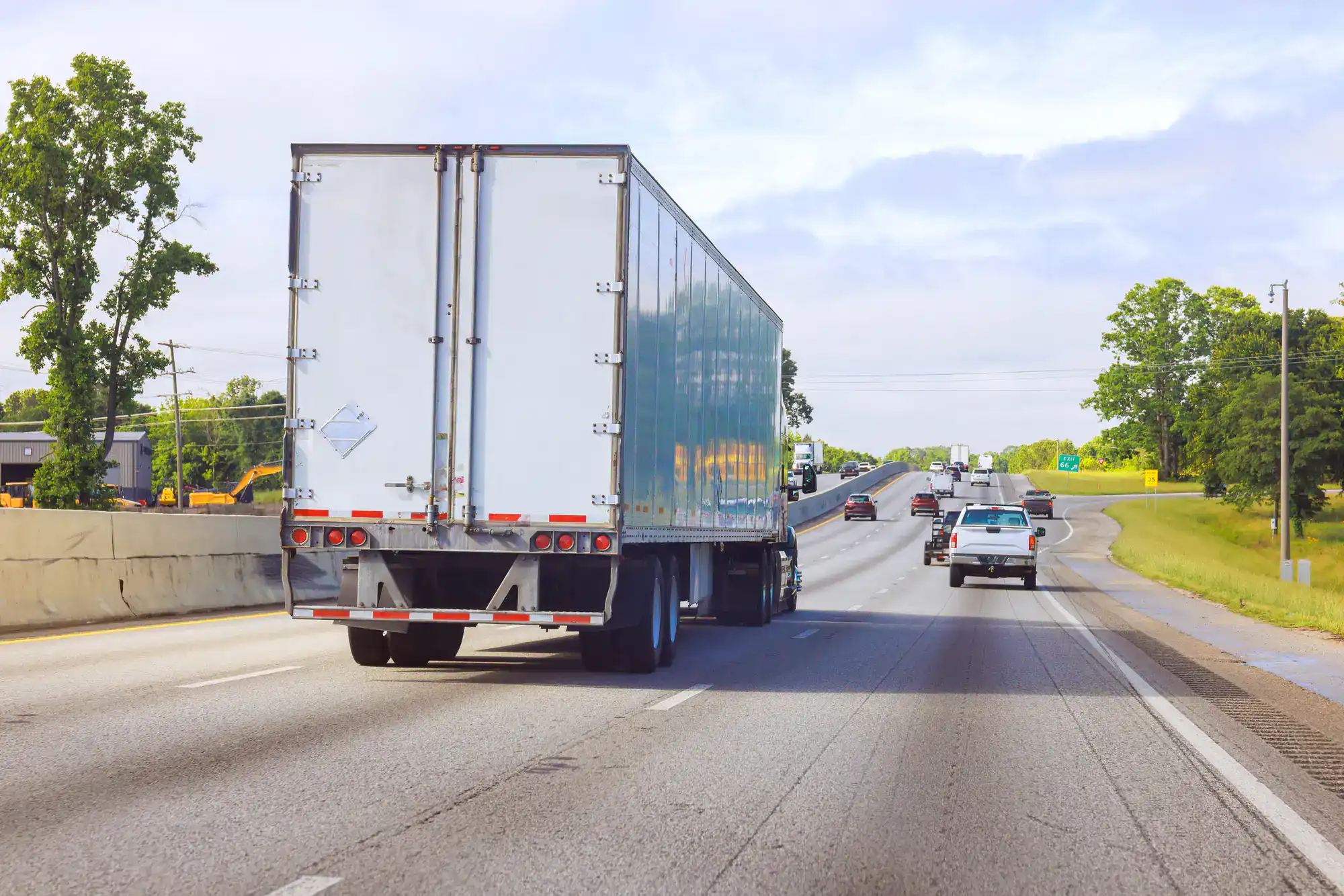
Any heavy-duty truck or bus with a gross vehicle weight rating over 14,000 pounds and a 2013 or newer engine must comply with CARB’s Clean Truck Check program. This includes diesel trucks, alternative fuel vehicles, and hybrids. The program covers roughly 1 million vehicles operating in California.
If your truck was originally built with a 2013+ engine, you’re in the program regardless of how old the chassis is. CARB looks at the engine model year, not the vehicle model year. So if you repowered an older truck with a 2013 or newer engine, you’re required to test.
The testing requirement is semi-annual right now, meaning twice per year. CARB is increasing that to four times per year by 2027 for OBD-equipped vehicles. You also need to register in the CTC-VIS system and pay the $30 annual compliance fee. If you skip testing or let your compliance lapse, the DMV will place a registration hold on your vehicle and you won’t be able to renew your registration until you’re current.
You’ll pay a $30 annual compliance fee directly to CARB through the CTC-VIS system. That fee is separate from the actual testing cost, which varies depending on where you get tested. The $30 fee is mandatory and goes toward administering the program.
Right now, you’re required to complete emissions testing twice per year—semi-annually. CARB is phasing in more frequent testing, and by 2027, trucks with OBD systems will need to test four times per year. That’s a significant increase, so staying on schedule matters.
If you miss a testing deadline, you’re not just paying for a late test. CARB can issue fines starting at $1,000 per vehicle per day for non-compliance. The DMV will also place a registration hold, which means you can’t renew your registration until you pass the test and clear the hold. If you’re caught operating a non-compliant truck, penalties can reach up to $10,000 per vehicle per day depending on the violation. CARB collected over $21.5 million in citations in 2022 alone, so enforcement is real and active.
If your truck fails the OBD emissions test, you’ll need to address whatever issue triggered the failure before you can retest. Common reasons for failure include malfunctioning emissions control systems, faulty sensors, or engine issues that cause your truck to exceed CARB’s NOx or particulate matter limits.
We’ll give you a breakdown of what failed so you know exactly what needs repair. You’ll need to get the issue fixed—whether that’s replacing a sensor, repairing a diesel particulate filter, or addressing an engine problem—and then come back for a retest. You can’t operate the truck legally in California until it passes.
CARB gives you a limited window to address failures. If your truck was flagged during roadside monitoring, you have 30 days to complete a passing test. Miss that deadline and you’re facing penalties that start at $1,000 and go up from there. If your registration is coming up for renewal and you haven’t passed, the DMV will block your renewal until you’re compliant. You can’t just ignore a failed test and hope it goes away—CARB tracks everything through the CTC-VIS system and the DMV enforces compliance through registration holds.
Yes. CTC-VIS is California’s online system for tracking Clean Truck Check compliance. You need to register your vehicle in the system and pay the $30 annual compliance fee before you can complete your emissions test. Registration is required for every truck that falls under the program—2013+ engines with a GVWR over 14,000 pounds.
The registration process is straightforward but it’s a separate step from the actual testing. You’ll create an account, enter your vehicle information, and pay the fee. Once you’re registered, your compliance status gets tracked in the system and transmitted to the DMV.
If you skip CTC-VIS registration, your test results won’t be recorded properly and you won’t get credit for compliance. That means the DMV won’t see you as current, and you’ll still face registration holds even if you completed the physical test. CARB and the DMV are fully integrated on this—there’s no workaround. You need to be in the system, pay the fee, and complete your testing on schedule to stay compliant and keep your registration active.
No. Regular smog check stations that test passenger cars aren’t equipped or certified to perform Clean Truck Check testing for heavy-duty vehicles. You need a CARB-credentialed tester who’s specifically authorized to conduct OBD emissions testing on trucks over 14,000 pounds GVWR with 2013+ engines.
CARB-credentialed testers have specialized equipment and training to handle heavy-duty diesel emissions testing. The OBD test for a semi truck is different from a standard smog check. We’re pulling data directly from your truck’s engine computer and transmitting results to CARB’s CTC-VIS system in real time.
If you go to a regular smog station, they’ll turn you away. You’re wasting time and risking missed deadlines. Make sure the facility you’re using is certified for Clean Truck Check testing before you show up. We’re credentialed and equipped to handle 2013+ heavy-duty trucks in Duarte and throughout LA County. We submit results directly to CARB so your compliance status updates immediately and your registration stays clear.
CARB’s penalties for non-compliance are steep and enforced aggressively. If you’re operating a truck that’s required to be in the program but hasn’t completed testing, you’re looking at fines starting at $1,000 per vehicle per day. Depending on the violation, penalties can reach up to $10,000 per vehicle per day. In extreme cases, fines can go as high as $75,000 per day.
CARB collected over $21.5 million in citations in 2022 alone, so enforcement isn’t theoretical—it’s happening. CARB uses roadside monitoring devices to identify high emitters. If your truck gets flagged, you have 30 days to complete a passing Clean Truck Check. Miss that deadline and you’re facing immediate penalties.
The DMV also enforces compliance through registration holds. If you’re not current on testing, the DMV blocks your registration renewal. You can’t legally operate the truck until you pass the test and clear the hold. That means your truck sits, you lose revenue, and you’re scrambling to get compliant while facing potential daily fines. The program went into full enforcement on October 1, 2024, and all deadlines after January 1, 2025 require passing tests. There’s no grace period anymore. You either stay compliant or you pay the price.
Useful Links
Other Services we provide in Duarte