Hear from Our Customers
Your truck stays on the road when you stay compliant. California Highway Patrol and CARB are enforcing these regulations, and non-compliance means your registration gets blocked at renewal.
You can’t afford to have your truck pulled from service or denied entry into California. The compliance fee is $32.13 for 2026, adjusted annually. The real cost is what happens when you skip it—fines up to $25,000 per violation in some cases, plus the lost revenue while your truck sits idle.
We test trucks that are model year 2013 or newer with a GVWR over 14,000 pounds. If your truck qualifies, you need this done. You can submit a passing test up to 90 days before your deadline, which gives you flexibility to plan around your schedule instead of scrambling at the last minute.
We operate in Desert Palms, CA with CARB credentialed testers who completed the required training and passed the state exam. Our credentials get renewed every two years, which means we stay current on testing protocols and regulatory changes.
Desert Palms sees significant heavy-duty truck traffic—construction equipment, flatbed haulers, logistics fleets. You’re running tight schedules through this area, and you need testing done right the first time. We focus specifically on the Clean Truck Check program for heavy-duty vehicles, not just standard passenger car smog checks.
This isn’t about upselling you services you don’t need. You came here because you have a compliance deadline, and we handle that specific requirement for trucks that meet the state’s criteria.

You bring your truck in, and we connect to the OBD system to run the emissions compliance test. This applies to model year 2013 and newer trucks because those vehicles have the onboard diagnostics required for this type of testing.
The test checks whether your emissions control systems are working properly. If everything passes, you get your TRUCRS certificate, which proves compliance. You’ll need that certificate to complete your annual compliance fee payment and keep your registration current.
If something fails, you’ll know what needs repair. Once repairs are done, you come back for a retest. The state gives you 30 days to submit a passing test after you receive a Notice to Submit to Testing, so timing matters.
Testing frequency increases over time. It’s once in 2024, twice in 2025, then four times per year within three years. That means you’ll be coming back regularly, and it’s worth finding a shop you can rely on for consistent service.
Ready to get started?
You get OBD emissions testing performed by a CARB credentialed tester. We verify your truck’s emissions control systems meet state requirements, and if you pass, you receive your TRUCRS certificate on the spot.
This service is specific to heavy-duty trucks operating in California—roughly 1 million trucks and buses statewide fall under this program. In Desert Palms, you’re likely running through California regularly, whether you’re based here or coming through from out of state. Either way, if you operate here, you comply here.
The program exists because California is targeting an 82-ton-per-day reduction in NOx and fine particle pollution by 2037. The state estimates $75 billion in health benefits and prevention of 7,500 air-quality-related deaths from 2023 to 2050. You might not care about those numbers, but you do care about staying legal and operational.
We don’t test trucks under 14,000 lbs GVWR or older than model year 2013. Those vehicles aren’t part of this program. If your truck doesn’t meet those specs, this service doesn’t apply to you.
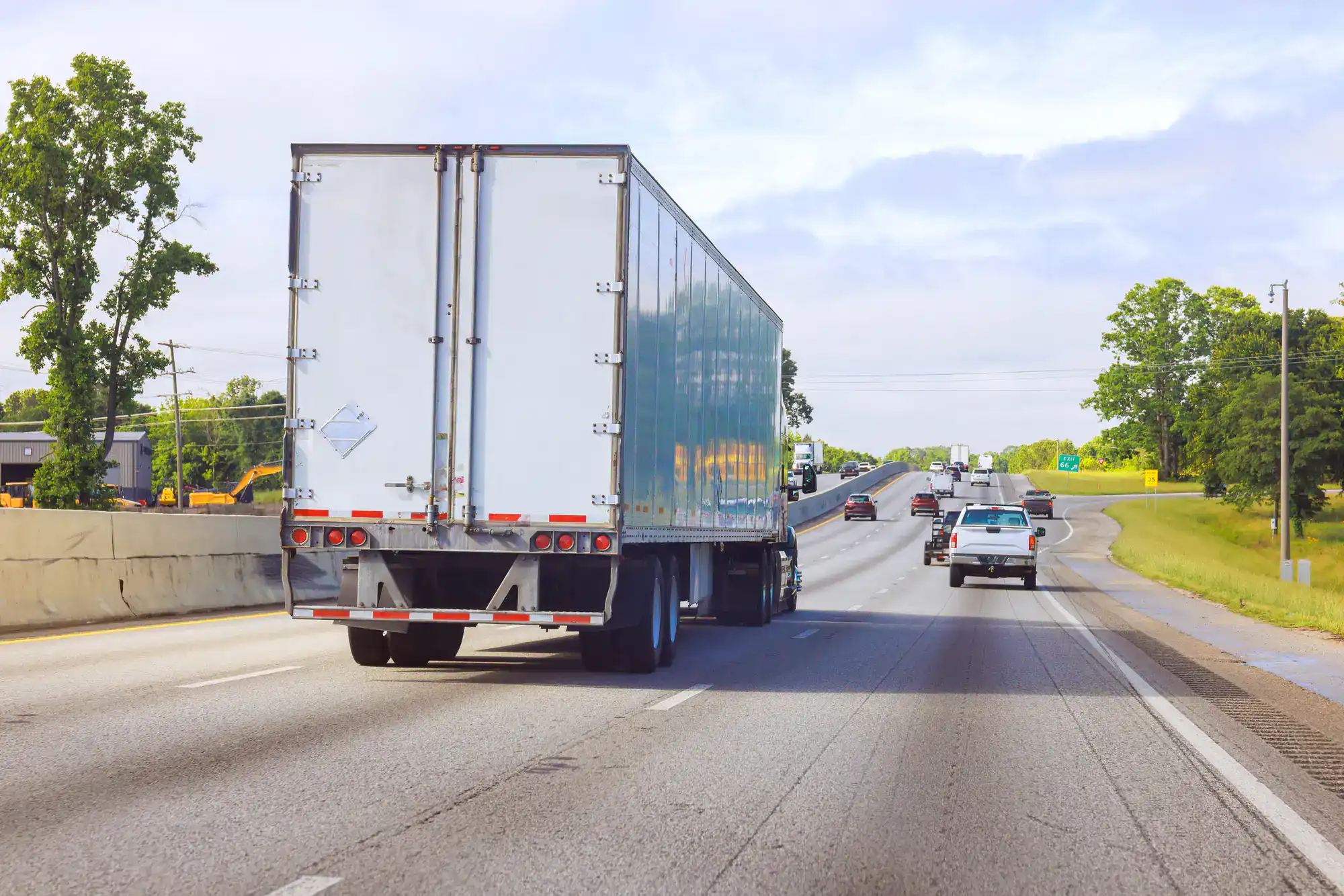
Trucks with a GVWR over 14,000 pounds and model year 2013 or newer must comply. This includes semi trucks, heavy-duty pickups, construction equipment, and commercial fleet vehicles that meet those specifications.
The requirement started January 1, 2024, and applies to any qualifying truck operating in California, regardless of where it’s registered. If you’re an out-of-state operator running loads through California, you still need to comply.
Lighter trucks and older model years aren’t part of this program. The 2013 cutoff exists because that’s when OBD systems became standard on heavy-duty vehicles, which is what the state uses for emissions testing.
Testing started once per year in 2024. It increases to twice per year in 2025, then jumps to four times per year within three years.
Your testing deadline ties to your DMV registration expiration date. You can submit a passing test up to 90 days before that deadline, which gives you some scheduling flexibility.
If you receive a Notice to Submit to Testing, you have 30 days to complete and submit a passing test. Missing that window can result in registration blocks and enforcement action, so don’t wait until the last day.
You’ll get a report showing what failed. Usually it’s an issue with the emissions control system—could be a sensor, a DPF problem, or something with the SCR system.
You’ll need to get the repairs done, then come back for a retest. The state doesn’t issue your TRUCRS certificate until you pass, and without that certificate, you can’t complete your compliance fee payment or maintain your registration.
If you’re close to your deadline, get the repairs done quickly. The 30-day window after a Notice to Submit to Testing doesn’t pause while you’re fixing things. Plan ahead if you suspect your truck might have issues.
The state’s annual compliance fee is $32.13 for 2026, and it adjusts each year based on the California Consumer Price Index. That fee goes to the state, not to the testing facility.
Testing costs vary by provider. You’re paying for the OBD test itself, which requires specialized equipment and a CARB credentialed tester. Some shops charge more, some less—it depends on their overhead and service model.
The bigger cost is non-compliance. Registration blocks mean your truck can’t legally operate. Fines can reach $25,000 per violation in some jurisdictions. Lost revenue from downtime adds up fast when you’re running a commercial operation.
Yes. The requirement applies to any qualifying truck operating in California, regardless of registration state. If you’re running loads through California, you need to comply with California’s regulations.
You’ll still need to submit your passing test results and pay the annual compliance fee through the CARB registration database. The TRUCRS certificate proves compliance no matter where your truck is registered.
Out-of-state operators sometimes don’t realize this requirement exists until they get pulled over or receive a notice. Don’t wait for enforcement action. If you operate in California regularly, get tested before it becomes a problem.
Regular smog checks apply to passenger vehicles and lighter trucks. CARB compliance testing—officially called the Clean Truck Check program—is specifically for heavy-duty trucks over 14,000 lbs GVWR, model year 2013 and newer.
The testing method is different too. Heavy-duty compliance uses OBD testing to check emissions control systems. Traditional smog checks often use tailpipe testing or other methods depending on the vehicle type and age.
Not every smog shop can perform CARB compliance testing for heavy-duty trucks. You need a facility with CARB credentialed testers who completed the specific training for this program. That’s a smaller subset of providers compared to standard smog check stations.
Useful Links
Other Services we provide in Desert Palms