Hear from Our Customers
Your truck isn’t compliant until it passes a CARB certified smog check. That’s not a suggestion from the state—it’s a requirement that comes with real consequences if you ignore it.
Non-compliant trucks face fines up to $10,000 per vehicle per day. The DMV can place a registration hold on your vehicle, which means you can’t renew until you’re compliant. You’re also risking roadside enforcement, where CARB uses automated license plate readers and monitoring devices to flag potential violations.
Getting your TRUCRS certificate through proper CARB diesel compliance testing means you can operate legally, renew your registration, and avoid the kind of penalties that can cripple a small fleet or independent operation. You’re not just checking a box. You’re protecting your ability to do business in California.
We focus exclusively on CARB compliance for 2013 and newer heavy-duty trucks with a GVWR over 14,000 pounds. That’s it. We’re not trying to be everything to everyone.
We’re located in Covina, serving the Los Angeles County trucking community where California’s ports handle nearly 40% of U.S. imports. That means compliance isn’t optional here—it’s built into the cost of doing business. We use California Air Resources Board certified OBD testing devices to scan your engine’s data and verify emissions compliance according to state standards.
You’re dealing with a testing facility that understands the regulations, the equipment, and the stakes. We’re licensed, credentialed, and focused on getting your trucks tested correctly the first time.

You bring your 2013 or newer heavy-duty truck to our Covina location. We’re testing trucks with OBD-equipped diesel engines—vehicles that fall under California’s Clean Truck Check program requirements.
We connect CARB certified testing equipment to your truck’s OBD system and scan the engine data. This isn’t a visual inspection or a basic code reader. We’re pulling emissions data directly from your engine’s computer and verifying it meets California Air Resources Board standards for NOx and particulate matter emissions.
If your truck passes, you get your TRUCRS certificate. That certificate proves compliance and allows you to renew your registration with the DMV. If there’s an issue, we’ll tell you exactly what flagged and what needs to happen next. Most tests take under an hour, assuming your truck’s systems are functioning properly and there are no existing fault codes that would trigger a failure.
Ready to get started?
Right now, most heavy-duty trucks need testing every six months. Starting in October 2027, CARB is moving 2013 and newer OBD-equipped vehicles to quarterly testing. That’s four times a year instead of two.
Your truck qualifies for this service if it’s model year 2013 or newer and has a GVWR over 14,000 pounds. Older trucks or lighter vehicles don’t fall under this specific testing requirement. This is about OBD-equipped diesel engines that California regulates under the heavy-duty vehicle compliance program.
Covina sits in the heart of Los Angeles County’s commercial trucking corridor. You’re operating in an area with heavy enforcement and high visibility. CARB isn’t just waiting for annual renewals—they’re using roadside monitoring and automated plate readers to catch non-compliant vehicles in real time. Getting tested on schedule isn’t just about avoiding fines. It’s about staying operational in a market where compliance is actively monitored and enforced.
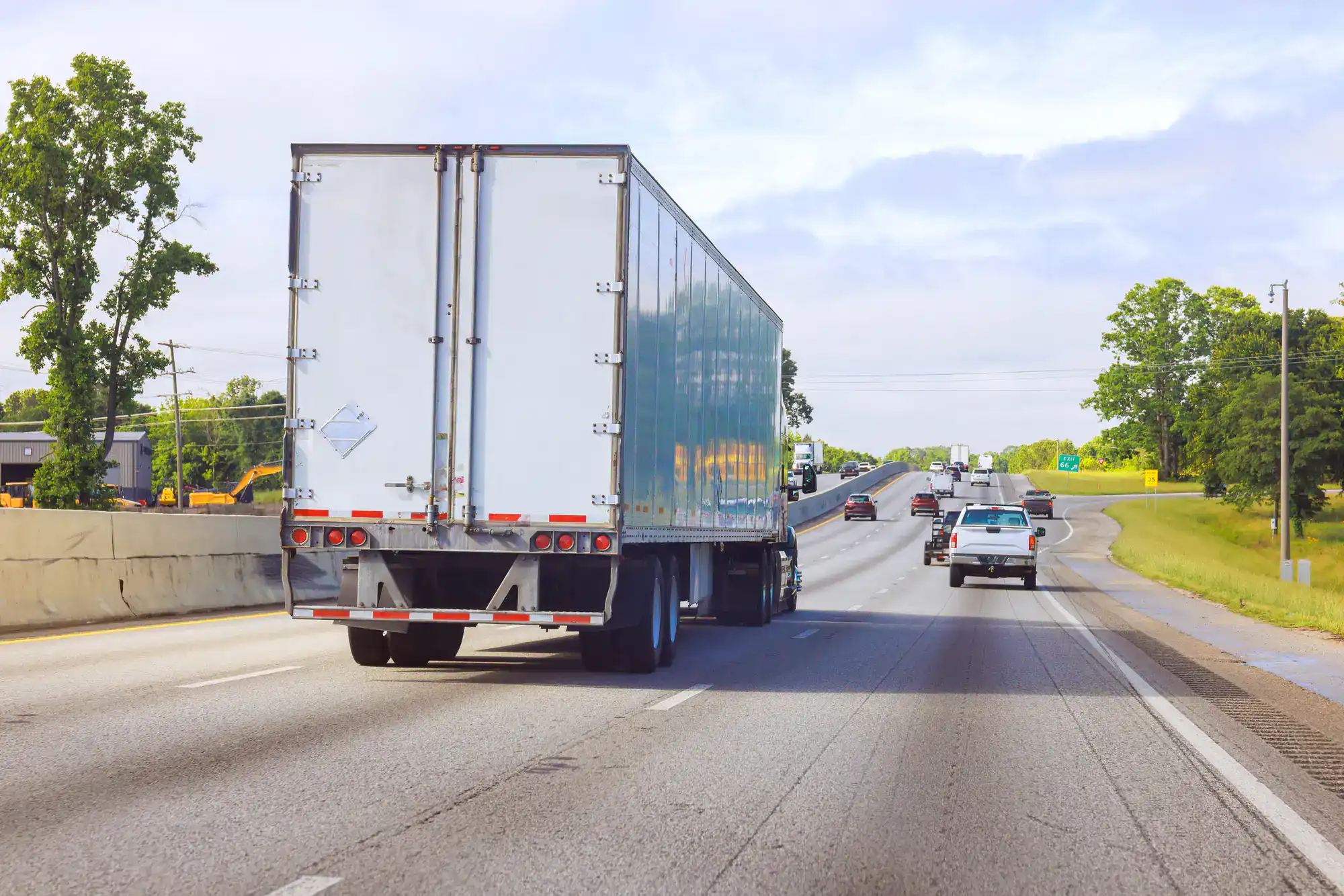
Testing costs vary depending on the facility and your specific vehicle, but you’re typically looking at a few hundred dollars per test. That might feel steep until you compare it to the alternative.
A single day of non-compliance can cost you $10,000 in fines per vehicle. If you’re running multiple trucks and you miss testing deadlines, those penalties stack fast. Add in the cost of a registration hold—where your truck is essentially grounded until you’re compliant—and the real expense isn’t the test. It’s what happens when you skip it.
Independent operators and small fleets feel this the hardest. You’re already managing tight margins, and retrofit costs or consultant fees can add up. But the testing itself is a predictable expense you can budget for. It’s the penalties and downtime that wreck your cash flow.
If your truck fails, you’re not getting your TRUCRS certificate until the issue is resolved. That means you can’t legally operate the vehicle on California roads, and the DMV won’t process your registration renewal.
The test results will show you exactly what triggered the failure—usually fault codes related to emissions system malfunctions or data that’s out of range for NOx or particulate matter. You’ll need to get the underlying issue repaired, then bring the truck back for a retest.
This is where things get expensive if you’re not prepared. Depending on what failed, you could be looking at sensor replacements, DPF cleaning, or more involved emissions system repairs. We can tell you what flagged, but you’ll need a qualified diesel mechanic to fix it. Once repairs are done, you retest and get your certificate if everything checks out.
Yes. The testing requirement isn’t based on how often you drive. It’s based on your vehicle’s registration and classification.
If your truck is model year 2013 or newer with a GVWR over 14,000 pounds, and it’s registered in California, you need to comply with CARB emissions testing on the required schedule. That’s currently every six months, moving to quarterly testing in October 2027 for OBD-equipped vehicles.
Even if your truck sits most of the year, California still requires proof of compliance to maintain your registration. The DMV will place a hold if you’re not current, which means you can’t renew until you get tested and pass. CARB enforcement doesn’t distinguish between full-time commercial operators and occasional users. The regulation applies to the vehicle, not how you use it.
Most tests take 30 to 60 minutes if your truck’s systems are working properly and there are no existing fault codes. The actual OBD data scan is quick—it’s the setup, verification, and documentation that take time.
You’re not just plugging in a code reader. The testing equipment has to communicate with your truck’s engine computer, pull emissions data, and verify it against California Air Resources Board standards. If there are communication errors, incomplete readiness monitors, or active fault codes, the process takes longer because those issues need to be addressed before testing can proceed.
If you’re managing a fleet, plan for about an hour per truck and schedule accordingly. Testing facilities in Covina and the surrounding Los Angeles County area see high volume, especially as deadlines approach. Booking ahead reduces your downtime and keeps your trucks generating revenue instead of sitting in a queue.
No. You need a facility that’s licensed and equipped to perform CARB certified smog checks on heavy-duty vehicles. Not every smog shop can test trucks over 14,000 pounds with OBD systems.
The testing requires California Air Resources Board certified equipment and technicians who are credentialed to perform heavy-duty emissions testing. Light-duty smog stations that test passenger cars don’t have the equipment or authorization to test your semi truck.
We’re set up specifically for 2013 and newer heavy-duty trucks. We’re not a general smog shop trying to handle everything. We focus on OBD-equipped commercial vehicles that fall under the Clean Truck Check program. If you’re operating in Los Angeles County, you need a facility that knows the regulations, has the right equipment, and can get you tested correctly without wasting your time.
A TRUCRS certificate is specific to California’s heavy-duty vehicle compliance program. It’s what you get when your truck passes CARB emissions testing and proves it meets state standards for NOx and particulate matter.
Regular smog certificates are for light-duty vehicles—passenger cars and smaller trucks under 14,000 pounds. Those tests use different equipment and different standards. Your semi truck doesn’t qualify for a standard smog check because it’s regulated under a completely different program.
The TRUCRS certificate is what the DMV looks for when you renew your registration. It’s also what CARB enforcement checks during roadside inspections. Without it, your truck isn’t compliant, and you’re risking fines and registration holds. This isn’t interchangeable with other types of emissions testing. You need the specific certificate that matches your vehicle’s classification and weight.
Useful Links
Other Services we provide in Covina