Hear from Our Customers
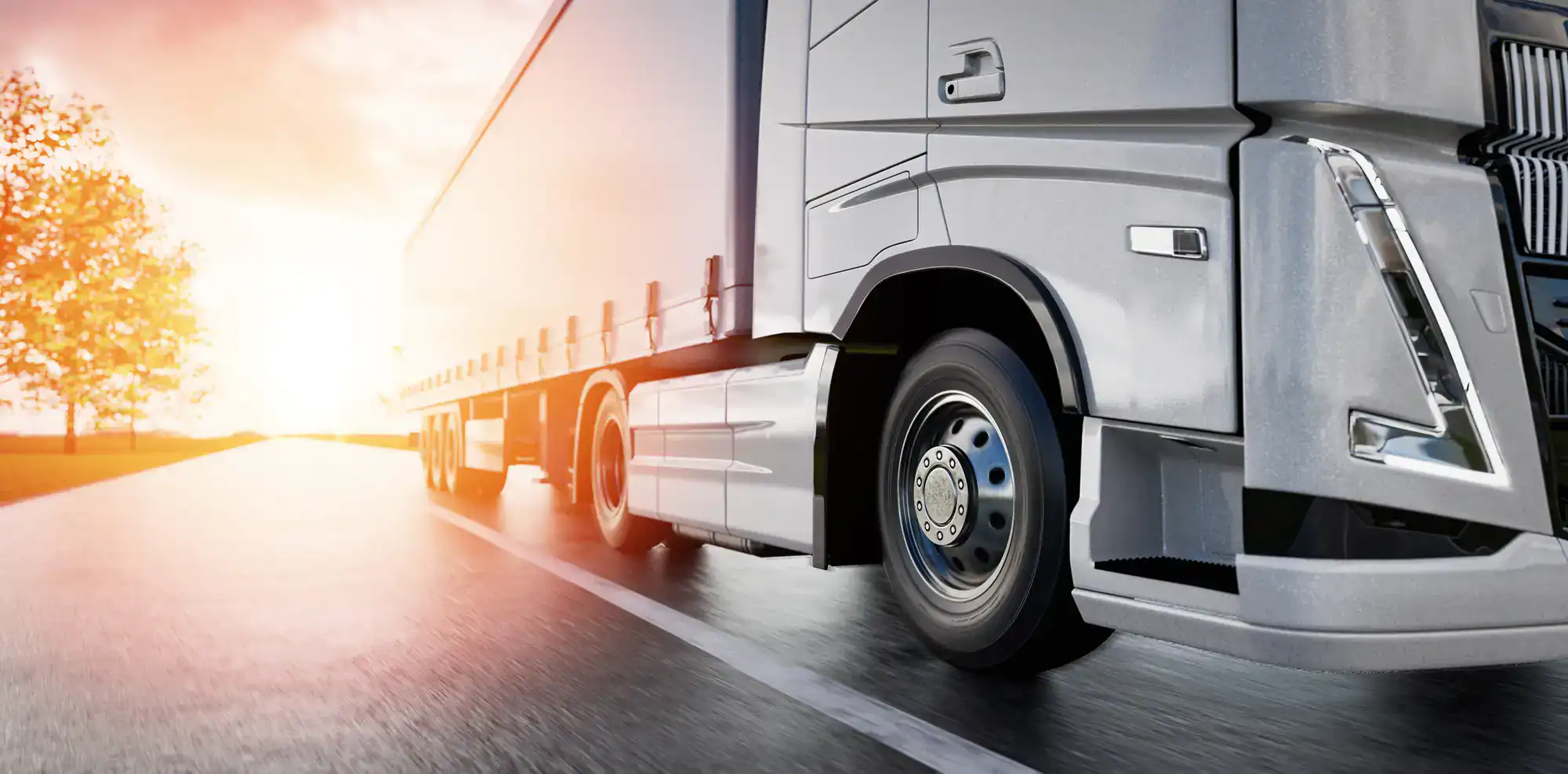
You’re running a tight operation. The last thing you need is a truck sitting idle because California’s Clean Truck Check program flagged it, or worse—a five-figure fine showing up because someone missed a testing deadline.
If you operate heavy-duty diesel trucks in California, CARB compliance isn’t optional. It’s the law. And it applies specifically to vehicles that are model year 2013 or newer with a gross vehicle weight rating over 14,000 pounds.
That means semi-annual testing, annual fee payments, and proper registration in the state’s system. Miss any of it, and the DMV can block your registration. Enforcement can pull you off the road. Your delivery schedules get wrecked, and your customers start asking questions you don’t want to answer.
We handle the testing side so you can focus on what actually makes you money. You get certified OBD testing from a CARB credentialed facility, results submitted on time, and documentation that keeps your fleet compliant. No surprises. No downtime you didn’t plan for.
We operate right here in Cathedral City, CA, where Interstate 10 and Highway 111 bring constant commercial traffic through the Coachella Valley. We’re not a passenger car shop trying to figure out heavy-duty diesel on the side.
We’re credentialed by CARB to perform the exact testing your trucks need—OBD diagnostics for 2013 and newer diesel engines, smoke opacity checks, and visual inspections. We use state-approved equipment, follow the protocols, and submit results directly into the system.
Cathedral City sits in the middle of major freight corridors connecting Los Angeles, Phoenix, and beyond. You’re moving goods through one of the most regulated states in the country. We’re here because this market needs a local option that understands the stakes and doesn’t waste your time.

You schedule your truck for testing based on your compliance deadline. California requires semi-annual testing for most qualifying vehicles, and you can submit results up to 90 days before your due date. That window matters—it gives you time to handle repairs if something comes back flagged.
When you arrive, we connect CARB-approved diagnostic equipment to your truck’s onboard system. For 2013 and newer diesel engines, that’s an OBD test. We’re checking emissions data, fault codes, and system readiness. If your truck is older but still over 14,000 pounds, we perform smoke opacity testing and visual inspections based on what the program requires.
Once testing is complete, results go directly into CARB’s Clean Truck Check Vehicle Information System. You get documentation showing your truck passed, and that data links to your vehicle’s registration. If there’s an issue, we’ll tell you exactly what needs attention before your deadline hits.
You also need to pay the annual compliance fee—$31.18 for 2025—and make sure your vehicle is properly reported in the system. We can walk you through that process if you’re handling it yourself, or point you toward resources that help fleets manage multiple vehicles at once.

Ready to get started?
This isn’t a generic smog test. It’s compliance testing designed specifically for California’s Clean Truck Check program, and it only applies to trucks that meet two criteria: model year 2013 or newer, and gross vehicle weight rating over 14,000 pounds.
You’re getting OBD emissions testing performed by a CARB credentialed technician using certified diagnostic equipment. We pull data directly from your truck’s computer, check for fault codes, verify emission control systems are functioning, and confirm readiness monitors are set. If your truck has a diesel particulate filter, exhaust gas recirculation system, or selective catalytic reduction, we’re checking that it’s doing what California expects.
Cathedral City and the surrounding Coachella Valley see heavy commercial truck traffic year-round. You’re competing with fleets that run tight margins, and California’s regulations aren’t getting looser. Starting in October 2027, testing frequency increases to quarterly for 2013 and newer trucks. That’s four times a year instead of two. The cost of non-compliance keeps climbing, and the state isn’t issuing warnings—they’re issuing fines.
We also know the local landscape. Riverside County enforcement is active on I-10, and Cathedral City’s location makes it a natural checkpoint for trucks moving between metro areas and desert routes. You don’t want to be the operator who gets pulled over with an expired compliance status.
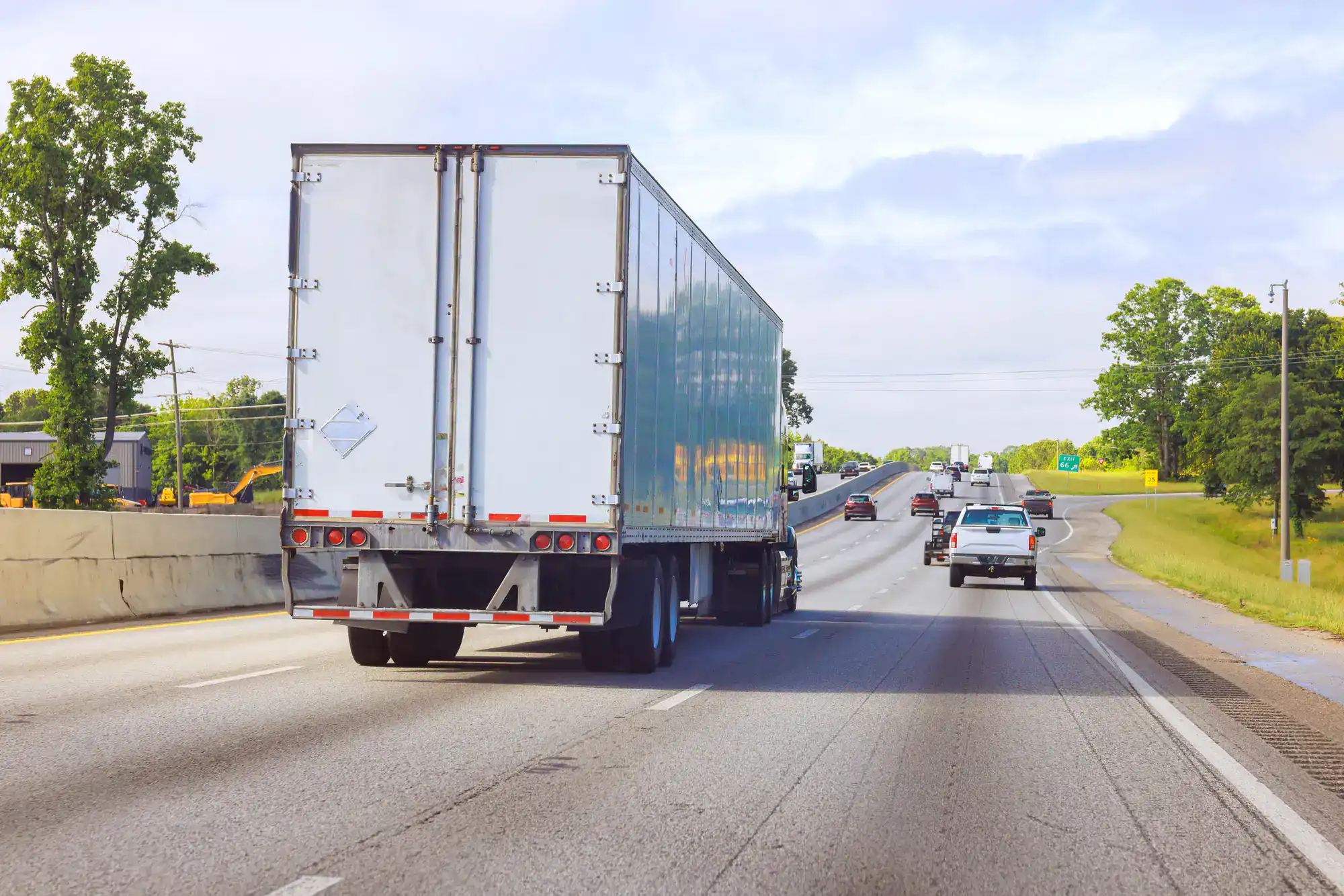
Yes, if you operate in California. The Clean Truck Check program applies to any heavy-duty vehicle over 14,000 pounds GVWR, model year 2013 or newer, that drives on California public roads—regardless of where it’s registered.
That means if you’re an out-of-state carrier running loads through California, your trucks still need to comply. You’ll need to register your vehicles in CARB’s system, complete semi-annual testing, and pay the annual compliance fee. California doesn’t exempt interstate operators.
Enforcement can stop your truck, check compliance status, and issue citations if you’re not current. The fines start at $1,000 and can go as high as $10,000 per vehicle per day for repeated violations. If you run regular routes through California, it’s worth setting up compliance before you get flagged.
Right now, most qualifying trucks need testing twice a year—that’s semi-annual. Your specific deadline depends on your vehicle’s registration and when it was last tested, but the state gives you a 90-day window before your due date to complete testing and submit results.
Starting in October 2027, the frequency increases. If your truck is model year 2013 or newer, you’ll need quarterly testing—four times per year instead of two. That change is already written into the regulations, so it’s coming whether fleets are ready or not.
The testing requirement is separate from the annual compliance fee. You pay the fee once a year, but testing happens multiple times depending on your truck’s age and the current program rules. Missing a testing deadline can trigger a registration hold, which means your truck can’t legally operate until you’re back in compliance.
You’ll need to get it repaired and retested before your compliance deadline. The test results will show exactly what triggered the failure—usually it’s a fault code, a malfunctioning emissions control component, or readiness monitors that aren’t set.
California gives you time to handle repairs if you test early. That’s why the 90-day submission window exists. If you wait until the last minute and fail, you’re racing the clock to fix the issue, get retested, and submit passing results before the DMV blocks your registration.
Common failure points include diesel particulate filters that aren’t regenerating properly, EGR systems throwing codes, or SCR components that need replacement. You’ll need to take your truck to a qualified repair shop, get the work done, and bring it back for another test. Some repairs are quick. Others aren’t. Plan accordingly.
Not through this specific program. The Clean Truck Check requirements apply only to heavy-duty vehicles with a gross vehicle weight rating over 14,000 pounds that are model year 2013 or newer with diesel engines. If your truck doesn’t meet both criteria, this testing doesn’t apply to you.
Older trucks and lighter vehicles may still have other California emissions requirements depending on their classification, but they’re not part of the Clean Truck Check program. This is a newer regulation aimed at the cleanest diesel technology, not legacy fleets.
If you’re running a mixed fleet with some trucks that qualify and others that don’t, you’ll need to track which vehicles fall under Clean Truck Check rules and which follow different testing protocols. It’s worth auditing your fleet now so you’re not guessing when deadlines hit.
You need to bring your truck in for physical testing. CARB compliance isn’t something you can do remotely—we have to connect diagnostic equipment directly to your vehicle’s OBD system and run the required checks in person.
Once testing is complete, we submit the results electronically into CARB’s Clean Truck Check Vehicle Information System on your behalf. That’s the official record the state uses to verify compliance. You’ll get documentation showing your truck passed, and that data links to your registration automatically.
The annual compliance fee is separate and gets paid online through CARB’s system. You can handle that part yourself, or we can point you to the right portal. But the testing itself requires your truck to be physically present at a credentialed facility like ours in Cathedral City, CA.
Testing costs vary depending on the facility, but you’re paying for certified OBD diagnostics, data submission into the state system, and documentation that proves compliance. The annual compliance fee to CARB is separate—that’s $31.18 for 2025—and goes directly to the state, not to the testing facility.
What you’re getting is access to CARB-approved diagnostic equipment operated by a credentialed technician who knows how to pull the right data and submit it correctly. If something’s wrong with your truck, we’ll tell you what needs fixing before your deadline. If everything checks out, you get proof of compliance that keeps your registration active and your truck on the road.
The cost of non-compliance is exponentially higher. Registration holds mean downtime. Fines start at $1,000 and can hit $10,000 per vehicle per day for serious violations. One missed deadline can cost more than years of testing. You’re not paying for convenience—you’re paying to avoid consequences that can shut down your operation.
Useful Links
Other Services we provide in Cathedral City