Hear from Our Customers
Your truck sitting in the yard costs you money every single day. When CARB flags your vehicle for emissions testing, you’ve got 30 days to submit passing results or face registration holds that take your truck out of service completely.
That’s where proper CARB compliance testing comes in. We’re talking about OBD scanning that checks your emissions control equipment is working the way California requires. This isn’t optional—it’s mandatory for every heavy-duty truck operating in this state, whether you’re registered here or not.
Get it done right, and your trucks stay on the road. Your registration goes through without delays. You avoid the $10,000-per-day fines that come with non-compliance. And you don’t have to deal with the stress of figuring out California’s emissions regulations on your own while trying to run your business.
Most heavy-duty vehicles need testing twice a year right now. Starting in October 2027, that jumps to four times annually for OBD-equipped trucks. The requirements aren’t getting easier—they’re getting stricter. But when you’re compliant, you’re free to operate anywhere in California without restrictions.
We operate right here in Bell, CA—in the middle of one of the busiest trucking corridors in the country. We’re surrounded by logistics companies, drayage operations, and fleet operators who need reliable CARB compliance testing without the runaround.
Here’s what matters: we only service trucks that are model year 2013 or newer AND have a GVWR over 14,000 pounds. That’s not a limitation—it’s a specialization. These newer heavy-duty trucks require specific OBD testing with CARB-certified equipment, and that’s exactly what we’re set up to handle.
We’re not trying to be everything to everyone. We’re CARB credentialed testers who understand the Clean Truck Check program, know how to submit results directly to CARB, and can walk you through what’s required without making it more complicated than it needs to be. Bell’s industrial location means we see the same compliance challenges you’re dealing with every day, and we know how to get you through testing efficiently.

CARB compliance testing for 2013 and newer heavy-duty trucks is straightforward when you know what you’re doing. You bring your truck in, we connect CARB-certified OBD testing equipment to your vehicle’s diagnostic system, and we scan for emissions control functionality.
The OBD scan checks that your truck’s emissions equipment is installed, working properly, and meeting California standards. We’re looking at your diesel particulate filter, your NOx sensors, your exhaust system—all the components that keep your truck compliant. If everything checks out, you pass. If there’s an issue, we’ll tell you exactly what needs attention.
Once testing is complete, we submit your results directly to CARB. You get documentation showing your compliance status, and CARB updates their records so your registration can proceed without holds. The whole process typically takes under an hour for a passing vehicle.
You’ll need to repeat this testing every six months under current regulations. That’s the semi-annual requirement for most heavy-duty vehicles right now. Keep track of your testing dates, because missing a deadline means registration problems and potential citations if you’re caught operating without current compliance.

Ready to get started?
California’s Clean Truck Check program requires three things from heavy-duty truck operators: annual reporting, payment of compliance fees, and emissions testing. The testing piece is where we come in.
For trucks in Bell and throughout Los Angeles County, CARB compliance means staying ahead of roadside enforcement. CARB operates monitoring stations that flag high-polluting vehicles. If your truck gets flagged, you receive a Notice to Submit to Testing with a 30-day deadline. Miss that deadline, and you’re looking at registration blocks and daily fines that add up fast.
The testing itself costs around $94 for OBD scanning. That’s significantly less than the penalties for non-compliance, which can reach $10,000 per vehicle per day. You also pay an annual compliance fee of $31.18 per vehicle to CARB—that’s separate from testing but required for all heavy-duty trucks operating in California.
Bell’s location near major ports and freight corridors means enforcement is active here. Trucks moving through this area are subject to roadside inspections, and CARB takes emissions violations seriously. Staying compliant isn’t just about avoiding fines—it’s about maintaining access to the routes and facilities your business depends on. Non-compliant trucks get restricted from operations until they pass testing.
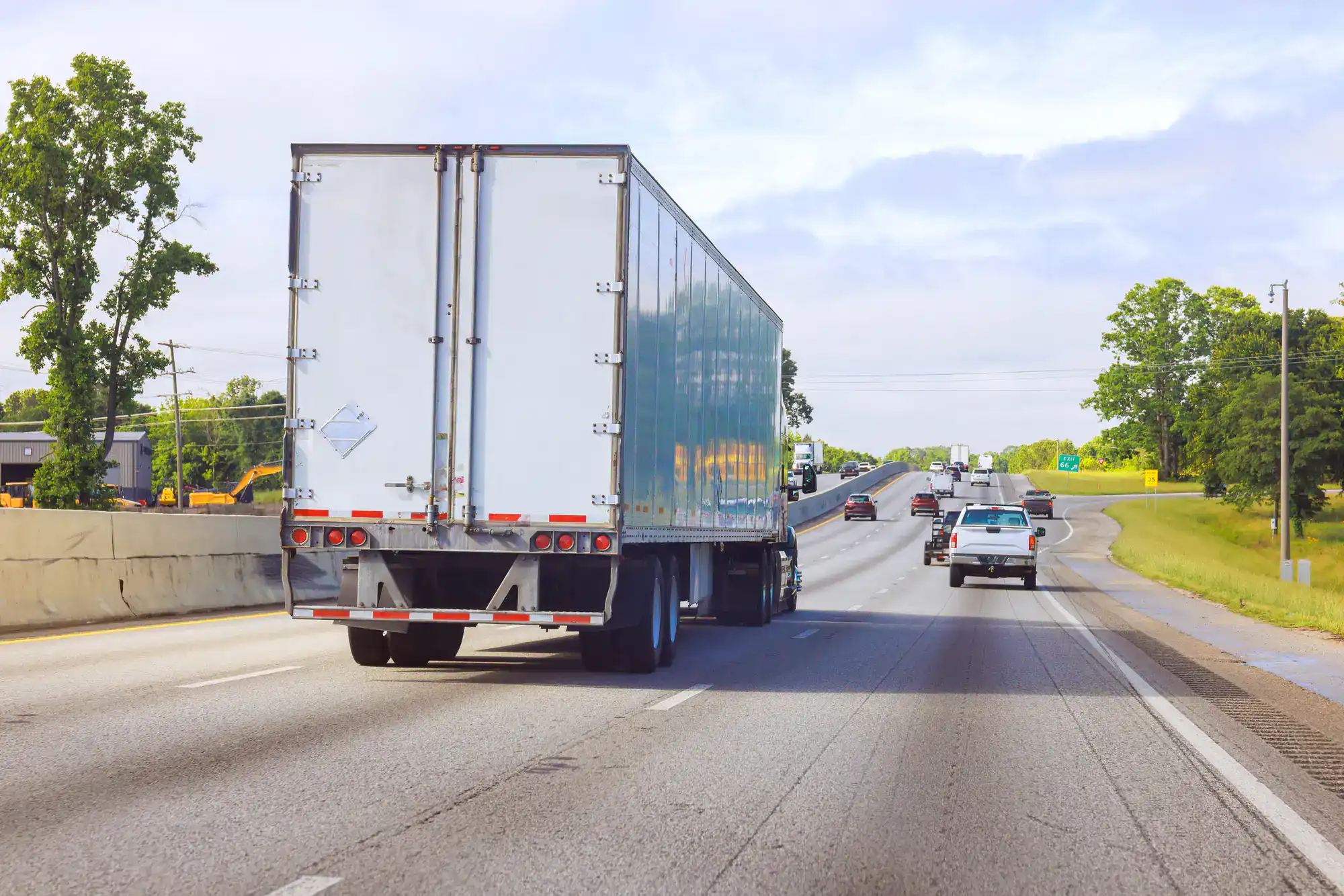
Yes. CARB compliance applies to all heavy-duty trucks operating in California, regardless of where they’re registered. If your truck is model year 2013 or newer with a GVWR over 14,000 pounds, and you’re running loads in California, you need to comply with the Clean Truck Check program.
This catches a lot of out-of-state operators off guard. They assume California regulations only apply to California-registered vehicles. That’s not how it works. The moment your truck crosses into California for commercial operations, you’re subject to state emissions requirements.
You’ll need to register with CARB’s online system, pay the annual compliance fee, and complete emissions testing on the required schedule. Out-of-state trucks follow the same testing frequency as California trucks—currently semi-annual for most vehicles, increasing to four times per year for OBD-equipped trucks starting October 2027. CARB doesn’t care where your plates are from. They care whether your truck meets California emissions standards while operating on California roads.
A failed test means you need to fix whatever emissions issue triggered the failure, then retest. Your truck can’t legally operate in California until it passes. CARB receives the failed test results directly from us as the credentialed tester, and your vehicle gets flagged in their system.
The most common failure points are malfunctioning diesel particulate filters, faulty NOx sensors, or issues with exhaust system components. Sometimes it’s a simple fix. Sometimes it requires more extensive repairs. Either way, you’re looking at downtime and repair costs on top of retesting fees.
Here’s what makes this expensive: every day your truck sits waiting for repairs is lost revenue. If you’re under a compliance deadline—like the 30-day window after receiving a Notice to Submit to Testing—the pressure intensifies. Miss that deadline, and you’re facing registration holds and potential daily fines. The smart move is preventive maintenance that keeps your emissions equipment functioning properly, so you’re not scrambling to fix problems under a compliance deadline. Regular testing also helps you catch small issues before they become major failures.
Right now, most heavy-duty trucks with 2013 or newer engines need testing twice a year—that’s the semi-annual requirement. But starting October 2027, OBD-equipped vehicles will need testing four times per year. That’s every three months.
The frequency increase is part of CARB’s push for stricter emissions monitoring. They want more frequent data on how heavy-duty trucks are performing in real-world conditions. For fleet operators, this means building testing into your regular maintenance schedule instead of treating it as an occasional requirement.
Semi-annual testing means you’re testing every six months. Mark your calendar, because CARB tracks compliance dates. If you’re late, your registration renewal gets blocked. Four-times-per-year testing means even tighter scheduling—you’ll need to plan testing around your operational demands without letting deadlines slip. The good news is that OBD testing is fast when your truck is properly maintained. The bad news is that non-compliance penalties don’t decrease just because testing frequency increases. Budget for testing costs and plan your schedule accordingly.
The Clean Truck Check program—which issues TRUCRS certificates for compliance—only applies to heavy-duty trucks that are model year 2013 or newer with a GVWR over 14,000 pounds. If your truck doesn’t meet both criteria, it’s not subject to this program.
Older trucks and lighter vehicles have different California emissions requirements. They might need traditional smog checks or fall under other CARB regulations, but they don’t go through the Clean Truck Check OBD testing process. That’s why we specifically limit service to 2013+ model year trucks over 14,000 GVWR—we’re equipped for the OBD testing these vehicles require.
If you’re operating a mixed fleet with both newer heavy-duty trucks and older or lighter vehicles, you’ll need different testing services for different trucks. Don’t assume one type of emissions testing covers everything. CARB has specific requirements based on vehicle age, weight, and engine type. Make sure you know which regulations apply to each truck in your fleet, because the penalties for testing the wrong way—or not testing at all—are the same as any other compliance violation.
CARB can fine you up to $10,000 per vehicle per day for non-compliance. That’s not a scare tactic—that’s the actual maximum penalty structure. Even if you don’t get hit with the maximum, citations for emissions violations start at hundreds of dollars and escalate quickly.
Beyond fines, non-compliance blocks your DMV registration. Your truck can’t be legally registered in California until you submit passing test results. If you’re caught operating a non-compliant vehicle, you’re looking at citations, potential impoundment, and the cost of getting your truck back on the road legally.
There’s also the business impact. A truck that can’t operate because of compliance issues costs you money in lost contracts, damaged customer relationships, and idle equipment. Some facilities and ports won’t allow non-compliant trucks on their property. You lose access to routes and customers. The direct fines are painful, but the indirect costs—lost business, reputation damage, operational disruption—often hurt more. CARB compliance isn’t optional, and the cost of testing is minimal compared to the cost of ignoring it.
Bring your vehicle registration and any previous CARB testing documentation if you have it. The registration confirms your truck’s year, make, model, and GVWR—all information we need to verify the vehicle qualifies for Clean Truck Check testing.
If you’ve been tested before, previous results help us understand your truck’s compliance history. But if this is your first test or you don’t have prior documentation, that’s fine. We can look up your vehicle information and proceed with testing as long as you have current registration.
You should also know your CARB account information if you’ve already registered with their online system. The Clean Truck Check program requires fleet operators to create accounts, report their vehicles, and pay annual compliance fees. Testing is just one piece of the program. If you haven’t registered with CARB yet, we can point you in the right direction, but that’s something you’ll need to handle separately. Our job is the testing itself—making sure your truck’s emissions equipment passes inspection and submitting those results to CARB so your compliance status stays current.
Useful Links
Other Services we provide in Bell